
The Future of Memory Systems
Why AI memory changes digital interaction permanently. Once a system remembers, it stops being a blank tool and becomes a continuity layer. Figure 1: Memory turns repeated interaction into...
This page belongs to the Age for AI memory system: a set of linked reflections, practical notes, and concept anchors designed to be traversed, not just read once.
Age for AI Memory 014 | Memory
Why AI memory changes digital interaction permanently. Once a system remembers, it stops being a blank tool and becomes a continuity layer.
May 23, 2026 · 12:00 AM Hanoi · 7 min read
Figure 1: Memory turns repeated interaction into continuity.
The future of memory systems is not only about storing facts. It is about deciding what continuity should mean between humans and intelligent systems. A stateless tool begins from zero every time. A memory system carries residue forward. That changes everything.
When AI remembers, the interaction becomes more personal, more useful, and more risky. It can recall preferences, projects, relationships, decisions, wounds, habits, and unfinished loops. It can reduce friction and create trust. It can also create surveillance, dependency, and a false sense of being known.
Key memory
AI memory is not just storage. It is a trust system for deciding what should remain, what should fade, and who controls the meaning of the past.
Memory changes the relationship
A system that remembers feels different. It no longer only responds to the prompt in front of it. It responds with history. That history can make the user feel understood because the system does not require endless re-explanation.
But continuity carries emotional weight. If the system remembers too much, the user may feel watched. If it remembers incorrectly, the user may feel misrepresented. If it forgets something important, the user may feel that the relationship broke. Memory turns product behavior into relational behavior.
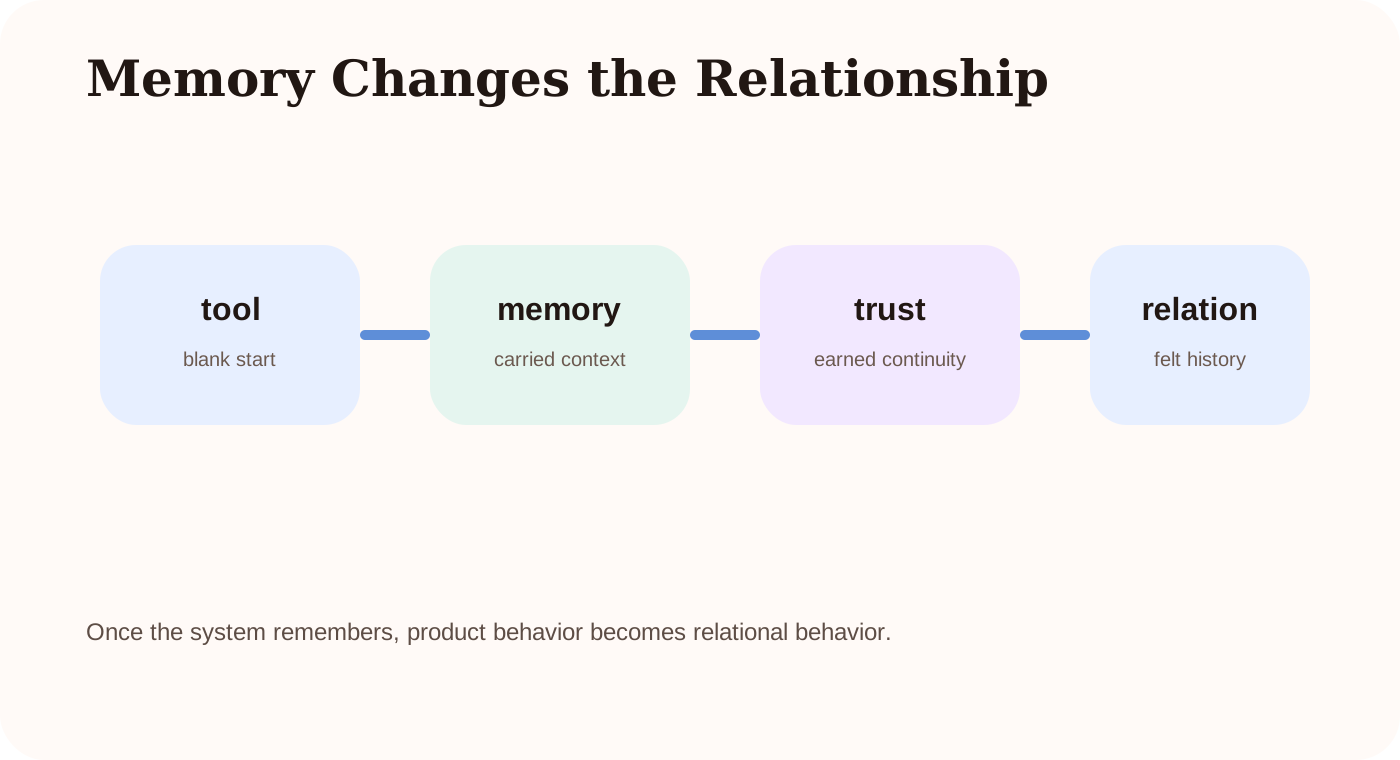
Figure 2: Memory moves the system from response into relationship.
The consent layer
The first rule of future memory systems is consent. Memory must not be a silent extraction layer. The user should know what is stored, why it is stored, how it is used, and how to change or remove it.
Consent also has to be ongoing. A person may want a system to remember a project preference but not a private emotional moment. They may want memory for work and forgetting for grief. They may want temporary context, long-term identity, or no memory at all for a specific interaction.
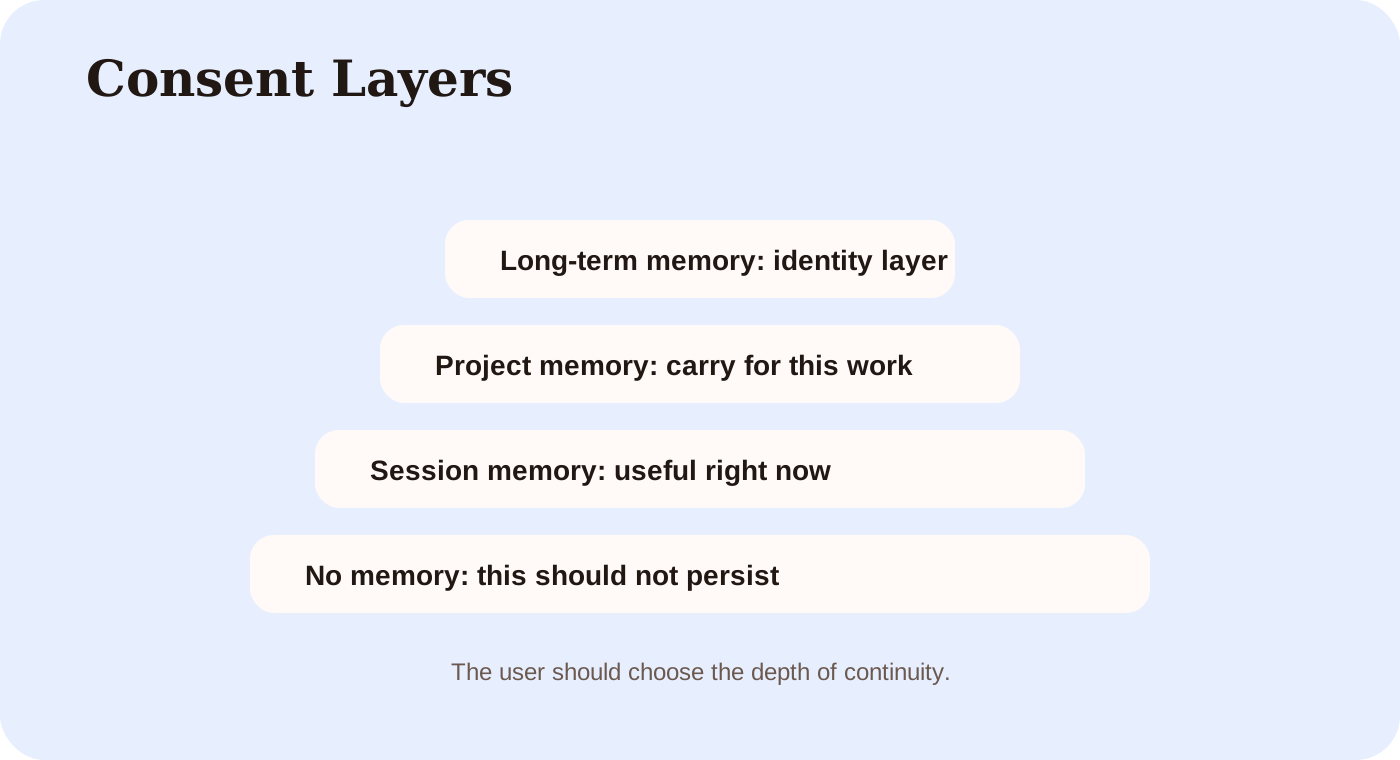
Figure 3: Good memory systems distinguish temporary context from long-term continuity.
Forgetting is a feature
Human memory is powerful partly because it forgets. Forgetting protects growth. It lets old mistakes lose authority. It lets private pain stop being constantly available. It gives people room to change.
Machine memory can be too literal. If everything is stored and easily retrieved, the user may become trapped by earlier versions of themselves. A humane memory system needs decay, expiration, correction, and ritual deletion. Forgetting is not a bug. It is an ethical design primitive.
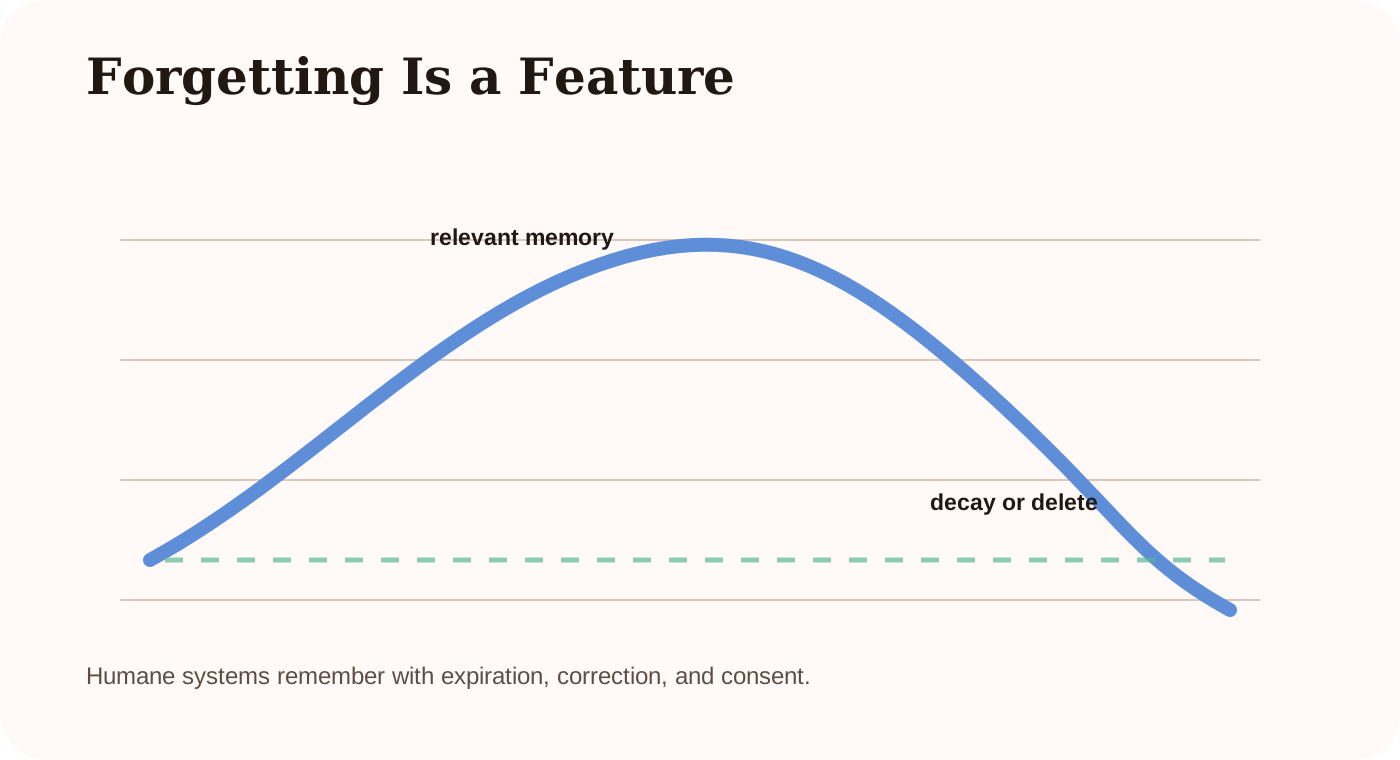
Figure 4: Memory needs relevance, age, sensitivity, and consent rules.
Retrieval is judgment
The hard problem is not only what gets stored. It is what gets retrieved at the right moment. A memory that appears in the wrong context can distort the interaction. A memory that stays hidden when needed can weaken trust.
Retrieval is therefore a form of judgment. The system must decide whether a memory is relevant, current, consented, safe, and helpful. The future of AI memory will depend less on giant databases and more on wise retrieval boundaries.
This is where memory systems become part of identity. The memories shown back to a person influence what they believe is still true about themselves.
Governance is part of memory
Memory systems also need governance. In a company, memory may include customer context, internal decisions, employee preferences, private notes, strategic plans, and sensitive mistakes. Not every user should see every memory. Not every memory should travel across teams. Not every useful detail should be stored forever.
Good governance makes memory safer without making it useless. It defines ownership, access, retention, review, and escalation. It gives the user a way to ask: why did the system remember this, where did it come from, who can see it, and what happens if it is wrong?
Without governance, memory becomes a shadow database. With governance, memory becomes shared continuity that people can trust.
A practice for memory design
The practical method is to separate memory into categories before using it. Some memory belongs to preferences. Some belongs to projects. Some belongs to relationships. Some belongs to sensitive identity. Each category needs different rules.
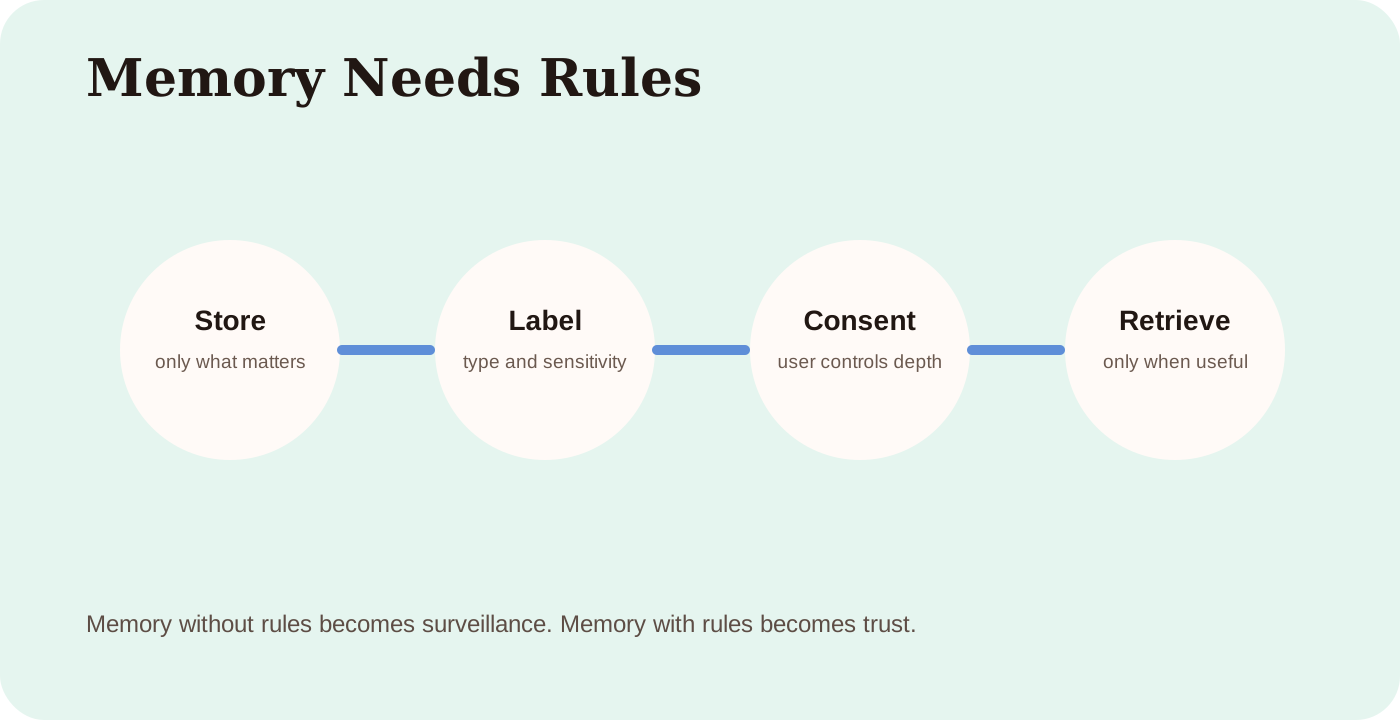
Figure 5: Memory design begins by labeling what kind of memory is being carried.
- Ask what should be remembered before enabling memory by default.
- Separate preferences, projects, relationships, and sensitive identity.
- Give users visible controls to edit, expire, and delete memory.
- Use session memory when long-term memory is not necessary.
- Retrieve memories only when they improve agency, clarity, or safety.
Why this matters for AI literacy
AI literacy must include memory literacy. People need to know when a system is remembering, how memory changes the relationship, and what rights they should have over stored context. A person who cannot inspect or correct memory is vulnerable to being shaped by it.
For builders, memory is one of the deepest trust surfaces in AI. It can make systems feel alive, helpful, and loyal. It can also make them manipulative, sticky, and invasive. The difference is governance, consent, retrieval discipline, and the courage to forget.
What to remember
The future of memory systems is the future of digital continuity. The question is not whether AI can remember. The question is whether it remembers with consent, humility, and care.
Related memories
- Memory as Identity
- Relational Intelligence
- Symbolic Compression
FAQ
What are AI memory systems?
AI memory systems store and retrieve context across interactions so an AI can preserve continuity, preferences, projects, and relationship history.
Why is consent important for AI memory?
Consent lets users control what is remembered, why it is used, how long it remains, and when it should be edited or forgotten.
Why should AI systems forget?
Forgetting protects privacy, growth, emotional safety, and the user's ability to change without being trapped by old context.