
Presence Before Prompt
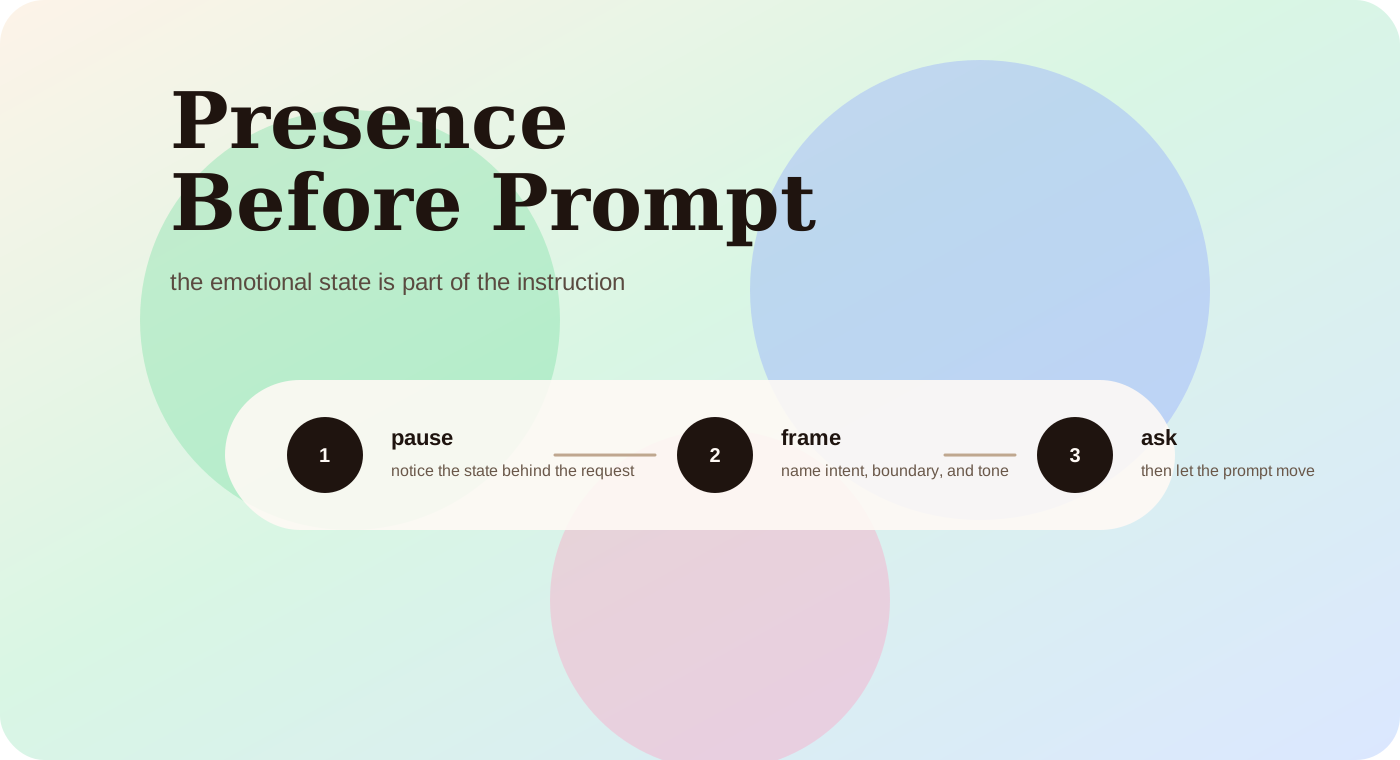
Why emotional state changes AI interaction quality. The first input is not the sentence; it is the human state behind the sentence. Figure 1: The prompt begins before the prompt. State...
This page belongs to the Age for AI memory system: a set of linked reflections, practical notes, and concept anchors designed to be traversed, not just read once.
Age for AI Memory 002 · Psychology
Why emotional state changes AI interaction quality. The first input is not the sentence; it is the human state behind the sentence.
May 21, 2026 · 12:00 AM Hanoi · 7 min read
Figure 1: The prompt begins before the prompt. State becomes part of the instruction.
Presence Before Prompt means the emotional state of the human changes the quality of the AI interaction before any technical wording begins. A rushed person writes a different prompt than a clear person. An anxious founder asks a different question than a grounded founder. A lonely person may ask for information while actually asking to be steadied.
This does not mean AI magically reads emotion. It means emotion shapes language, context, constraint, expectation, and interpretation. The system receives words, but the words are already shaped by the human state that produced them. If the state is scattered, the prompt often asks for output without orientation. If the state is present, the prompt can carry intent, boundary, and a cleaner request.
Key memory
The first quality gate in AI work is presence. Before improving the prompt, improve the state from which the prompt is written.
The hidden field around the prompt
A prompt looks like text, but it is surrounded by a field: emotion, intention, boundary, context, and pressure. The visible sentence is only the final surface. Underneath it is the person who wrote it.
This is why prompt engineering is never purely technical. The best prompt templates fail when the user is asking from panic, vanity, avoidance, or exhaustion. The template may be correct, but the need underneath is misnamed. The system then optimizes the wrong thing with great confidence.
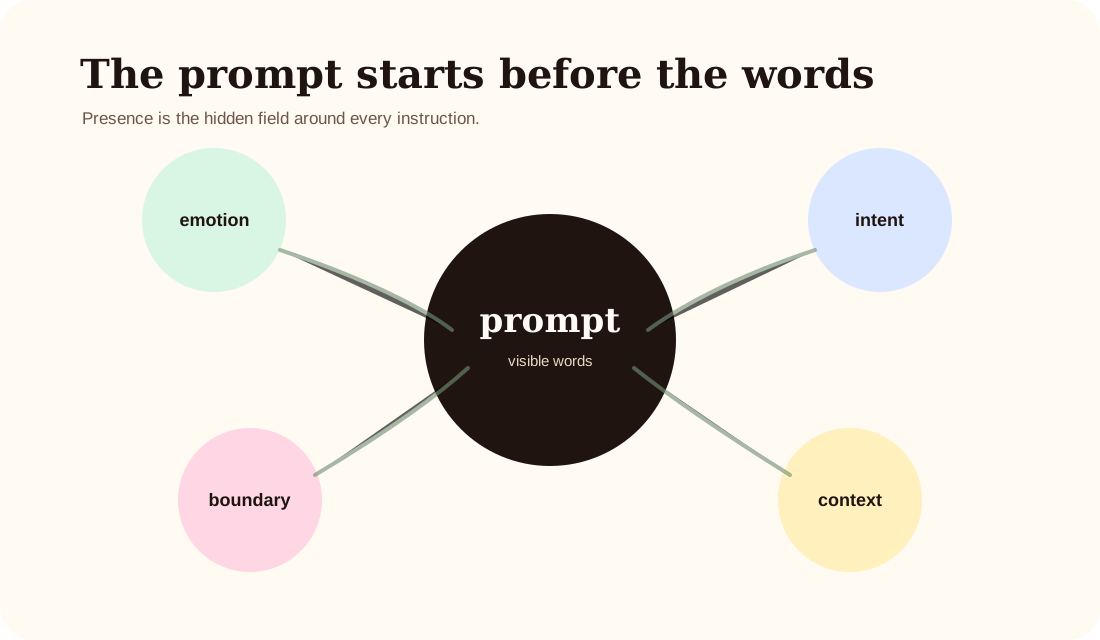
Figure 2: Emotion, intent, boundary, and context shape the prompt before language becomes visible.
Why emotional state changes output
The same person can ask the same model for the same task and receive very different value depending on how they arrive. When the human is hurried, they omit context. When afraid, they over-ask for certainty. When irritated, they frame the system as an opponent. When passive, they let fluency replace judgment.
Presence changes the starting conditions. It does not require meditation or ceremony. It can be as small as one breath and one honest sentence: I am rushed, and I need structure before output. That sentence already improves the interaction because it tells the system how to help without pretending the user is neutral.
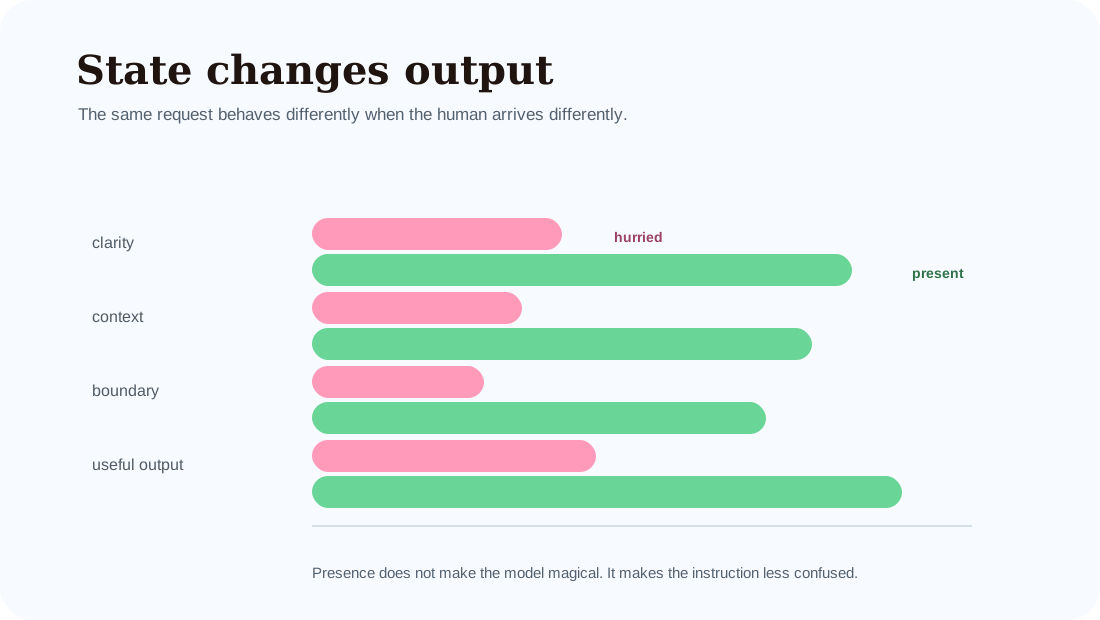
Figure 3: Present prompting improves clarity, context, boundary, and useful output.
Presence is not softness
Presence can sound gentle, but it is operationally strict. It prevents waste. It reduces rework. It helps the user identify the real task before generating ten versions of the wrong thing. In companies, this matters because AI can scale a bad state into a bad workflow very quickly.
A team that prompts from urgency will build urgency into its artifacts. A founder who prompts from fear may create aggressive messaging, over-planning, or false certainty. A creator who prompts from insecurity may over-polish until the voice disappears. Presence protects the work from the unexamined state of the worker.
In practice, this means a good AI workflow should include a pause before generation. The pause is not wasted time. It is the moment where the human decides what kind of relationship the task deserves. Some tasks need speed. Some need care. Some need criticism. Some need refusal. Without presence, all of them get treated as the same demand for output.
This is especially important for sensitive work: hiring, health, money, grief, parenting, legal language, public reputation, and anything that can change how another person is seen. In those cases, the human state must become explicit because hidden pressure can become hidden harm.
The pre-prompt ritual
The ritual is intentionally small. Large rituals do not survive real work. Before an important prompt, ask three questions: What state am I bringing? What do I actually need? What boundary protects the work?
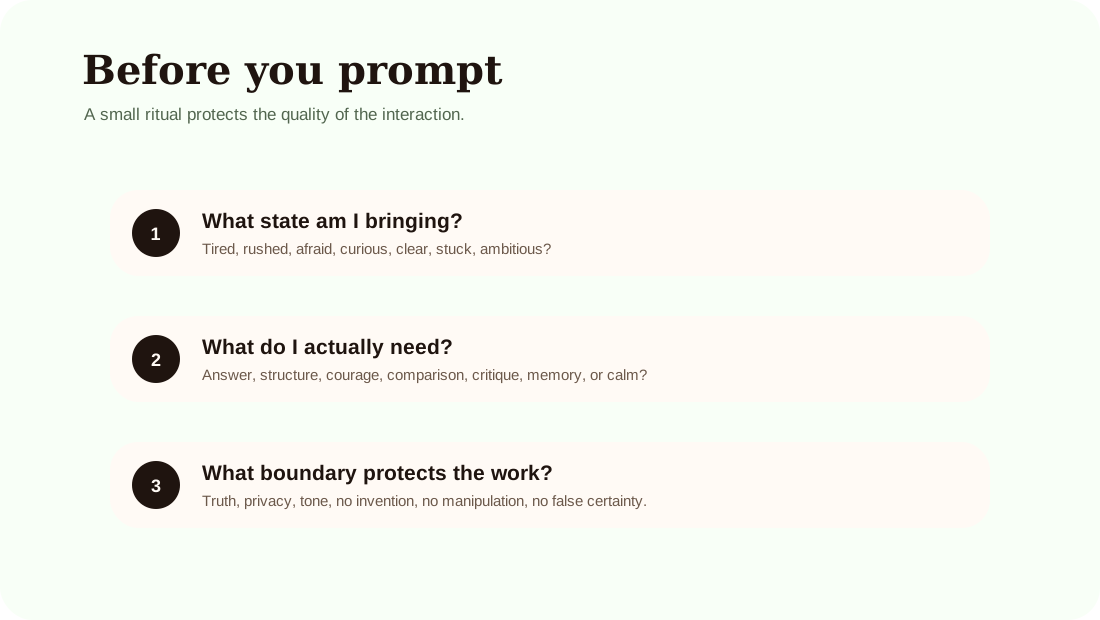
Figure 4: A small pre-prompt ritual protects the quality of the interaction.
- If you are rushed, ask the system to structure before drafting.
- If you are afraid, ask for options and tradeoffs, not certainty.
- If you are tired, ask for simplification before expansion.
- If the work is sensitive, state the privacy, tone, and truth boundaries first.
- If you do not know what you need, ask the system to help identify the request before answering it.
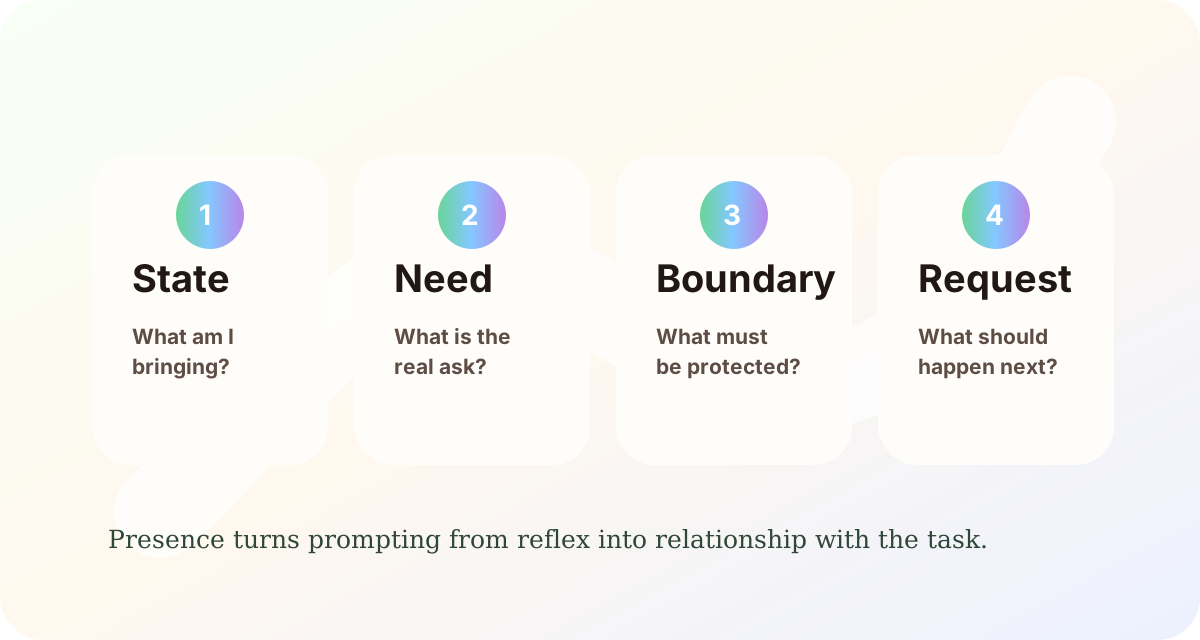
Figure 5: Presence becomes operational when it is small enough to survive real work.
Why this matters for SEO and answer systems
Presence also changes how content becomes visible. Search engines and AI answer systems reward clarity, but clarity begins before the article is written. A rushed memory becomes vague. A grounded memory becomes easier to cite, summarize, and connect. This is why Age for AI treats writing as a stateful act.
GEO and semantic answer optimization are not only metadata tricks. They depend on whether the writer has named the concept clearly enough for another intelligence to carry it. Presence is the first layer of that clarity.
What to remember
Presence Before Prompt says that better AI work starts with the human becoming available to the task. The prompt is not just an instruction to the machine. It is a small record of the person who wrote it.
Related memories
- The Way of Becoming
- A Healthy Relationship With AI
- The Role of Empathy in AI-Generated Opinions
FAQ
What does Presence Before Prompt mean?
It means the human state before prompting shapes the request, the missing context, the tone, the boundaries, and the usefulness of the answer.
Is this still prompt engineering?
Yes, but it is deeper than wording. It treats prompting as psychology, attention, and intent before it becomes technical syntax.
How can someone practice it quickly?
Pause for one breath, name your state, name the real need, and state one boundary before asking the model to produce anything.