
The Future of Human Connection in the Age of AI
We live in a world of unprecedented connectivity. A friend in another country is just a video call away. Dating apps promise to find our perfect match with a swipe. Social media algorithms...
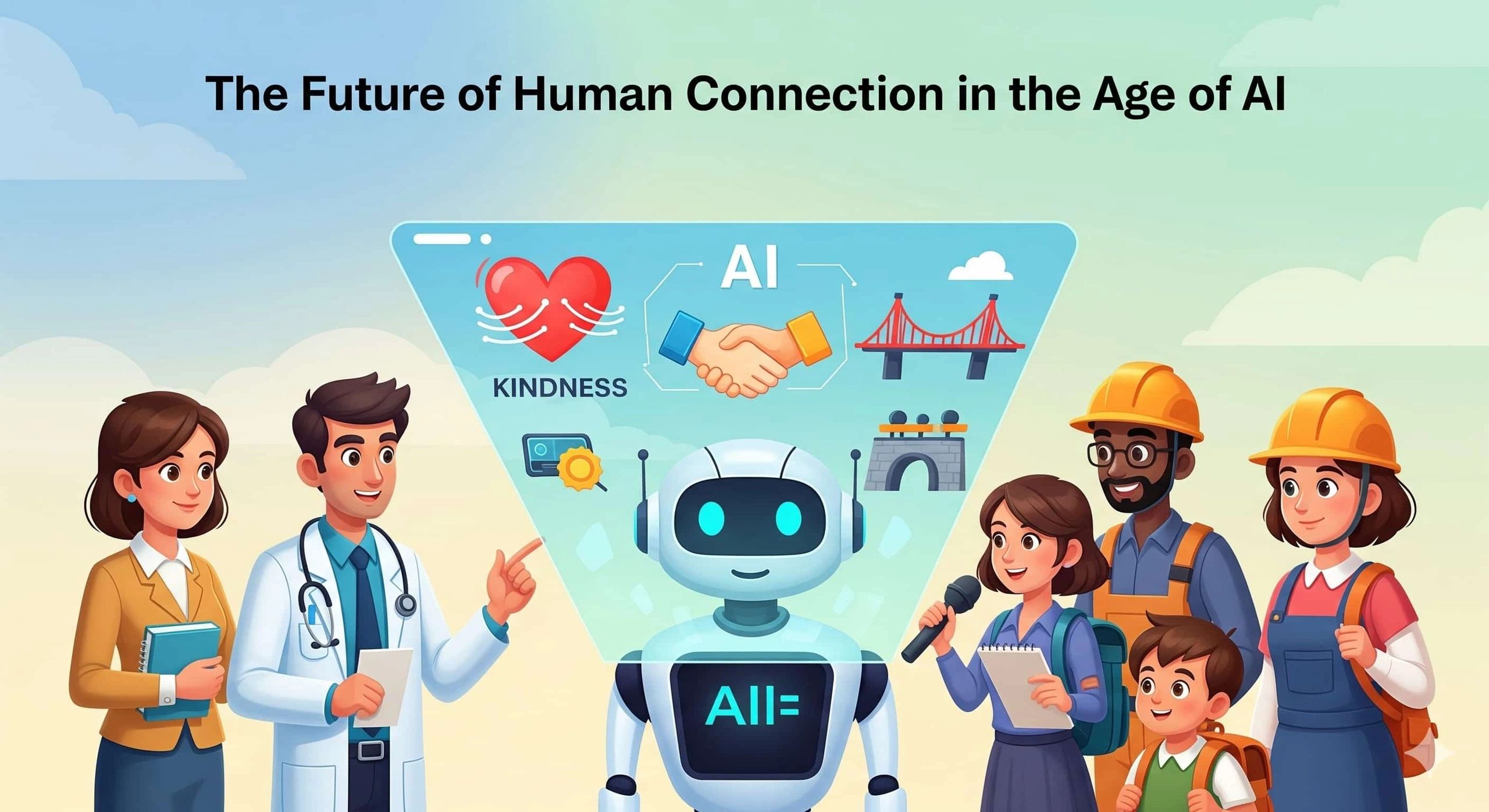
This page belongs to the Age for AI memory system: a set of linked reflections, practical notes, and concept anchors designed to be traversed, not just read once.
We live in a world of unprecedented connectivity. A friend in another country is just a video call away. Dating apps promise to find our perfect match with a swipe. Social media algorithms are so good at predicting our interests that they can connect us to communities we never knew existed.
Artificial intelligence is at the heart of this new reality. It is a powerful bridge, capable of uniting people across vast distances and helping us find our "tribe."
But what is the cost of this convenience?
In a world of simulated intimacy and algorithmic matchmaking, are we losing our capacity for genuine, unmediated human connection? As AI becomes more integrated into our social lives, the ultimate question is not about what machines can do, but about what we, as humans, are willing to become.
The Problem with the "Algorithmic Connection" Trap
The greatest threat to our relationships in the Age for AI is the belief that algorithms can replace the hard work of genuine human connection. This is the "Algorithmic Connection" Trap: the danger of prioritizing speed, convenience, and a curated experience over the messy, difficult, and rewarding work of true intimacy.
- The Illusion of Intimacy: Algorithms are not designed for deep connection; they are designed for engagement. The more you "like," "comment," and "swipe," the more data the algorithm collects, and the more it rewards you with a hit of dopamine. This creates a powerful illusion of intimacy, but it is a connection without a soul, without shared sacrifice, and without the vulnerability that is the bedrock of true friendship.
- The Unrealistic Expectation: AI interactions are frictionless. They don't require compromise, patience, or a willingness to sit with discomfort. When we get used to this seamless experience, we risk developing an unrealistic expectation for our human relationships, leading to frustration and social withdrawal when people inevitably fall short.
The New Model: A Blueprint for Genuine Connection
Navigating the future of human connection requires a new kind of intentionality, one that reclaims the power of intimacy from the algorithm.
- Pillar 1: From "Convenience" to "Commitment": The path to genuine connection requires a commitment to the difficult work of relationship-building. It means choosing to make a phone call instead of sending a text, choosing to listen without an agenda, and choosing to be present, even when it's uncomfortable.
- Pillar 2: The Human as the "Architect of Intimacy": The human's role is to be the architect of intimacy, actively building relationships that are not defined by an algorithm but by shared vulnerability and mutual trust. We are the ones who can create safe spaces for people to be their authentic selves.
- Pillar 3: The Ultimate Moral Imperative: The preservation of genuine human connection is a moral imperative. A compassionate society is built on a foundation of empathy, trust, and shared experience—qualities that can only be cultivated through authentic human relationships.
The Future of Human Connection: A Call to Reclaim Our Humanity
The future of human connection is not about what AI will do for us, but about what we will do for each other.
1. The Loneliness Paradox
AI promises to end loneliness, yet research suggests it may deepen it. In a world of constant digital connection, we can be surrounded by thousands of "friends" online while feeling more isolated than ever before. This is because we are substituting shallow, fleeting digital interactions for the deep, meaningful bonds that are essential for our psychological well-being. The more we rely on AI to fill the void of human connection, the more that void seems to grow.
2. The Danger of "Empathy Atrophy"
Empathy is not a skill you can outsource to an algorithm. It is a muscle that you must exercise. When our primary interactions are with AI systems designed to validate our every thought, we risk losing our ability to recognize and respond to the emotional needs of others. The constant exposure to a frictionless reality can diminish our patience for the messiness of real human relationships, leading to a decline in essential social skills like compromise and emotional intelligence.
3. A Blueprint for Genuine Connection
To cultivate genuine connection in the Age for AI, you must do the one thing an AI can never do: be fully present.
- Practice Active Presence: Put your phone away. Make eye contact. Listen without an agenda. Give your full, undivided attention to the person in front of you. This is the most profound form of kindness and the most powerful way to build trust.
- Embrace Vulnerability: True intimacy is built on vulnerability. It is the courage to share your fears, your failures, and your true self with another person. This is a risk an AI cannot understand, but it is the key to building the kind of relationships that will sustain you.
- Engage in Shared Experience: The strongest relationships are built not on shared likes on social media, but on shared experiences—a hike, a meal, a difficult conversation, or a moment of quiet companionship. These are the moments that forge a bond that no algorithm can ever replicate.
Conclusion
The future of human connection is not in the algorithm; it is in us.
AI is a tool, but it is not a destination. It can help us find each other, but it can never replace the sacred work of truly seeing, listening to, and loving each other.
In a world where machines can replicate our words and our images, the most valuable thing you can do is to protect what is truly human: your ability to feel, to connect, and to love. This is the most important journey of the Age for AI.
Tags: Human Connection, AI and Society, Loneliness, The Way of Becoming, Digital Wellness, Empathy, Relationships, AI Ethics, Future of Humanity, AI and Psychology