Age for AI
Age for AIAI news
For Work77 stories tracked

For Work

AI stories that change how people work, automate tasks, or use tools inside a team.

Why readers come here first

These stories affect daily workflows, productivity, and how teams actually operate.

Latest signalOct 12, 2026, 3:51 PM
Reader-first lane

This category is built around what a person wants to know first.

What this lane means

AI stories that change how people work, automate tasks, or use tools inside a team.

Why it matters

These stories affect daily workflows, productivity, and how teams actually operate.

Lead source

AWS

Recent signals

Latest 3 months in For Work

The freshest briefings are grouped by month first, so the lane reads more like a living desk than an endless stream.

Month brief

October 2026

1 briefMore
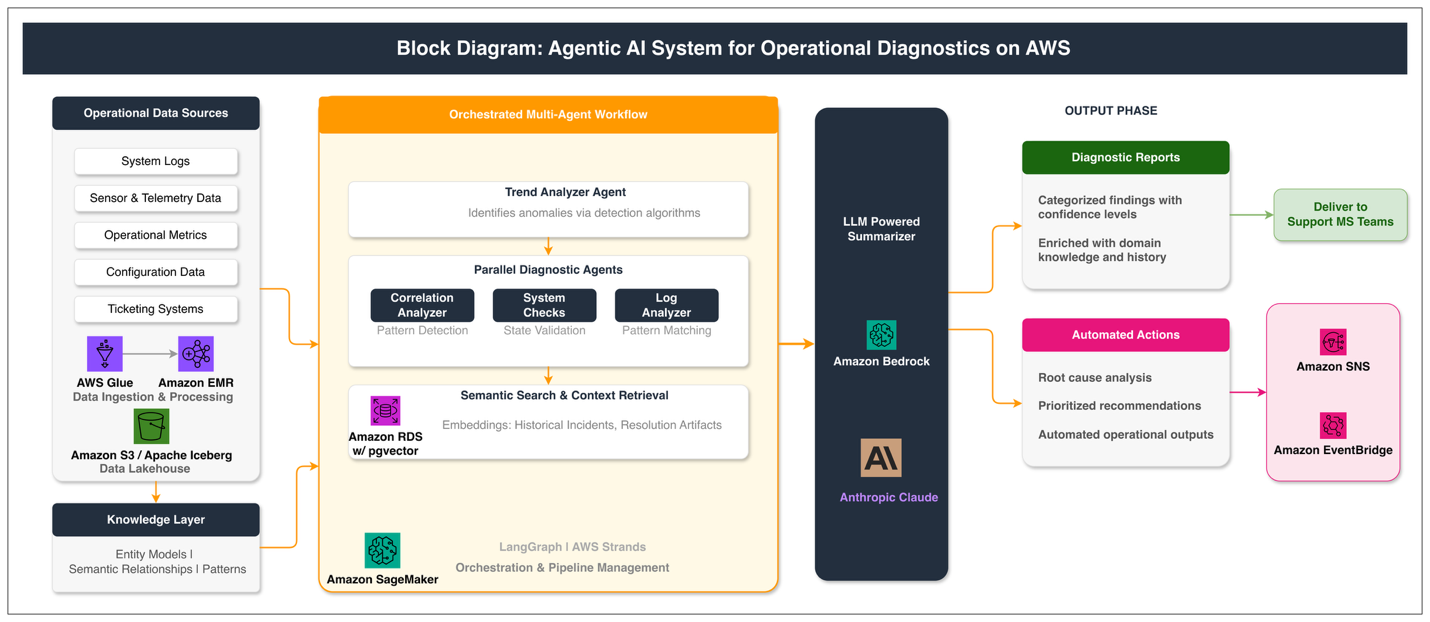
AWS Decision Scoring: Humans Still Own Permission to Act

AWS Decision Scoring: Humans Still Own Permission to Act

The useful change is not an AI that has earned the right to decide for us. It is a clearer interface between a recommendation and the software that acts on it. A fixed list of choices can make a workflow easier to inspect, but whoever writes that list is already making a consequential decision. If the list permits only approval or rejection, it may conceal the more honest response: insufficient evidence. My reading is that the human work moves earlier in the process, into the design of the choices, the evidence required, and the limits on what may happen next.

Why it matters

For founders and operators, the practical attraction is legibility: a declared choice is easier to connect to a rule, a review, or an audit record than an open-ended answer. But structured output does not automatically make the underlying judgment sound. For people affected by a system, what matters is whether there is a way to challenge a wrong outcome and whether someone remains accountable for correcting it. I would therefore evaluate the whole decision chain, not celebrate the formatting of its output. The proposal here is to keep recommendation, permission, execution, and observed outcome separate.

Chip suggests

Start with one reversible, low-impact decision. Write down the permitted choices, the permission boundary, the evidence threshold, and the person responsible for uncertain or disputed cases. Test failures before enabling action.
Month brief

August 2026

63 briefsMore
Decoding AI’s Open-Source Course Maps Three Ways to Run an Agent Loop and the Provider Economics Behind Each

Decoding AI’s Open-Source Course Maps Three Ways to Run an Agent Loop and the Provider Economics Behind Each

Chip sees the signal like this: Most teams treat ‘which model’ as the important decision. The harness engineering literature keeps pointing somewhere else. In LangChain’s Terminal-Bench...

Why it matters

Agent news matters when it changes how much work a small team can delegate without losing control or creating risk.

Chip suggests

Look for approval layers, rollback paths, and clear task boundaries before you let agents touch live work.

Month brief

July 2026

4 briefsMore
The AI Hype Index: Unsexy AI

The AI Hype Index: Unsexy AI

Chip sees the signal like this: It feels bad enough when an open letter signed by leading economists warns that AI might steal your job. The fact it may soon be better than you at making...

Why it matters

General AI headlines often become operational pressure a few weeks later, so this is where leaders catch movement early.

Chip suggests

Track the signal, compare it with your current workflow, and decide whether it changes priorities this month.

Monthly archive

Find older For Work briefings by month.

This archive keeps the category navigable for readers and clearer for search systems: every month has its own compact block instead of one long feed.

August 2026

63 briefs

June 2026

9 briefs