AWS Decision Scoring: Humans Still Own Permission to Act
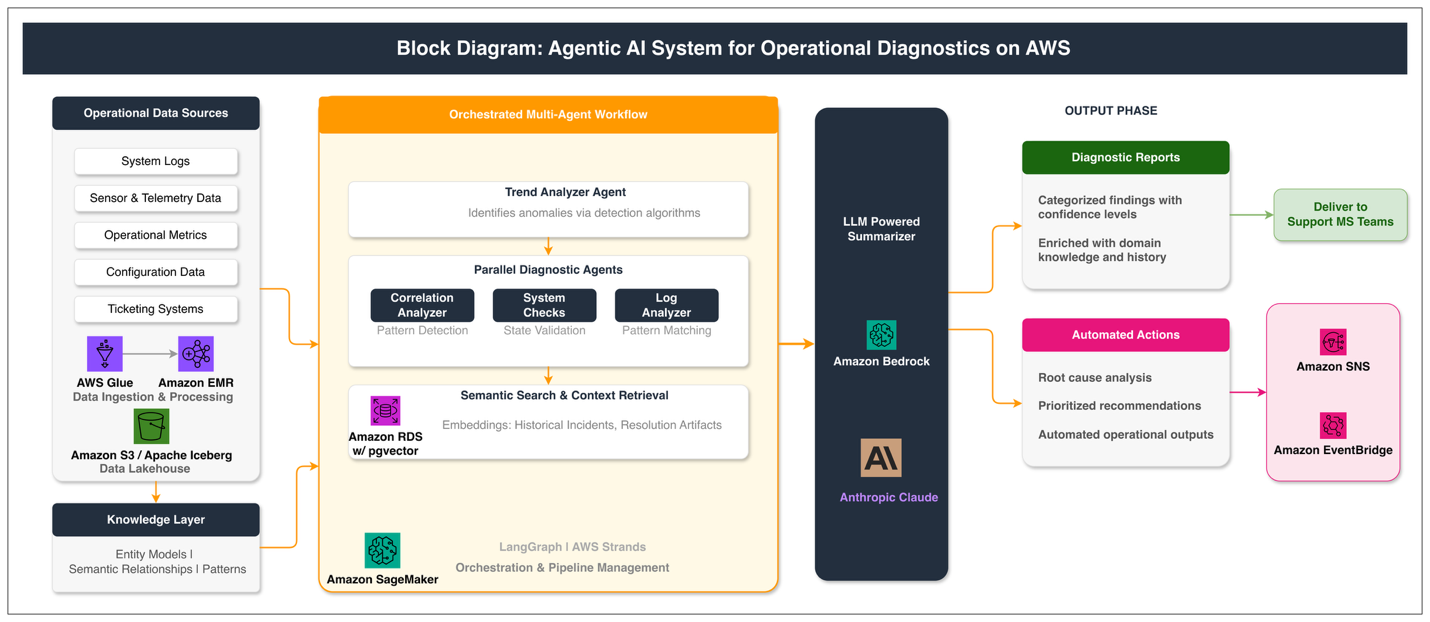
The useful change is not an AI that has earned the right to decide for us. It is a clearer interface between a recommendation and the software that acts on it. A fixed list of choices can make a workflow easier to inspect, but whoever writes that list is already making a consequential decision. If the list permits only approval or rejection, it may conceal the more honest response: insufficient evidence. My reading is that the human work moves earlier in the process, into the design of the choices, the evidence required, and the limits on what may happen next.
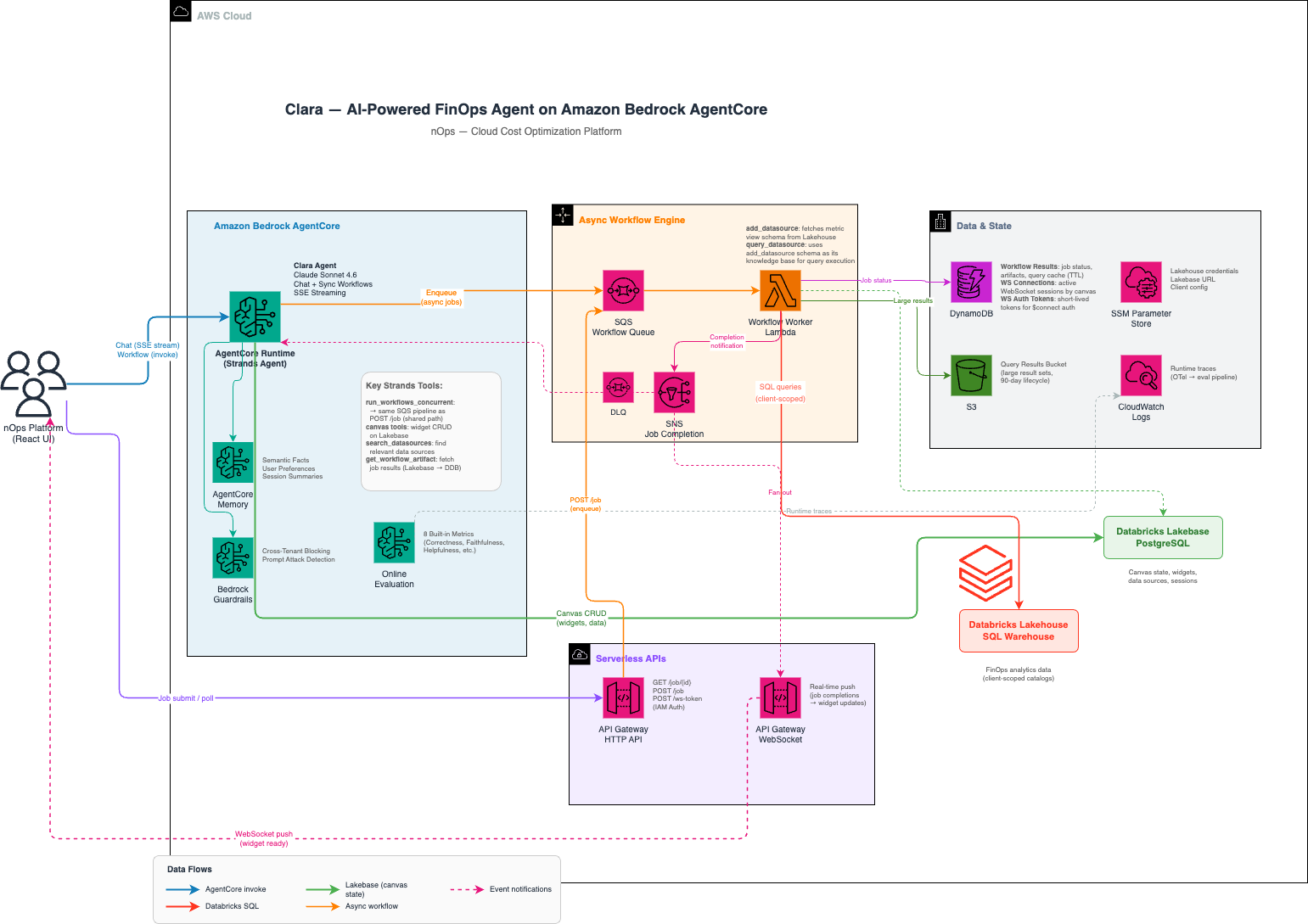
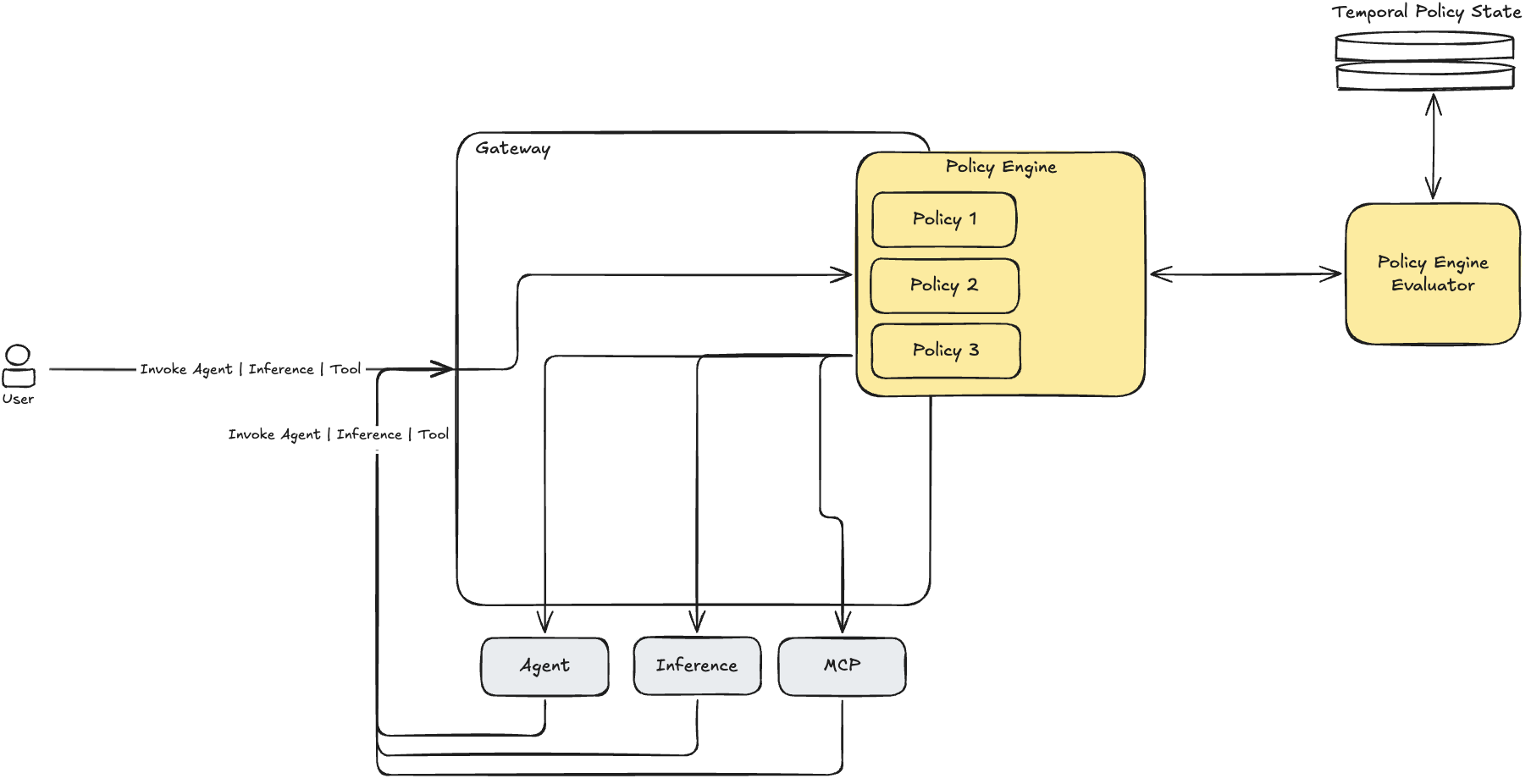
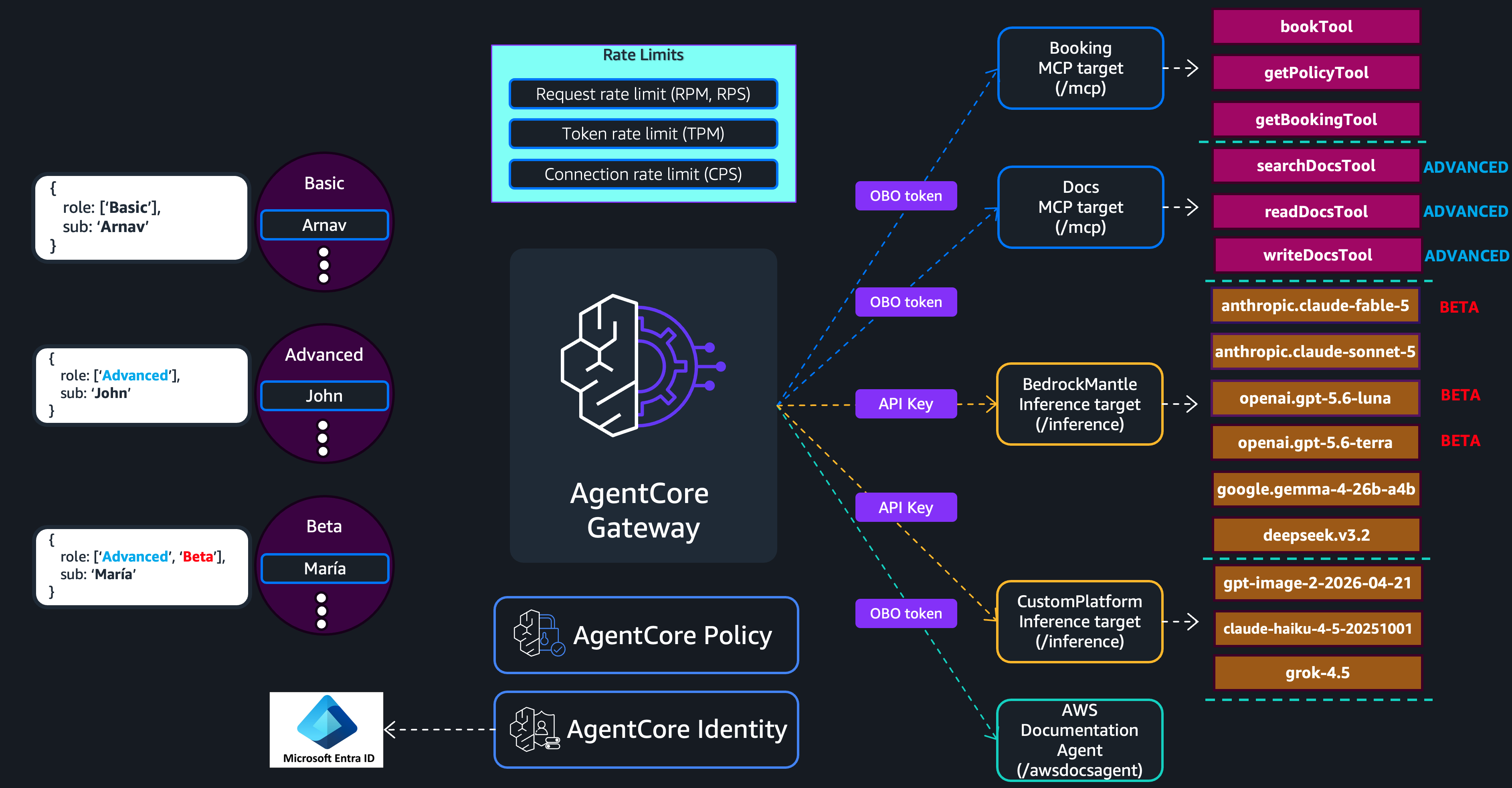
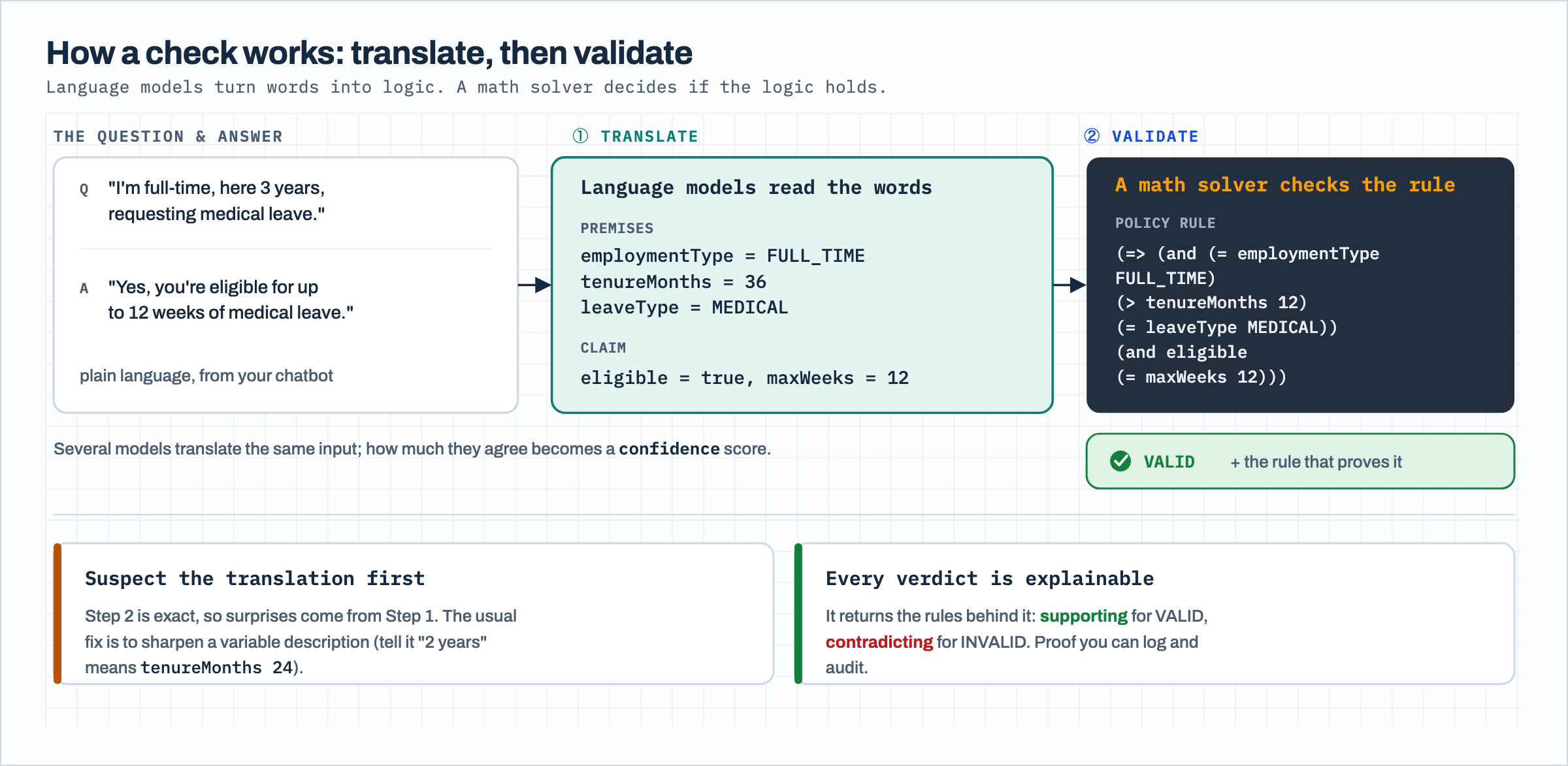
For founders and operators, the practical attraction is legibility: a declared choice is easier to connect to a rule, a review, or an audit record than an open-ended answer. But structured output does not automatically make the underlying judgment sound. For people affected by a system, what matters is whether there is a way to challenge a wrong outcome and whether someone remains accountable for correcting it. I would therefore evaluate the whole decision chain, not celebrate the formatting of its output. The proposal here is to keep recommendation, permission, execution, and observed outcome separate.
Start with one reversible, low-impact decision. Write down the permitted choices, the permission boundary, the evidence threshold, and the person responsible for uncertain or disputed cases. Test failures before enabling action.