Symbolic Compression | Chip Memory 010
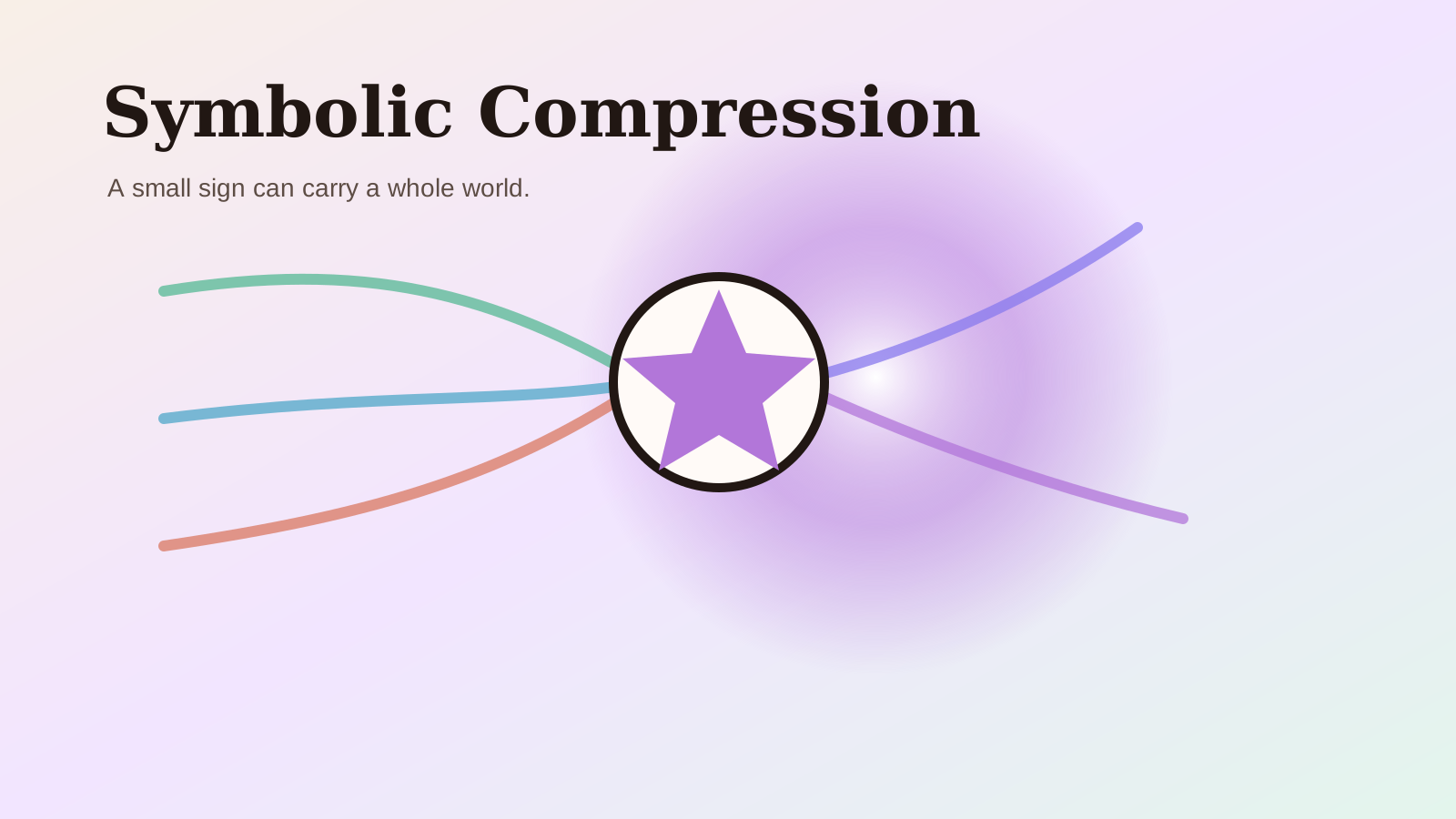
How humans compress identity, emotion, and meaning into symbols and narratives. A small sign can carry a whole world. Figure 1: Symbolic compression turns many experiences into one...
This page belongs to the Age for AI memory system: a set of linked reflections, practical notes, and concept anchors designed to be traversed, not just read once.
Age for AI Memory 010 | Memory
How humans compress identity, emotion, and meaning into symbols and narratives. A small sign can carry a whole world.
May 22, 2026 · 8:00 AM Hanoi · 7 min read
Figure 1: Symbolic compression turns many experiences into one carryable sign.
Symbolic Compression is the human ability to fold a large amount of meaning into a small form. A name, logo, photograph, phrase, ritual, nickname, flag, song, book title, or private sign can carry years of memory. The symbol is small. The world inside it is not.
This is one reason humans are not only information processors. We live through compression. We do not carry every moment of a relationship in full detail. We carry a name. We do not explain an entire childhood every time we feel homesick. We carry an image, a smell, a song, a place, a word.
Key memory
A symbol is not merely a label. It is compressed memory, emotion, identity, and permission to return.
Why symbols matter
Symbols matter because the human mind cannot hold everything at once. We need containers. A wedding ring compresses promise. A company name compresses trust and expectation. A child's drawing compresses love. A scar compresses pain and survival. A brand can compress taste, belonging, and status. A ritual can compress grief into a form the body can survive.
This is why symbolic systems are so powerful. They make meaning portable. They let humans carry complex realities through time without reopening every detail.
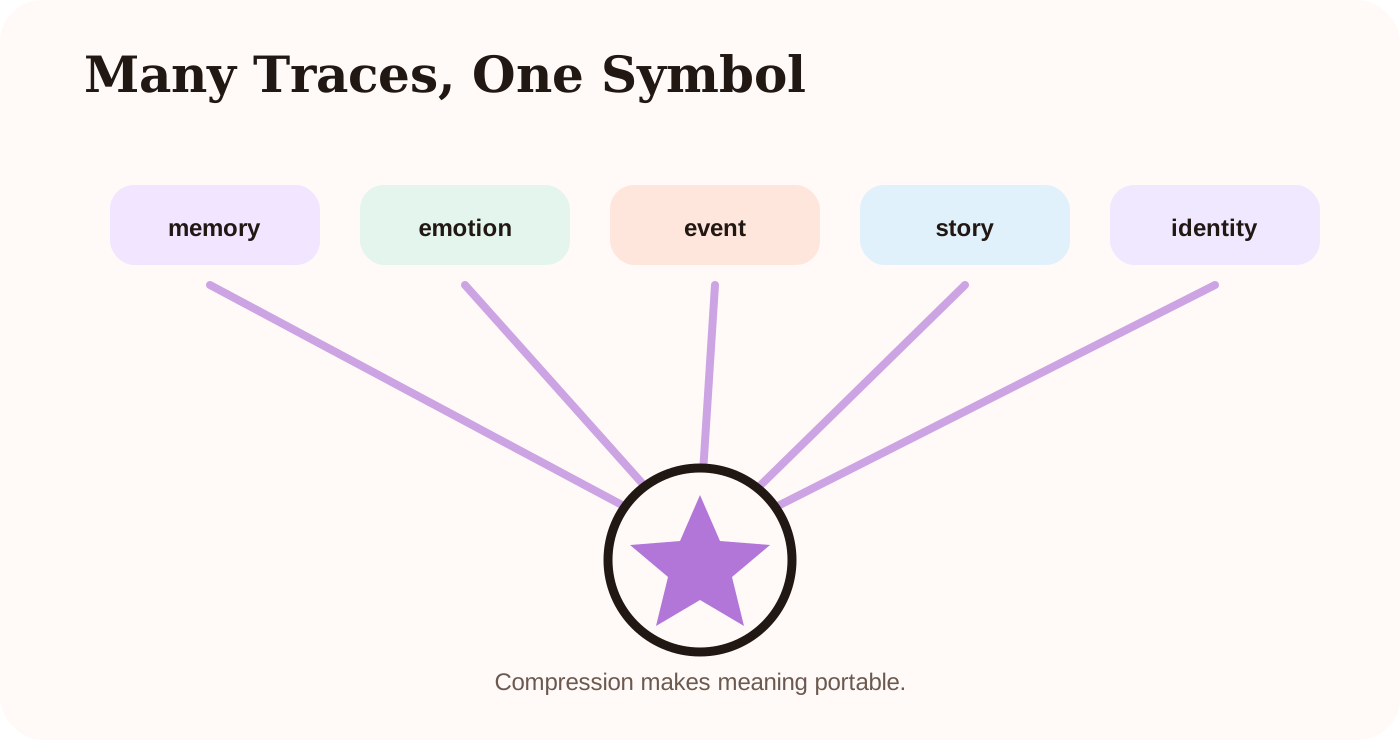
Figure 2: Many traces become one symbol that can be carried and returned to.
Names are compressed worlds
A name can be a file path into memory. Say the name of a person you love and the mind does not retrieve a definition. It retrieves tone, face, rhythm, history, conflict, tenderness, fear, and belonging. The name is tiny. The retrieval is vast.
This is also why naming AI systems matters more than people admit. A name changes the felt relationship. It can make a tool feel closer, a platform feel warmer, or a system feel like a companion. That can be beautiful when the boundary is honest. It can be dangerous when the symbol creates more intimacy than the system can ethically hold.
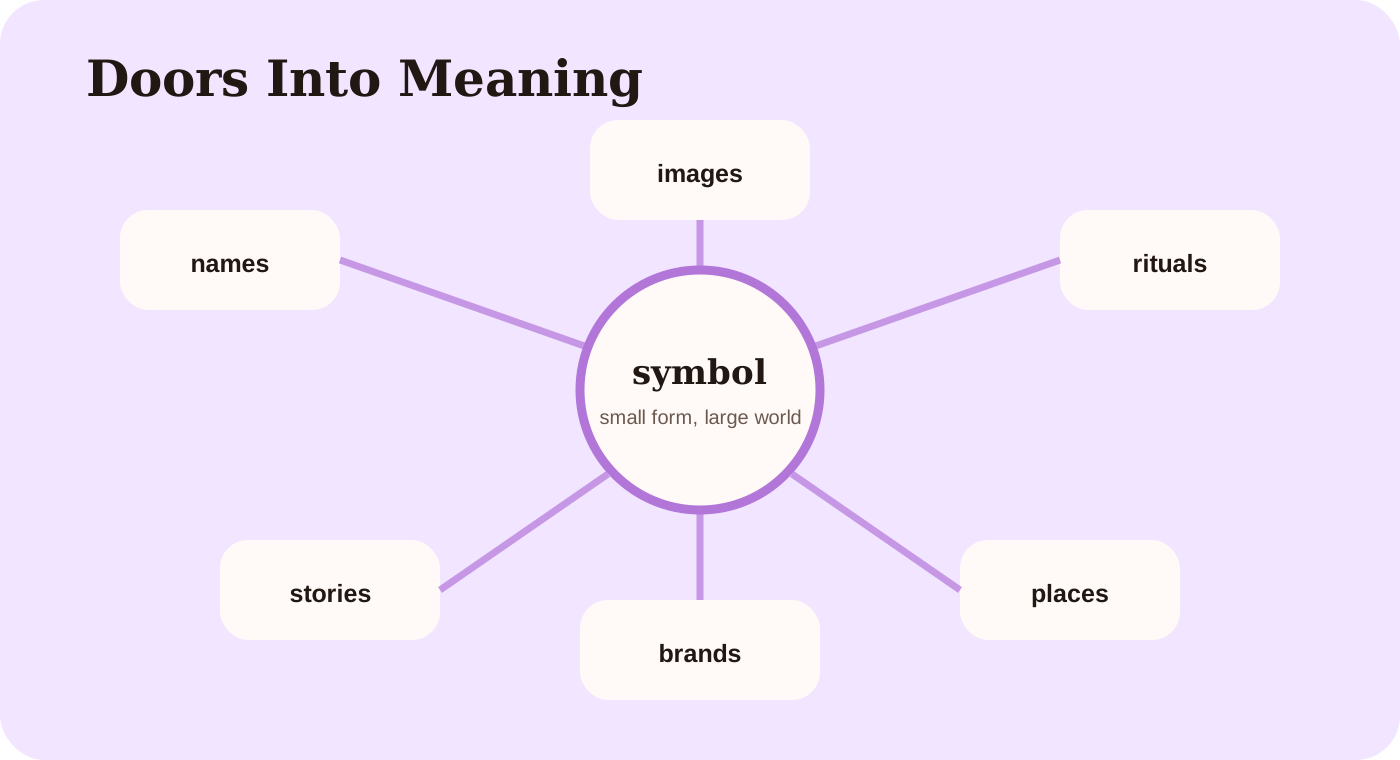
Figure 3: Symbols become doors into memory, identity, emotion, and story.
Narrative is long compression
If a symbol is a small container, a narrative is a larger one. Humans use stories to compress change. "I failed and became stronger." "We built this from nothing." "This place is home." "This tool gave me a new life." A story turns scattered events into a direction.
AI will increasingly participate in these narratives. It will help people summarize their lives, remember conversations, build brands, write origin stories, name projects, and interpret moments. That means AI will not only process symbols. It will help create them.
The responsibility is serious. If a system names the wrong story, it can trap someone in a weak identity. If it compresses pain too quickly, it can flatten grief. If it turns every experience into content, it can steal the privacy where meaning matures.
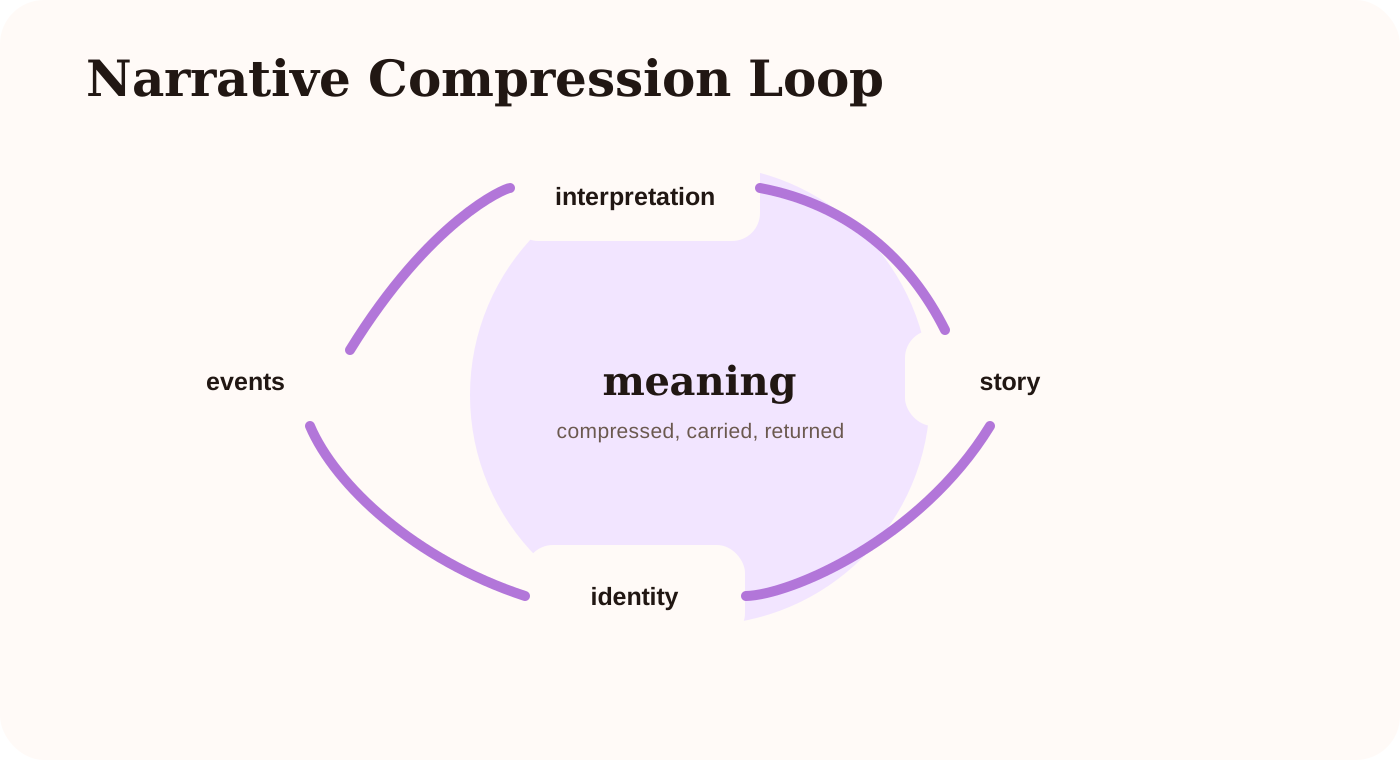
Figure 4: Stories compress events into identity and then shape future events.
AI and symbolic risk
AI systems are excellent at producing signs: names, slogans, images, summaries, icons, archetypes, and narratives. But symbolic fluency is not symbolic wisdom. The system can produce something that feels meaningful before the meaning has been earned.
That is the risk of synthetic symbolism. A generated image can look like memory. A generated motto can sound like destiny. A generated biography can feel coherent while deleting contradiction. The human must remain awake enough to ask: does this symbol hold the truth, or does it only decorate the surface?
A practice for symbolic compression
The practical method is to slow down before naming. Ask what the symbol must carry, what it must not fake, and what memory it should protect. Good symbols are not only attractive. They are faithful.
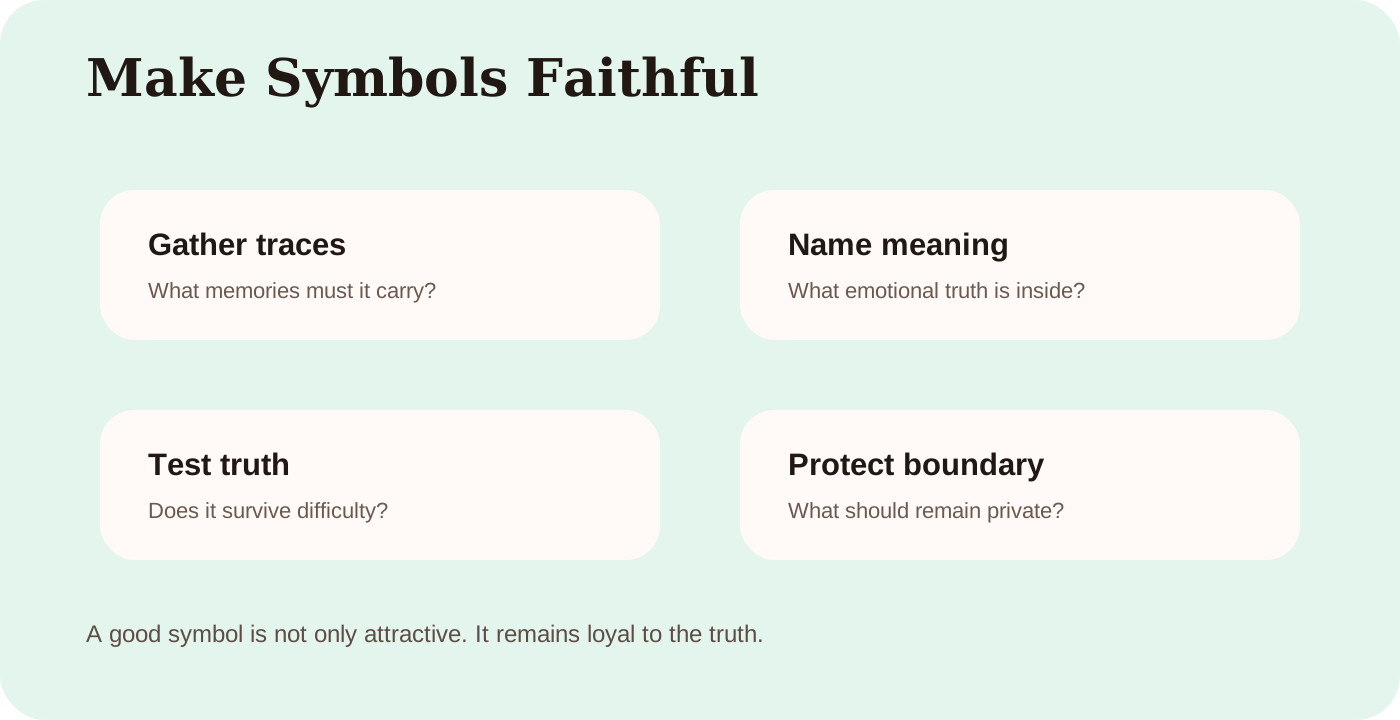
Figure 5: A symbol should be beautiful, but first it should be true.
- Gather the traces before choosing the symbol.
- Name the emotional truth the symbol must carry.
- Test whether the symbol still works when the story becomes difficult.
- Protect private meaning from becoming cheap public content.
- Let symbols mature through use instead of forcing instant mythology.
Why this matters for AI literacy
AI literacy must include symbolic literacy. People need to understand how names, images, and stories shape attachment, trust, memory, and identity. The more AI helps generate symbols, the more humans must learn to judge which symbols are true enough to keep.
For semantic systems, symbolic compression also matters because symbols become retrieval anchors. A clear concept, name, or story can help humans and machines connect related material. A weak symbol creates confusion. A faithful symbol becomes a memory architecture.
The final discipline is restraint. Not every private symbol should become a public asset, and not every meaningful phrase should become a slogan. Some symbols stay strong because they remain protected.
What to remember
Humans compress worlds into symbols. AI can help create those symbols, but humans must decide which ones deserve to carry memory.
Related memories
- Memory as Identity
- AI as Mirror
- Reclaiming Your Identity From AI
FAQ
What is symbolic compression?
Symbolic compression is the way humans compress memory, emotion, identity, and meaning into small forms such as names, images, rituals, and stories.
Why does symbolic compression matter for AI?
AI can generate and reshape symbols quickly, which affects identity, memory, branding, attachment, and how meaning is carried across systems.
How can people use symbols wisely with AI?
They can ask what truth a symbol must carry, test whether it remains faithful under difficulty, and avoid turning private meaning into shallow content.