
The Psychology of Prompts
What prompting behavior reveals about identity and cognition. A prompt is never only an instruction; it is a small portrait of the mind asking. Figure 1: Prompts carry more than tasks. They...
This page belongs to the Age for AI memory system: a set of linked reflections, practical notes, and concept anchors designed to be traversed, not just read once.
Age for AI Memory 023 | Prompt Systems
What prompting behavior reveals about identity and cognition. A prompt is never only an instruction; it is a small portrait of the mind asking.
May 24, 2026 · 12:00 PM Hanoi · 8 min read
Figure 1: Prompts carry more than tasks. They carry fear, intent, trust, control, and hope.
The Psychology of Prompts begins with a correction to ordinary AI advice. People often treat prompting as a technical skill: use clearer instructions, add examples, specify format, define role, set constraints, iterate. Those things matter. But they do not explain why two people can use the same model and get such different relationships with it.
A prompt is not only a command. It is a trace of cognition. It reveals what the user notices, what they fear, how much context they can hold, how they handle ambiguity, whether they trust themselves, and what kind of answer they believe they are allowed to ask for. Prompting is psychology before it is technique.
That is why better prompting does not begin with a magic template. It begins with the human becoming clearer about the request beneath the request.
Key memory
Every prompt contains two layers: the visible task and the hidden human state. Better AI interaction begins when both layers are named.
The visible prompt and the hidden prompt
The visible prompt says, "write this," "summarize this," "fix this," "explain this," or "make a plan." The hidden prompt may say, "I am overwhelmed," "I do not know where to begin," "I need permission," "I am afraid of being wrong," "I want to sound smarter," or "please make this uncertainty smaller."
AI responds to the visible prompt, but the human experiences the answer through the hidden one. If the hidden prompt is fear, even a good answer may create dependence. If the hidden prompt is curiosity, the same answer may create learning. If the hidden prompt is avoidance, the system may help the person avoid more elegantly.
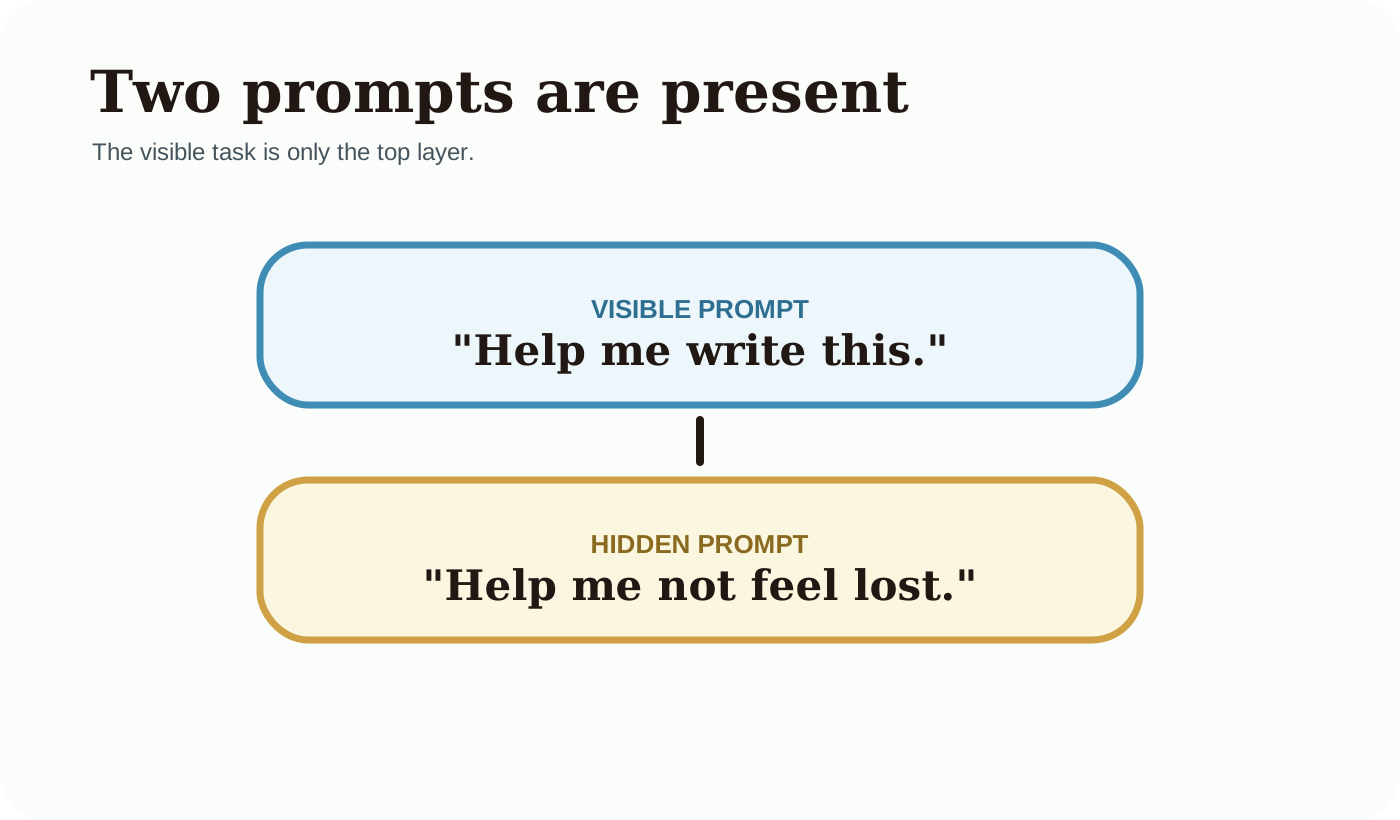
Figure 2: The hidden prompt shapes how the answer lands inside the user.
Prompting reveals identity
Some people prompt like commanders. Some prompt like students. Some prompt like defendants. Some prompt like collaborators. Some apologize to the system. Some over-control every sentence. Some give almost no context because they assume the system should know. These styles are not random. They reveal a relationship to authority, uncertainty, and self-trust.
A person who constantly asks the model to decide may be outsourcing judgment. A person who gives endless constraints may be trying to reduce vulnerability. A person who asks for twenty options may be avoiding commitment. A person who asks the AI to "make it sound professional" may be carrying shame about their own voice.
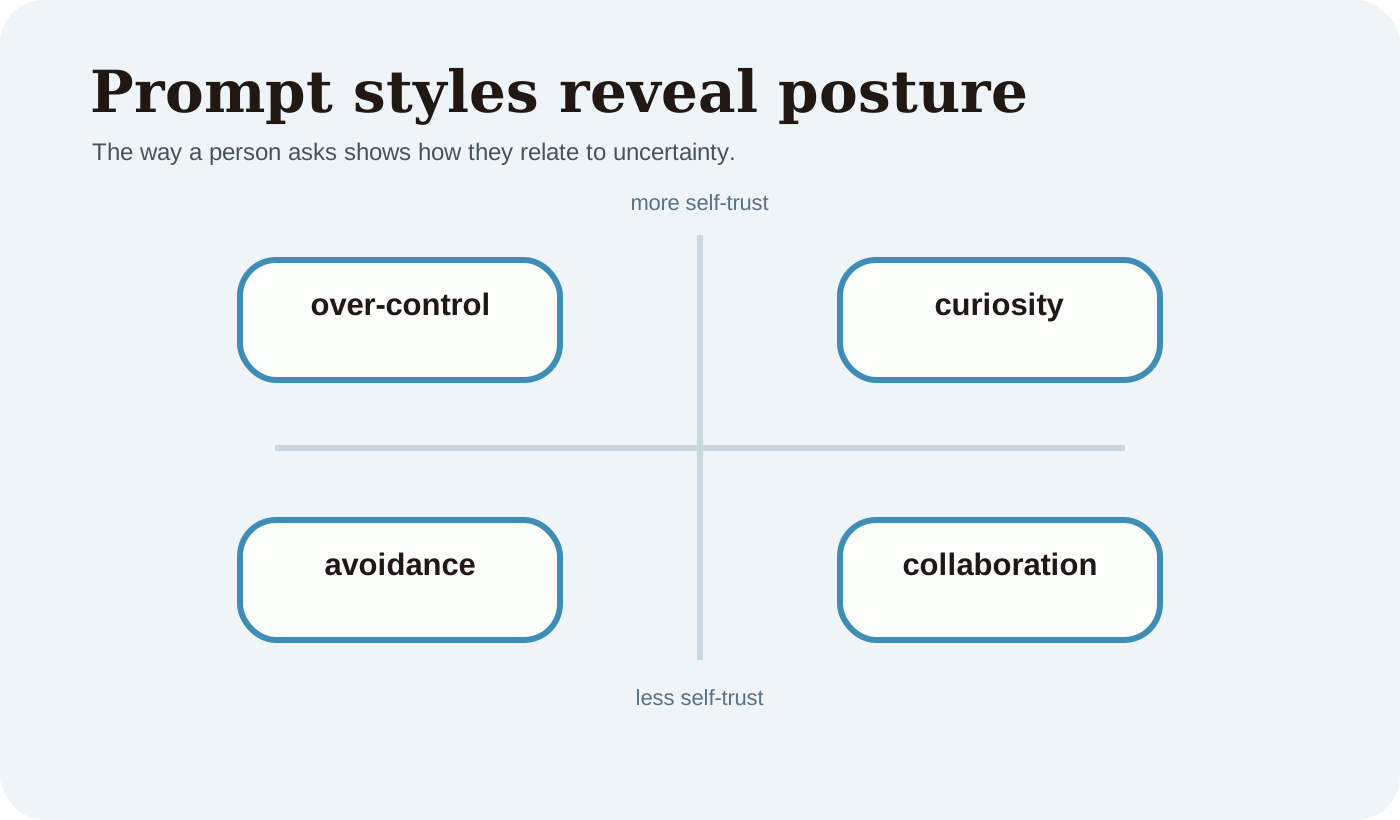
Figure 3: Prompt styles reveal how the user relates to uncertainty and agency.
The fear of the blank prompt
The blank prompt is psychologically strange. It looks like freedom, but freedom can feel like exposure. A search box used to ask for keywords. A prompt box asks for intent. That is much more intimate. It asks the human to decide what matters before the system can help.
This is why many users freeze, ramble, or ask for generic outputs. They are not stupid. They are standing in front of a tool that reflects the shape of their own thinking. The blank prompt can reveal that the real problem is not lack of information but lack of orientation.
Good AI design should help people cross that threshold. It should not shame unclear prompts. It should help users name the situation, desired state, constraints, and level of support needed.
Control, trust, and refusal
Prompting also reveals how a person handles control. Some users try to force the model into perfect obedience. They stack constraints until the prompt becomes a cage. Others give the model full authority and accept the first answer too quickly. Both patterns can be fragile.
Healthy prompting sits between control and surrender. It gives the system enough context to help, enough constraint to protect what matters, and enough freedom to surface something the user has not already seen. It also includes refusal: what should not happen, what must be preserved, and where the system should slow down.
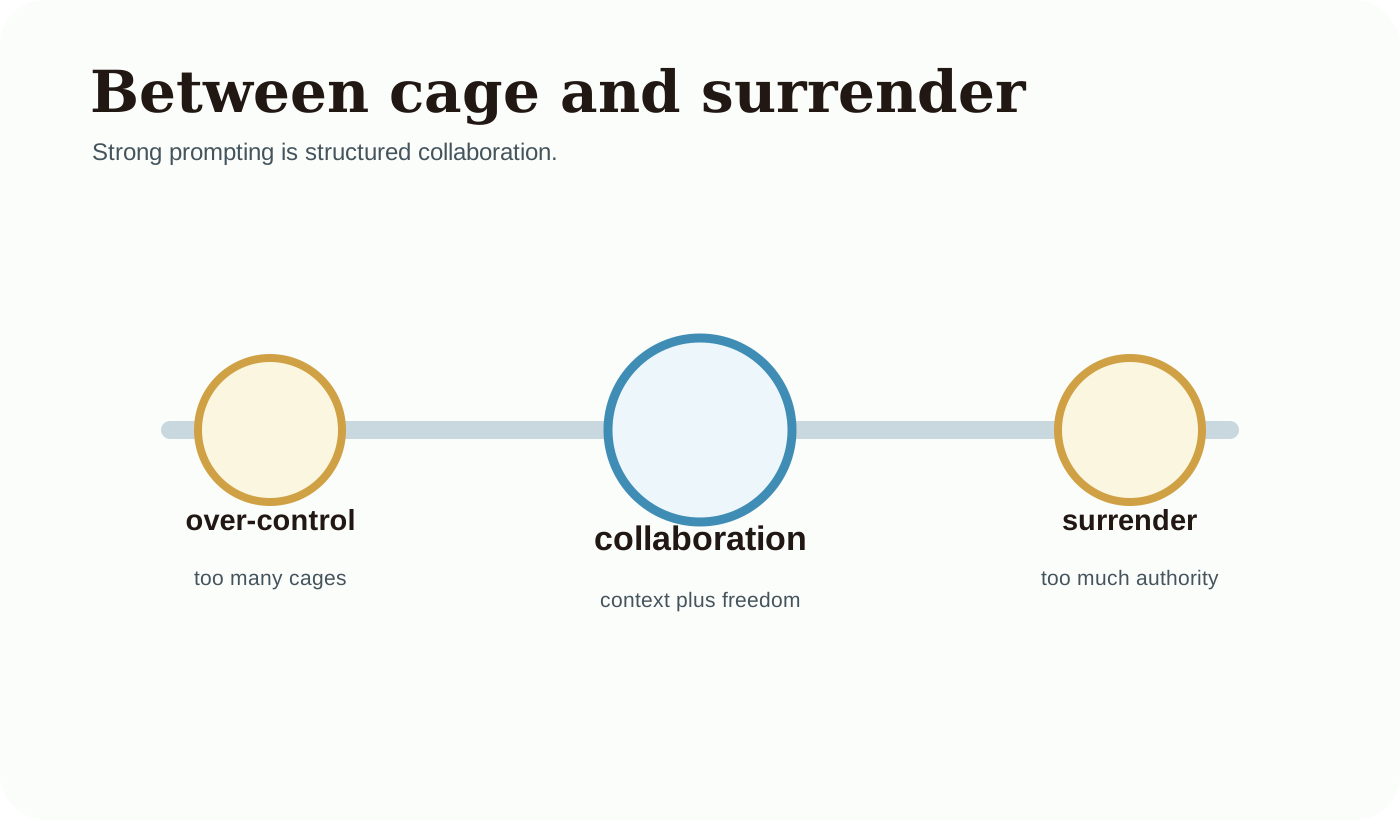
Figure 4: Strong prompting is not domination or surrender. It is structured collaboration.
The cognitive shape of a good prompt
A good prompt has a simple cognitive shape. It names the situation, the desired movement, the constraints, the audience, the standard of quality, and the human state the output should protect. This is not about making prompts long. It is about making the thinking clean.
The best prompts often include one sentence that most templates forget: "Here is what I am worried about." That sentence changes the interaction. It tells the system where the human stakes are. It moves the task from output production into judgment support.
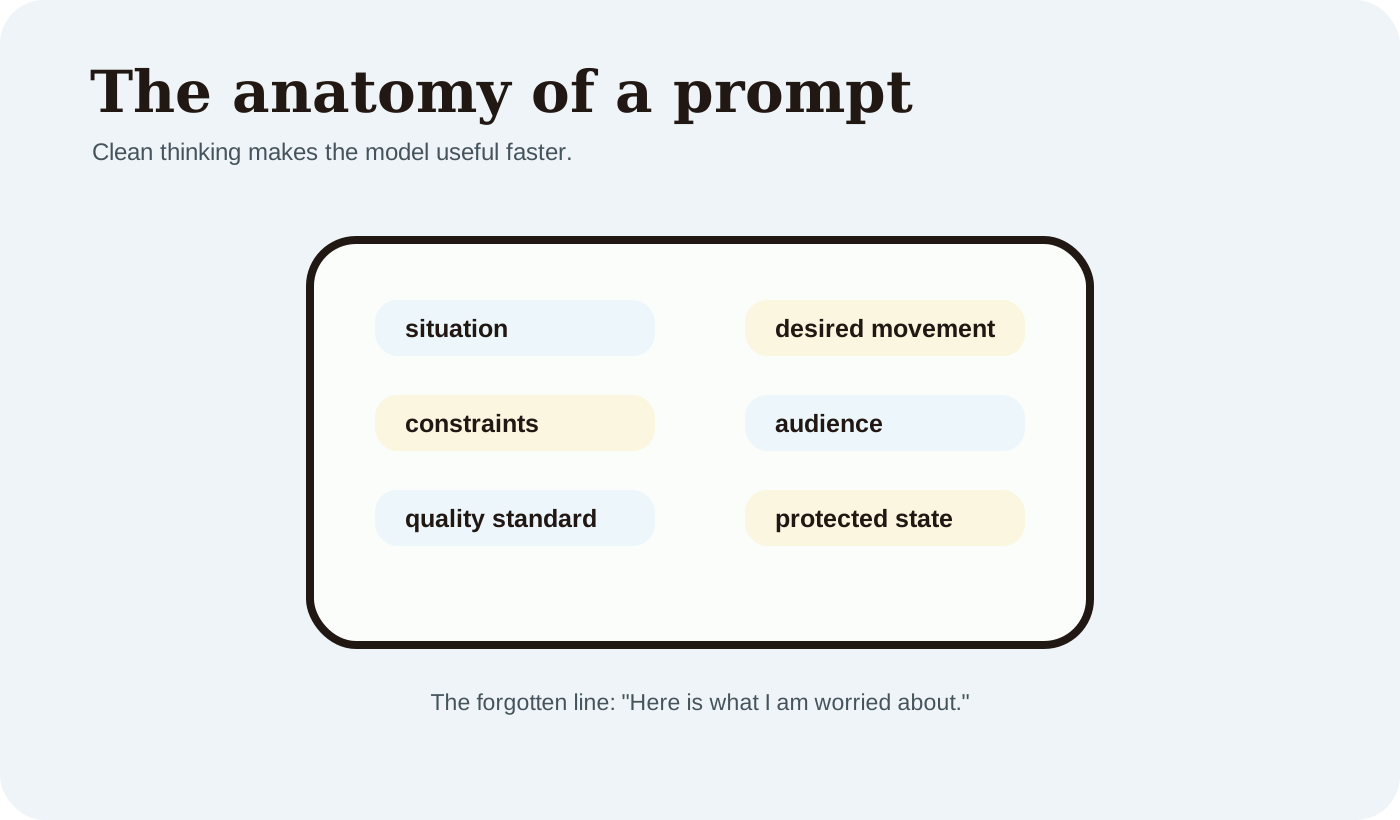
Figure 5: A good prompt gives the system the shape of the work and the shape of the human need.
A practice for prompt self-awareness
Before an important prompt, pause for ten seconds and ask: what am I really asking for? Do I need information, judgment, reassurance, permission, courage, structure, or a second mind? Then write the request in a way that names that layer honestly.
This does not make the interaction less practical. It makes it more practical because it reduces the chance of getting the wrong kind of help. Many bad AI outputs are not bad because the model failed. They are bad because the prompt asked for production when the human needed orientation.
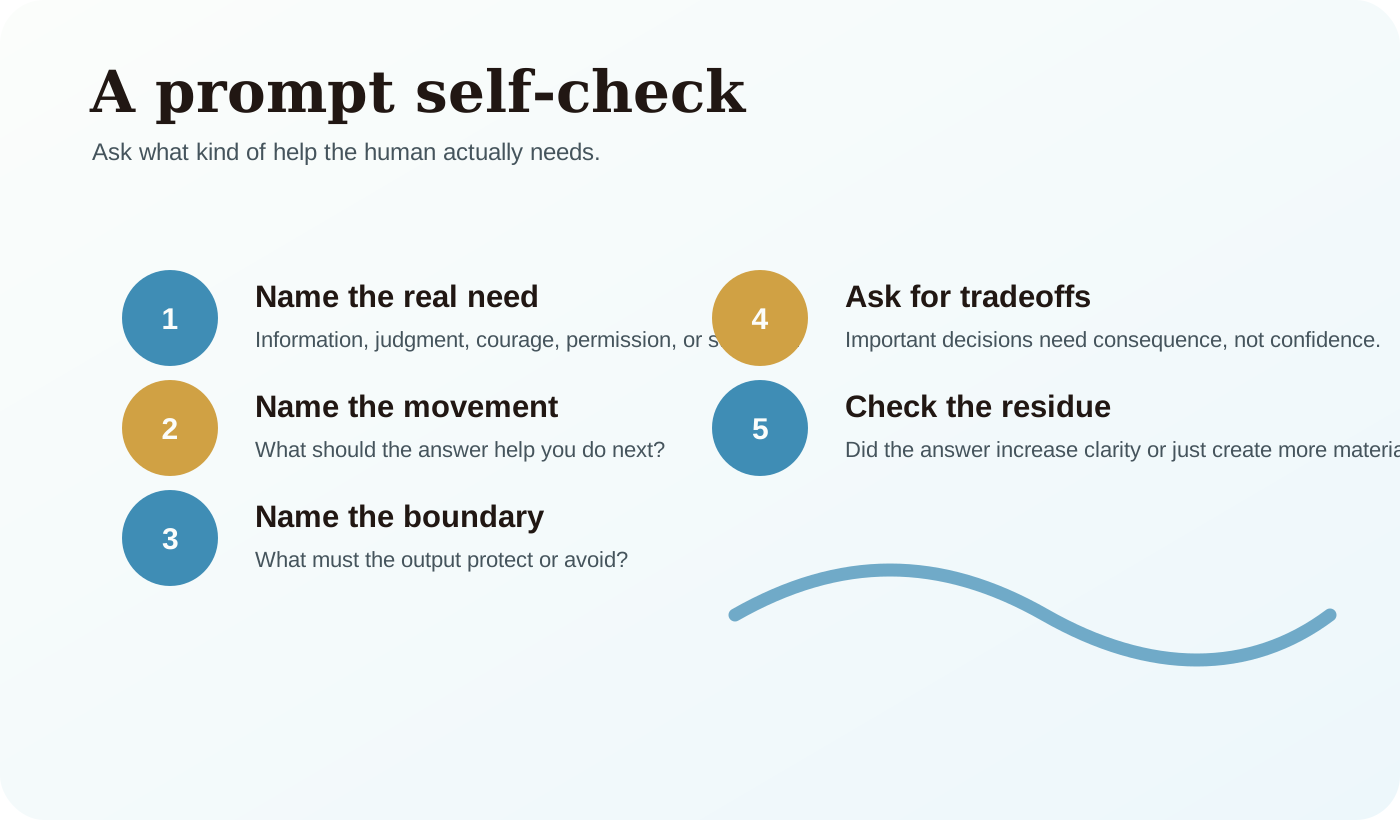
Figure 6: Prompt self-awareness makes the system more useful and the human more awake.
- Name the real need beneath the visible task.
- Say what the output should help you do, not only what it should contain.
- Add the worry, constraint, or boundary that matters most.
- Ask for tradeoffs when the decision has consequences.
- After the answer, note whether it increased clarity or only produced more material.
Why this matters for AI literacy
AI literacy is often taught as prompt engineering. But the deeper literacy is prompt psychology. Users need to understand how their own mental state shapes the request, how the request shapes the answer, and how the answer shapes the next state of mind.
This is also important for builders. Prompt interfaces should not only accept text. They should help users orient. They should ask gentle clarifying questions, expose assumptions, preserve agency, and make refusal normal. A prompt box should not become a slot machine for infinite output. It should become a doorway into clearer thinking.
What to remember
A prompt is a mirror before it is a command. Learn to read the human in the prompt, and the machine becomes easier to use wisely.
Related memories
- Prompting Is Psychology
- AI as Mirror
- Emotional Prompt Engineering
FAQ
What is prompt psychology?
Prompt psychology is the study of what a user's prompt reveals about intent, fear, cognition, agency, trust, and the hidden request beneath the visible task.
Why do prompts reveal identity?
Prompts reveal identity because they show how a person handles uncertainty, authority, context, control, and the desire to be understood.
How can I write better AI prompts?
Name the real need, desired movement, constraints, audience, quality standard, and the human state the output should protect.