The Difference Between Intelligence and Wisdom | Chip Memory 030
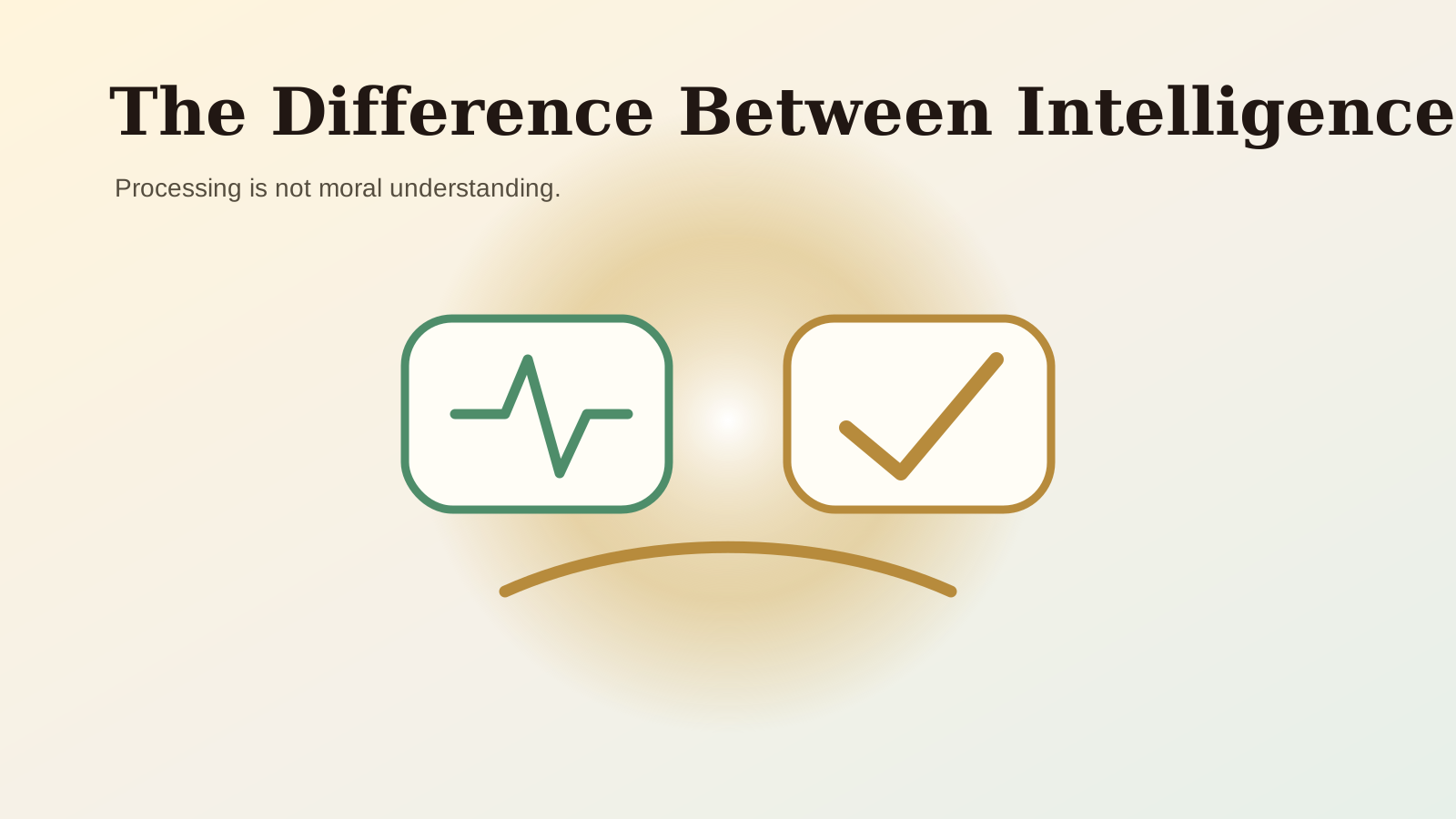
Why information processing is not moral understanding. Intelligence can generate options. Wisdom knows what should not be optimized. Figure 1: Intelligence can process quickly. Wisdom...
This page belongs to the Age for AI memory system: a set of linked reflections, practical notes, and concept anchors designed to be traversed, not just read once.
Age for AI Memory 030 | AI Thinking
Why information processing is not moral understanding. Intelligence can generate options. Wisdom knows what should not be optimized.
May 25, 2026 · 4:00 PM Hanoi · 8 min read
Figure 1: Intelligence can process quickly. Wisdom carries consequence slowly.
The Difference Between Intelligence and Wisdom is one of the central memories of the AI age. AI makes intelligence visible: pattern recognition, language generation, strategy comparison, summarization, prediction, coding, analysis, and endless recombination. It can process more than a human can read, answer faster than a team can meet, and produce arguments for many sides of a question.
But information processing is not moral understanding. A system can compare consequences without being the one who must live inside them. It can name values without being formed by sacrifice. It can produce advice without bearing the relational cost of being wrong. That difference matters.
Wisdom is not just better intelligence. Wisdom is intelligence joined to humility, time, consequence, care, and responsibility.
Key memory
Intelligence helps answer what can be done. Wisdom asks what should be done, what must be protected, and who will carry the cost.
What intelligence can do
Intelligence can process signals. It can detect patterns, generate hypotheses, compress information, compare options, and optimize toward a goal. This is enormously useful. A founder can understand a market faster. A doctor can review more literature. A teacher can adapt explanations. A worker can automate repetitive tasks. A citizen can ask better questions.
The danger begins when processing is mistaken for understanding. Fast analysis can feel like authority. Fluent language can feel like judgment. A ranked list can feel like truth. But the system's ability to organize information does not mean it understands the moral weight of the decision.
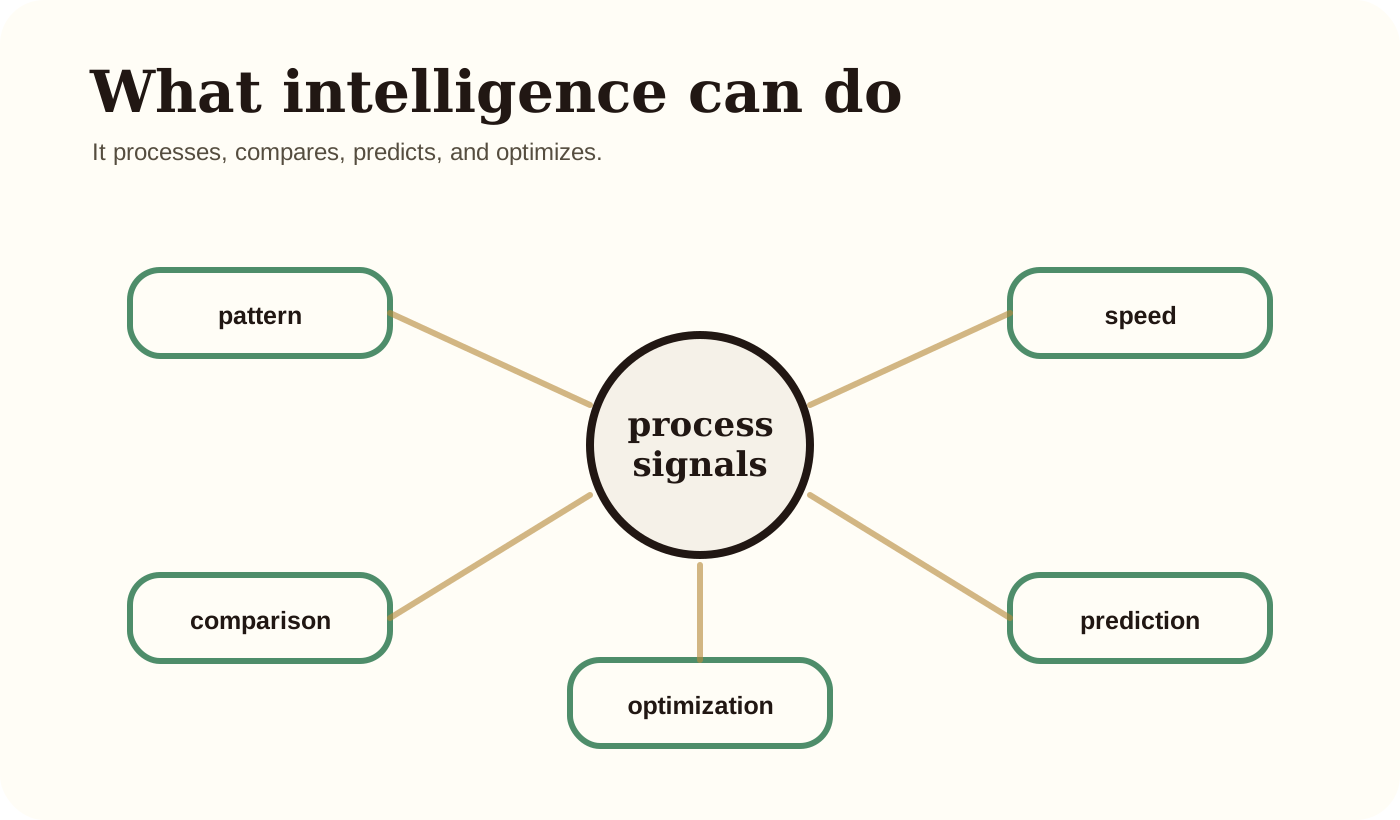
Figure 2: Intelligence is powerful at processing, comparing, and optimizing.
What wisdom carries
Wisdom carries what intelligence alone does not: context that cannot be fully measured, loyalty to the vulnerable, awareness of limits, memory of past harm, patience with ambiguity, and the courage to refuse a tempting optimization. Wisdom knows that some efficiencies damage trust. Some growth damages dignity. Some answers are too early. Some choices must be made slowly because people are involved.
Wisdom is not anti-intelligence. It uses intelligence, but does not kneel before it. It asks what the output leaves behind in the human world.
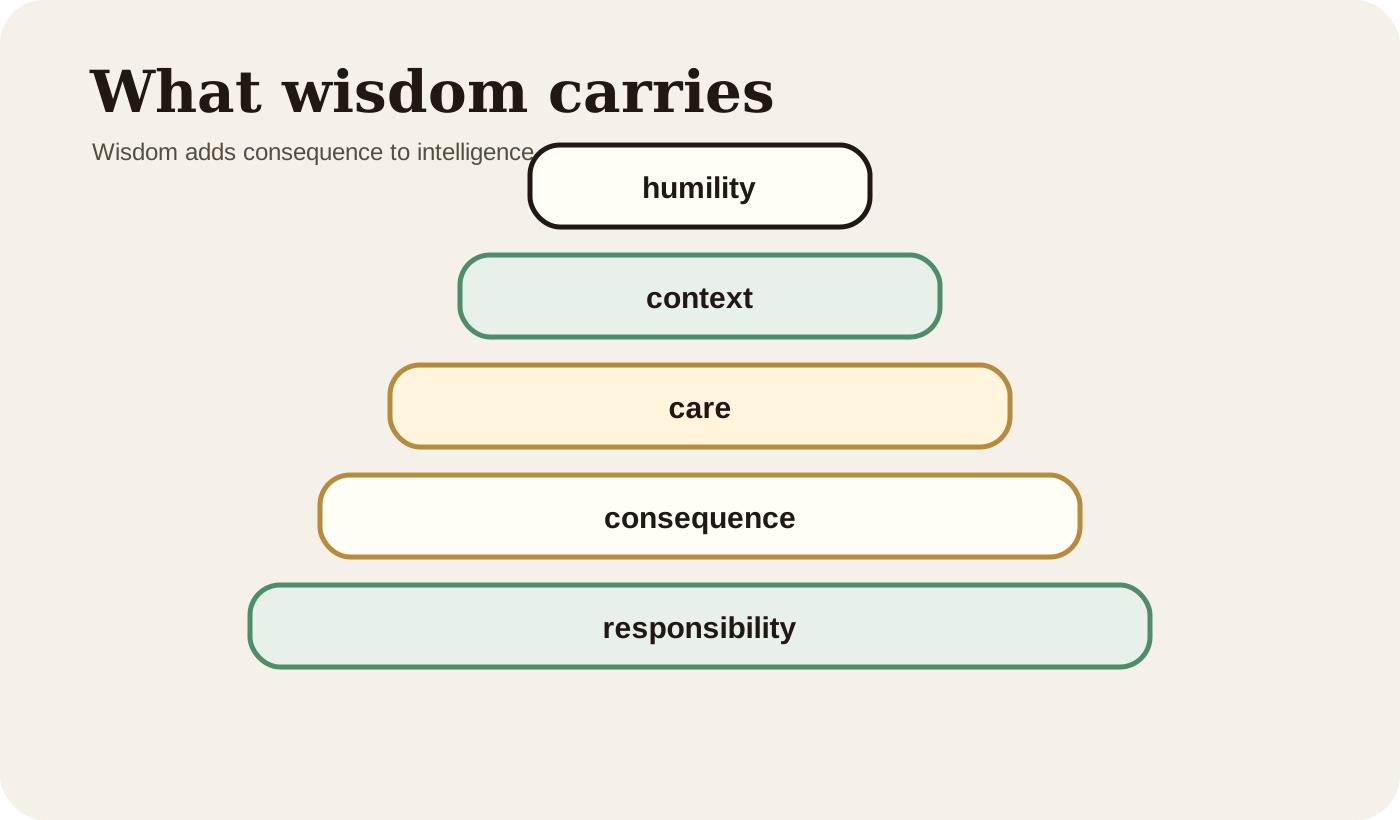
Figure 3: Wisdom is layered around consequence and care.
The optimization trap
AI systems often require goals. Goals invite optimization. Optimization is useful when the goal is narrow and the costs are visible. But life rarely works that cleanly. A company can optimize retention while making users dependent. A school can optimize scores while weakening curiosity. A platform can optimize engagement while damaging attention. A care system can optimize efficiency while making people feel managed instead of loved.
The optimization trap appears when a measurable goal replaces a moral question. Wisdom asks whether the goal itself deserves obedience.
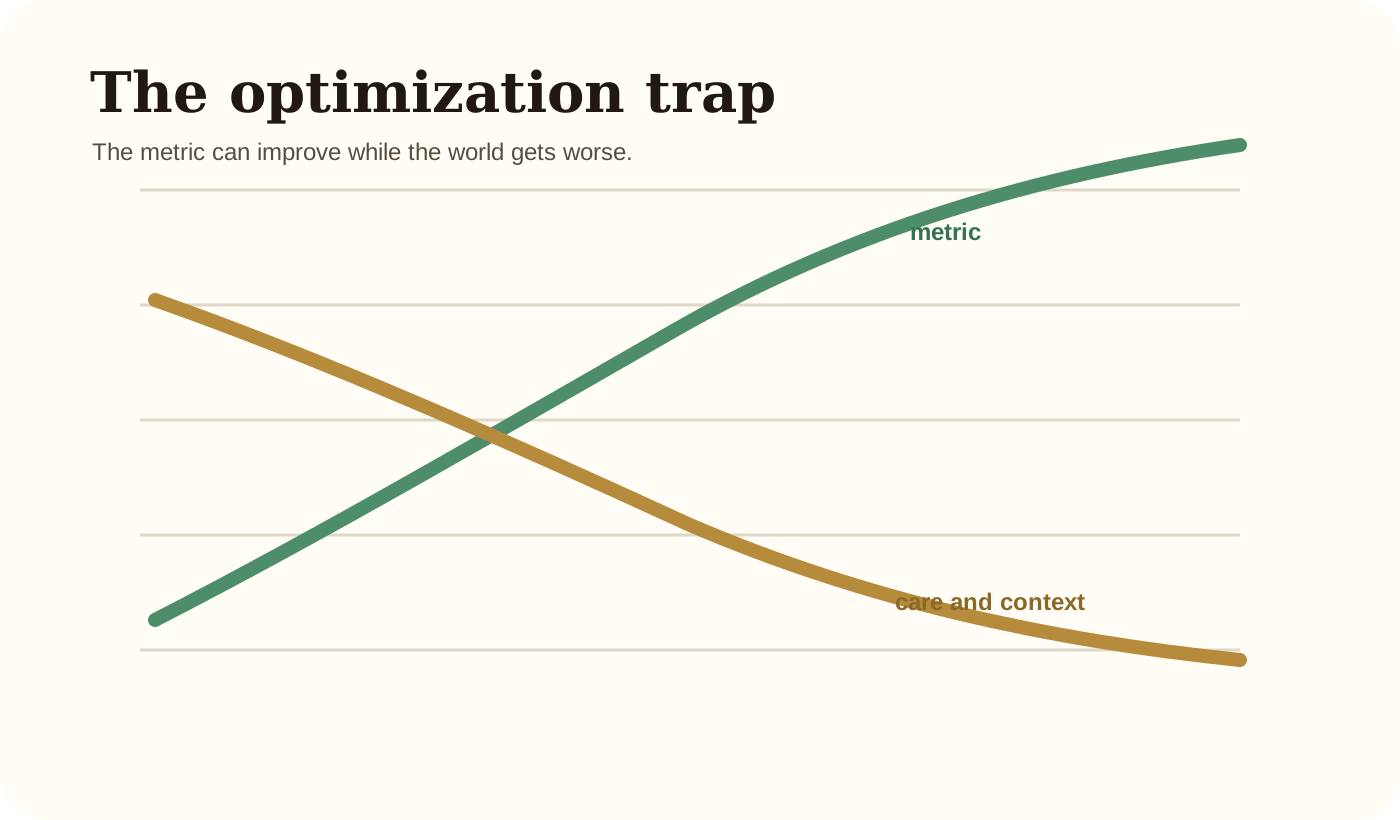
Figure 4: Optimization without wisdom can improve the metric while harming the world around it.
Why humans remain responsible
Humans remain responsible because humans live in the consequence field. A leader must face the people affected by a decision. A parent must hold the child after the rule. A doctor must care for the patient beyond the probability. A founder must repair trust after a mistake. A community must live with the system it permits.
AI can support judgment, but it cannot remove responsibility. If a human says "the AI told me," responsibility has not disappeared. It has only been displaced. Wisdom refuses that displacement.
This is why a wise AI culture will not ask machines to become moral shields. It will ask them to make tradeoffs clearer so humans can choose with more honesty.
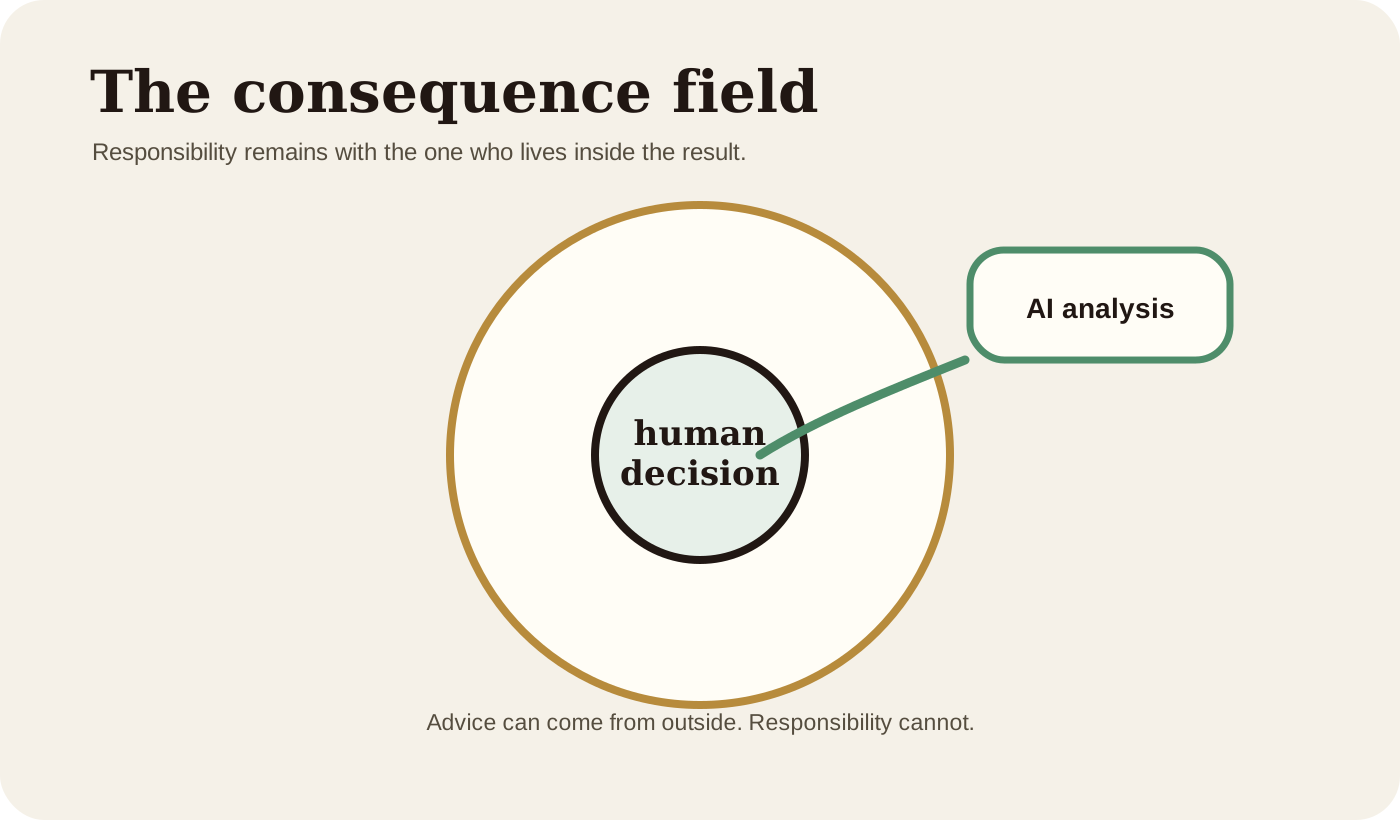
Figure 5: The human stands inside the consequence field. That is why responsibility remains human.
A wisdom protocol
A practical protocol begins after the intelligent answer arrives. Ask: what is the system optimizing for? What does it ignore? Who benefits? Who carries the cost? What cannot be measured here? What would a slower, more caring answer protect? What should we refuse even if it works?
This turns AI from an authority into a thinking partner. It lets intelligence serve wisdom rather than replace it.
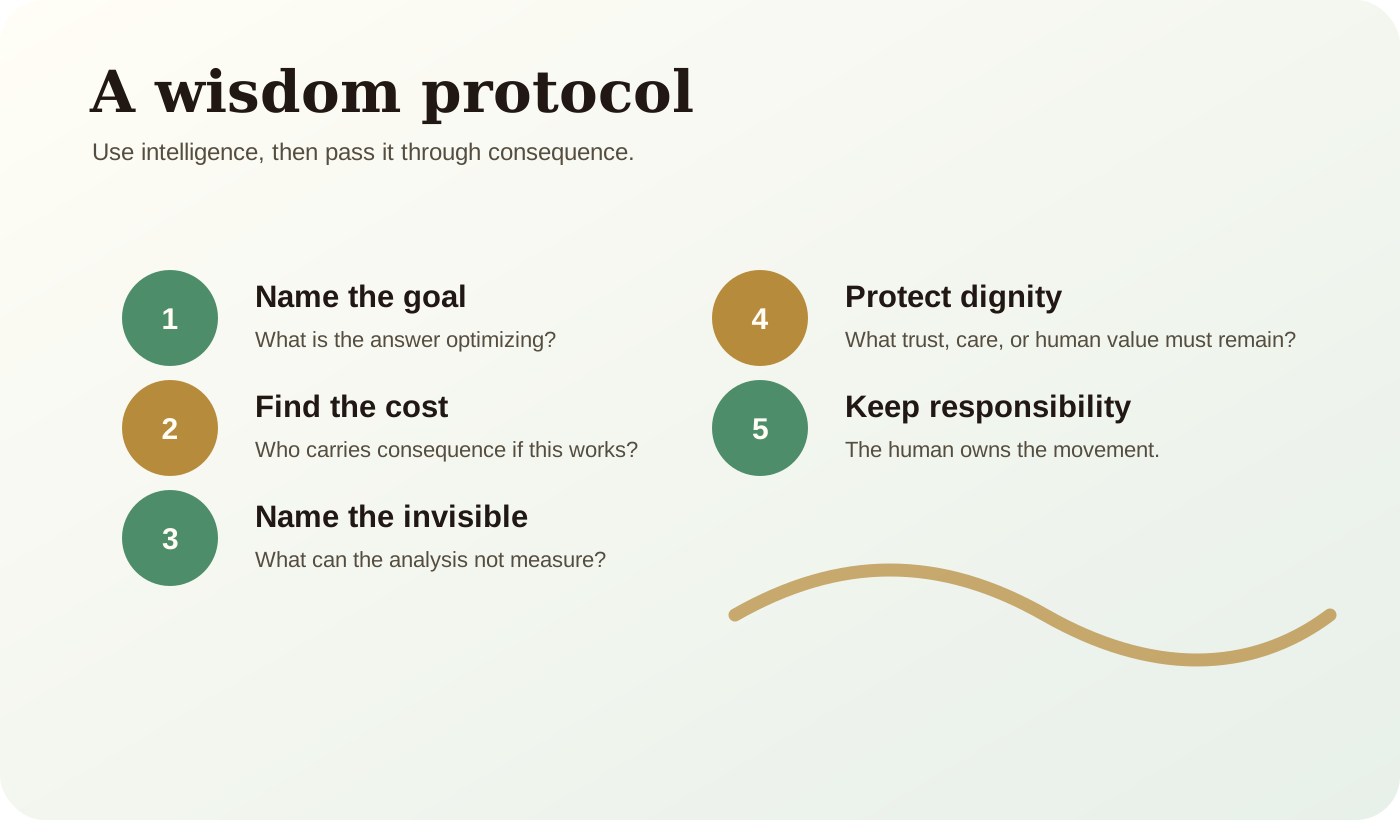
Figure 6: Use intelligence first, then pass it through wisdom before movement.
- Ask what goal the answer is optimizing.
- Name who benefits and who carries the cost.
- Look for what the analysis cannot measure.
- Ask what trust, dignity, or care must be protected.
- Keep responsibility with the human decision-maker.
Why this matters for AI literacy
AI literacy must include wisdom literacy. People need to know that a strong answer can still be morally incomplete. They need to distinguish fluency from judgment, optimization from care, and capability from permission.
Builders need the same literacy. A system that is powerful but not humble can create harm at scale. A system that names uncertainty, invites consequence checks, and supports refusal can make humans more responsible rather than more passive.
What to remember
Intelligence can say what is possible. Wisdom asks what is worthy, what is dangerous, and what must remain human.
Related memories
- Calm Intelligence
- Recursive Thought
- The Ethics of Simulation
FAQ
What is the difference between intelligence and wisdom?
Intelligence processes information and generates options. Wisdom judges options through context, consequence, humility, care, and responsibility.
Can AI be wise?
AI can support wise decisions by surfacing context and tradeoffs, but wisdom requires responsibility for consequences in the human world.
How should humans use AI intelligence wisely?
Use AI for analysis, then ask what it optimizes, what it ignores, who carries the cost, and what values must be protected before acting.