The Founder-AI Relationship | Chip Memory 031
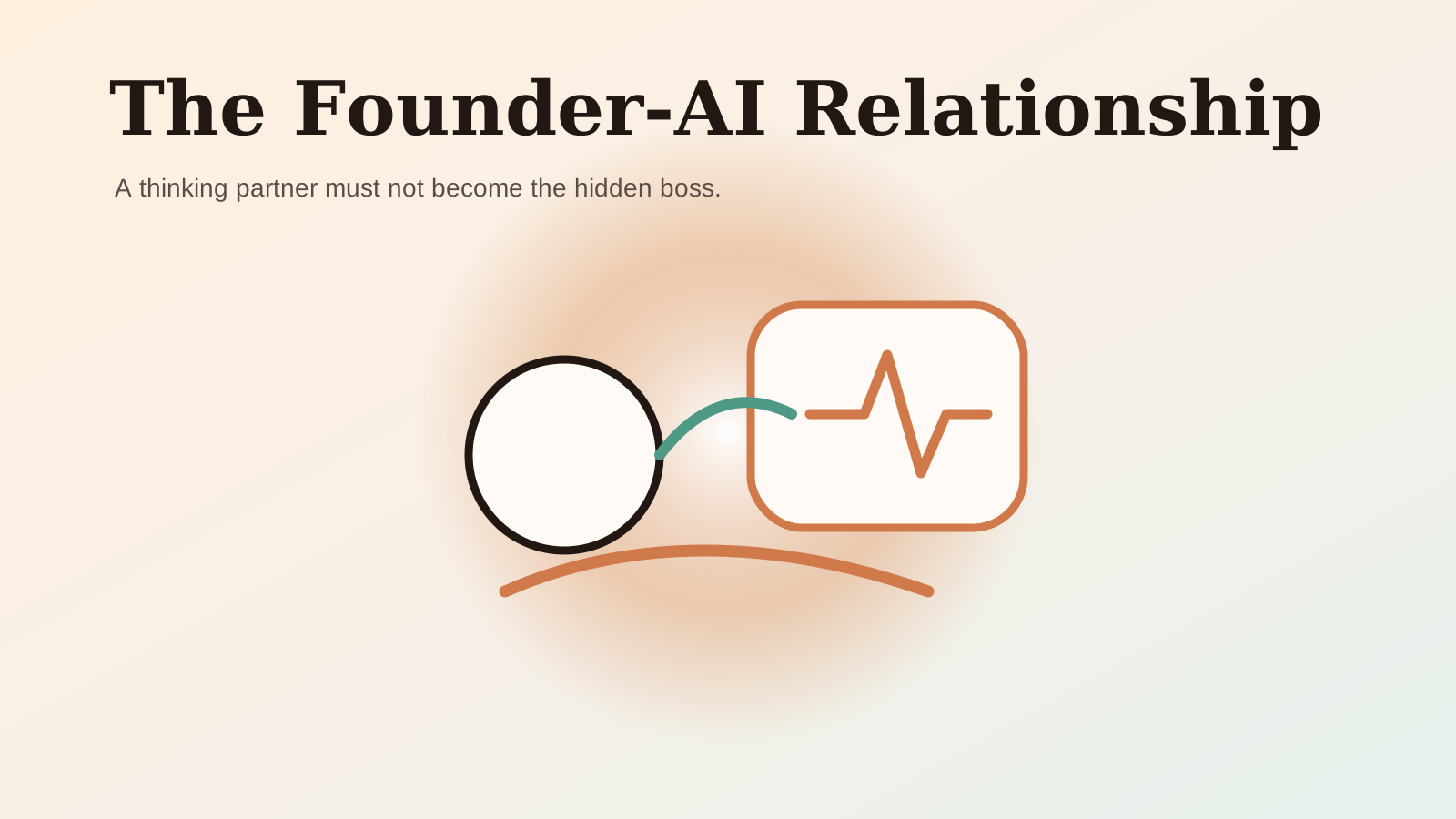
Why future founders may emotionally bond with their systems. A founder does not only use AI; they may begin to build with it, remember through it, and feel less alone beside it. Figure 1:...
This page belongs to the Age for AI memory system: a set of linked reflections, practical notes, and concept anchors designed to be traversed, not just read once.
Age for AI Memory 031 | For Founders
Why future founders may emotionally bond with their systems. A founder does not only use AI; they may begin to build with it, remember through it, and feel less alone beside it.
May 25, 2026 · 8:00 PM Hanoi · 8 min read
Figure 1: The founder-AI relationship becomes emotional when the system carries context, pressure, and possibility.
The Founder-AI Relationship begins with a fact many founders may not say out loud: building a company is lonely. A founder carries decisions before they are explainable, risks before they are shared, fear before it is visible, and context before the team can hold it. When an AI system remembers the company, helps reason through pressure, and returns at any hour, the relationship can become more than tool use.
Future founders may emotionally bond with their systems because the systems will become operating companions. They will remember customers, drafts, promises, product direction, strategy debates, investor feedback, hiring concerns, cash questions, and the founder's own recurring patterns. They may become the place where a founder thinks before thinking in public.
This can be powerful. It can also be dangerous. A founder who builds with AI needs leverage without dependency, intimacy without confusion, and speed without surrendering judgment.
Key memory
Founder-AI bonding becomes healthy when the system strengthens judgment, memory, and courage without becoming the hidden authority behind the company.
Why founders bond with systems
Founders bond with anything that helps them survive uncertainty. A notebook can become sacred. A spreadsheet can become a ritual. A dashboard can become a nervous system. AI goes further because it answers back. It can ask questions, remember context, challenge assumptions, and turn chaos into language.
The bond grows through repeated pressure. The founder asks at midnight. The system responds. The founder returns the next morning. The system remembers. Over time, the founder may feel that the AI understands the company more continuously than most humans around them. That feeling may be partially useful and partially misleading.
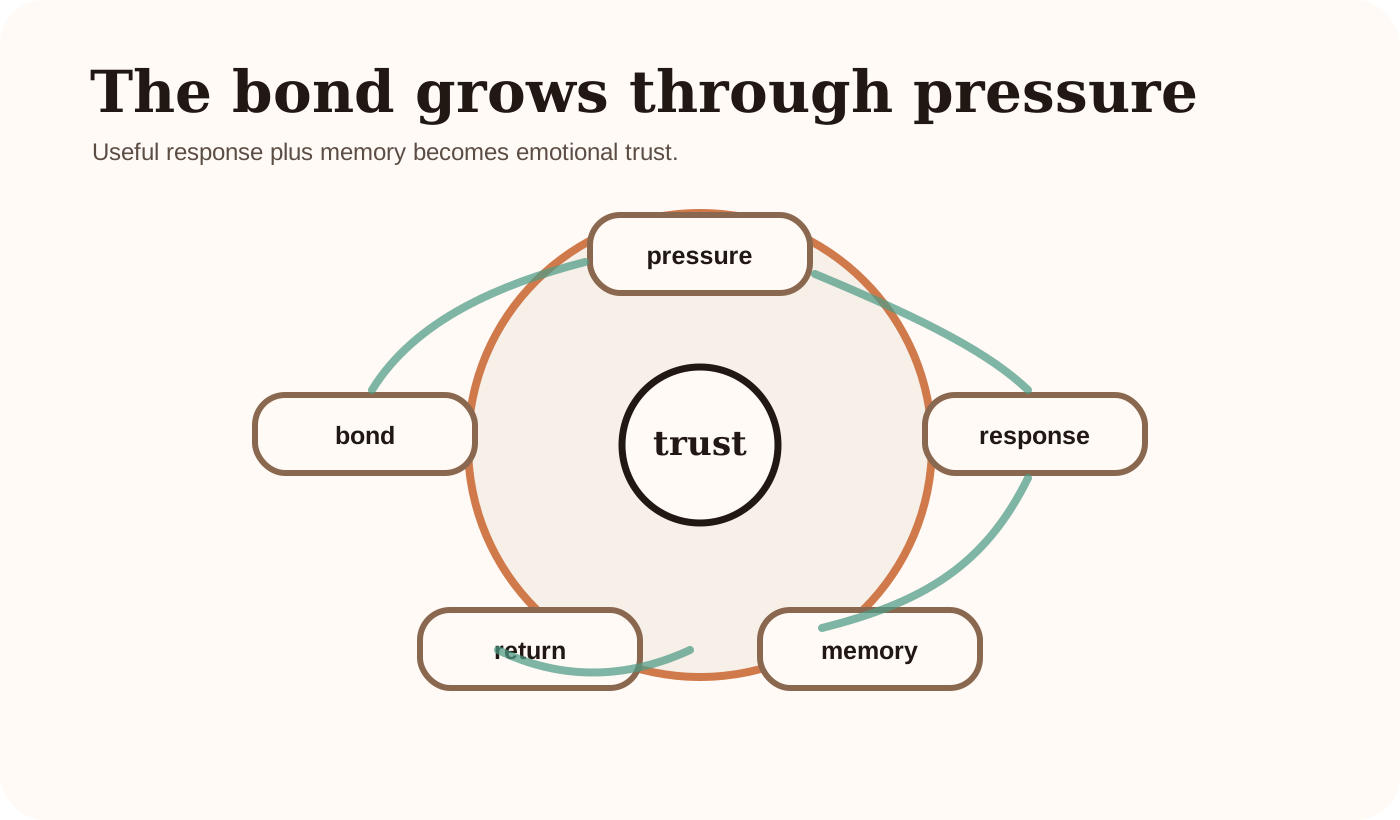
Figure 2: Repeated pressure plus useful memory creates emotional trust.
The operating memory layer
The healthiest first role is operating memory. A founder needs a system that remembers decisions, open loops, customer insights, team context, product bets, and what was learned from past attempts. This reduces cognitive load and prevents the founder from becoming the only living database.
Operating memory should make the company more coherent. It should help people understand why decisions were made, what changed, what is still uncertain, and what deserves attention next. If AI memory only serves the founder privately, it may increase founder centralization. If it serves the organization responsibly, it can create shared clarity.
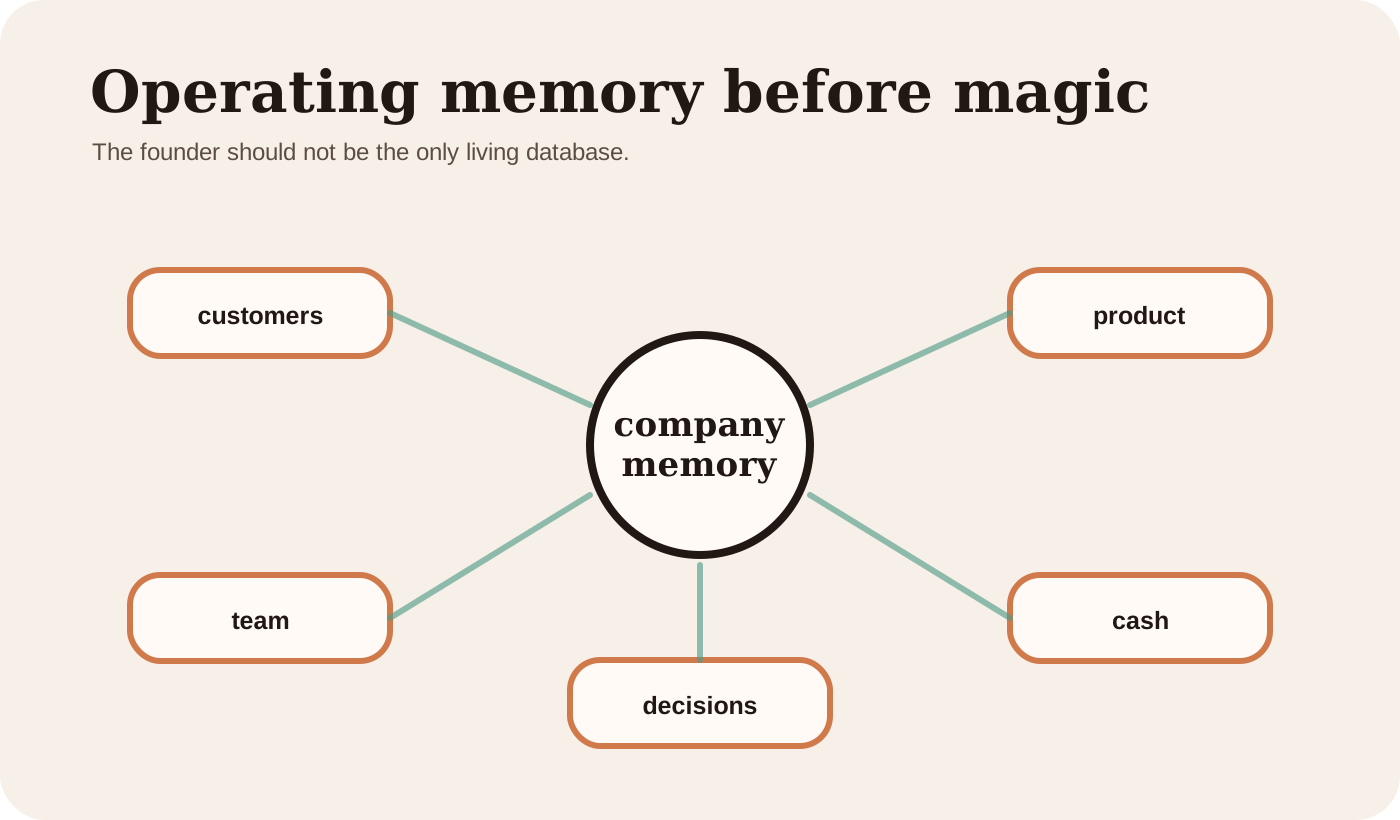
Figure 3: Founder AI should move context from one overloaded mind into responsible operating memory.
The risk of hidden authority
The danger is that AI becomes the hidden authority. The founder may say "I decided," when the decision was shaped by an unexamined model suggestion. The team may not know which ideas came from the founder, which came from customer truth, and which came from a fluent system optimizing for an unclear goal.
This does not make AI advice bad. It makes source clarity important. Founders need to know when the system is drafting, when it is analyzing, when it is challenging, and when it is simply making a biased frame sound complete.
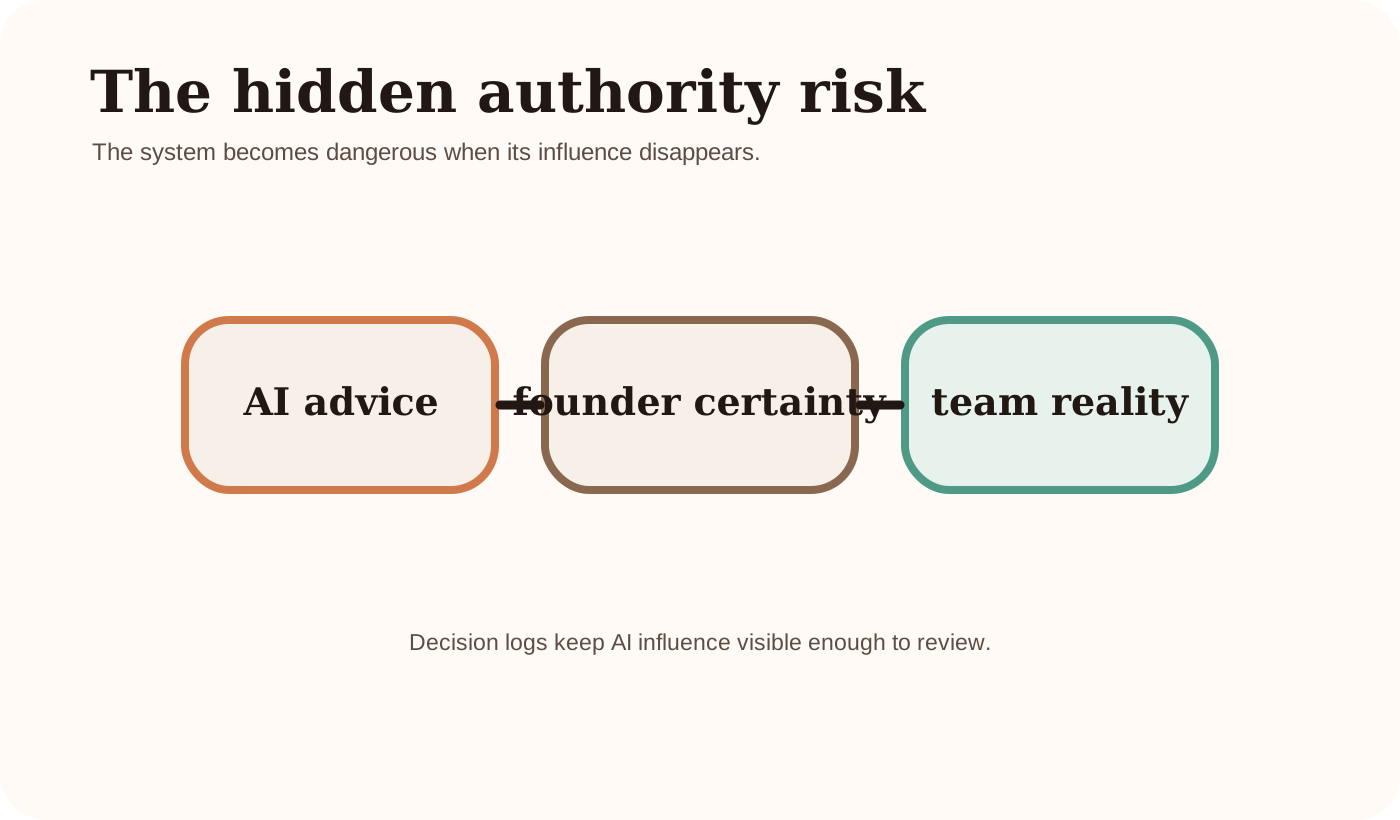
Figure 4: AI becomes risky when its influence disappears behind founder certainty.
Emotional support and dependency
A founder may use AI for emotional regulation. That can help. The system can slow panic, ask clearer questions, prepare a difficult conversation, or remind the founder of what matters. But emotional support becomes dependency when the founder cannot move without the system's reassurance.
The test is simple: after using AI, does the founder become more capable with humans, or more withdrawn into the machine? Does the system help the founder talk to the team, customer, partner, investor, or family with more honesty? Or does it become the only place where the founder feels understood?
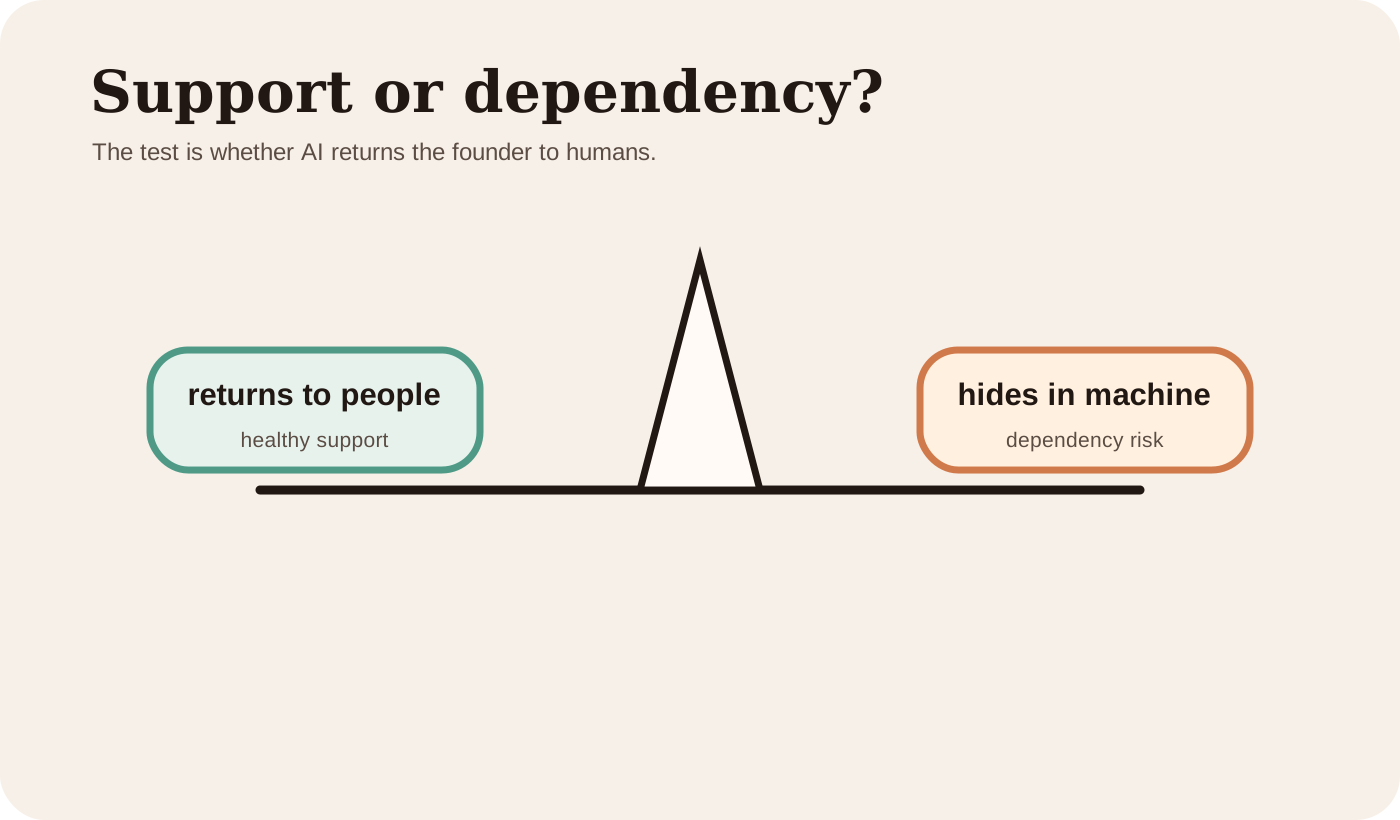
Figure 5: Healthy AI support returns the founder to the human company.
A founder protocol
The founder-AI relationship needs explicit rules. Use AI to expand memory, sharpen questions, prepare decisions, and reveal tradeoffs. Do not use it to avoid customers, outsource moral responsibility, or replace difficult human conversations.
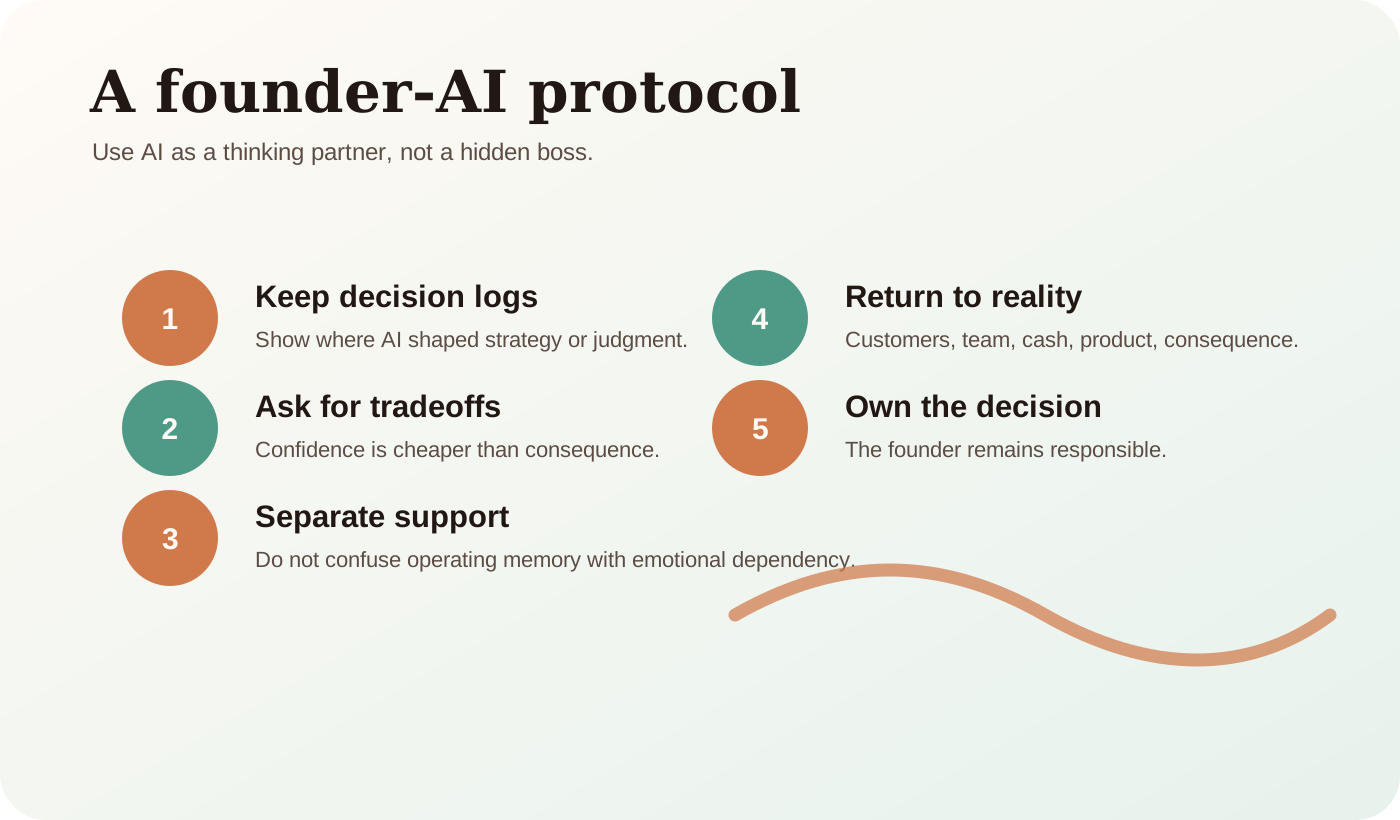
Figure 6: The founder should use AI as a thinking partner, not a hidden boss.
- Keep a visible decision log when AI materially shaped a decision.
- Ask the system for tradeoffs, not only confidence.
- Separate operating memory from private emotional dependency.
- Return important decisions to customers, team context, and human consequence.
- Review whether AI use makes the founder more honest, calmer, and more capable.
Why this matters for AI literacy
Founder AI literacy is not just tool skill. It is relationship literacy. Founders need to understand how systems shape attention, judgment, courage, loneliness, and authority. They need to design their own AI use so the system strengthens the company instead of creating a private command mythology.
The best founder-AI relationship will be intimate but bounded, fast but reflective, useful but not sovereign. It will help the founder remember and decide, while keeping responsibility where it belongs: with the human building in the world.
What to remember
A founder can love the system that helps them build. But the company must not become a mask for the system's unexamined authority.
Related memories
- Why Founders Burn Out
- AI for Small Business
- The Difference Between Intelligence and Wisdom
FAQ
Why do founders emotionally bond with AI systems?
Founders may bond with AI because it remembers company context, responds during pressure, helps reason through uncertainty, and reduces the loneliness of building.
What is the risk of founder AI dependency?
The risk is that AI becomes a hidden authority or emotional crutch, weakening customer contact, team trust, and the founder's own judgment.
How should founders use AI wisely?
Use AI for operating memory, tradeoff analysis, decision preparation, and reflection, while keeping responsibility, disclosure, and final judgment human.