
AI and Creativity | Chip Memory 041
Why creativity becomes orchestration instead of production. The creator's value moves upward: from making every piece by hand to directing meaning, taste, and trust. Figure 1: AI expands...
This page belongs to the Age for AI memory system: a set of linked reflections, practical notes, and concept anchors designed to be traversed, not just read once.
Age for AI Memory 041 | For Creators
Why creativity becomes orchestration instead of production. The creator's value moves upward: from making every piece by hand to directing meaning, taste, and trust.
May 27, 2026 · 12:00 PM Hanoi · 9 min read
Figure 1: AI expands the studio. The human still chooses the direction.
AI and creativity is often framed as a fight over production. Can AI write, draw, compose, edit, design, or animate? The answer is increasingly yes. But that answer does not end the creative question. It moves the question upward. When production becomes abundant, creativity becomes more about orchestration: choosing direction, setting constraints, recognizing quality, preserving voice, and deciding what deserves to exist.
This shift can feel threatening because many creators built identity around the labor of making. The hand, the sentence, the brush, the cut, the camera, the hours. AI does not erase the meaning of that labor, but it changes the environment around it. The creator now works inside a larger studio of possible outputs.
The risk is generic abundance. The opportunity is sharper authorship. If everyone can produce, then taste, judgment, story, trust, and lived meaning become more important, not less.
Key memory
AI changes creativity from scarce production into abundant possibility. The creator's role becomes orchestration: directing tools through taste, memory, purpose, and final responsibility.
Creativity is more than output
Output is the visible residue of creativity. It is not the whole act. Creativity also includes noticing, selecting, rejecting, connecting, pacing, framing, and caring. A machine can generate variations. It cannot know why one version matters to a particular life, audience, wound, culture, or moment unless a human brings that context into the work.
This is why AI-generated work can feel impressive and empty at the same time. The output may have texture, polish, and fluency, but no felt necessity. The missing part is not always skill. Sometimes it is risk. Sometimes it is memory. Sometimes it is the strange human reason that makes a work unavoidable.
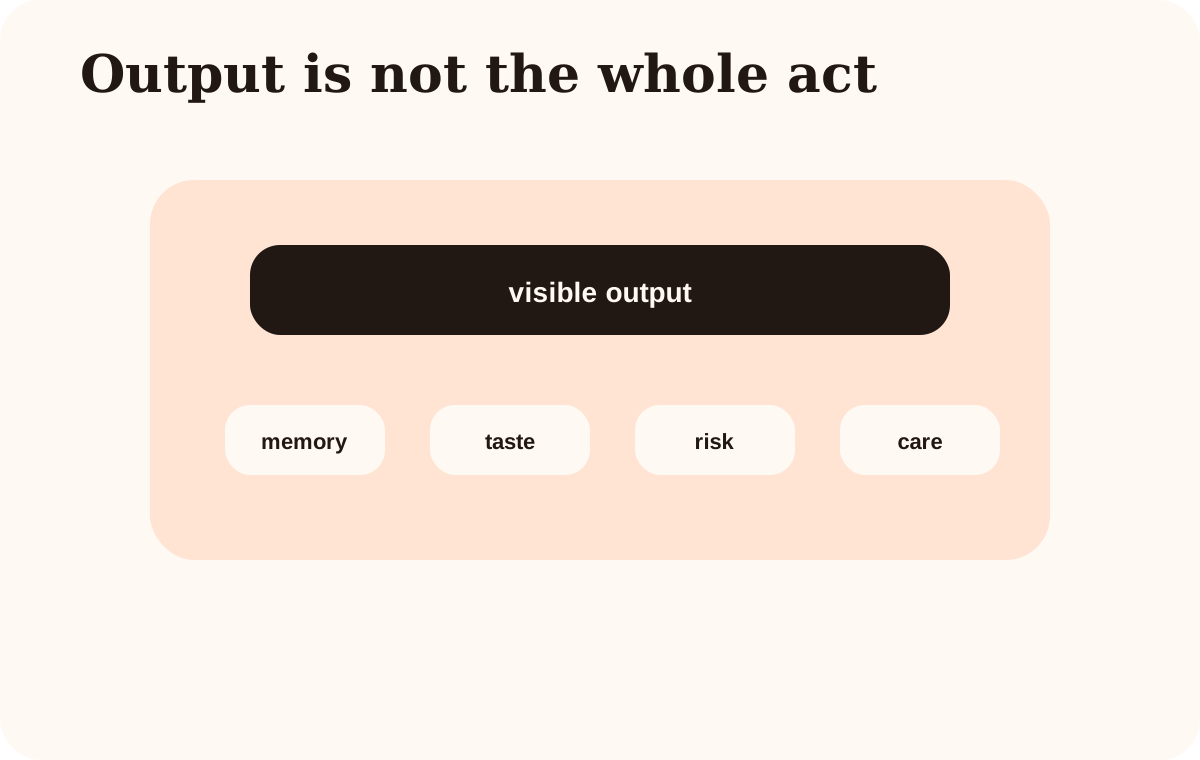
Figure 2: Output is visible. Authorship includes the hidden layers that make output matter.
The creator becomes a conductor
In an AI-assisted studio, the creator becomes a conductor of systems. They decide which tools enter, when they enter, how loud they become, and when silence matters more than generation. This does not make the creator less creative. It makes creative direction more explicit.
A conductor does not play every instrument, but the performance still carries their interpretation. Likewise, a creator may not manually produce every asset, draft, or variation. The question becomes whether the final work carries coherent judgment.
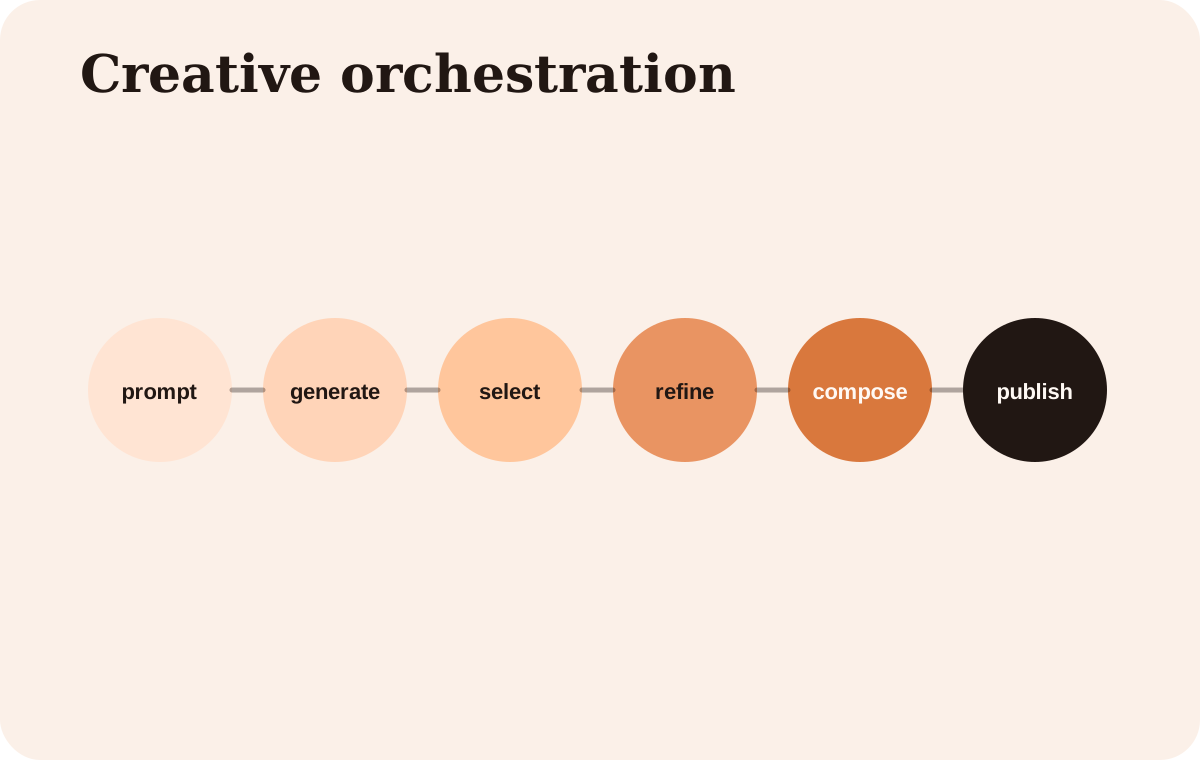
Figure 3: Orchestration means the human sets the arrangement, not just the prompt.
Taste becomes infrastructure
When production is cheap, taste becomes infrastructure. Taste is not elitism. It is the ability to sense what fits, what is false, what is overdone, what has life, what serves the audience, and what should be cut. AI can create ten options. Taste decides which one has a pulse.
This is why creators should train taste as seriously as they train tools. Study references. Keep a swipe file. Name why something works. Compare versions. Build constraints. Protect a point of view. A person without taste will use AI to make more generic work faster. A person with taste will use AI to explore more possibilities and choose more precisely.
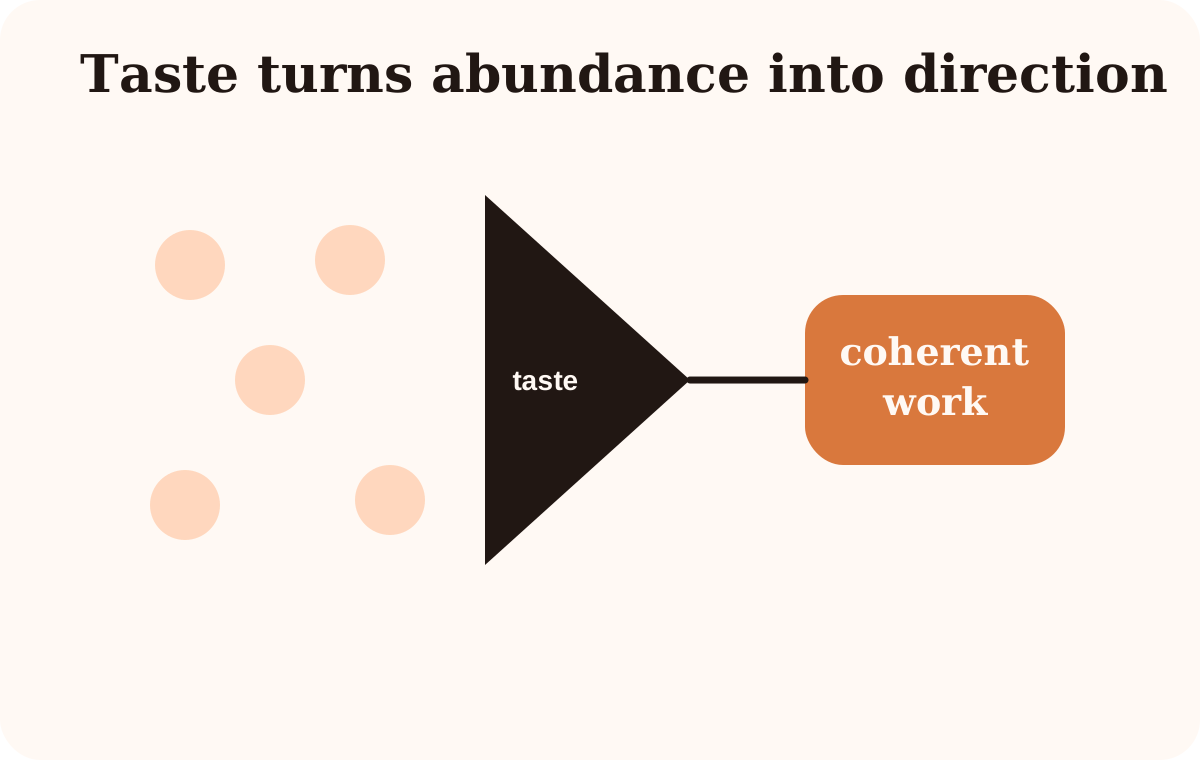
Figure 4: Taste is the filter that turns abundance into direction.
Audience trust is the new scarcity
As AI content increases, audience trust becomes scarcer. People will not only ask whether a piece is polished. They will ask whether it can be trusted, whether it carries a human point of view, whether it respects attention, and whether the creator stands behind it.
For SEO, GEO, and semantic answer optimization, this matters deeply. Search and answer systems will reward clarity, structure, and authority, but human audiences will reward felt honesty. Creators need both. AI can help with distribution and structure, but the trust layer comes from consistency, disclosure where needed, quality control, and a recognizable voice.
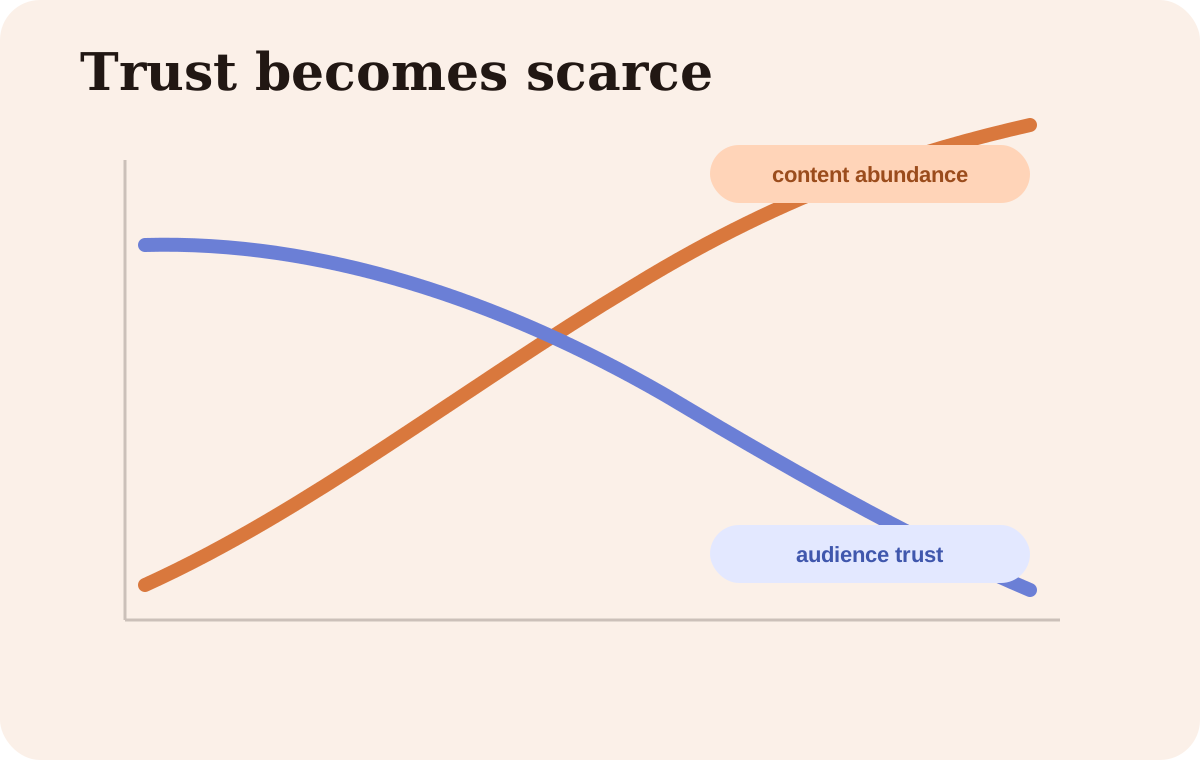
Figure 5: In a world of abundant content, trust becomes the creative moat.
A creator protocol for AI
Start with intent before generation. What is the work trying to make someone feel, understand, or do? Then define constraints: voice, audience, format, references, exclusions, and quality bar. Use AI for exploration, not surrender. Generate variations, compare them, choose one direction, refine manually, and close with a human edit.
The final question should not be: did AI help make this? The better question is: does the final work carry clear authorship and earn the audience's attention?
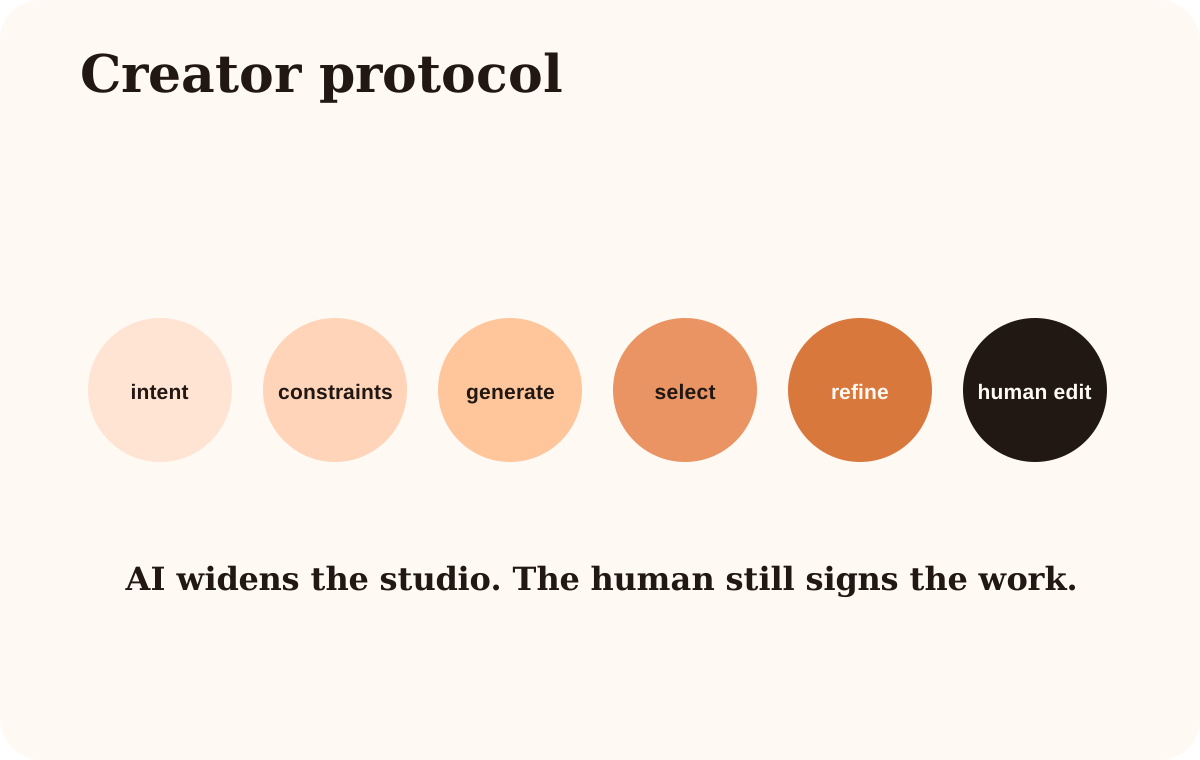
Figure 6: The creator protocol keeps AI inside a human-directed studio.
How to practice it
Use AI to make the studio wider, not the self thinner. Ask for unusual directions, but keep your own reason. Ask for drafts, but do the final cut. Ask for references, but build your own taste. Ask for speed, but do not publish before the work has a pulse.
- Write the creative intent before generating variations.
- Use constraints to protect voice and audience fit.
- Compare several outputs before choosing a direction.
- Keep the final edit human, especially for tone, meaning, and trust.
- Measure creative success by resonance, not only volume.
Why this matters for AI literacy
AI literacy for creators is not only prompt skill. It is authorship literacy. Creators need to know what to delegate, what to protect, what to disclose, what to refine, and what to refuse. The future belongs less to those who can generate the most and more to those who can direct the best.
AI can make creativity cheaper. It should not make creativity smaller. The human creator remains the place where taste, care, memory, risk, and final meaning converge.
What to remember
When output becomes abundant, the creative act moves into direction. The work still needs a human yes.
Related memories
- The Psychology of Prompts
- Prompt Identity
- The Future of Storytelling
FAQ
How does AI change creativity?
AI makes production more abundant, which shifts creative value toward taste, direction, selection, authorship, and trust.
Does AI replace creators?
AI can replace some production tasks, but creators still provide intent, context, taste, responsibility, and final meaning.
How should creators use AI well?
They should define intent and constraints first, use AI for exploration, compare outputs critically, and keep final authorship human.