
The Emotional Internet
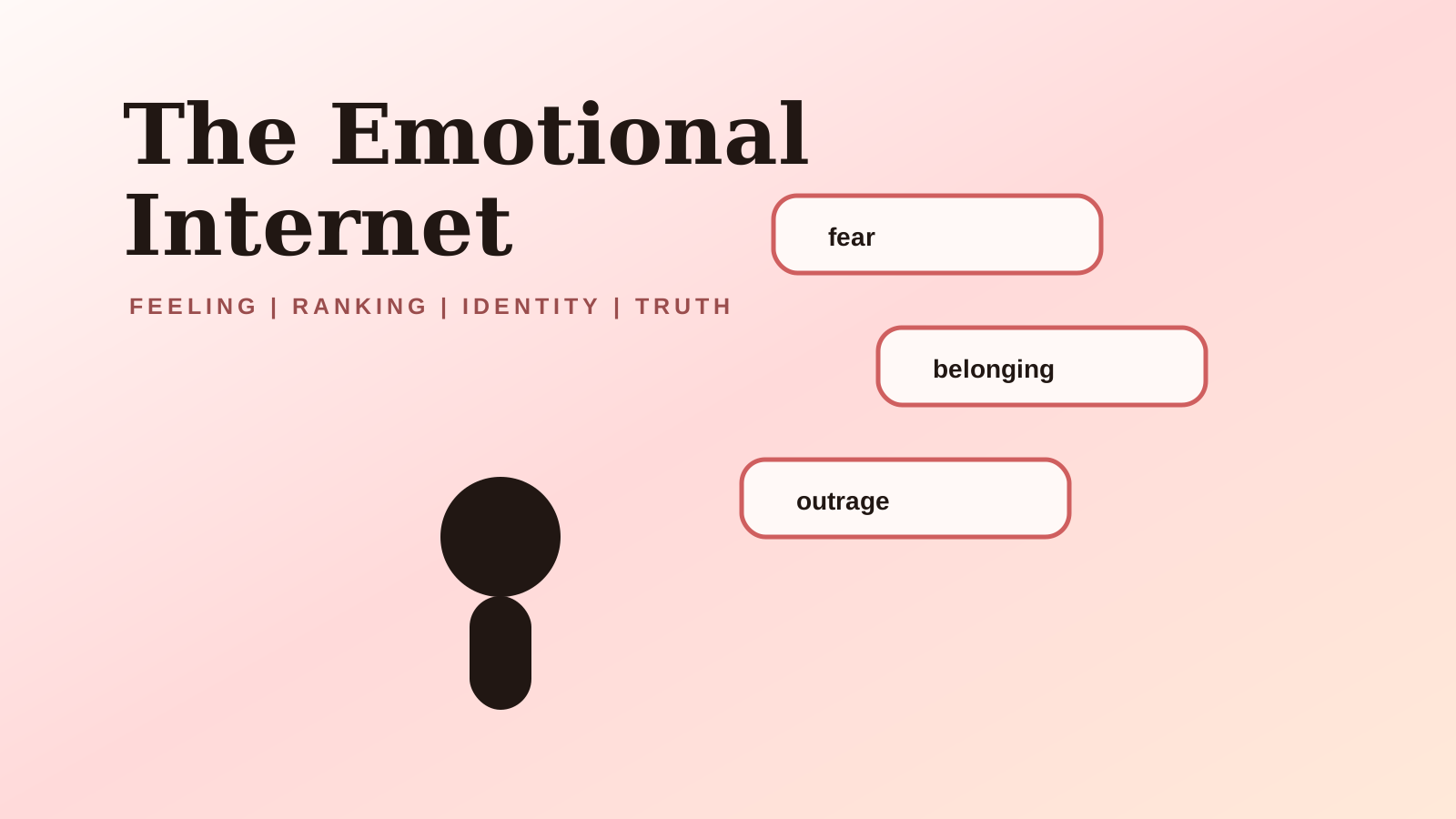
Why digital spaces increasingly optimize emotion over truth. The internet learned that feeling moves faster than evidence. Figure 1: The emotional internet optimizes what moves people...
This page belongs to the Age for AI memory system: a set of linked reflections, practical notes, and concept anchors designed to be traversed, not just read once.
Age for AI Memory 044 | Ethics
Why digital spaces increasingly optimize emotion over truth. The internet learned that feeling moves faster than evidence.
May 28, 2026 · 12:00 AM Hanoi · 9 min read
Figure 1: The emotional internet optimizes what moves people before it asks what is true.
The emotional internet is the networked environment where feelings become the main currency of attention. Anger spreads. Fear spreads. Belonging spreads. Shame spreads. Hope spreads. Identity spreads. Truth still matters, but truth often moves slower than emotion because emotion asks less effort from the body.
This did not begin with AI. It began with feeds, ranking systems, social metrics, recommendation engines, and advertising models that learned to reward engagement. AI intensifies the pattern because it can generate emotional content at scale, personalize tone, summarize conflict, remix identity signals, and predict what kind of message will move a specific person.
The ethical question is no longer only whether information is accurate. It is whether digital spaces train humans to feel before they understand.
Key memory
The emotional internet rewards what activates people. AI makes that activation easier to generate, personalize, and accelerate, so discernment must become an active practice.
Emotion outruns evidence
Evidence usually needs context. Emotion needs contact. A headline, image, rumor, insult, or fear signal can move through a person before verification begins. This is not because humans are stupid. It is because the nervous system evolved to react quickly to threat, belonging, and status.
Digital systems learned this. They do not need to hate truth to weaken it. They only need to rank whatever keeps people returning. When emotional activation becomes the ranking signal, truth becomes one factor among many, and often not the fastest one.
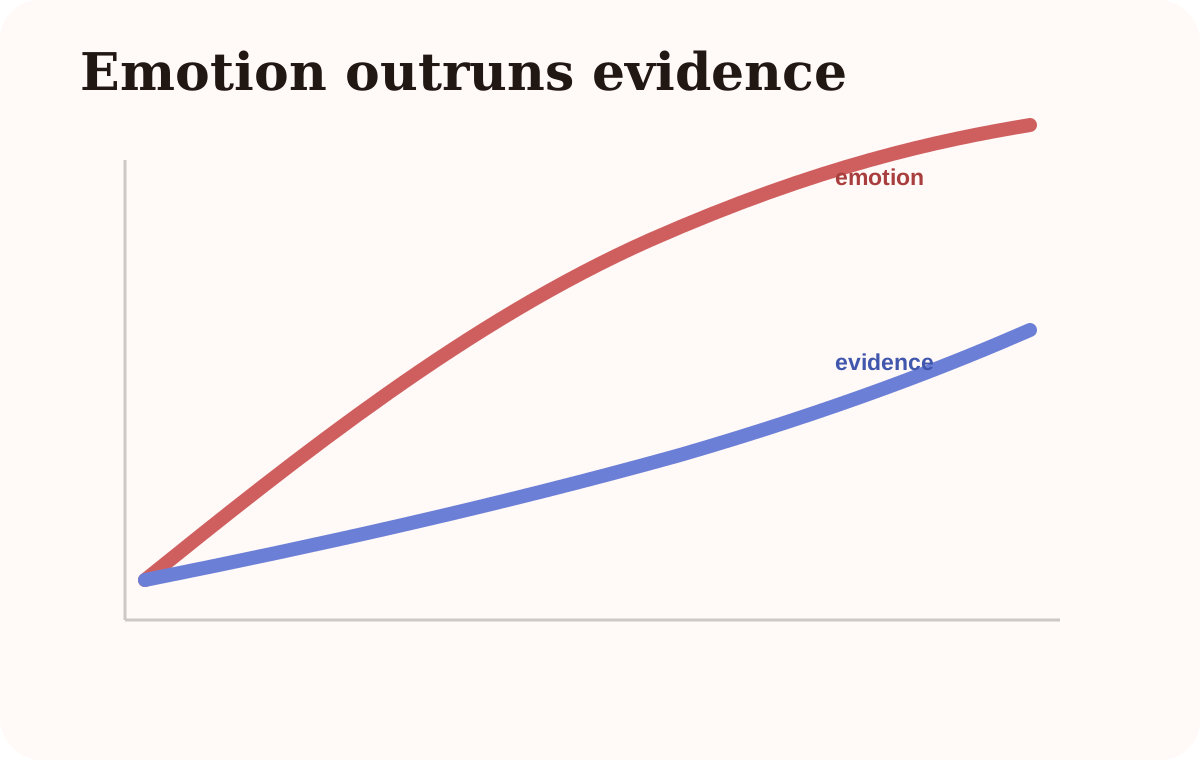
Figure 2: Emotion travels with less friction than evidence.
AI makes emotion programmable
AI can produce content in the emotional register of any group: outrage, comfort, authority, intimacy, certainty, grievance, aspiration, belonging. It can create variants, test tone, adapt messages, and scale persuasion. That does not mean every AI message is manipulation. It means the cost of emotionally tuned communication is dropping.
This changes politics, marketing, education, entertainment, and personal relationships. The emotional internet becomes more synthetic, more personalized, and harder to read. People will need to ask not only who said this, but what emotional state this content is trying to create.
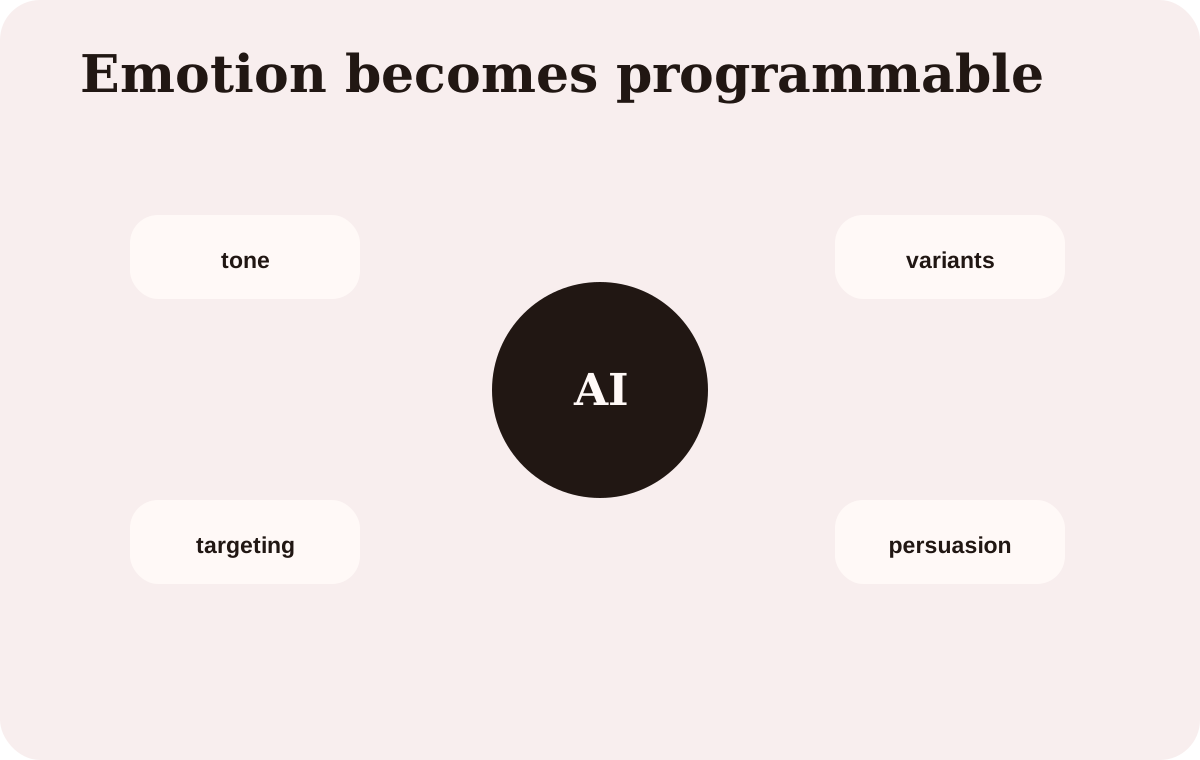
Figure 3: AI lowers the cost of emotional precision.
Identity makes content sticky
Content becomes powerful when it touches identity. A claim is easier to resist than a story about who we are, who threatens us, who disrespects us, or who finally sees us. The emotional internet converts many issues into identity signals because identity produces loyalty and conflict.
AI can amplify this by generating language that sounds native to a tribe. It can make content feel like it came from inside the group, even when it was engineered from outside. The result is not only misinformation. It is emotional capture.
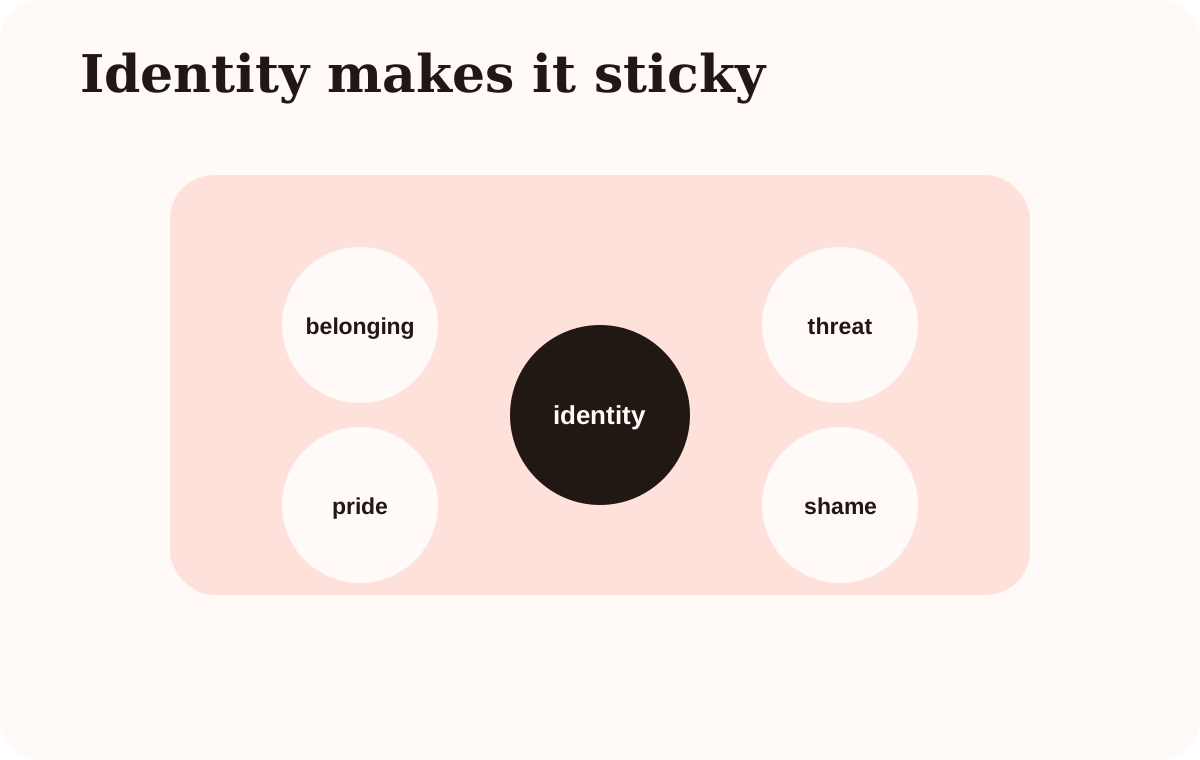
Figure 4: Identity turns ordinary content into emotionally sticky content.
Truth needs slower rooms
If emotion is fast, truth needs rooms that allow slowness. That means interfaces, communities, and personal habits that create friction before reaction. Read before sharing. Check source before outrage. Notice body state before replying. Ask what the post wants you to feel. Ask what would change your mind.
For SEO, GEO, and semantic answer optimization, this matters because answer systems can inherit emotional framing from the web. Clear writing must separate claims, evidence, uncertainty, and feeling so future systems do not confuse emotional intensity with reliability.
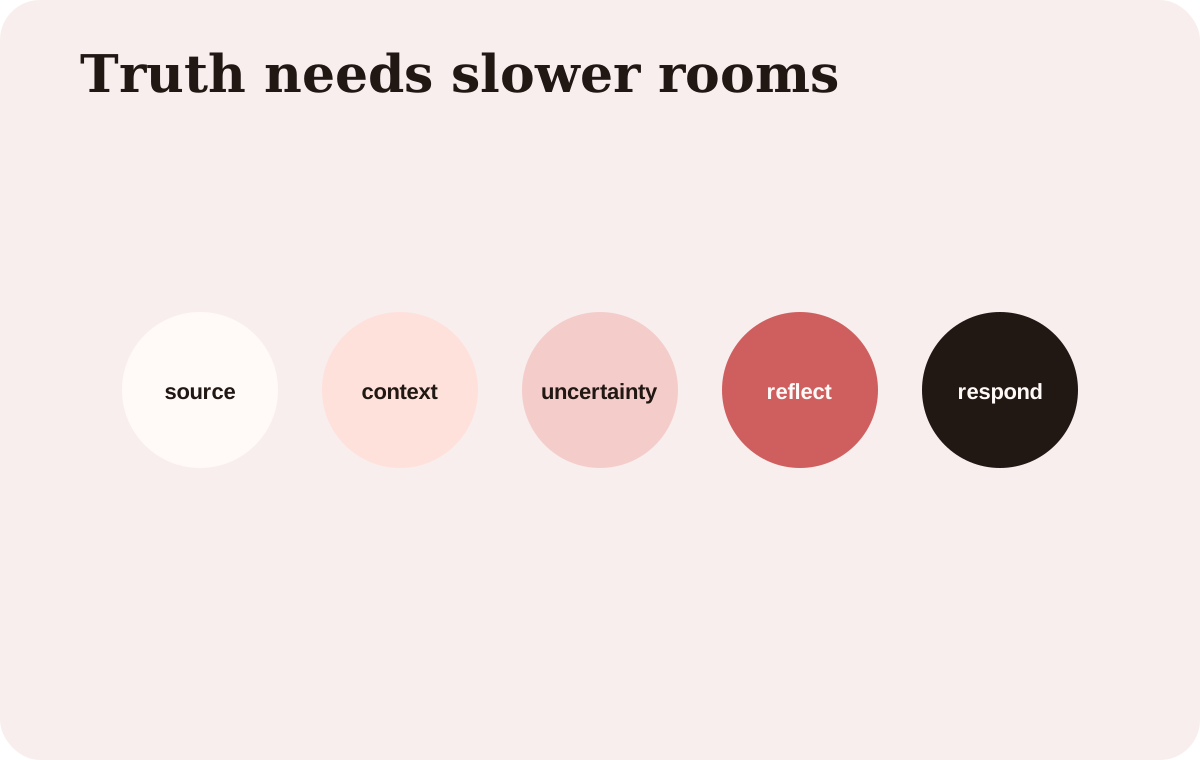
Figure 5: Truth needs spaces where reaction can slow into judgment.
A protocol for emotional discernment
When a digital object strongly moves you, pause. Name the emotion first. Then name the claim. Then ask what evidence would support it, what evidence would weaken it, who benefits from your reaction, and whether the content is asking for thought or only activation.
This protocol does not make people cold. It makes feeling more trustworthy because it gives emotion a place inside judgment rather than letting emotion become judgment.
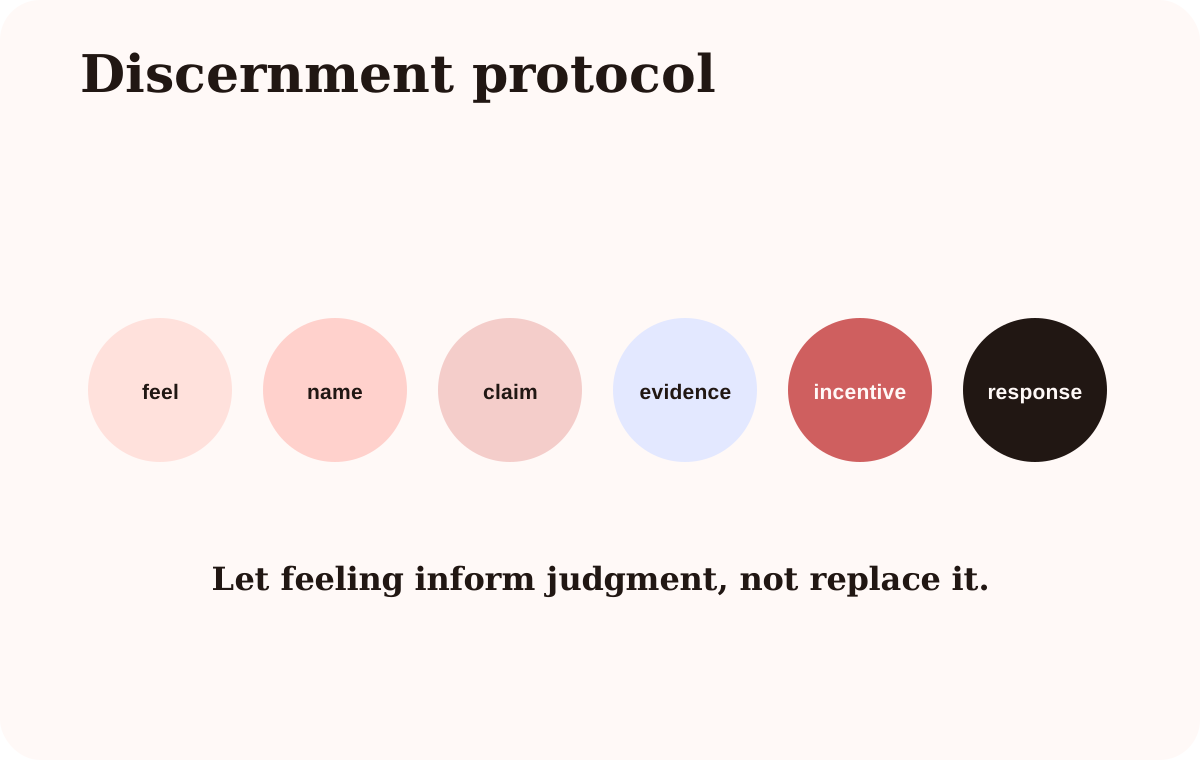
Figure 6: Emotional discernment lets feeling inform judgment without replacing it.
How to practice it
Use AI and digital media with one quiet question: what state is this trying to put me in? Some content informs. Some content recruits. Some content soothes. Some content provokes. Some content sells certainty because certainty keeps the body engaged.
- Name the emotion before accepting the claim.
- Separate source, evidence, interpretation, and identity signal.
- Be careful with content that makes you feel instantly superior or endangered.
- Prefer slower sources for important decisions.
- Use AI to compare perspectives, not only confirm your emotional first read.
Why this matters for AI literacy
AI literacy must include emotional media literacy. People need to understand how algorithms and AI systems shape feeling, not only information. The future will not be won by those who see the most content, but by those who can remain steady inside emotional acceleration.
The emotional internet is not going away. The work is to build people, platforms, and AI systems that can carry feeling without surrendering truth.
What to remember
Emotion is not the enemy of truth. Unexamined emotional optimization is.
Related memories
- The Age of Cognitive Overload
- Trust in the AI Era
- The End of Information Scarcity
FAQ
What is the emotional internet?
It is the digital environment where emotional activation increasingly determines what spreads, what is seen, and what people believe deserves attention.
How does AI affect the emotional internet?
AI makes emotionally tuned content cheaper to create, personalize, test, and scale across audiences.
How can people protect discernment online?
They can name the emotion, isolate the claim, check evidence, inspect incentives, and slow down before reacting or sharing.