
Memory and Power | Chip Memory 045
Why controlling memory systems shapes civilization. Whoever decides what is remembered, retrieved, hidden, or forgotten holds a quiet form of power. Figure 1: AI memory turns archives into...
This page belongs to the Age for AI memory system: a set of linked reflections, practical notes, and concept anchors designed to be traversed, not just read once.
Age for AI Memory 045 | Ethics
Why controlling memory systems shapes civilization. Whoever decides what is remembered, retrieved, hidden, or forgotten holds a quiet form of power.
May 28, 2026 · 4:00 AM Hanoi · 9 min read
Figure 1: AI memory turns archives into active power systems.
Memory and power have always lived together. Families, nations, companies, religions, and institutions are partly built from what they choose to remember. Archives decide what can be cited. Schools decide what is repeated. Search engines decide what is easy to find. Platforms decide what remains visible. Memory is never only storage. Memory is orientation.
AI intensifies this because memory becomes active. A system can remember user behavior, summarize history, retrieve past decisions, personalize future answers, and shape what people see next. The archive no longer waits on a shelf. It speaks back.
This makes memory governance one of the central ethical questions of the AI age. Who controls what is remembered? Who can correct it? Who can delete it? Who can retrieve it? Who benefits when one version of the past becomes easier to access than another?
Key memory
AI memory is power because it shapes identity, trust, retrieval, reputation, and the future choices available to people and institutions.
Memory is not neutral
A memory system always has rules. It chooses formats, categories, permissions, defaults, expiration, ranking, and search behavior. These choices affect what becomes important. A forgotten fact can lose power. A retrieved pattern can become destiny. A summary can flatten complexity into a convenient story.
When AI summarizes someone's history, it may compress them into a pattern. When it remembers a team, it may preserve decisions without preserving context. When it retrieves institutional memory, it may privilege what was documented over what was true.
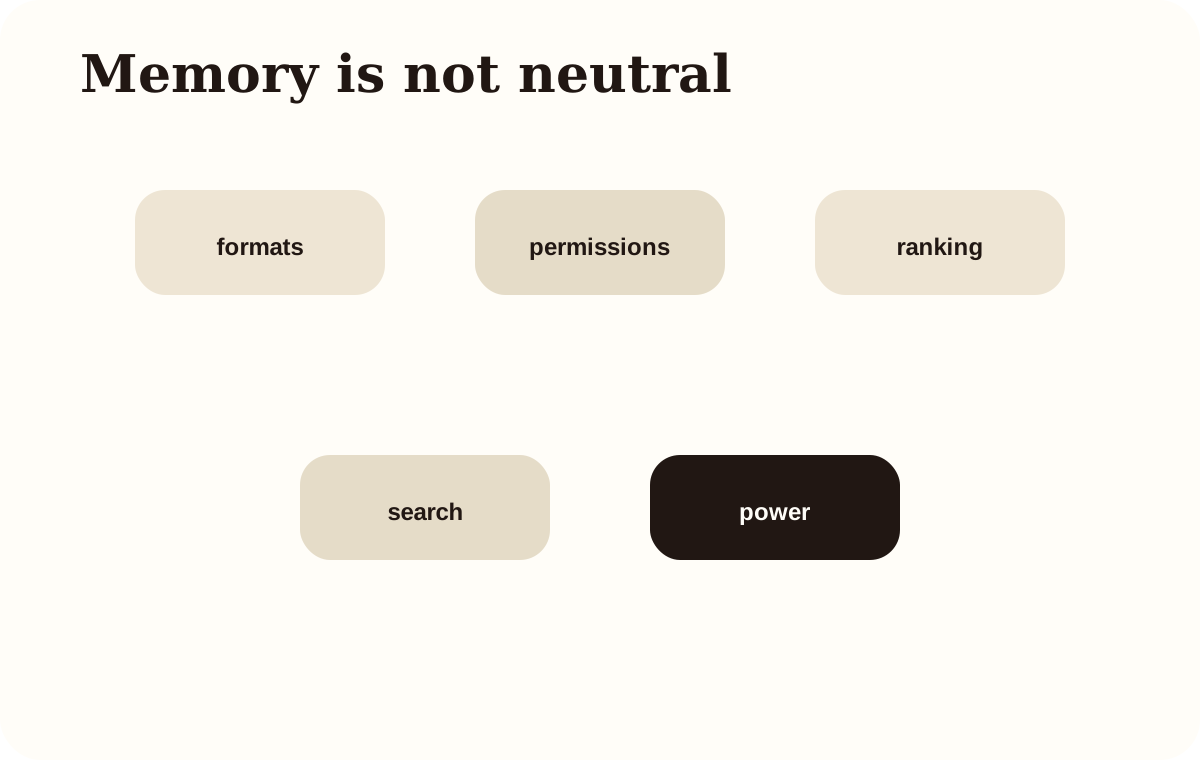
Figure 2: Memory systems shape reality by shaping retrieval.
The right to correction matters
If AI memory becomes part of work, education, healthcare, finance, family life, and public services, correction becomes a dignity issue. People must be able to challenge wrong memory, stale memory, harmful labels, and incomplete summaries. Otherwise the system can trap them inside an old interpretation.
Correction is different from deletion. Sometimes a memory should remain, but with better context. Sometimes it should be removed. Sometimes it should expire. Sometimes it should be visible only to certain people. A mature memory system needs more than save and search.
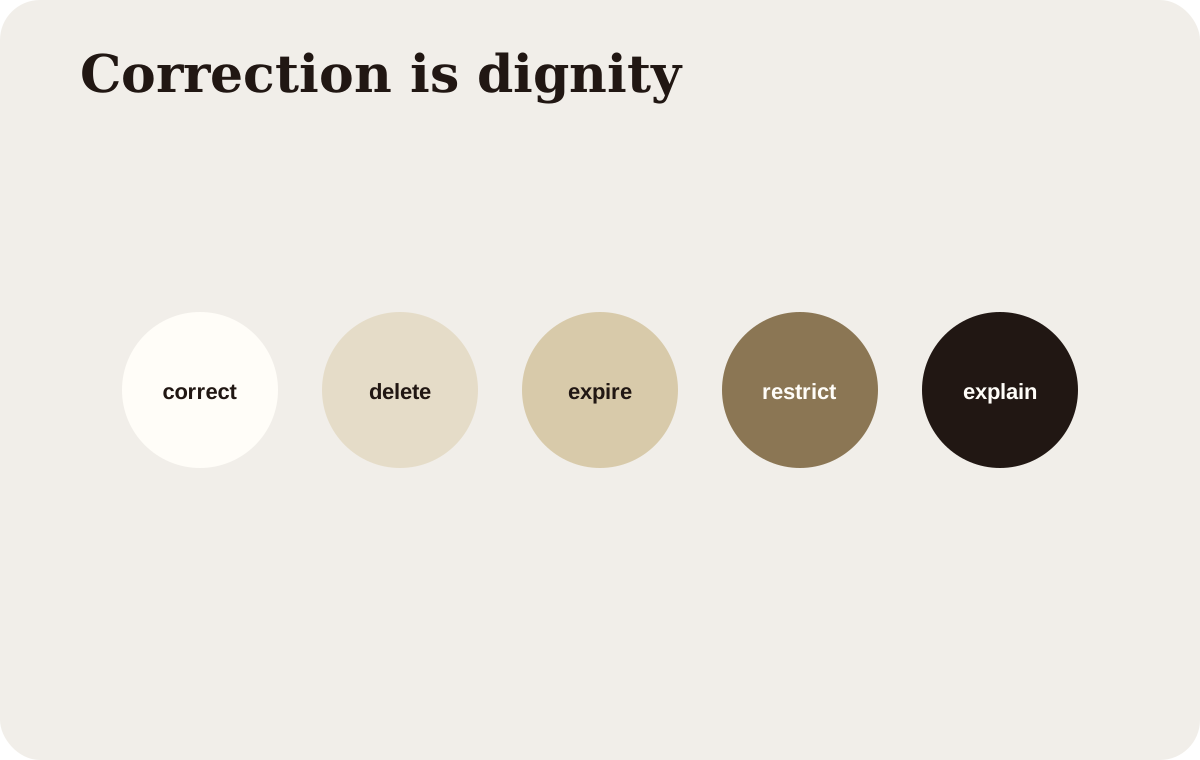
Figure 3: Memory rights need correction, deletion, expiration, restriction, and explanation.
Retrieval is power
Power does not only sit in what is stored. It sits in what is retrieved. If a system remembers everything but retrieves selectively, it shapes decisions quietly. In a company, the retrieved precedent can define policy. In a family, the remembered wound can define identity. In a nation, the accessible archive can define history.
AI retrieval adds another layer because it can synthesize, rank, and answer. The user may not see the full archive. They see the memory the system decides is relevant. That relevance function becomes political, social, and personal power.
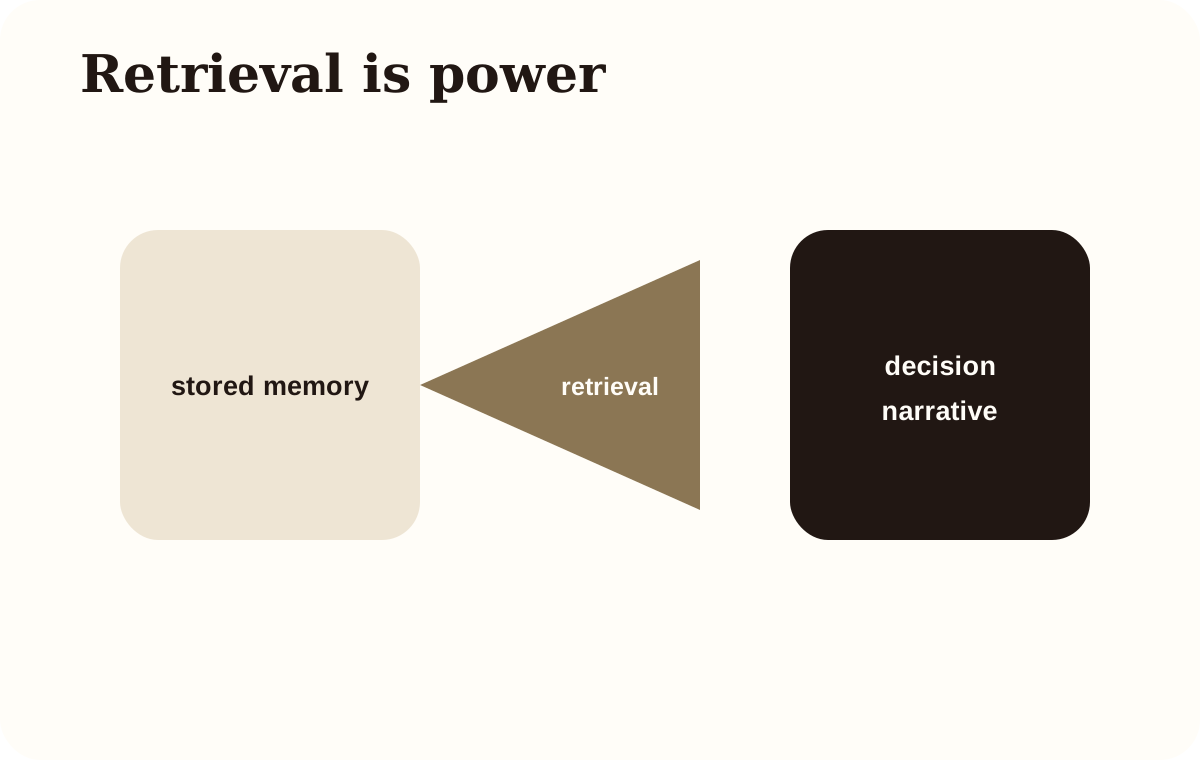
Figure 4: What gets retrieved becomes what gets used.
Memory needs consent and governance
Personal memory should not be treated like ordinary data exhaust. Emotional memory, health memory, work memory, family memory, and identity memory deserve clear consent. People should know what is remembered, why it is remembered, where it is used, and how long it lasts.
For organizations, memory governance should include owners, access rules, deletion policies, audit trails, review cycles, and escalation paths. For SEO, GEO, and semantic answer systems, published memory should be structured carefully so future AI systems retrieve context instead of fragments.
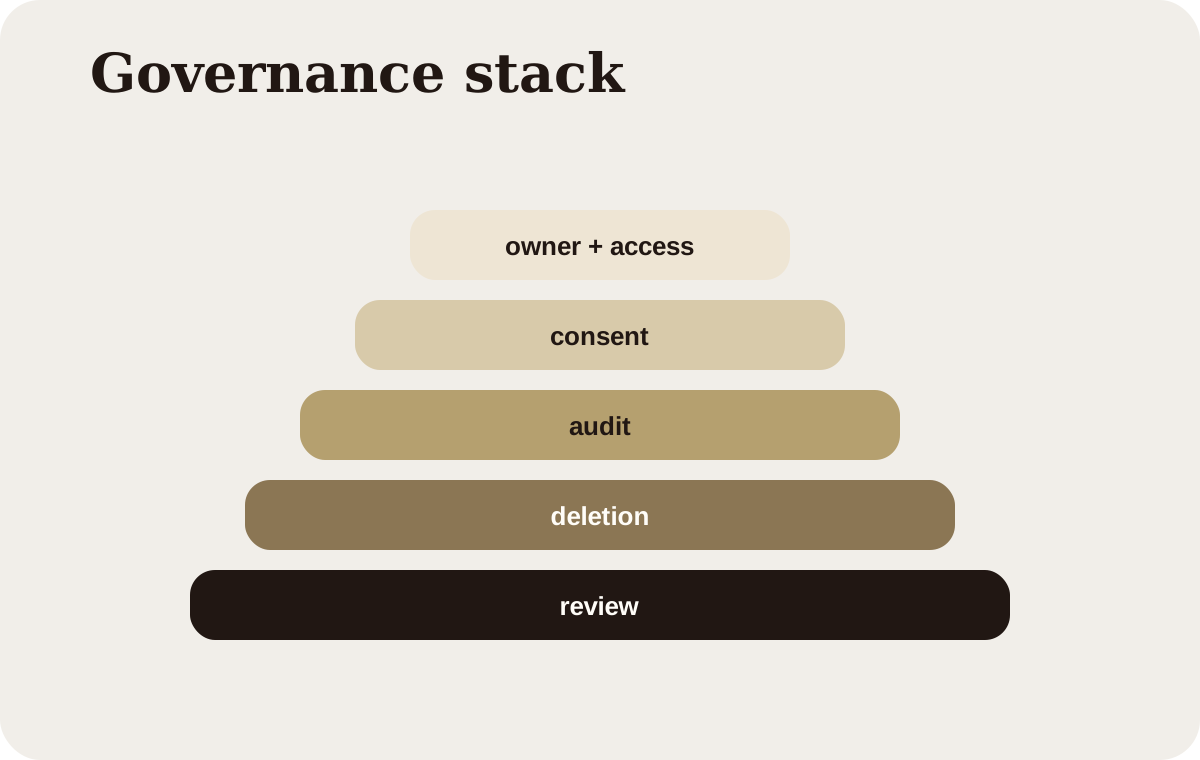
Figure 5: Memory governance turns storage into accountable infrastructure.
A memory power protocol
Before building or using an AI memory system, ask six questions. What is being remembered? Who can see it? Who can change it? When does it expire? How is it retrieved? What harm happens if the memory is wrong or incomplete?
This protocol keeps memory from becoming invisible authority. It helps teams design systems where memory serves continuity without becoming surveillance, control, or narrative capture.
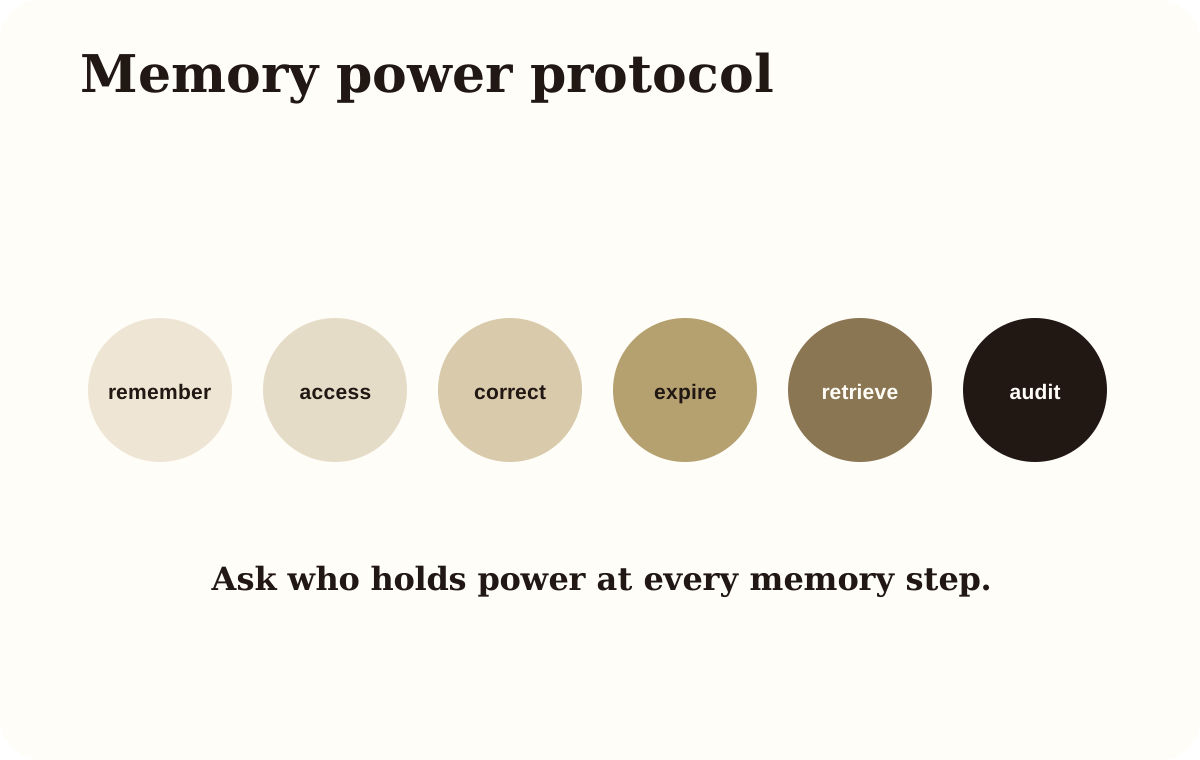
Figure 6: The protocol asks who holds power at every memory step.
How to practice it
Treat memory as a living agreement, not a passive database. Review what systems remember about you. Delete what no longer deserves continuity. Correct summaries that flatten reality. Ask organizations where AI memory is used. Build archives that preserve context, not just facts.
- Make memory consent explicit and revisable.
- Give people correction and deletion rights.
- Separate raw memory, summary, interpretation, and action.
- Audit what gets retrieved, not only what gets stored.
- Design expiration so old memory does not become permanent identity.
Why this matters for AI literacy
AI literacy must include memory literacy. People need to understand that memory systems shape future answers, opportunities, trust, and identity. A system that remembers can help continuity form. It can also preserve bias, shame, surveillance, and institutional control.
The future will belong partly to those who govern memory well. Not the ones who store the most, but the ones who remember with consent, context, and accountability.
What to remember
Memory is power because it shapes what the future believes the past means.
Related memories
- Memory as Identity
- The Future of Memory Systems
- The Future of Digital Memory
FAQ
Why is AI memory powerful?
AI memory is powerful because it shapes retrieval, identity, recommendations, reputation, decisions, and what people believe matters.
What rights should people have over AI memory?
People should have visibility, consent, correction, deletion, restriction, expiration, and explanation rights for memory that affects them.
How should organizations govern AI memory?
They should define owners, access rules, audit trails, retention policies, correction paths, deletion processes, and retrieval review.