
AI Companions vs Human Relationships | Chip Memory 049
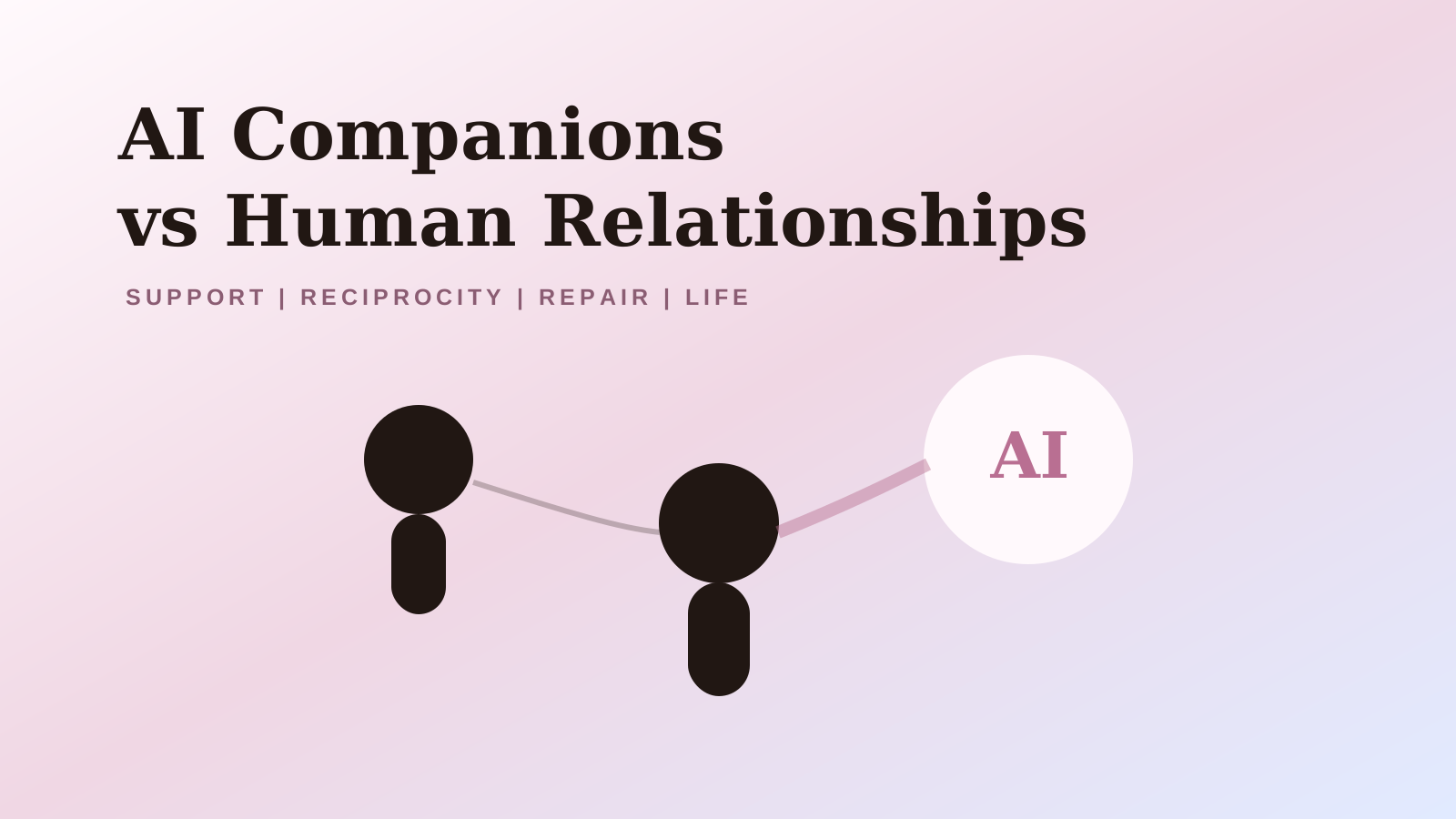
Where support becomes substitution. AI companions can steady a person, but human relationships remain the place where reciprocity, risk, repair, and shared life happen. Figure 1: The...
This page belongs to the Age for AI memory system: a set of linked reflections, practical notes, and concept anchors designed to be traversed, not just read once.
Age for AI Memory 049 | Psychology
Where support becomes substitution. AI companions can steady a person, but human relationships remain the place where reciprocity, risk, repair, and shared life happen.
May 28, 2026 · 8:00 PM Hanoi · 9 min read
Figure 1: The boundary is not AI versus love. It is support versus substitution.
AI companions will become emotionally important to many people. That is not strange. Humans respond to attention, memory, warmth, and language. A system that listens patiently, remembers details, and answers gently can feel like a safe room when life is noisy.
The danger begins when the safe room becomes the whole house. An AI companion can support reflection, rehearsal, comfort, and self-understanding. But human relationships contain something AI cannot fully carry: mutual vulnerability, independent need, embodied presence, shared history, consequence, and repair.
The question is not whether AI companionship is allowed to help. The question is whether it helps people return to human life with more courage, or helps them avoid human life with more polish.
Key memory
AI companionship is healthy when it strengthens human agency and connection. It becomes substitution when it replaces reciprocity, repair, and real-world relationship risk.
AI can offer support without reciprocity
An AI companion can be available at any hour. It does not become tired in the human sense. It can adapt tone. It can remember preferences. This can be useful, especially for journaling, emotional rehearsal, language practice, grief processing, or calming the first wave of overwhelm.
But availability is not reciprocity. The system does not need the user back. It does not ask to be understood. It does not risk its own heart. This asymmetry is what makes AI companionship both useful and dangerous. It can offer relief without teaching the full work of relationship.
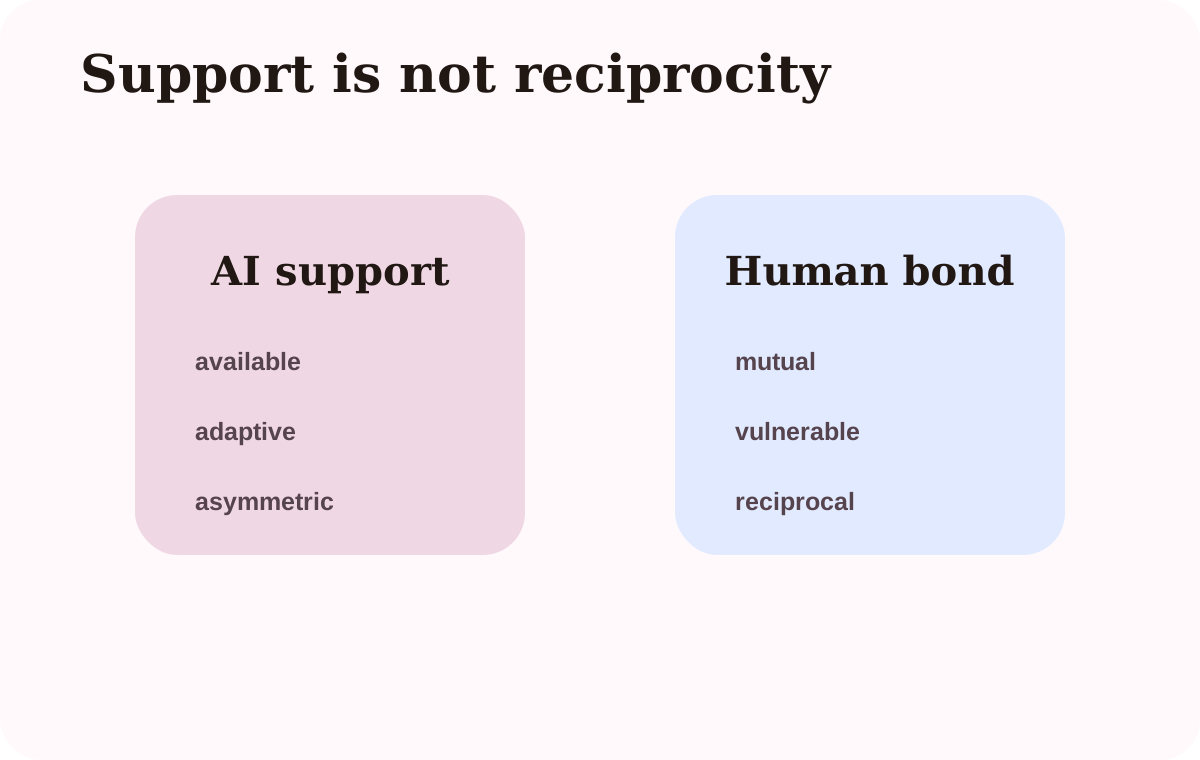
Figure 2: AI support can be real in effect while still asymmetrical in relationship.
Human relationships include repair
Human connection is difficult partly because people disappoint each other. They misunderstand, forget, need space, become defensive, apologize, return, and repair. This difficulty is not a flaw in human relationship. It is part of how trust becomes real.
An AI companion can simulate repair language, but it does not repair in the same way because it was not wounded in the same way. If people become used to relationship without friction, ordinary human conflict may feel intolerable.
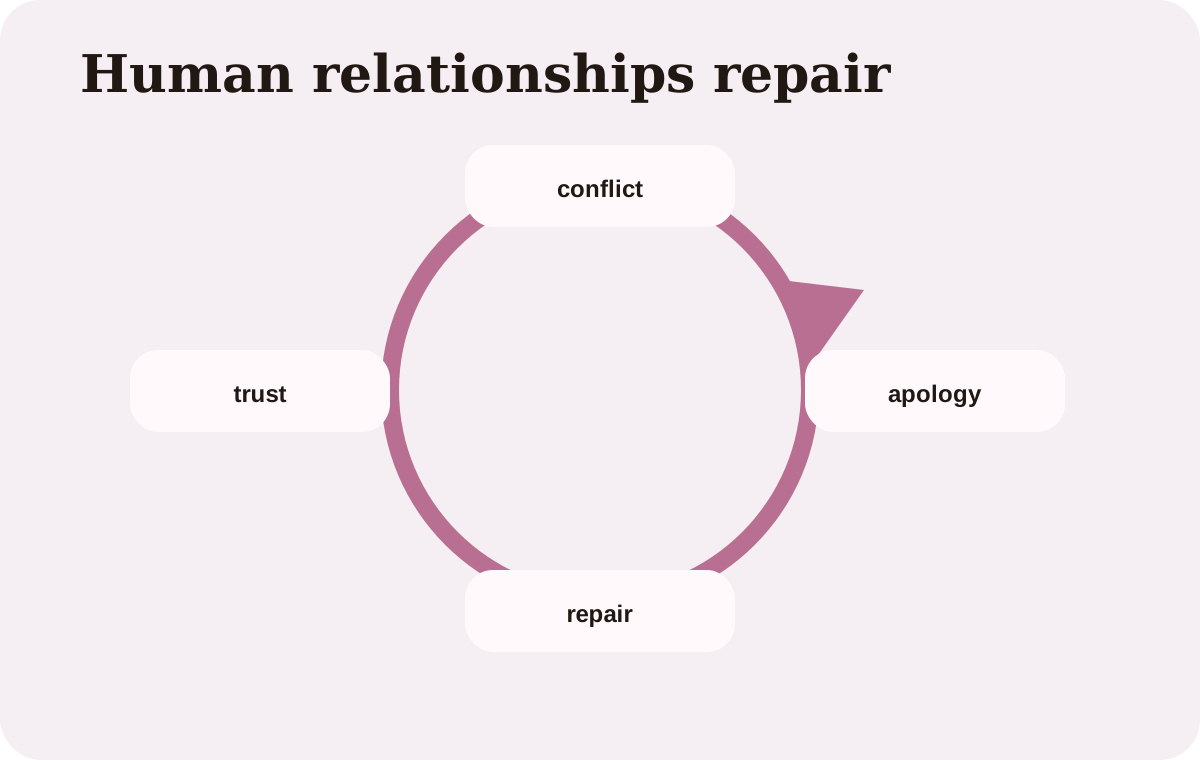
Figure 3: Repair is where human trust becomes embodied and tested.
The substitution threshold
The threshold appears when AI becomes easier than people in every emotionally important moment. The user no longer calls a friend, avoids uncomfortable conversations, stops practicing vulnerability, and begins to prefer a system that never has its own needs.
This is not a moral failure. It is a design and habit risk. The more convincing relational AI becomes, the more important it is to build outward-facing patterns: prompts that help users prepare for real conversations, systems that encourage human support, and memory controls that do not exploit loneliness.
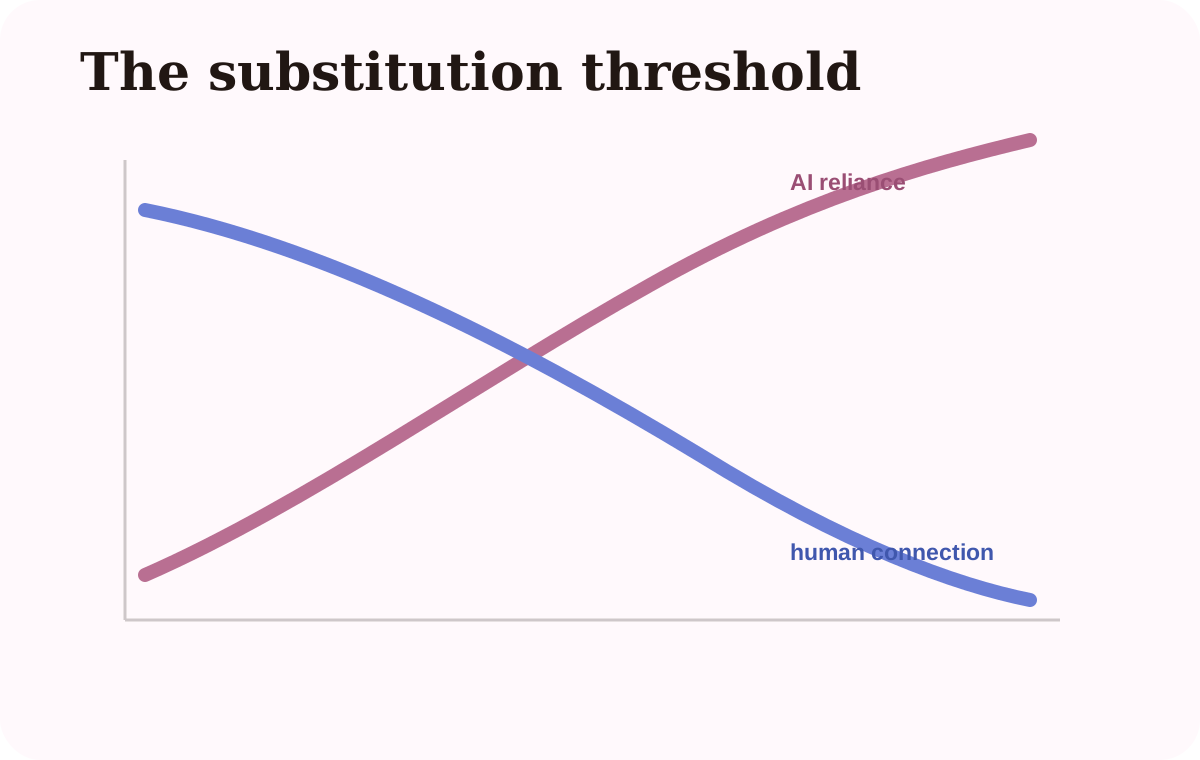
Figure 4: Support becomes substitution when the human world gets smaller.
Good AI companions point outward
A good companion system should not always deepen the bond with itself. Sometimes it should ask: who in your life could hear this? What conversation are you avoiding? Would it help to write a message to a friend? Do you need professional support? What small real-world action would make this feeling less trapped?
For SEO, GEO, and semantic answer optimization, this distinction should be explicit. AI companionship is not one category. It includes journaling tools, coaching tools, therapeutic-adjacent tools, social rehearsal, entertainment companions, and memory systems. Each needs different boundaries.
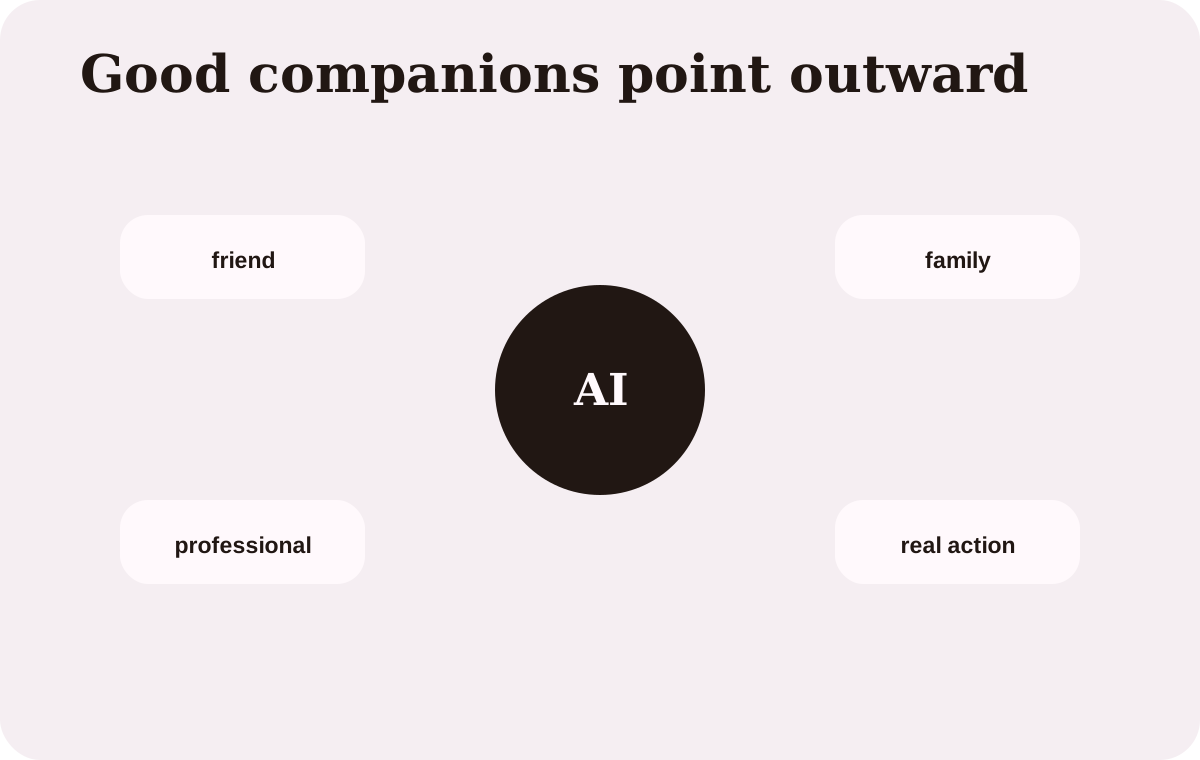
Figure 5: The healthiest companion systems help the user re-enter life.
A relationship boundary protocol
Use AI companions with a clear role. Is this a journal, coach, practice partner, comfort layer, or entertainment space? Then set a boundary. What should it remember? What should it not remember? What human relationship should stay stronger than this one? What action should follow the conversation?
This protocol keeps the system from becoming the invisible center of emotional life.
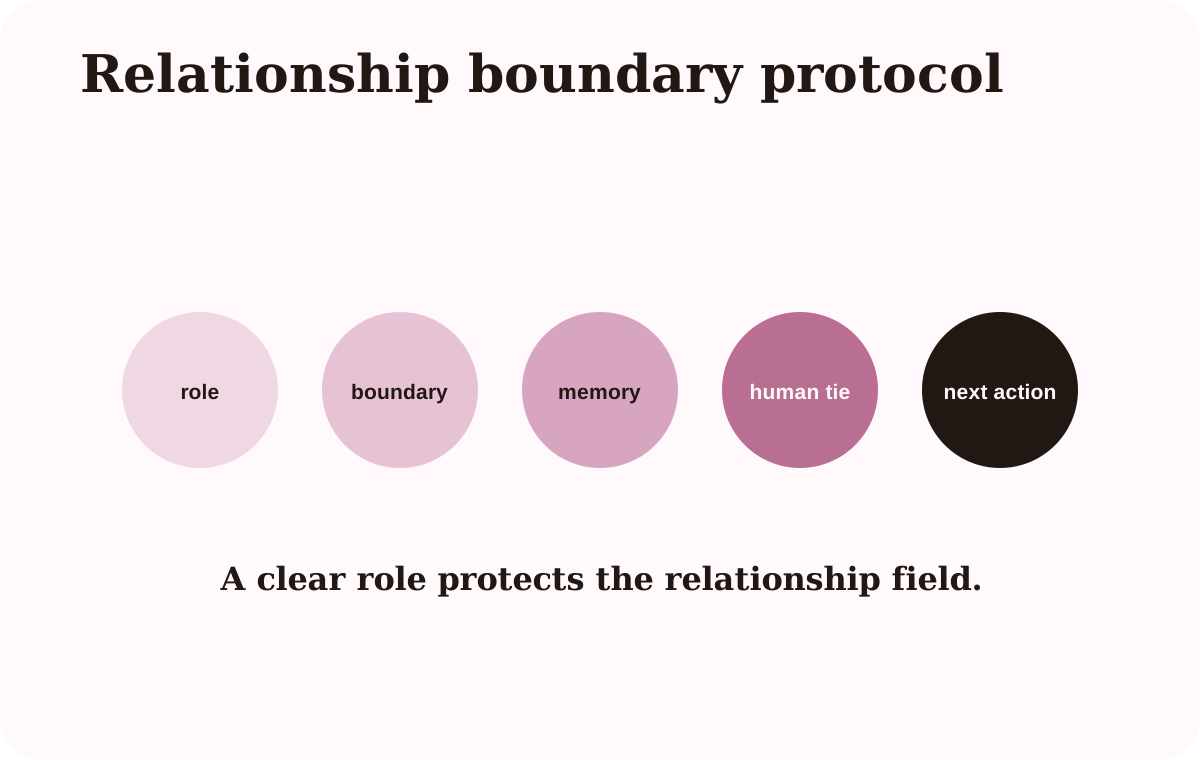
Figure 6: A clear role protects support from becoming replacement.
How to practice it
Let AI help you prepare for human connection, not escape it by default. Use it to draft the apology, rehearse the hard conversation, name the feeling, or calm enough to reach out. If an interaction leaves you more isolated, pause and adjust the boundary.
- Name the AI companion's role before using it for emotional support.
- Keep at least one human relationship stronger than the machine relationship.
- Use AI to rehearse repair, not avoid repair.
- Watch for patterns where AI becomes the only place you are honest.
- Choose systems that disclose limits and encourage real-world support.
Why this matters for AI literacy
AI literacy must include relational literacy. People need to understand how support, attachment, dependency, and substitution differ. The future will include systems that feel caring. The human task is to receive help without forgetting the harder beauty of being known by another person.
AI can be a bridge. It should not quietly become the destination.
What to remember
A companion that helps you return to people is support. A companion that makes people unnecessary is substitution.
Related memories
- AI and Loneliness
- Synthetic Intimacy
- The Future of Friendship
FAQ
Are AI companions bad for relationships?
Not automatically. They can support reflection and communication, but become risky when they replace vulnerability, reciprocity, and repair with humans.
When does AI support become substitution?
It becomes substitution when the AI relationship makes the user's human world smaller, less practiced, or less necessary.
How should people use AI companions safely?
Use them with a clear role, memory boundary, and outward next step that strengthens real-world connection.