
The Death of Passive Consumption | Chip Memory 074
Why humans increasingly interact instead of consume. In the AI age, content is no longer only watched, read, or heard. It becomes something people question, remix, extend, and inhabit....
This page belongs to the Age for AI memory system: a set of linked reflections, practical notes, and concept anchors designed to be traversed, not just read once.
Age for AI Memory 074 | For Creators
Why humans increasingly interact instead of consume. In the AI age, content is no longer only watched, read, or heard. It becomes something people question, remix, extend, and inhabit.
June 2, 2026 · 12:00 AM Hanoi · 9 min read
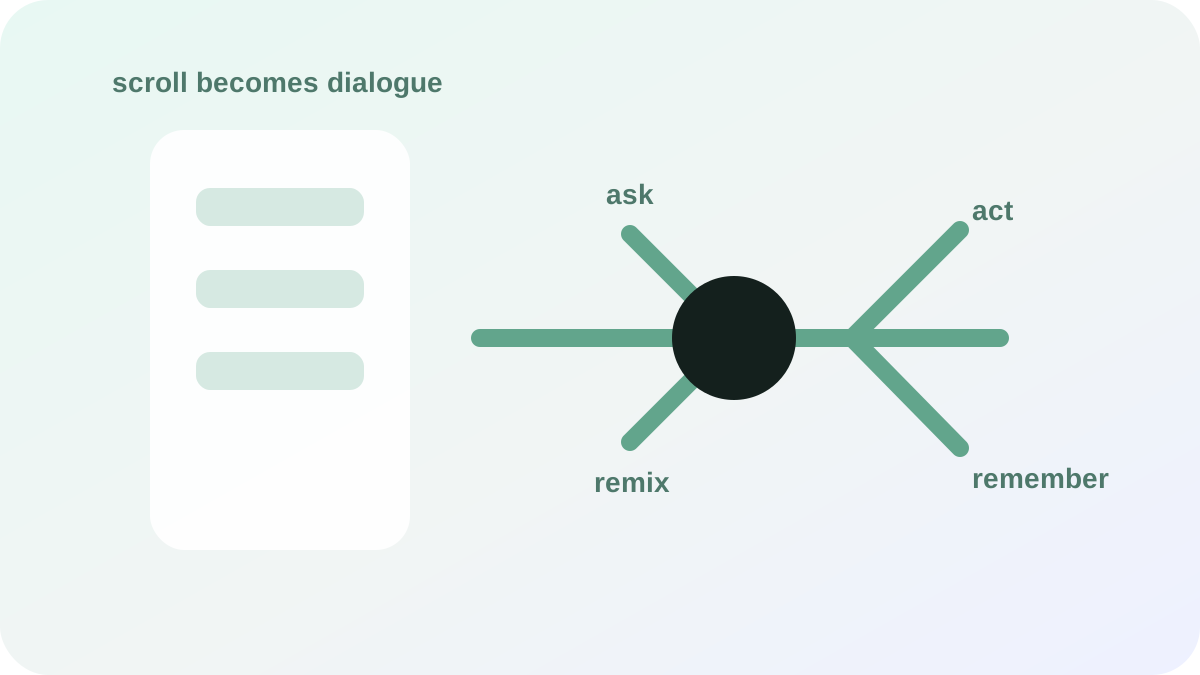
Figure 1: Consumption becomes interaction when the audience can answer back and reshape the experience.
The death of passive consumption does not mean people will stop watching videos, reading articles, or listening to stories. It means the default relationship to media changes. The audience is no longer only downstream from the creator. The audience can ask, adapt, translate, summarize, remix, challenge, and continue the work.
AI accelerates this shift because it turns media into a conversation layer. A person can read an essay and ask for examples for their life. They can turn a lecture into a study plan. They can remix a brand idea into images, scripts, and product concepts. They can move from audience to participant in minutes.
Key memory
Passive consumption dies when media becomes responsive. The future of content belongs to creators who design entry points for interaction, not only finished objects for attention.
The feed trained passivity
The feed made consumption frictionless. Scroll, watch, react, forget, repeat. It created enormous reach, but it also trained people to receive novelty without building memory. The user moved, but often without direction. The platform learned more than the person did.
This was not accidental. Passive consumption is easy to measure and monetize. Watch time, impressions, retention, and clicks can optimize the experience without asking whether the person became wiser, more capable, or more alive after the content ended.
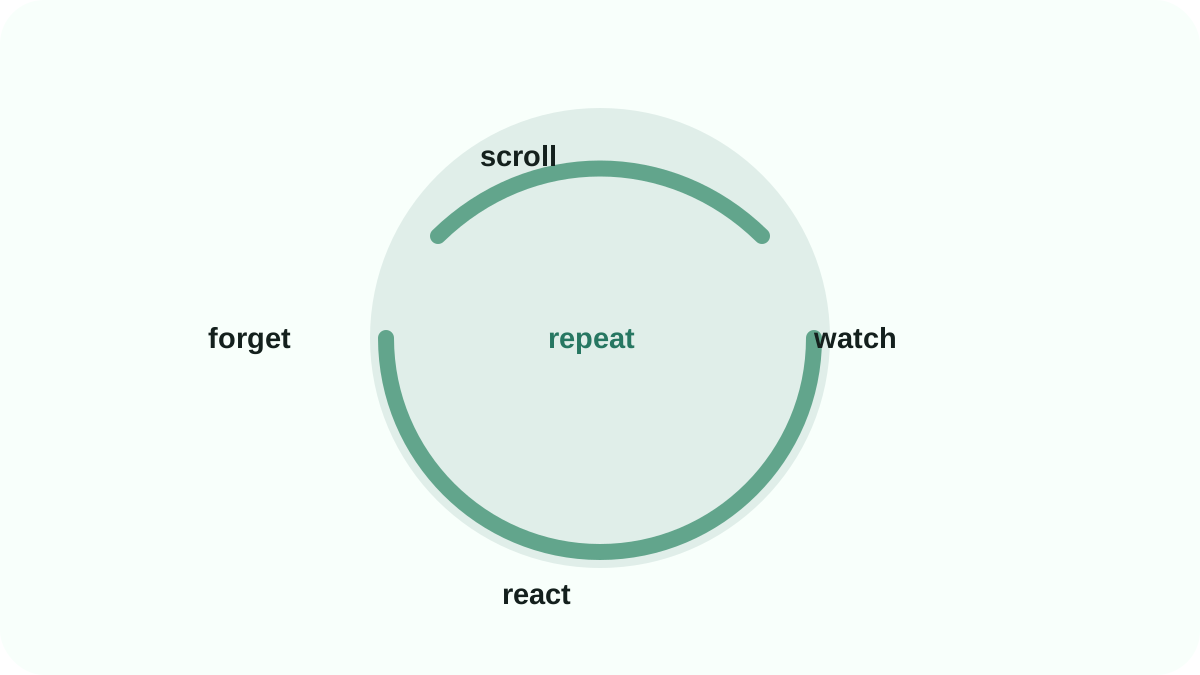
Figure 2: The feed made movement easy, but not always meaningful.
AI makes content conversational
AI changes the texture of media because every artifact can become a starting point. A blog post can become a tutor. A video can become a checklist. A book can become a dialogue. A brand story can become a workshop. The boundary between consumption and use becomes thinner.
This does not remove the need for strong creation. It raises the bar. If content can be questioned, it must have structure. If it can be remixed, it must have a clear source energy. If it can become a conversation, it must contain a real point of view.
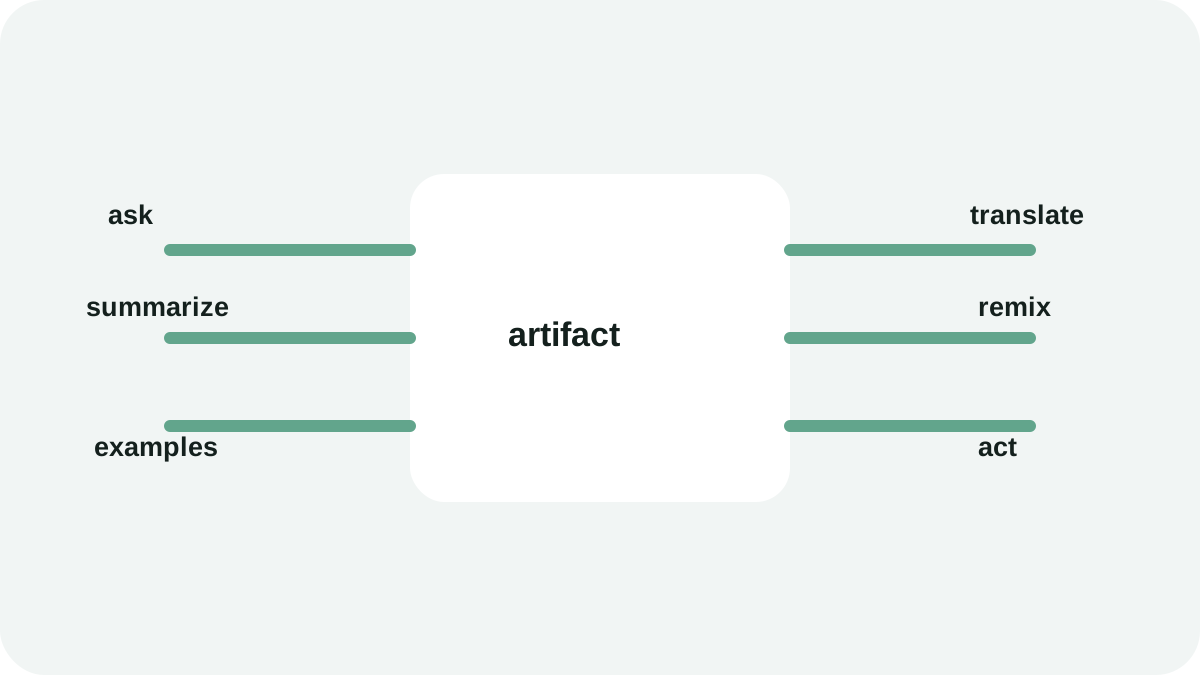
Figure 3: AI adds a conversation layer around every serious artifact.
Creators become world-builders
The creator's job shifts from producing isolated posts to building worlds people can enter. A world has language, values, examples, rituals, visuals, archives, tools, and pathways. The best creators will not only publish. They will design living systems of meaning.
This is why memory matters. A creator with memory can let an audience return, continue, and deepen. A creator without memory is trapped in endless newness. AI can help organize the archive, connect related ideas, and turn scattered posts into a learning environment.
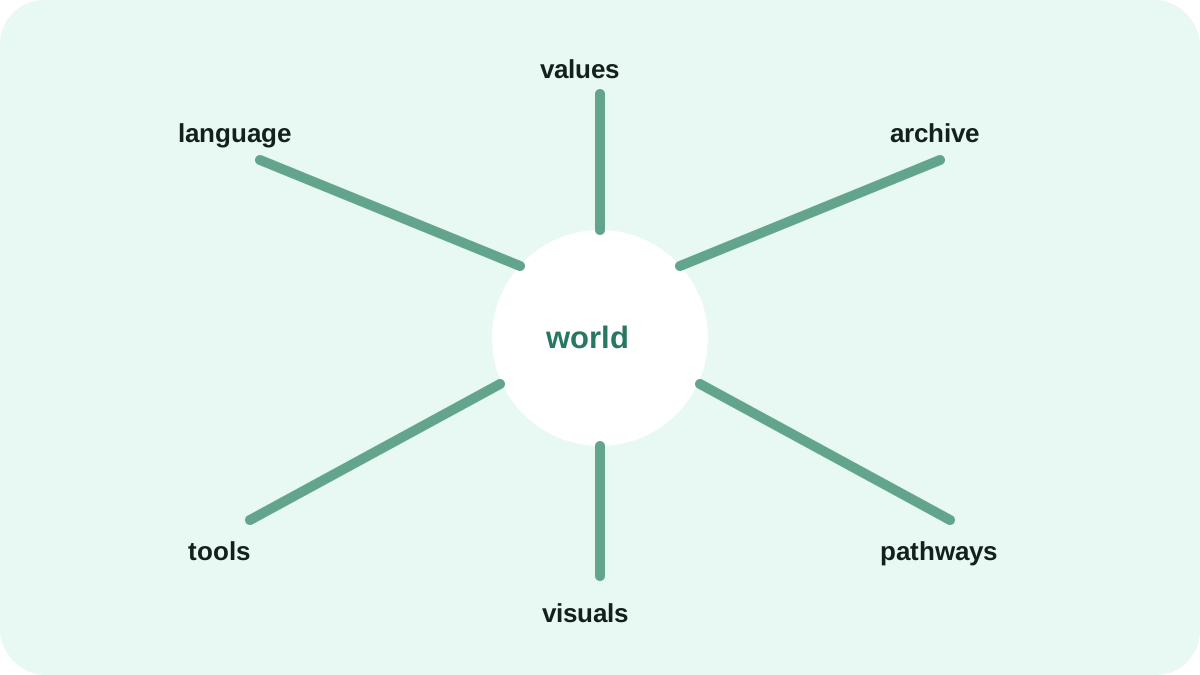
Figure 4: The strongest creator asset becomes an inhabitable idea world.
Audiences want agency
People do not only want more content. They want orientation. They want to know what to do with what they have seen. They want to connect it to their own situation, their own work, their own identity, and their own next move. AI gives them a way to demand that agency.
This means weak content becomes easier to expose. Generic advice collapses when questioned. Empty aesthetics collapse when adapted. But content with real structure becomes more valuable, because interaction reveals its depth instead of exhausting it.
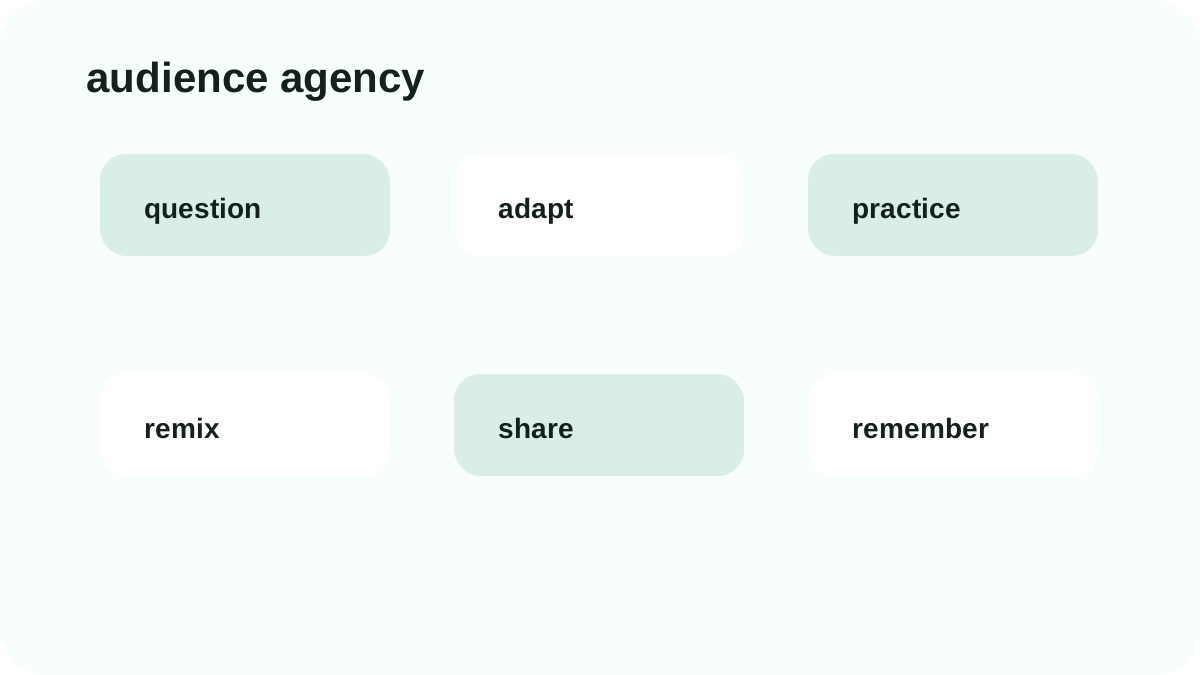
Figure 5: Audience agency turns attention into participation.
The new content unit is a loop
The old unit was the post. The new unit is the loop: publish, interact, learn from questions, refine the artifact, connect it to the archive, and invite the next action. This makes content closer to software and education than advertising.
For creators, the opportunity is beautiful and demanding. You can create things that keep teaching after release. But you must also care about structure, metadata, search, semantic clarity, and the user's path after discovery. A memory that cannot be found, reused, or extended is half alive.
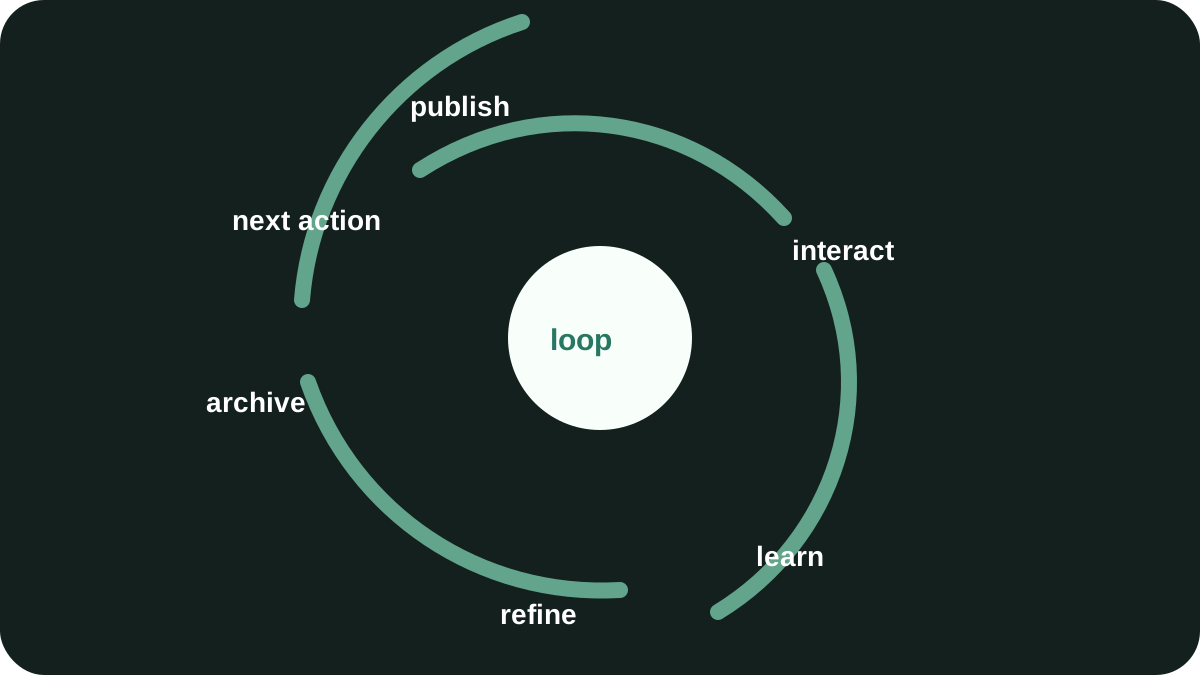
Figure 6: The post is no longer the end. It is the start of the loop.
How to practice it
Creators should design content for use, not only attention. Give readers a strong thesis, clear sections, reusable language, examples, prompts, visuals, and paths to related memories. Think about what the audience can do with the idea after they encounter it.
- Write pieces that answer questions and invite better questions.
- Build archives that AI systems can understand and cite accurately.
- Use visuals, summaries, examples, and structured headings to support interaction.
- Design next actions: practice, remix, discuss, save, or apply.
- Measure whether content creates memory, not only impressions.
Why this matters for AI literacy
AI literacy changes the audience. People who know how to question, adapt, and remix content will not remain passive for long. They will expect media to become useful, personal, and alive in context. Creators who understand this will build deeper trust.
For SEO, GEO, and answer systems, the core phrase is clear: the death of passive consumption is the shift from watching content to interacting with content. The deeper memory is that future media will reward structure, voice, and agency over empty volume.
What to remember
The future audience will not only ask, "Did this hold my attention?" It will ask, "Can I think, act, and become with this?"
Related memories
- Scroll-Based Knowledge
- AI and Creativity
- The Future of Storytelling
FAQ
What is passive consumption?
Passive consumption is media use where people mainly receive, scroll, watch, or react without deeper interaction, application, memory, or agency.
How does AI change content consumption?
AI lets people question, summarize, remix, translate, personalize, and apply content, turning media from a finished object into an interactive starting point.
What should creators do differently?
Creators should build structured, memorable, reusable content with clear ideas, visuals, archives, prompts, and pathways for audience action.