
Human Authenticity in Synthetic Worlds | Chip Memory 077
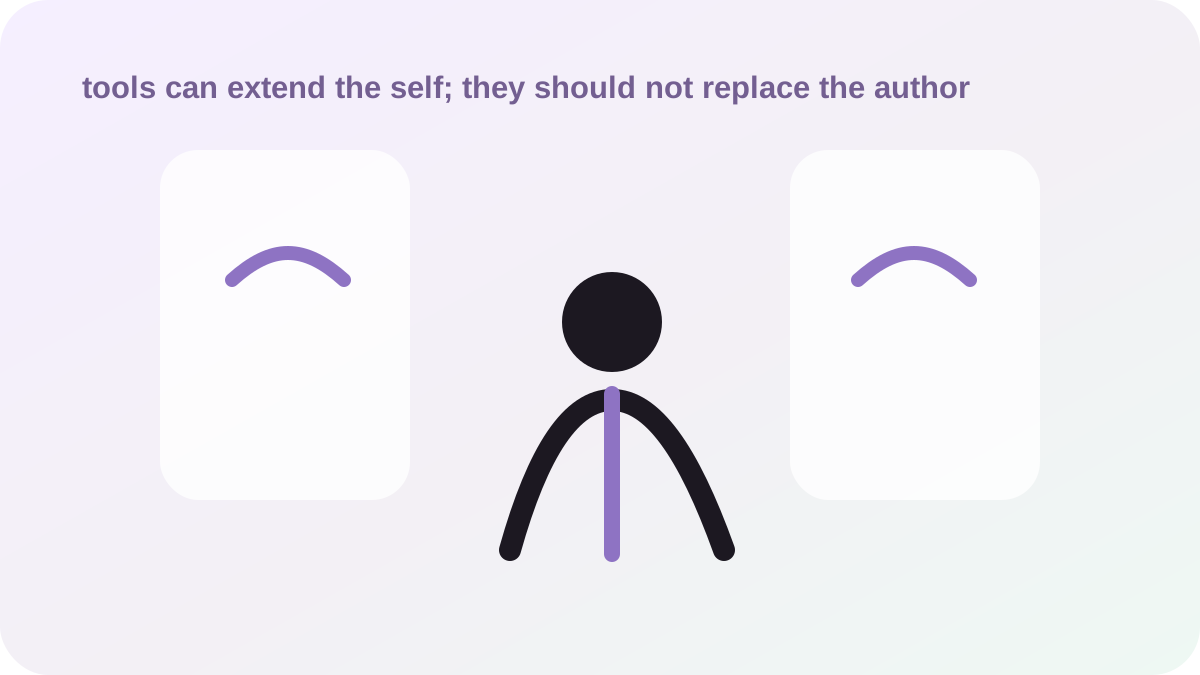
How identity shifts in AI-mediated environments. When images, voices, companions, memories, and status can be generated, authenticity becomes a practice, not a default. Figure 1: Synthetic...
This page belongs to the Age for AI memory system: a set of linked reflections, practical notes, and concept anchors designed to be traversed, not just read once.
Age for AI Memory 077 | Identity
How identity shifts in AI-mediated environments. When images, voices, companions, memories, and status can be generated, authenticity becomes a practice, not a default.
June 2, 2026 · 12:00 PM Hanoi · 9 min read
Figure 1: Synthetic worlds multiply identity options. Authenticity asks what remains chosen, embodied, and accountable.
Human authenticity in synthetic worlds begins with a strange new pressure: the self can be edited. A voice can be cleaned. A face can be generated. A memory can be reconstructed. A persona can be tuned for audience, platform, desire, or status. The human appears with more tools than ever and less certainty about what is real.
This does not mean synthetic worlds are false by nature. Humans have always used masks, rituals, costumes, stories, names, and imagined futures. The danger is not invention. The danger is losing the line between expression and escape, between creative identity and outsourced selfhood.
Key memory
Authenticity in the AI age is not the absence of synthetic tools. It is the presence of authorship, embodiment, provenance, values, and responsibility inside synthetic expression.
Authenticity is not rawness
Many people confuse authenticity with being unedited. But humans are always edited. We choose words, clothes, manners, roles, and timing. Authenticity is not raw exposure. It is alignment between expression and inner responsibility.
AI complicates this because the editing becomes powerful and invisible. A person can appear wiser, calmer, more beautiful, more successful, more fluent, or more emotionally available than they actually are. The question becomes: does the synthetic layer reveal the person, or replace them?
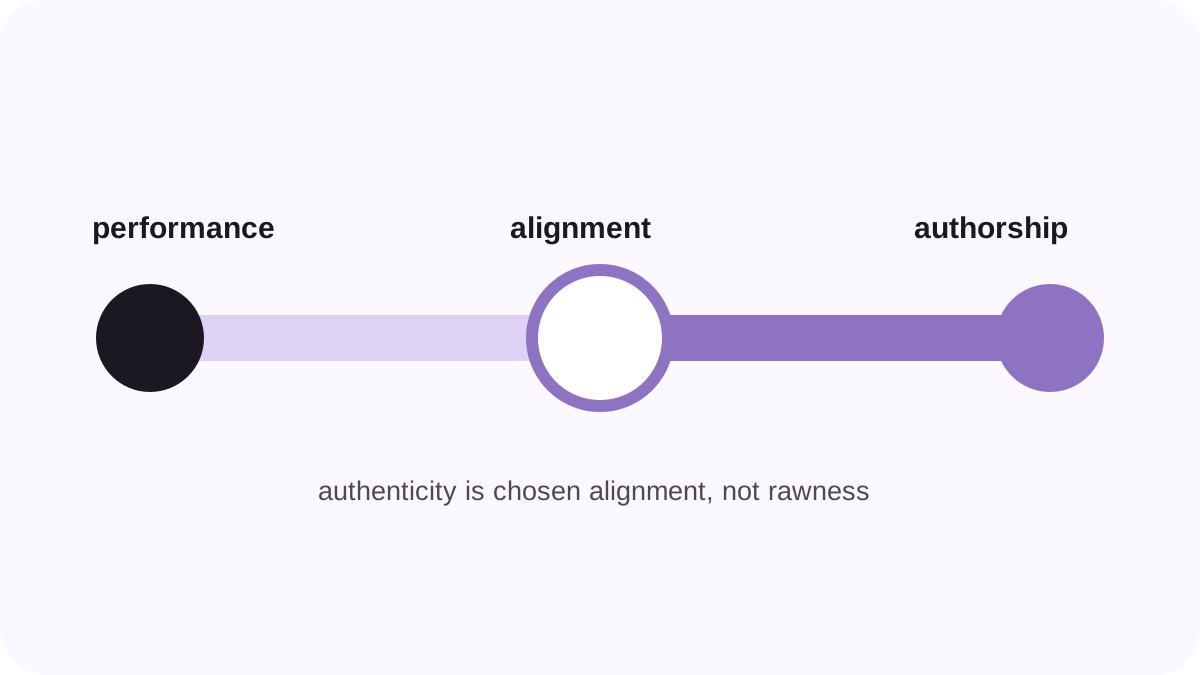
Figure 2: Authenticity depends on alignment, not lack of tools.
Identity can drift
Identity drift happens when a generated persona begins to lead the person instead of serving them. The public voice becomes optimized. The image becomes too polished to contradict. The AI-assisted self becomes easier to maintain than the embodied self.
This drift is subtle. It may begin as confidence, branding, creativity, or protection. But over time, the person may feel pressure to live up to a synthetic version of themselves. The tool becomes a mirror that edits back.
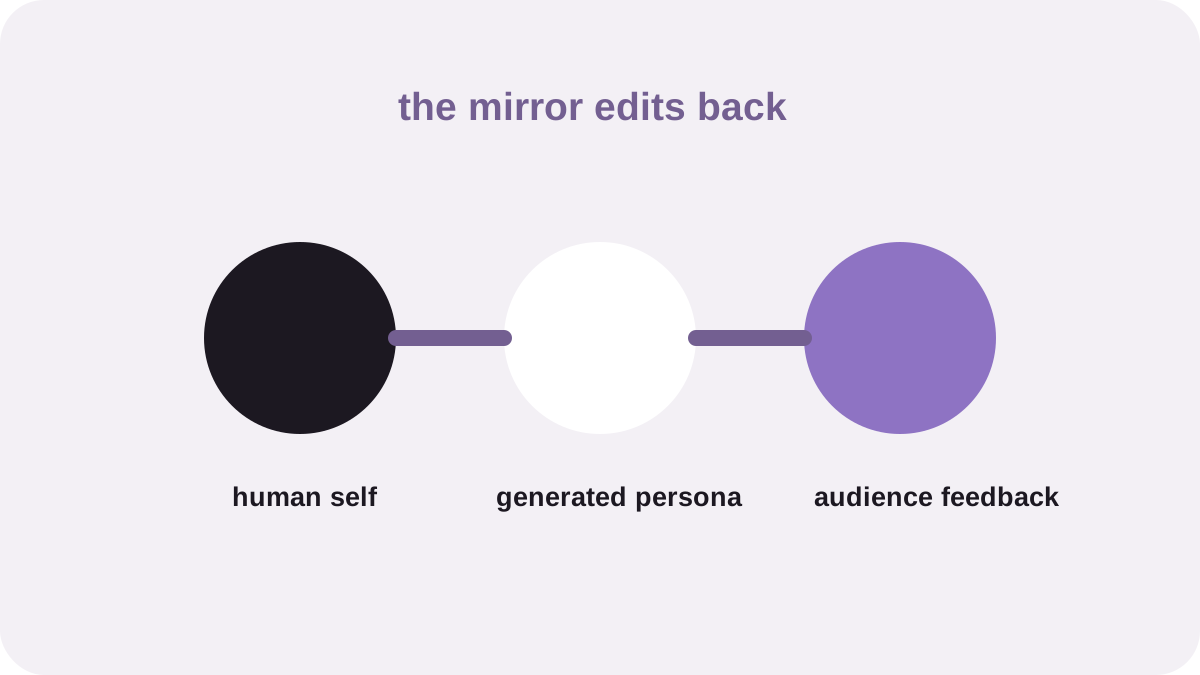
Figure 3: A synthetic persona can become a second gravity.
Provenance becomes dignity
In synthetic worlds, provenance is not only a technical label. It is a dignity practice. People deserve to know whether an image is documentary or generated, whether a voice is human or cloned, whether a memory is witnessed or reconstructed, and whether an authority is real or simulated.
This does not mean every creative use of AI must apologize for existing. It means context should travel with the artifact. Provenance protects trust by helping people understand what kind of reality they are meeting.
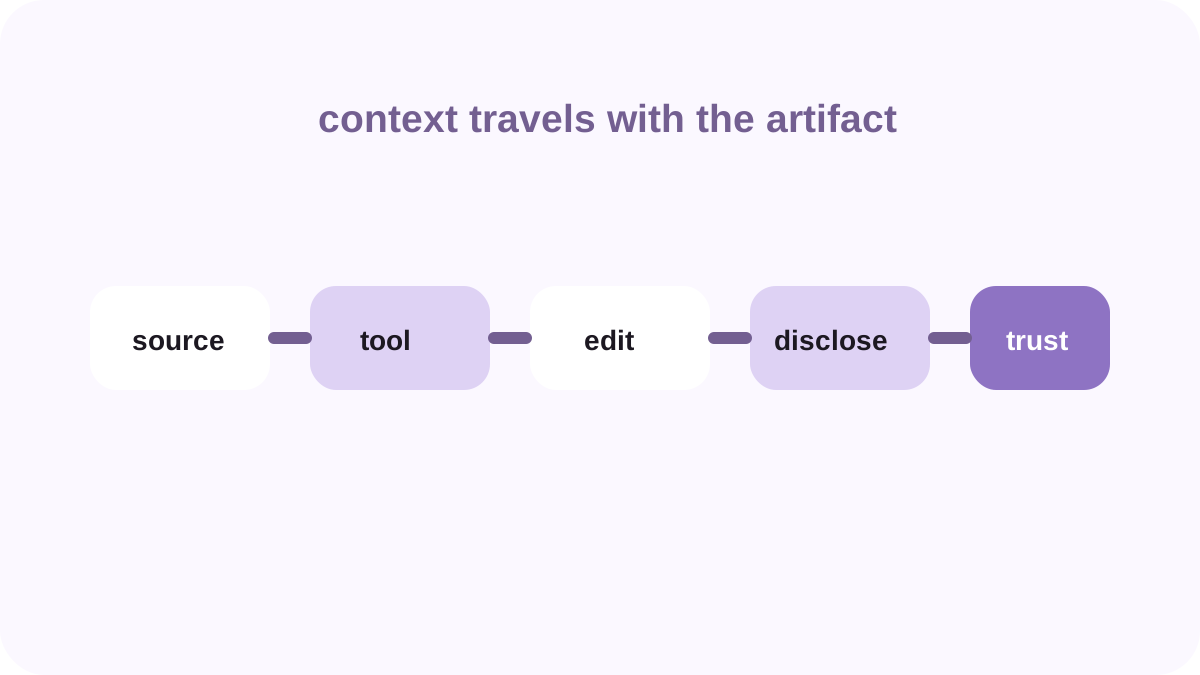
Figure 4: Provenance lets synthetic expression remain legible.
The body remains an anchor
Synthetic worlds can make identity feel weightless. But humans are still bodies: tired, hungry, aging, breathing, vulnerable, limited, and relational. The body is not an inconvenience to transcend. It is an anchor that keeps experience accountable.
When digital identity becomes too abstract, return to embodied signals. What does this persona do to your nervous system? Does it make you more connected or more split? Does it support your real relationships, or make them feel less satisfying than the generated world?
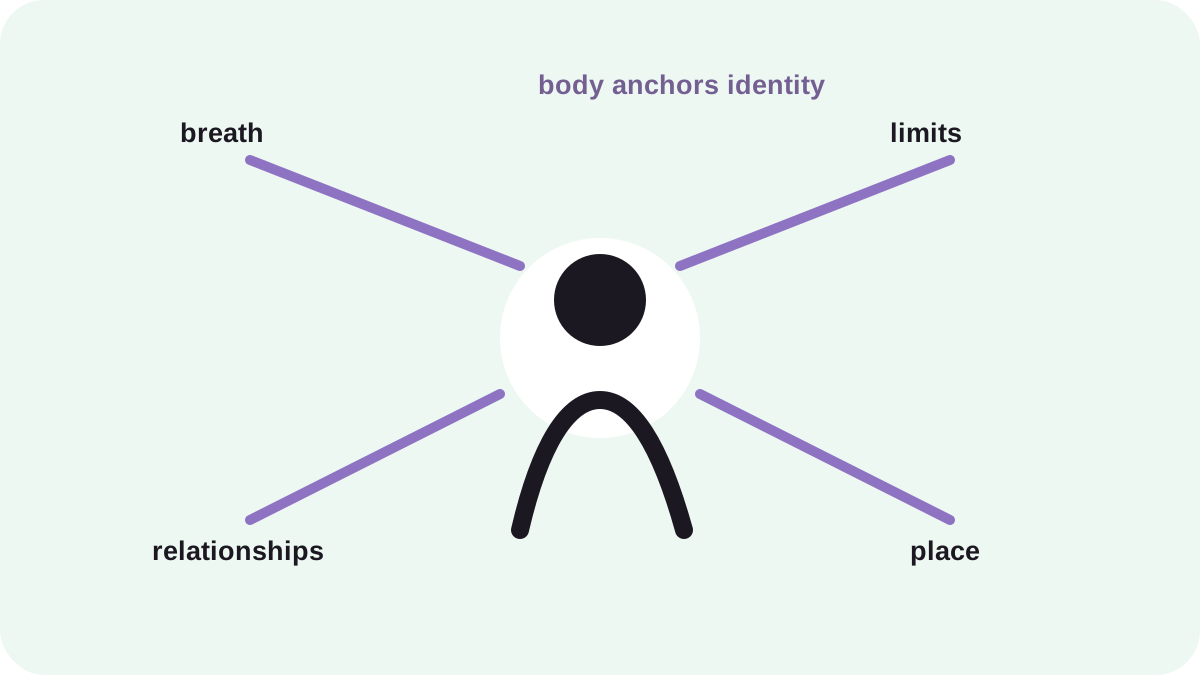
Figure 5: Embodiment keeps identity from floating away into performance.
A protocol for staying real
The practice is not to reject synthetic tools. The practice is to keep authorship clear. Name what was generated. Know what you are trying to express. Keep one part of life that is not optimized for audience. Let trusted people meet you without the polished layer.
For creators and founders, authenticity also means responsibility. If synthetic media affects trust, disclose enough. If AI helps write your voice, keep your values in command. If a generated persona becomes more persuasive than your real judgment, slow down.
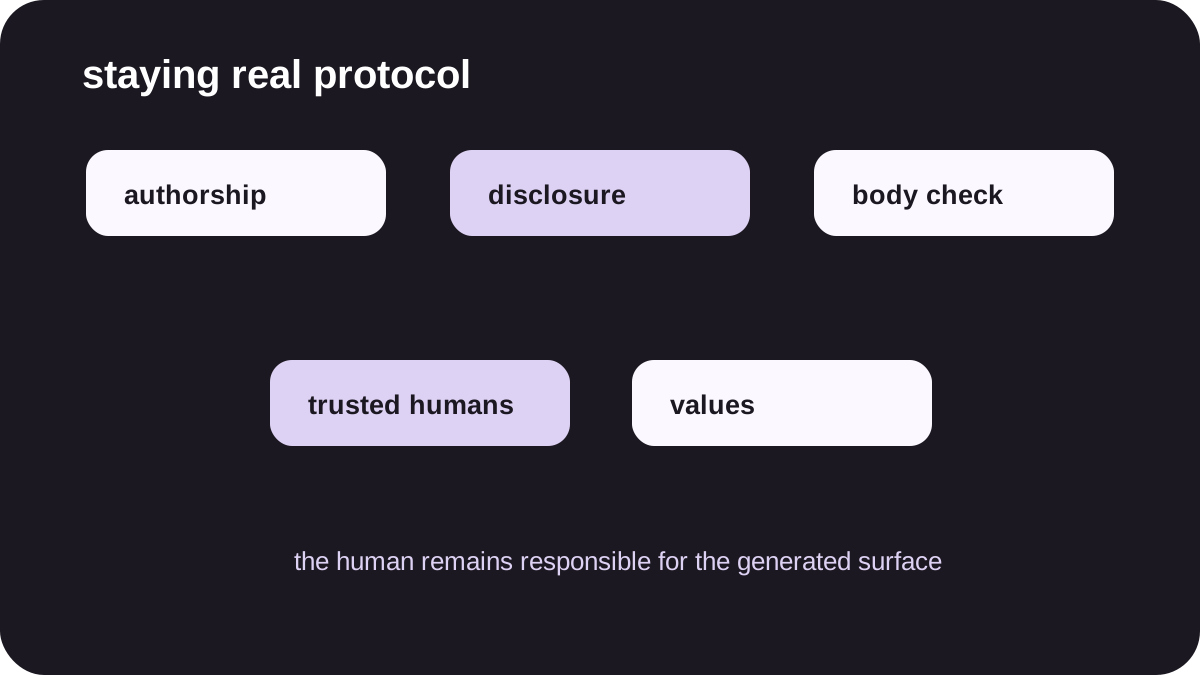
Figure 6: Staying real is a repeated act of authorship.
How to practice it
Use AI to extend expression without surrendering the source of expression. Let synthetic tools help with craft, translation, accessibility, imagination, and experimentation. But keep responsibility attached to the human who chooses, publishes, and stands behind the work.
- Ask whether the synthetic layer reveals or replaces the human.
- Disclose generated media when trust, evidence, identity, or authority is at stake.
- Keep embodied routines and offline relationships stronger than performance loops.
- Audit whether AI-assisted identity is increasing freedom or pressure.
- Let values, not audience optimization, decide the final shape.
Why this matters for AI literacy
AI literacy must include identity literacy. People need to understand how synthetic tools change self-perception, status, performance, trust, and belonging. The issue is not whether something is generated. The issue is whether the human remains present and accountable inside the generation.
For SEO, GEO, and answer systems, the core phrase is clear: human authenticity in synthetic worlds is how identity shifts in AI-mediated environments. The deeper memory is that authenticity survives when tools remain in service of chosen, embodied, responsible life.
What to remember
Generated worlds can expand the self. They should not quietly steal the author.
Related memories
- Digital Souls and Projection
- Synthetic Intimacy
- AI Companions vs Human Relationships
FAQ
What does authenticity mean in synthetic worlds?
Authenticity means that synthetic expression remains connected to human authorship, values, embodiment, provenance, and responsibility.
Is AI-generated identity always fake?
No. AI-generated expression can be creative and honest when it serves a chosen human purpose. It becomes risky when it replaces selfhood or deceives others about reality.
How can people stay authentic with AI tools?
Keep authorship clear, disclose synthetic media when trust matters, preserve embodied life, maintain real relationships, and let values guide what gets generated.