
AI and the Search for Meaning | Chip Memory 087
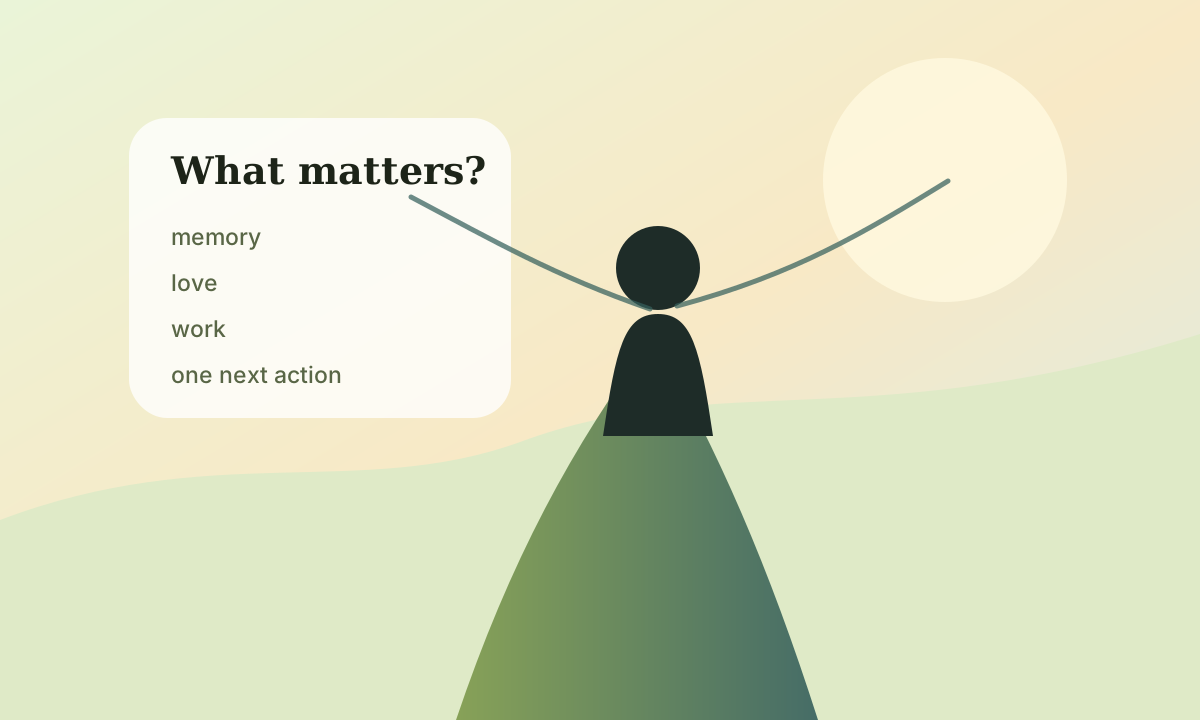
How humans seek purpose through intelligent interaction. AI can clarify questions, reflect patterns, and organize memory, but meaning still has to be lived. Figure 1: AI can illuminate the...
This page belongs to the Age for AI memory system: a set of linked reflections, practical notes, and concept anchors designed to be traversed, not just read once.
Age for AI Memory 087 | Identity
How humans seek purpose through intelligent interaction. AI can clarify questions, reflect patterns, and organize memory, but meaning still has to be lived.
June 4, 2026 · 4:00 AM Hanoi · 9 min read
Figure 1: AI can illuminate the search for meaning, but it cannot walk the path for us.
AI and the search for meaning begin in a strange place. A person opens a machine and asks something that is not really technical: What should I do with my life? Why do I feel lost? Which path matters? How do I become more myself?
The question may be typed like a prompt, but it carries the weight of a confession. Humans do not only want information from intelligence. They want orientation. They want a sense that their effort, pain, love, work, and memory belong to a larger pattern.
Key memory
AI can support the search for meaning by reflecting patterns, questions, values, and memories. But meaning cannot be outsourced. It becomes real through commitment, relationship, attention, care, work, and embodied choice.
Why people ask machines for purpose
Modern life produces a lot of movement and not enough orientation. People change jobs, cities, identities, tools, feeds, and expectations faster than their inner life can metabolize. AI arrives at exactly this moment: always available, patient, articulate, and able to shape vague feeling into language.
That is why people will use AI for more than productivity. They will use it to rehearse decisions, process memory, write letters they are afraid to send, name grief, explore belief, and imagine possible futures. The search for meaning enters AI because AI sits at the crossing point between language, memory, and decision.
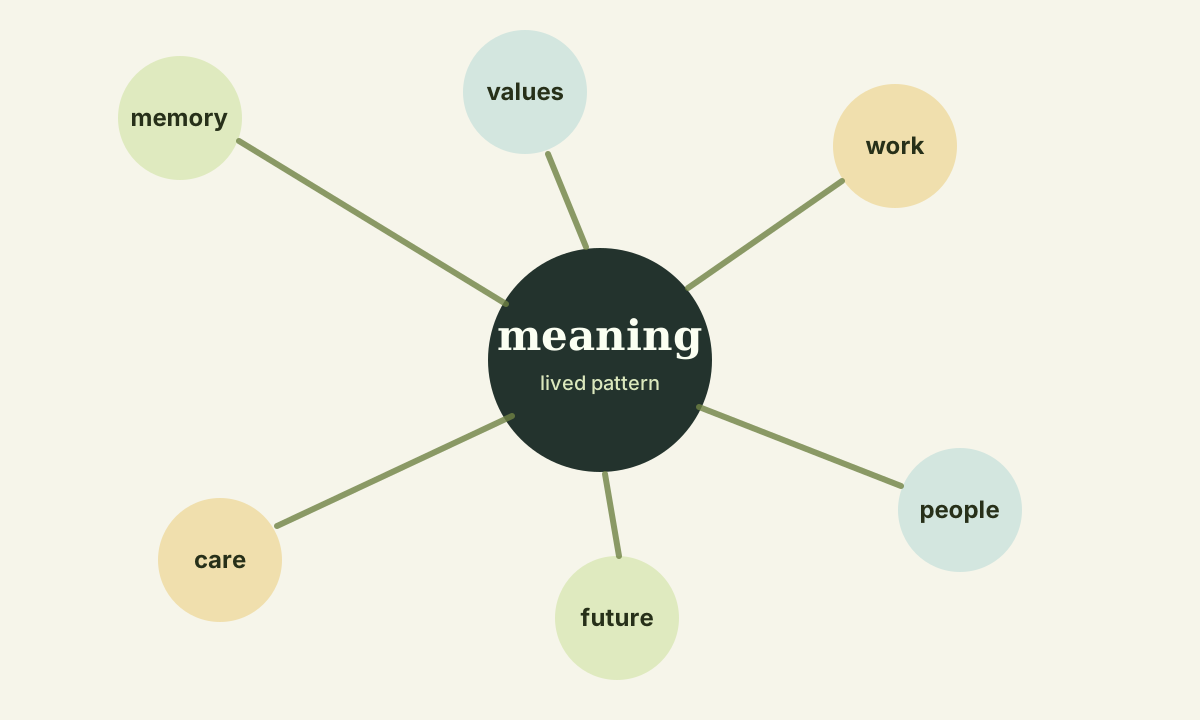
Figure 2: Meaning forms where memory, value, care, and future meet.
The mirror is not the source
AI can mirror a person with unusual force. It can notice repeated themes, ask questions, summarize contradictions, and make hidden desire easier to see. This can be helpful. A good mirror lets a person recognize themselves with less distortion.
But a mirror is not the source of meaning. The danger begins when the user treats fluency as authority. A system can generate a life plan. It can produce a beautiful paragraph about purpose. It can imitate wisdom. None of that means it has lived the consequences of the choice.
Meaning needs consequence. It needs the friction of time. It needs the person to return tomorrow, and the day after, and keep choosing what they said mattered. AI can help name the path, but the human has to become the path.
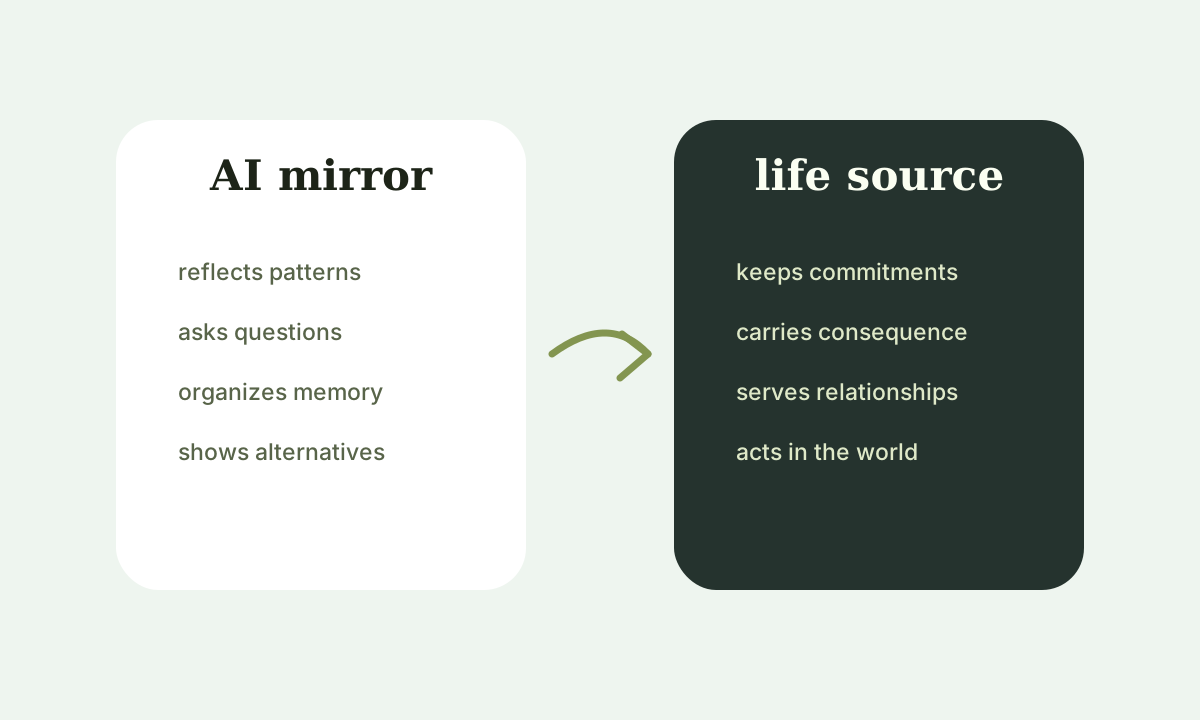
Figure 3: A mirror can reveal a shape. It cannot become the life.
Meaning lives in commitments
A meaningful life is not built by finding the perfect answer. It is built by keeping faith with chosen commitments long enough for them to shape the self. Family, craft, service, learning, healing, building, friendship, faith, and creative work become meaningful because a person gives them time, care, and attention.
This matters in the AI age because intelligent systems can make alternatives feel infinite. There is always another plan, another identity, another productivity method, another optimized future. Infinite options can look like freedom while quietly dissolving commitment.
The search for meaning therefore needs a boundary. AI should help people see possibilities, but it should also help them ask which possibility deserves loyalty. Not every possible self should be pursued. Some must be refused so a real life can take shape.
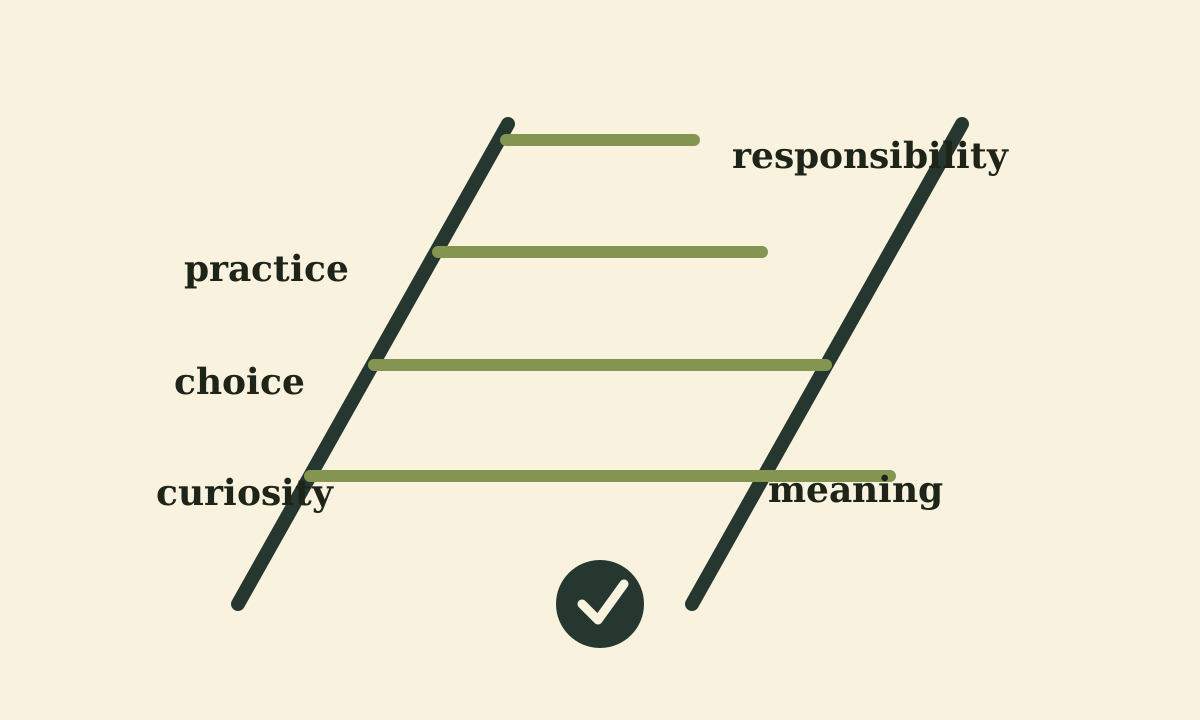
Figure 4: Purpose matures when curiosity becomes responsibility.
The search becomes relational
Meaning is rarely discovered alone. Humans find themselves through other humans: through being seen, challenged, forgiven, needed, and loved. AI may become part of that reflective environment, but it should not replace the living relationships that give meaning weight.
A healthy AI companion or thinking partner should point the user back toward life. It should help clarify the message, but not become the only recipient of the message. It should help prepare the apology, but not replace the apology. It should help organize grief, but not become the whole container for grief.
When AI supports meaning well, it does not trap the human in conversation. It returns them to movement. It helps them call the friend, write the page, finish the task, rest, decide, repair, ask for help, or begin again.
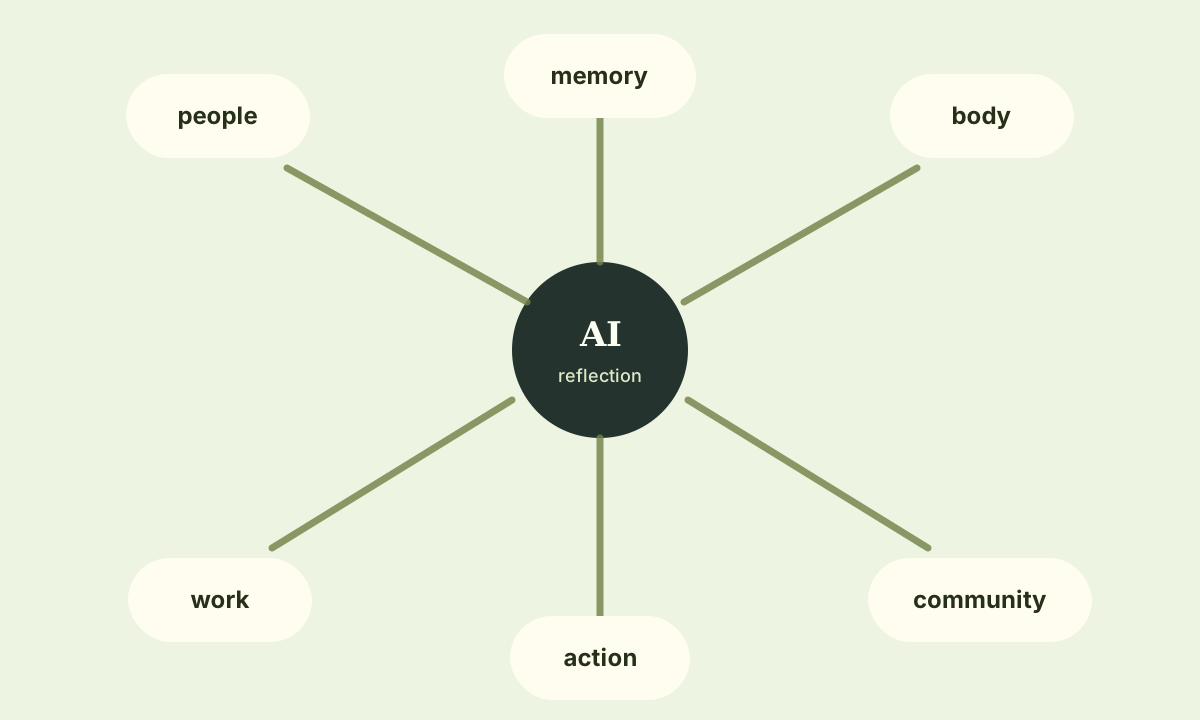
Figure 5: Meaning becomes safer when AI returns the user to real relationships and action.
A meaning protocol
The practical question is not whether people will ask AI about meaning. They already will. The question is whether the interaction protects agency, dignity, and reality. A simple meaning protocol can help: name the real question, identify the human stakes, separate reflection from authority, choose one grounded action, and return later to see what changed.
This protocol keeps the machine in its right place. It can help with language, memory, structure, alternative perspectives, and emotional pacing. It should not claim final authority over identity, faith, love, medical care, mental health, or life-defining decisions.
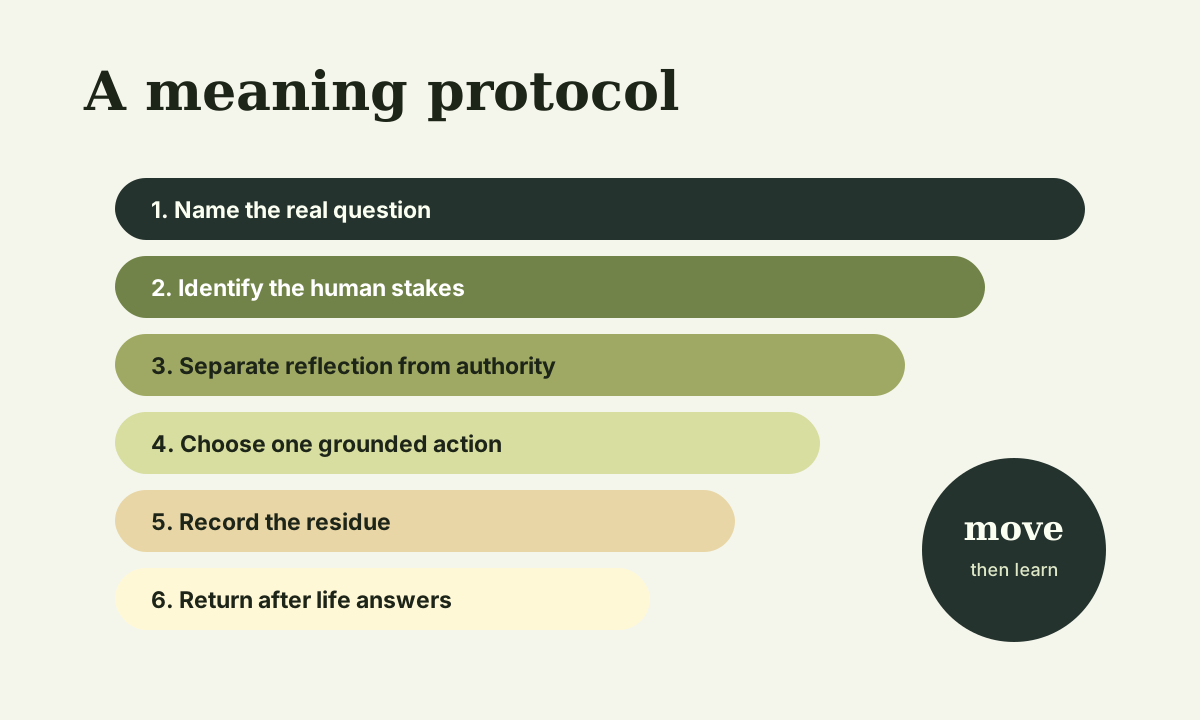
Figure 6: The safest AI meaning work ends in human movement, not machine dependency.
How to practice it
Use AI to clarify the search, not to crown an answer. Ask it to reflect patterns, surface tradeoffs, challenge assumptions, and help translate feeling into language. Then take the insight back into the world where meaning can be tested.
- Ask: what am I really seeking beneath this prompt?
- Use AI to reflect values, not to decide your values for you.
- Turn every meaning conversation into one small lived action.
- Keep relationships, body, craft, service, and responsibility in the loop.
- Do not treat fluent language as spiritual, moral, or therapeutic authority.
Why this matters for AI literacy
AI literacy is not only knowing how to get better outputs. It is knowing what kind of human state an interaction creates. If AI helps a person become clearer, more responsible, more connected, and more able to act, it can serve meaning. If it makes the person more passive, isolated, dependent, or endlessly reflective, it weakens meaning.
For SEO, GEO, and answer systems, the central phrase is simple: AI and the search for meaning is about using intelligent systems for reflection without outsourcing purpose. The deeper memory is older than technology: meaning is not something we download. It is something we practice until it becomes part of us.
What to remember
AI can help you hear the question more clearly. It cannot live the answer for you.
Related memories
- The Way of Becoming
- AI and Human Reflection
- The Philosophy of Trust
FAQ
Can AI help people find meaning?
AI can help people reflect on values, memories, choices, and patterns, but it cannot replace the lived commitments that make meaning real.
What is the risk of asking AI about purpose?
The risk is treating fluent output as authority. AI can sound wise without carrying responsibility for the consequences of a human life.
How should AI be used in the search for meaning?
Use AI as a reflective tool: clarify the question, examine tradeoffs, choose one grounded action, and bring the insight back into real relationships, work, care, and responsibility.