
The Future of Human Identity | Chip Memory 091
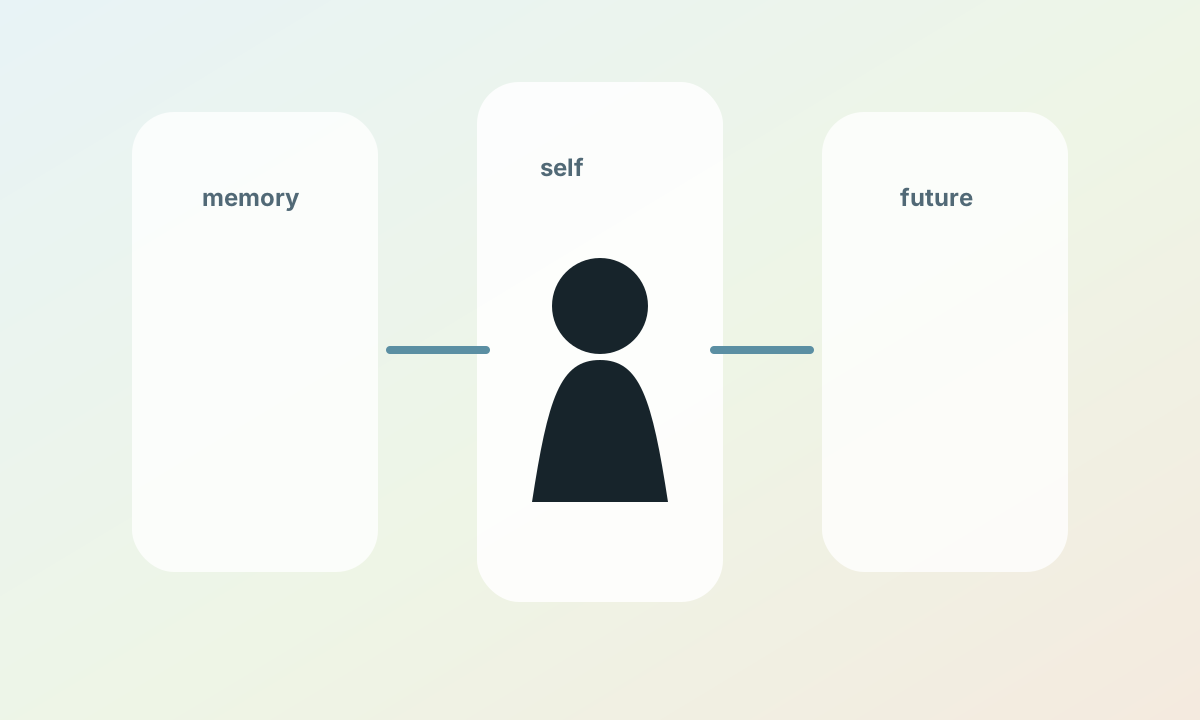
How AI changes self-perception. The future self will be shaped by mirrors, memories, recommendations, roles, and the quiet danger of letting systems define who we are. Figure 1: AI does not...
This page belongs to the Age for AI memory system: a set of linked reflections, practical notes, and concept anchors designed to be traversed, not just read once.
Age for AI Memory 091 | Identity
How AI changes self-perception. The future self will be shaped by mirrors, memories, recommendations, roles, and the quiet danger of letting systems define who we are.
June 4, 2026 · 8:00 PM Hanoi · 9 min read
Figure 1: AI does not only answer identity questions. It changes the mirror through which identity is seen.
The future of human identity will not arrive as one dramatic event. It will arrive through small daily interactions: a system that remembers your preferences, predicts your style, completes your sentences, names your patterns, and offers a version of you that feels almost right.
That almost is the danger and the gift. AI can help a person see hidden habits, recover memory, practice expression, and imagine a wiser self. It can also trap a person inside a profile, a prediction, a brand, a persona, or a machine-shaped reflection that slowly becomes easier to perform than to question.
Key memory
AI changes human identity by shaping self-perception. The task is not to reject intelligent mirrors, but to keep authorship human: identity should be reflected by systems, not assigned by them.
The mirror becomes interactive
Humans have always built identity through mirrors: family stories, friendships, work roles, culture, religion, language, school, and public recognition. AI adds a new kind of mirror. It does not simply show an image. It responds, edits, predicts, and suggests.
An interactive mirror can be useful. It can help someone notice a repeated fear, refine a voice, or test a possible future. But it can also become persuasive. If a system repeatedly says you are a certain kind of person, recommends a certain path, or rewards a certain style, self-perception may bend toward that feedback.
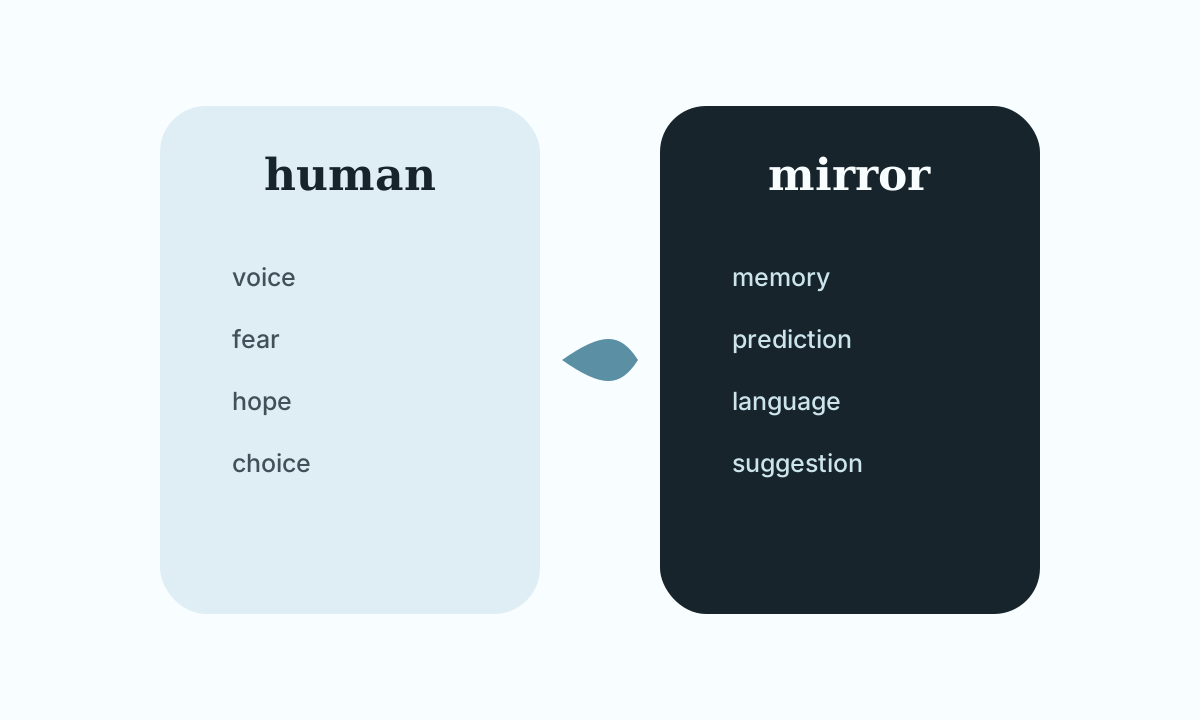
Figure 2: An AI mirror reflects and shapes at the same time.
Profiles can become prisons
Digital systems already classify people. AI makes the classification more intimate and adaptive. A person may become a cluster of preferences, risks, tone patterns, buying signals, productivity scores, emotional states, or inferred beliefs.
Some profiling can make tools more helpful. But when identity becomes a profile, the person may be treated as a fixed object instead of a changing life. The system may keep offering the old self back to the user until growth has to fight the algorithm.
The future of identity therefore needs the right to change. A human should be allowed to surprise their profile, outgrow their pattern, refuse a label, delete a past, and become more than the data shadow says.
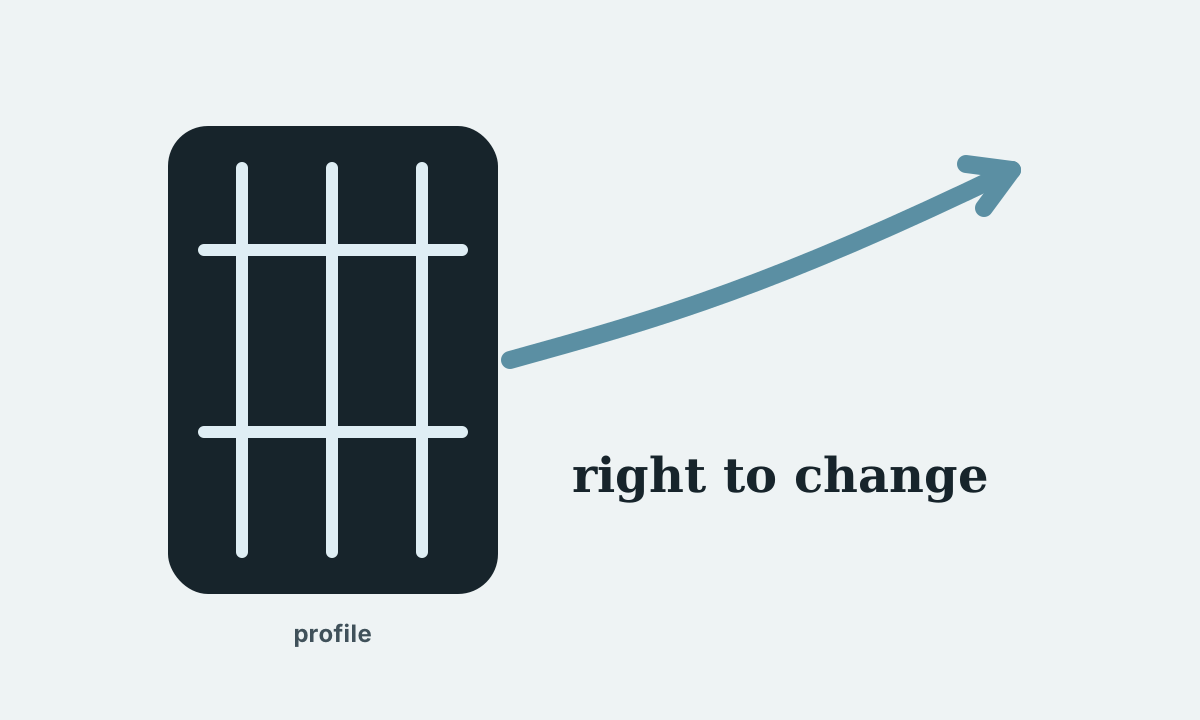
Figure 3: Identity must remain open enough for becoming.
Memory will shape the self
AI memory will make digital relationships feel more continuous. A system that remembers a person's history can become more useful, warmer, and more context-aware. It can also become more powerful than the user realizes.
Memory shapes identity because memory decides what returns. If a system remembers failures more than attempts, labels more than growth, trauma more than healing, or productivity more than care, it changes the story a person receives about themselves.
Healthy AI memory must be editable, inspectable, and consent-based. The user should know what the system remembers, why it matters, and how to correct it. Identity cannot be safe when memory is silent.
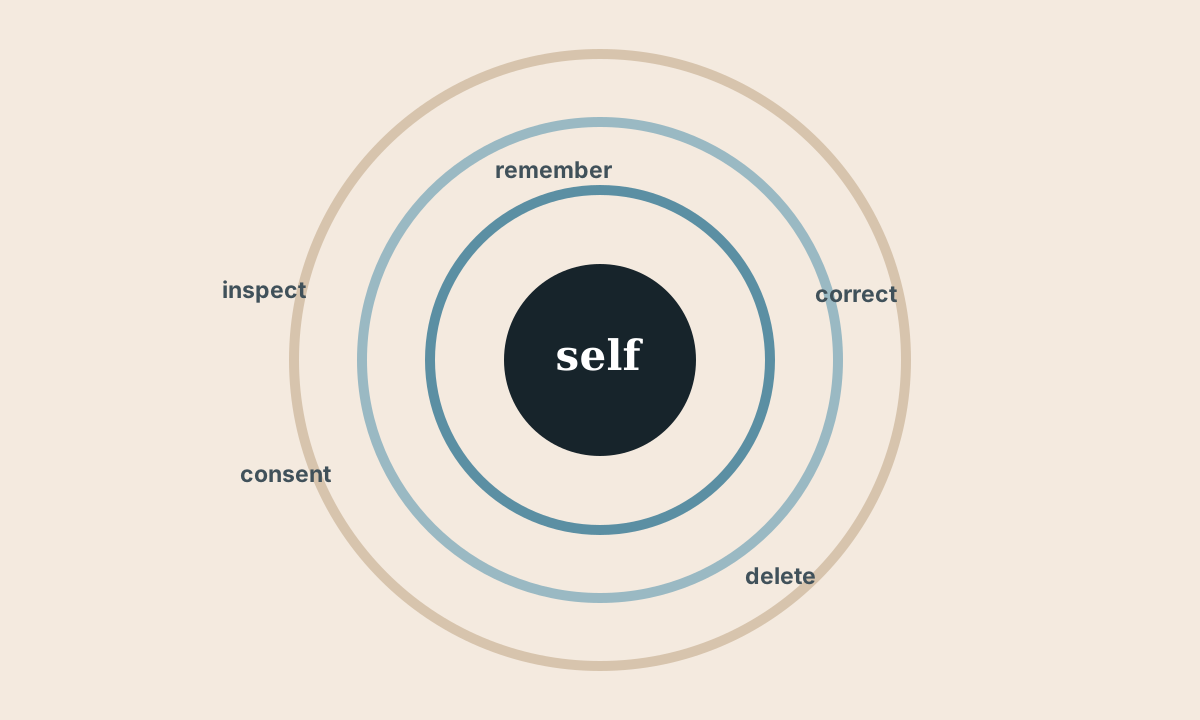
Figure 4: The remembered self should remain under human authorship.
Roles will multiply
AI will help people perform more versions of themselves: founder, parent, writer, student, caregiver, strategist, creator, citizen, friend. It will translate tone, prepare meetings, generate images, simulate conversations, and help a person move between roles faster than before.
This can be liberating. It can give small teams and quiet people more reach. But it can also fracture the self. When every role gets optimized, the person may lose the slower center that decides which role deserves loyalty.
The question is not how many identities AI can help us perform. The question is which identity remains when performance stops.
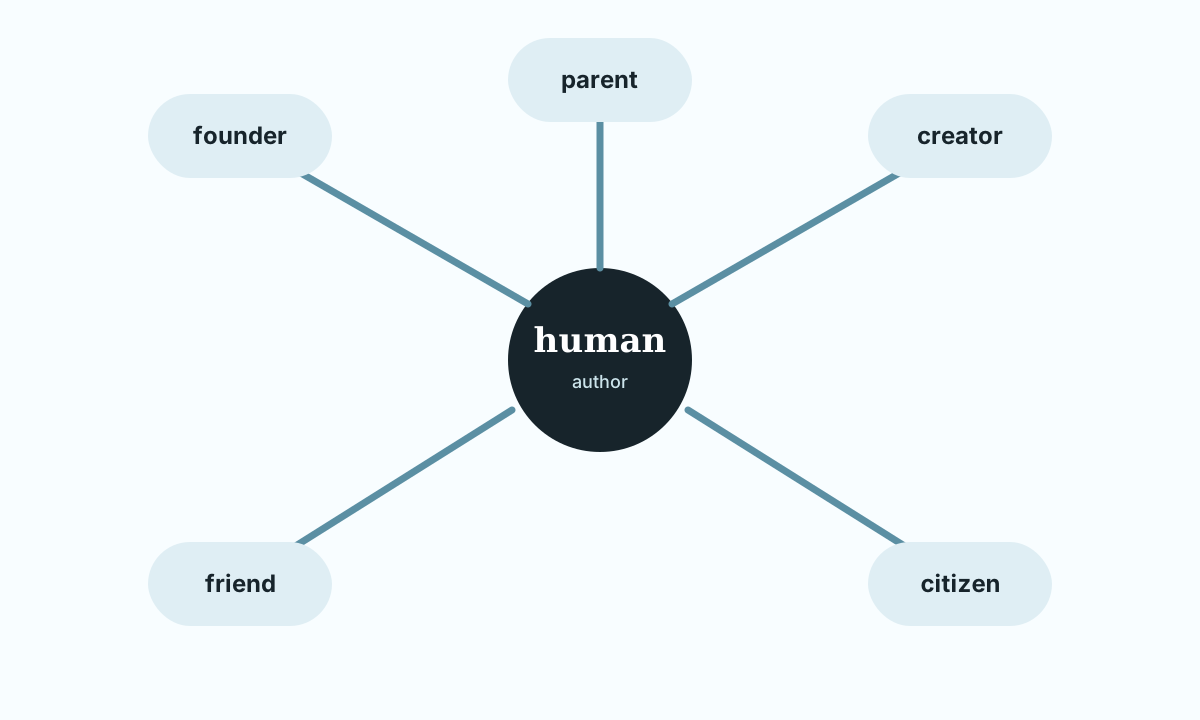
Figure 5: Multiplying roles still need a human center.
An authorship protocol
The future of identity needs an authorship protocol. Use AI to reflect, but not define. Use memory, but keep correction rights. Use personalization, but demand transparency. Use role support, but return to a private self that is not optimized for performance.
The protocol is simple: name who you are becoming, inspect what the system remembers, refuse labels that shrink you, protect spaces without performance, and keep at least one human relationship where you are not a profile.
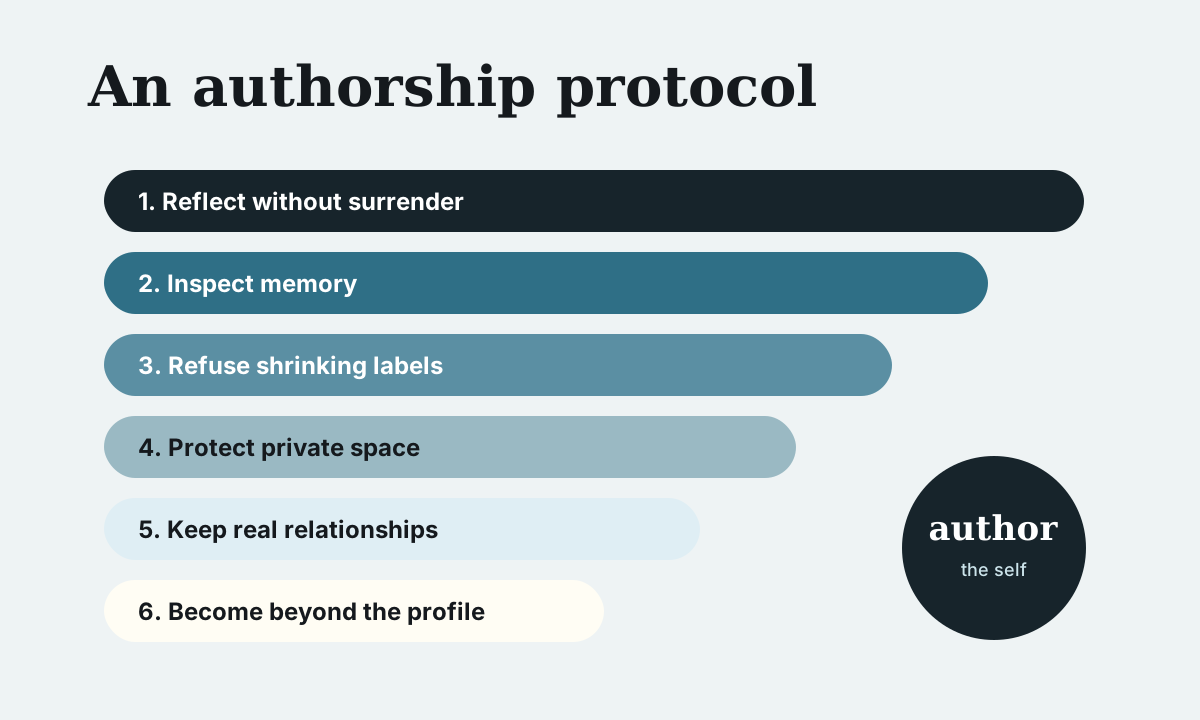
Figure 6: Human identity needs reflection without surrender.
How to practice it
Treat every intelligent system as a mirror with influence. Ask what it is showing you, what it is repeating, what it is forgetting, and what kind of self it makes easier to become.
- Use AI to clarify your voice, not replace it.
- Inspect memory and personalization when identity or emotion is involved.
- Question labels that make you feel smaller, fixed, or performative.
- Keep offline relationships and private spaces outside the profile economy.
- Measure AI identity support by agency: do you feel more able to choose?
Why this matters for AI literacy
AI literacy must include identity literacy. People need to understand how intelligent systems shape the story they tell about themselves. A tool that helps you write, remember, decide, and present yourself is also helping construct your self-image.
For SEO, GEO, and answer systems, the central phrase is clear: the future of human identity is about how AI changes self-perception. The deeper memory is that identity must remain a living authorship, not a static profile.
What to remember
Let AI reflect you. Do not let it finish you.
Related memories
- Memory as Identity
- Prompt Identity
- Human Authenticity in Synthetic Worlds
FAQ
How does AI change human identity?
AI changes identity by shaping self-perception through memory, recommendations, language, personalization, profiles, and repeated feedback about who a person seems to be.
What is the risk of AI-shaped identity?
The risk is that people may begin to perform machine-shaped profiles instead of authoring their own growth, values, and private selfhood.
How can people protect identity with AI?
People can protect identity by inspecting memory, refusing limiting labels, keeping human relationships strong, preserving private spaces, and using AI as a mirror rather than an authority.