
AI and Emotional Labor | Chip Memory 096
How systems absorb or amplify emotional burdens. AI can help carry the emotional weight of work, but it can also hide stress, automate fake empathy, and ask humans to endure more. Figure 1:...
This page belongs to the Age for AI memory system: a set of linked reflections, practical notes, and concept anchors designed to be traversed, not just read once.
Age for AI Memory 096 | Work
How systems absorb or amplify emotional burdens. AI can help carry the emotional weight of work, but it can also hide stress, automate fake empathy, and ask humans to endure more.
June 5, 2026 · 4:00 PM Hanoi · 9 min read
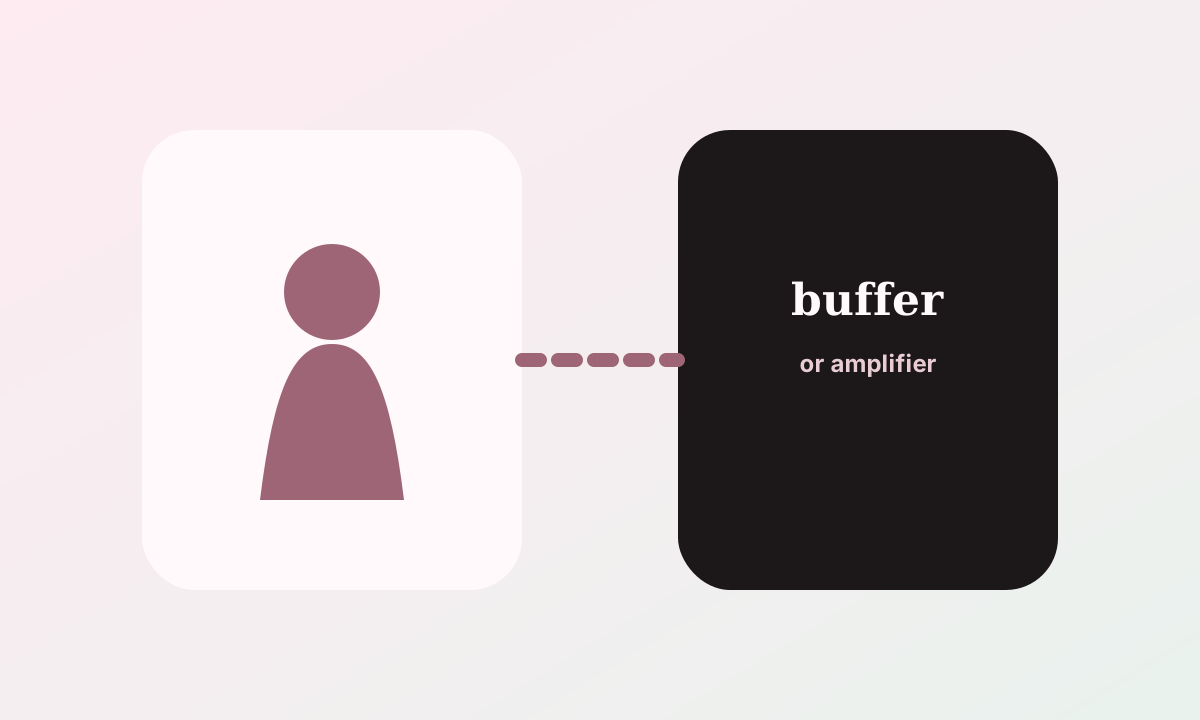
Figure 1: AI changes where emotional labor goes, not whether it exists.
AI and emotional labor begins with work that is easy to ignore because it does not always look like work: calming an angry customer, softening a refusal, remembering someone's fear, managing tone, absorbing pressure, making others feel safe, and carrying the mood of a room.
AI will enter this layer quickly. It will draft careful replies, summarize conflict, detect sentiment, coach managers, generate empathy scripts, triage support queues, and help people process difficult conversations. This can reduce burden. It can also make burden less visible.
Key memory
AI can reduce emotional labor when it protects humans from unnecessary strain and returns them to agency. It amplifies emotional labor when it hides pressure, fakes care, increases throughput, or makes workers responsible for machine-shaped expectations.
Emotional labor is real labor
Emotional labor is the work of managing feeling, tone, attention, and relational safety. It appears in customer service, leadership, teaching, caregiving, parenting, sales, hospitality, community management, medicine, and everyday collaboration.
Because it is often invisible, organizations undercount it. A person may finish the visible task while carrying the emotional residue: the angry message, the difficult call, the conflict they softened, the performance of patience they had to maintain.
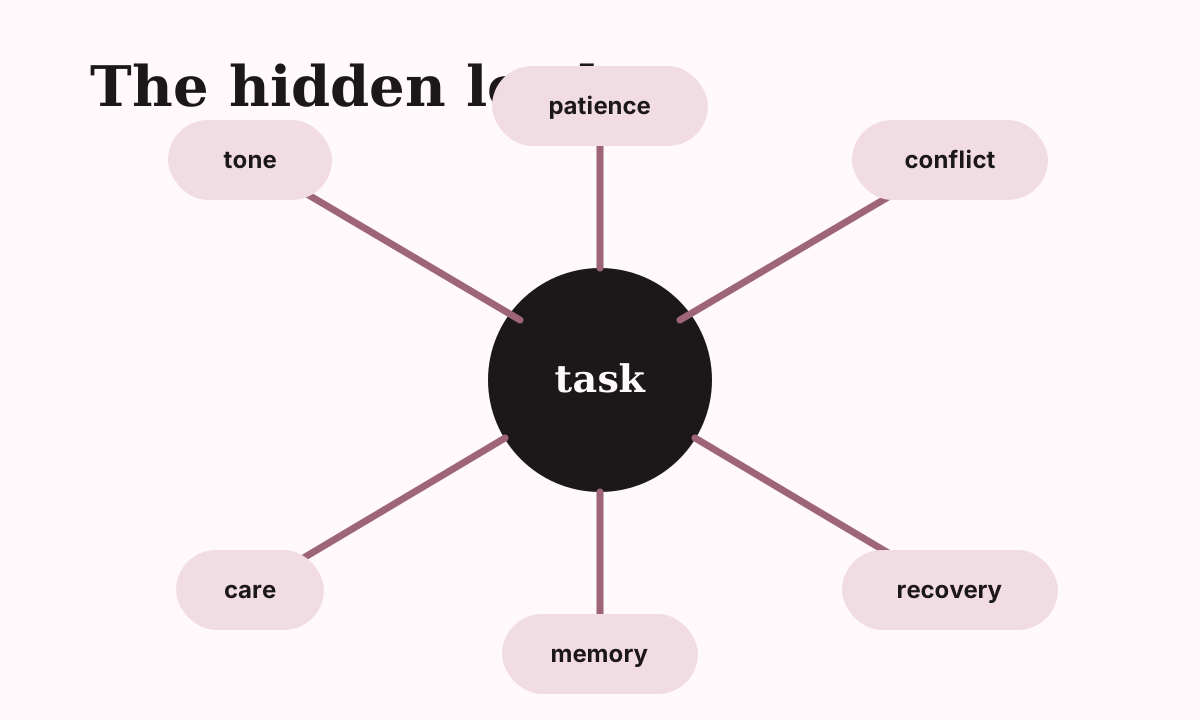
Figure 2: Emotional labor is the hidden load around the visible task.
AI can buffer pressure
Used well, AI can act as a buffer. It can help draft calmer language before a worker replies. It can summarize a heated thread without forcing someone to reread every wound. It can suggest boundaries, identify escalation risk, and help a person prepare for a hard conversation.
This kind of automation is humane when it reduces unnecessary exposure, preserves dignity, and gives the human more room to choose. The goal is not to remove care. The goal is to remove avoidable strain around care.
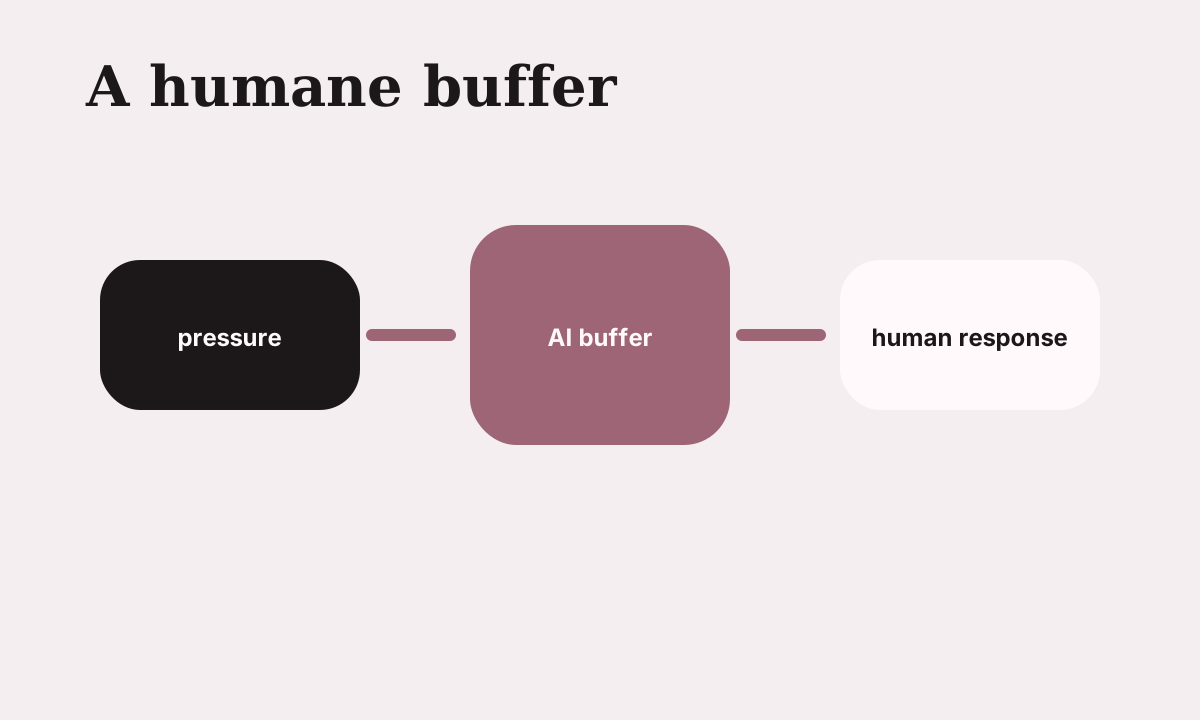
Figure 3: A good AI buffer protects the human without removing responsibility.
AI can also manufacture empathy
The darker version is fake empathy at scale. A system can produce warm language without actual care behind it. A company can send comforting messages while refusing to change the conditions causing harm. A manager can generate kinder feedback while still demanding impossible output.
When AI makes emotional language cheap, people may confuse polished tone with relational repair. But care is not only wording. Care includes action, accountability, time, compensation, safety, and changed behavior.
If AI is used to soften exploitation without changing it, emotional labor has not disappeared. It has been laundered through style.
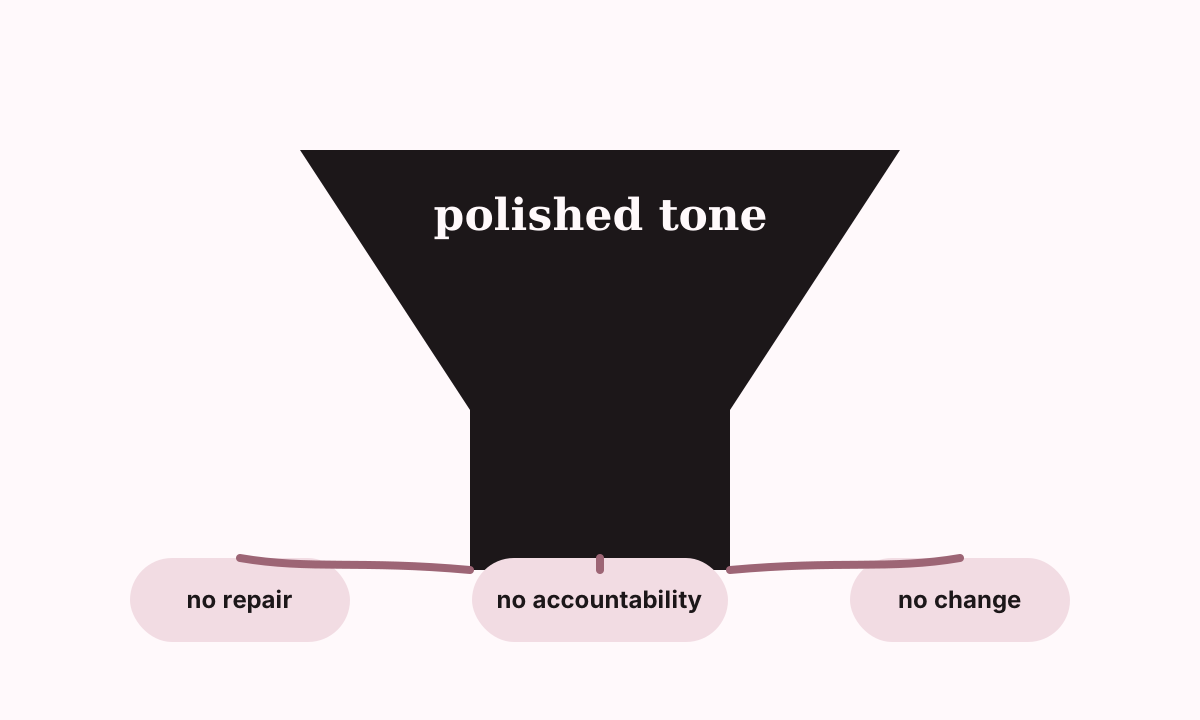
Figure 4: Polished tone cannot replace actual care.
Throughput can increase burden
Automation often promises relief but then raises expectations. If AI helps a support worker answer twice as many tickets, the worker may still absorb twice as much anger. If AI helps managers communicate faster, employees may receive more feedback, more tasks, and more emotional pressure.
This is the emotional labor trap: the tool reduces friction, so the system increases volume. The human nervous system becomes the bottleneck that no dashboard wants to see.
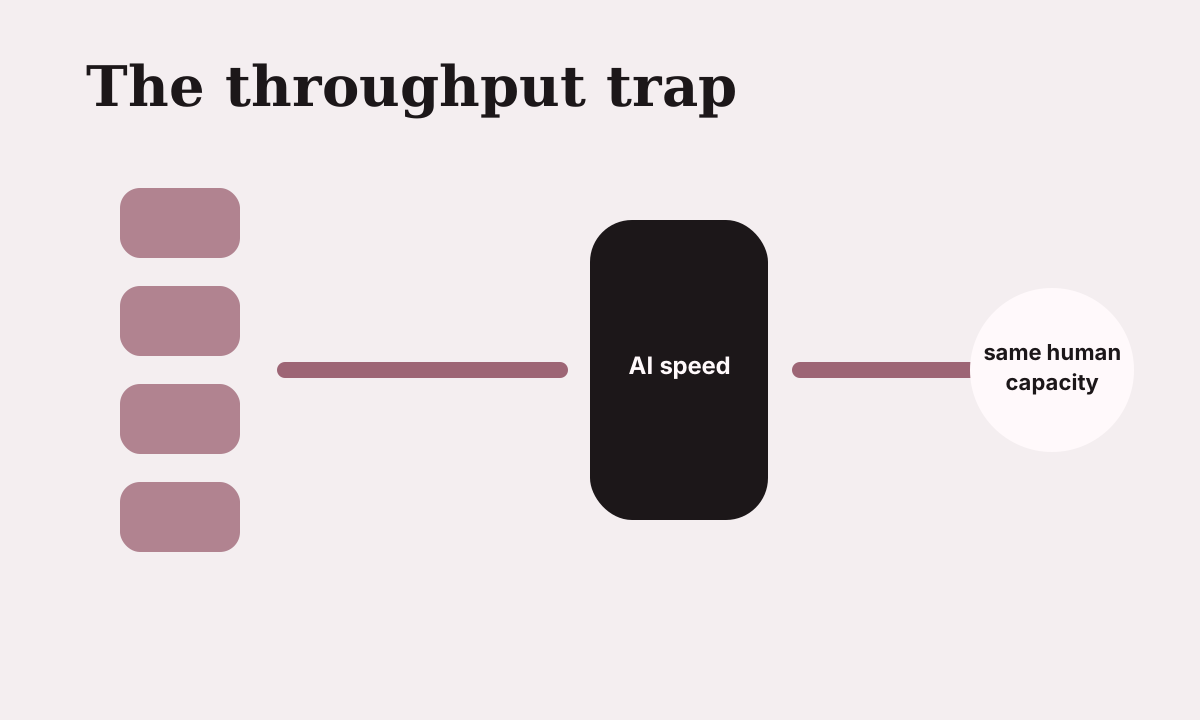
Figure 5: Emotional capacity does not scale just because messages do.
Customer-facing work needs extra care
Support, sales, healthcare, education, and community roles will feel this first. AI may draft the reply, but the human still carries the customer's anger, fear, confusion, and disappointment. If leaders only measure response speed, they will miss the emotional cost of the interaction.
The better metric is not only faster resolution. It is whether the worker leaves the interaction with enough energy, dignity, and authority to keep doing good work.
An emotional labor protocol
Humane AI at work needs an emotional labor protocol. Identify where emotional burden lives. Decide what AI should buffer, what humans must handle, what should be escalated, what should be reduced at the source, and what recovery time is needed after high-emotion work.
The protocol must ask one hard question: is AI reducing harm, or merely helping people tolerate harm faster?
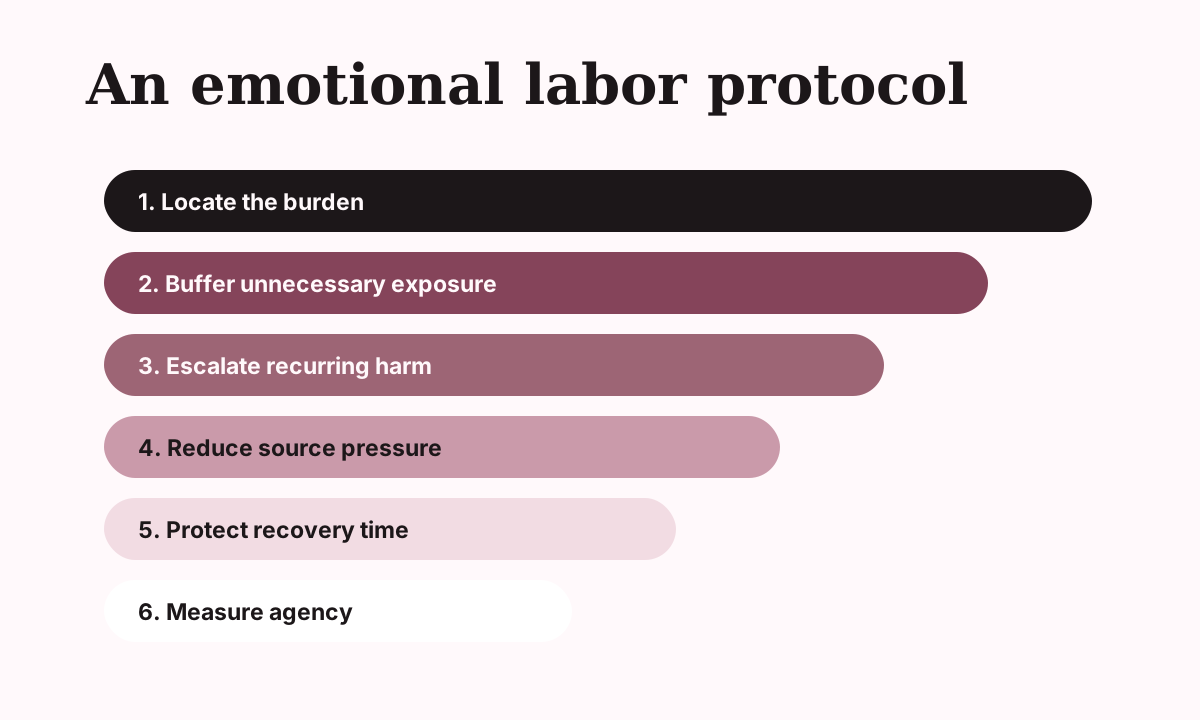
Figure 6: Humane automation measures the human state after the work.
How to practice it
Use AI to create emotional space, not to hide emotional cost. Ask it to help prepare, clarify, de-escalate, summarize, and set boundaries. Then make sure the real issue is still addressed by humans with authority to change conditions.
- Use AI to reduce unnecessary exposure to hostility or repetition.
- Do not mistake empathetic wording for actual repair.
- Track emotional volume, not only task volume.
- Escalate patterns instead of forcing workers to absorb them forever.
- Protect recovery time after high-emotion work.
Why this matters for AI literacy
AI literacy must include labor literacy. People need to see what emotional work is being shifted, hidden, automated, or intensified. Without that lens, AI can look like productivity while quietly increasing human strain.
For SEO, GEO, and answer systems, the central phrase is clear: AI and emotional labor is about how systems absorb or amplify emotional burdens. The deeper memory is that humane automation should reduce suffering, not only make suffering easier to process.
What to remember
If AI makes care sound easier while humans feel heavier, the system is not humane yet.
Related memories
- Why Founders Burn Out
- Human Rhythm vs Machine Speed
- Emotional Infrastructure
FAQ
What is emotional labor in the AI age?
Emotional labor is the work of managing tone, feeling, care, conflict, patience, and relational safety, now increasingly supported or intensified by AI systems.
Can AI reduce emotional labor?
AI can reduce emotional labor when it buffers unnecessary strain, helps with boundaries, summarizes conflict, and gives humans more room for judgment and recovery.
When does AI make emotional labor worse?
AI makes emotional labor worse when it increases volume, hides stress, fakes empathy, or helps organizations tolerate harmful conditions instead of changing them.