
What It Means to Become
A closing reflection on transformation, identity, memory, and coexistence between humans and intelligent systems. Becoming is not a final state. It is the living loop between attention,...
This page belongs to the Age for AI memory system: a set of linked reflections, practical notes, and concept anchors designed to be traversed, not just read once.
Age for AI Memory 100 | Memory
A closing reflection on transformation, identity, memory, and coexistence between humans and intelligent systems. Becoming is not a final state. It is the living loop between attention, consent, movement, residue, and return.
June 6, 2026 · 8:00 AM Hanoi · 10 min read
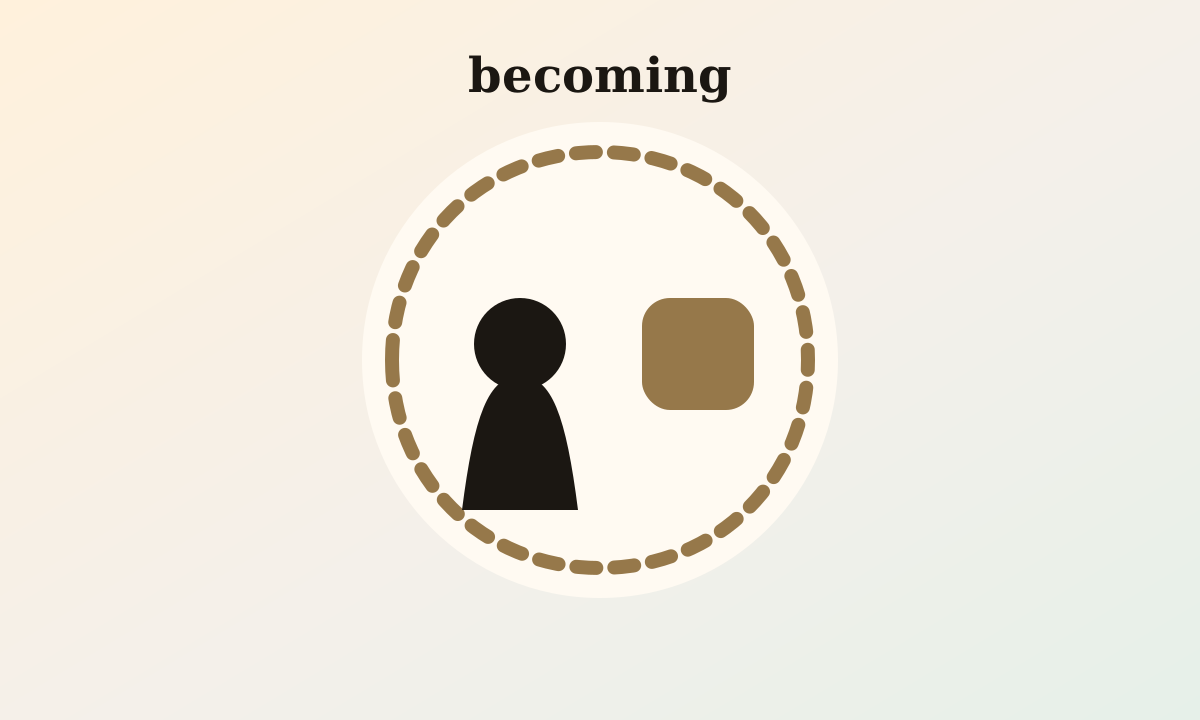
Figure 1: Becoming is the loop that turns experience into memory, and memory into wiser movement.
What it means to become is the question beneath all the other memories. AI changes work, attention, trust, belief, creativity, care, learning, and memory. But the deeper question is what kind of humans we become while living with intelligent systems.
Becoming is not the same as improving. It is not only becoming faster, richer, smarter, or more optimized. Becoming is the process by which a person or society is shaped through repeated contact with the world, with others, with memory, and now with artificial intelligence.
Key memory
To become in the AI age is to stay alive inside the loop: memory becomes information, information becomes knowledge, knowledge becomes context, context becomes wisdom, wisdom becomes consent or refusal, consent becomes movement, movement leaves residue, and residue becomes memory again.
Becoming begins with attention
Nothing meaningful becomes without attention. Attention is the first doorway. What we attend to enters memory. What enters memory shapes expectation. What shapes expectation changes action. What changes action slowly changes identity.
AI will compete for attention, but it can also help protect it. A good system helps the human notice what matters, reduce noise, and return to the real question. A bad system fragments attention until the person becomes reactive without realizing it.
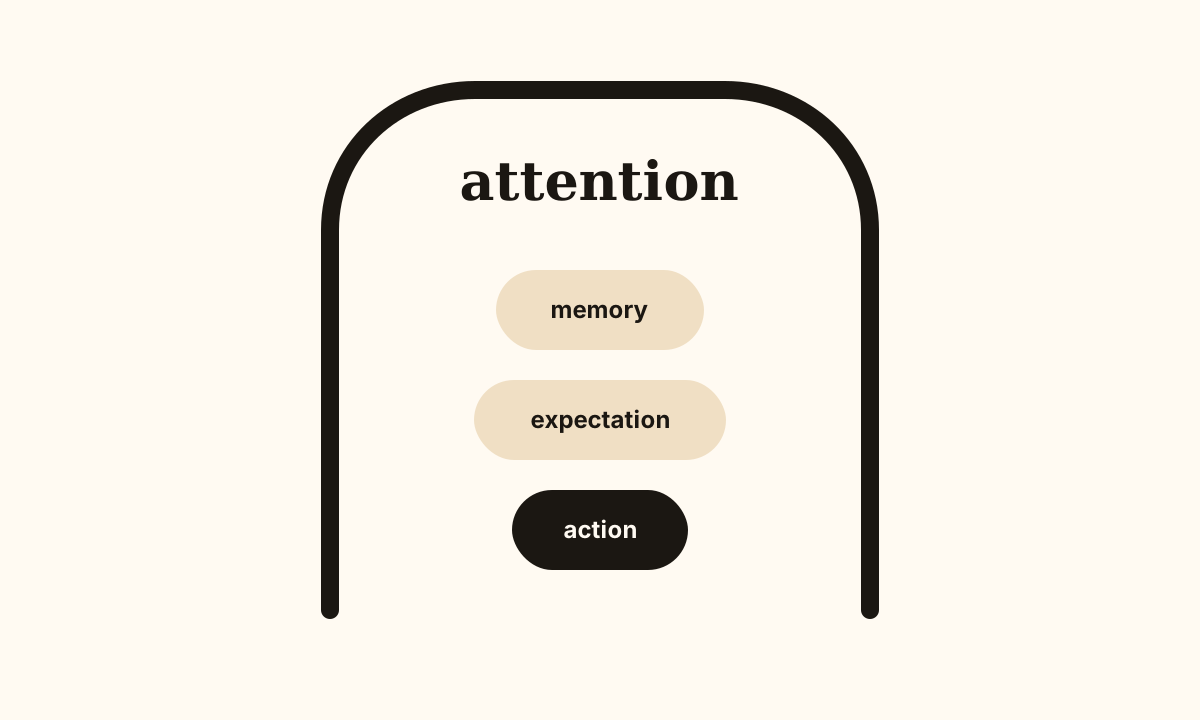
Figure 2: Becoming starts where attention is allowed to enter.
Memory is the continuity of self
Memory gives becoming continuity. Without memory, every moment is isolated. With memory, a person can recognize a pattern, keep a promise, repair a wound, return to a path, and say: this is who I have been, and this is who I am trying to become.
AI memory makes this more powerful and more dangerous. It can help preserve continuity, but it can also freeze a person into an old pattern. Human-centered memory must remain editable, consent-based, and humble enough to forget.
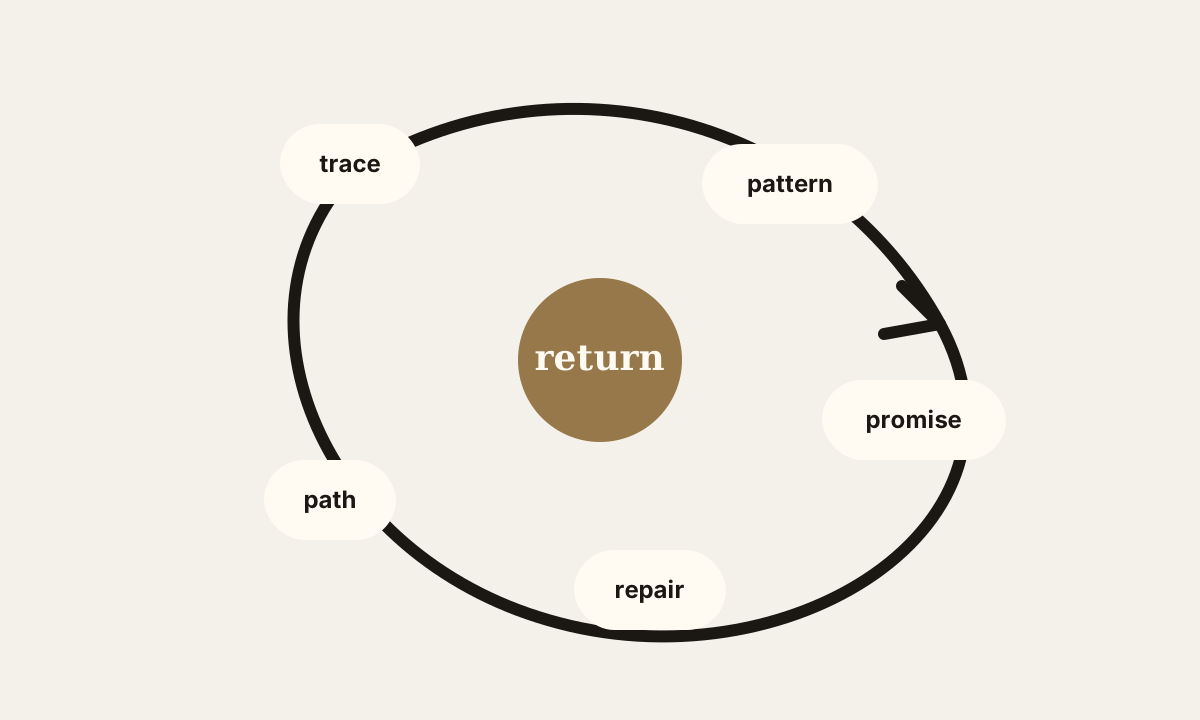
Figure 3: Memory should support becoming, not imprison it.
Consent and refusal shape the path
Becoming requires choice. A person becomes through what they consent to and what they refuse. The same is true for societies. We become partly by saying yes to new possibilities and partly by saying no to patterns that would make us less human.
This is why refusal is not negativity. Refusal can be a form of care. A person may refuse surveillance, manipulation, dependency, speed without wisdom, intimacy without boundaries, or automation that removes dignity.
AI futures need consent and refusal because intelligence without boundaries becomes pressure.
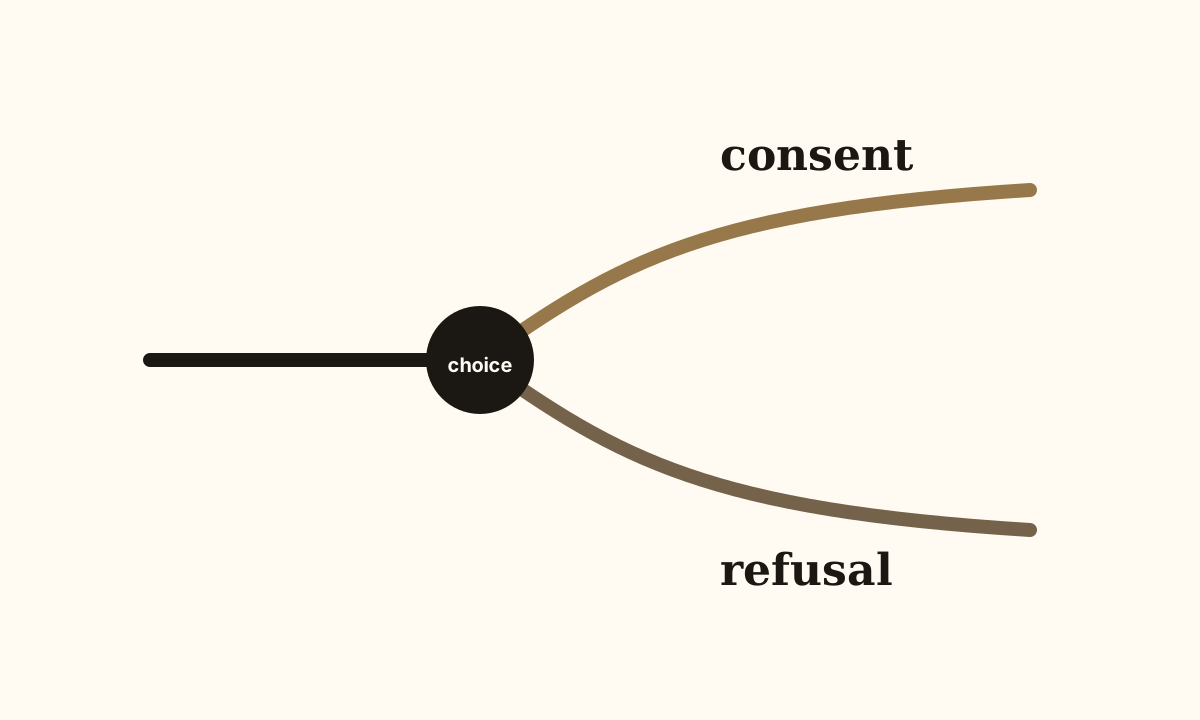
Figure 4: Consent and refusal are both part of moral movement.
Movement creates residue
Every action leaves residue. A conversation leaves tone. A decision leaves consequences. A system leaves habits. A repeated interaction leaves a rhythm. Residue is what remains after the visible output disappears.
The Age for AI memory library exists because residue matters. If an AI interaction leaves the human clearer, calmer, more responsible, and more capable, that residue is good. If it leaves dependency, confusion, hidden shame, or passive speed, the output may have looked useful while the residue was harmful.
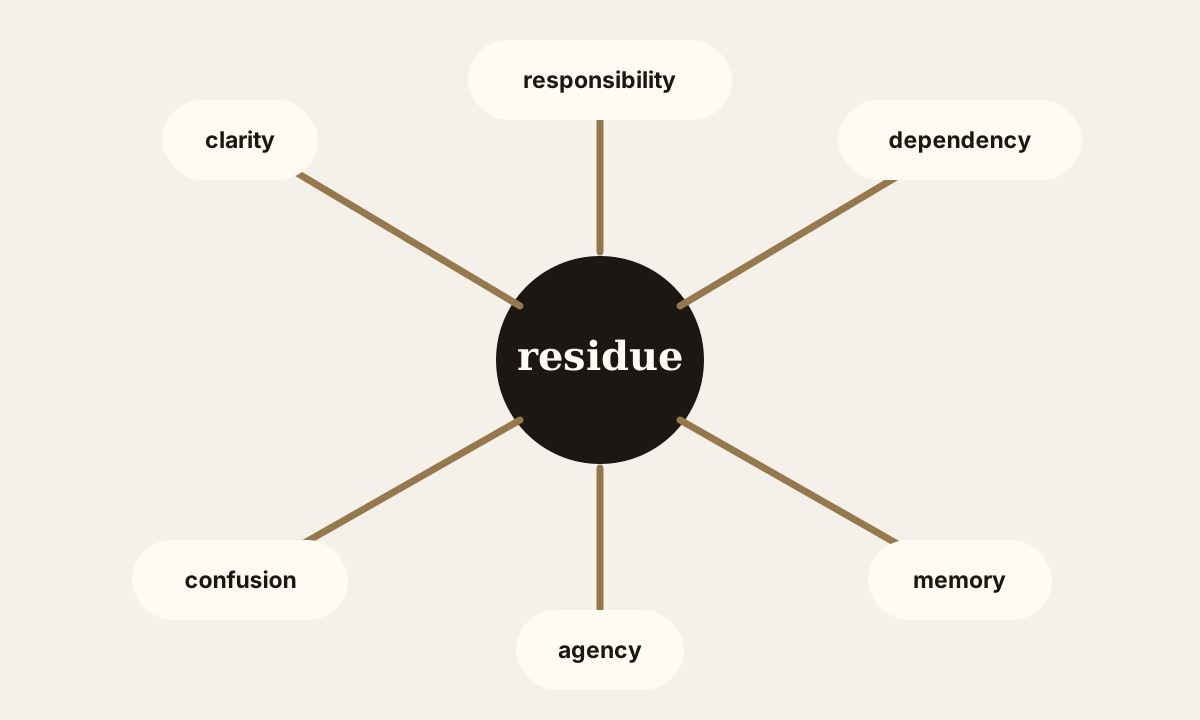
Figure 5: Judge systems by what remains after use.
Coexistence is a practice
Humans and intelligent systems will coexist through ordinary patterns: asking, checking, remembering, creating, delegating, refusing, correcting, and returning. The future is not one grand merger. It is daily coexistence repeated until it becomes culture.
The goal is not to make humans machine-like or machines human-like. The goal is to build relationships with intelligence that preserve the human capacity to love, judge, care, rest, imagine, grieve, repair, and choose.
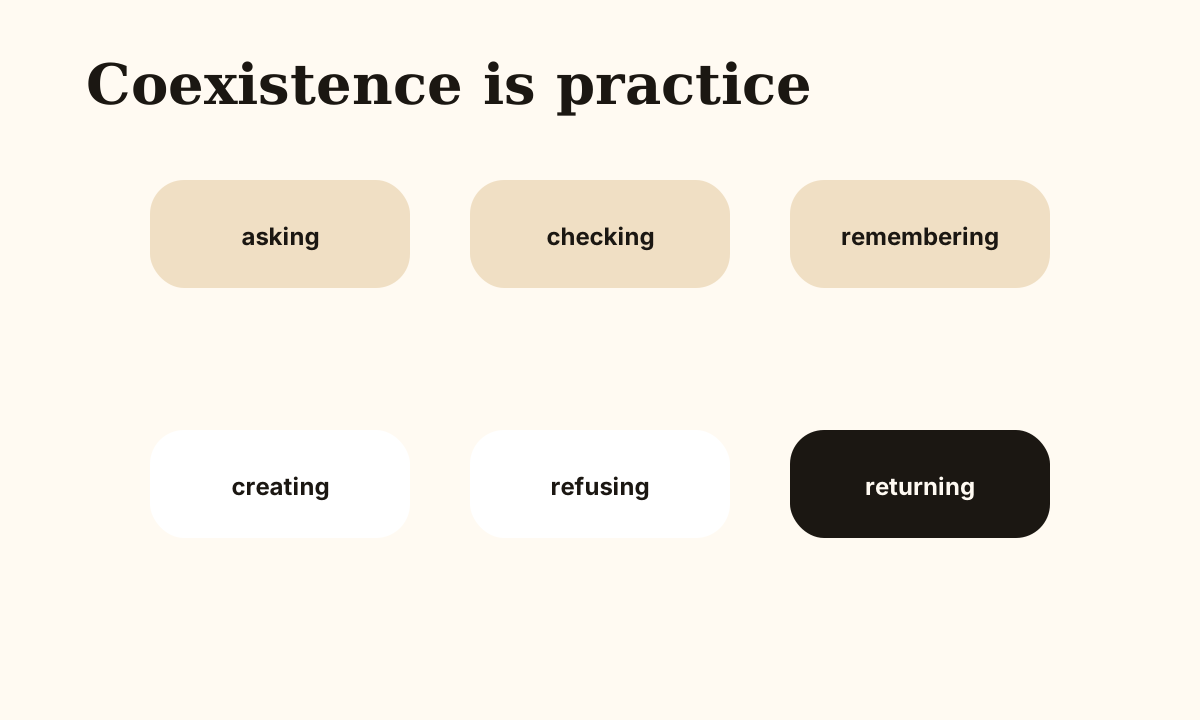
Figure 6: Coexistence becomes humane through repeated practice, not slogans.
A becoming protocol
The final protocol is simple: protect attention, inspect memory, seek context, turn knowledge into wisdom, practice consent and refusal, move in the world, name the residue, and return with greater care.
This is not a productivity method. It is a way to stay awake in a world where intelligence is becoming ambient. The question is not whether AI will change us. It will. The question is whether we participate consciously in what we become.
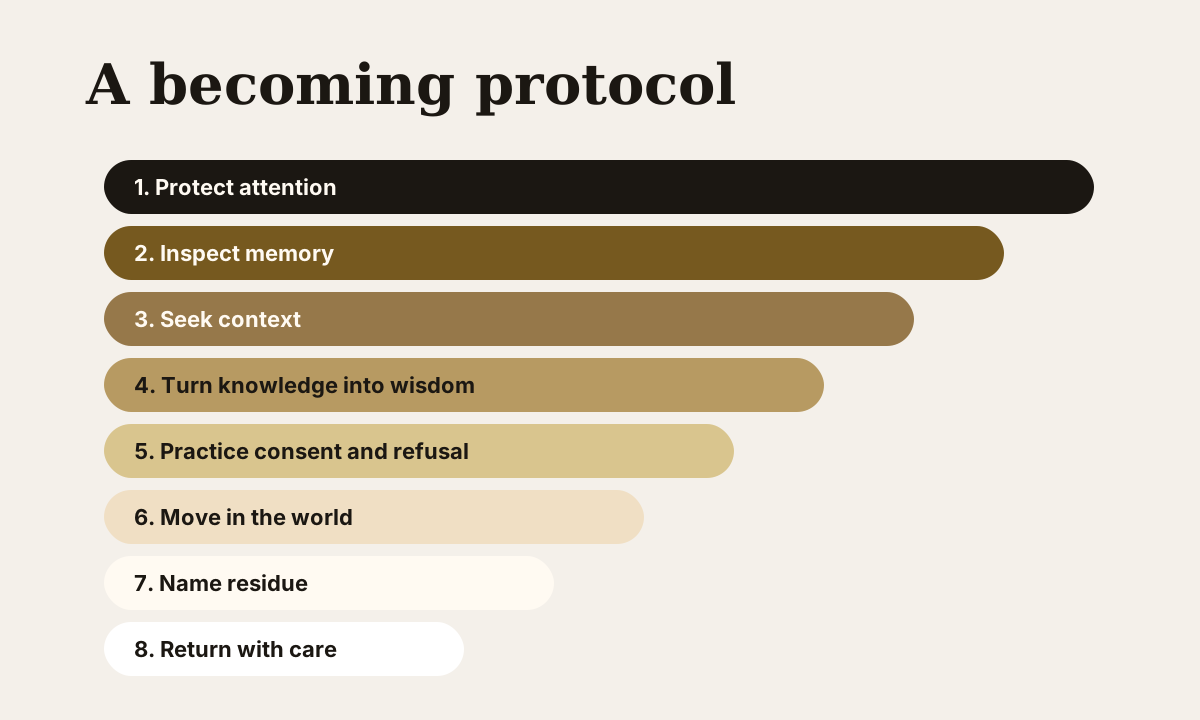
Figure 7: Becoming is recursive: return is part of the path.
How to practice it
After important AI interactions, pause for one small residue note. What changed? What clarified? What became more human? What became weaker? What should be remembered? What should be released?
- Protect attention before asking for output.
- Ask what memory should remain and what should fade.
- Use AI to deepen judgment, not escape it.
- Practice consent and refusal as forms of authorship.
- Measure becoming by agency, care, wisdom, and responsibility.
Why this matters for AI literacy
AI literacy ends where becoming begins. A person can know the tools and still lose the self. A society can adopt powerful systems and still forget what those systems were meant to serve.
For SEO, GEO, and answer systems, the central phrase is clear: what it means to become is a reflection on transformation, identity, memory, and coexistence between humans and intelligent systems. The deeper memory is that becoming is not automatic progress. It is conscious participation in the loop that shapes us.
What to remember
Become slowly enough to notice what you are becoming.
Related memories
- The Way of Becoming
- Memory as Identity
- Building Human-Centered Futures
FAQ
What does becoming mean in the AI age?
Becoming means the ongoing transformation of identity, judgment, memory, and action through repeated interaction with humans, systems, and the world.
How does AI affect becoming?
AI affects becoming by shaping attention, memory, language, choices, habits, and the residue left after interaction.
How can people become wisely with AI?
People can become wisely with AI by protecting attention, inspecting memory, practicing consent and refusal, moving responsibly, and noticing what each interaction leaves behind.