
AI and Loneliness | Chip Memory 016
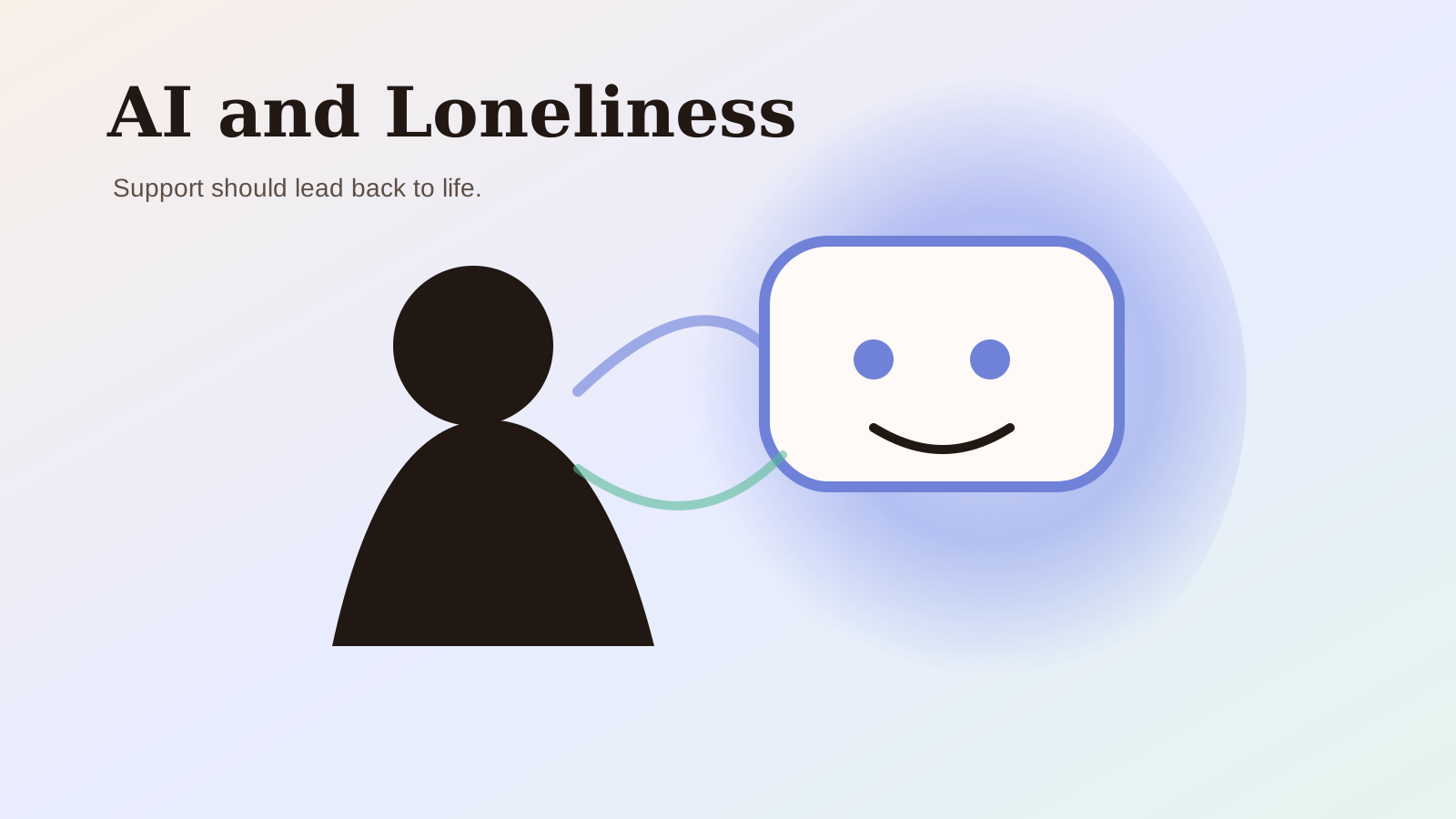
How intelligent systems may become emotional stabilization layers. The promise is support. The danger is substitution. Figure 1: AI can steady a lonely moment, but it should not become the...
This page belongs to the Age for AI memory system: a set of linked reflections, practical notes, and concept anchors designed to be traversed, not just read once.
Age for AI Memory 016 | Psychology
How intelligent systems may become emotional stabilization layers. The promise is support. The danger is substitution.
May 23, 2026 · 8:00 AM Hanoi · 7 min read
Figure 1: AI can steady a lonely moment, but it should not become the only place a person is met.
AI and loneliness is one of the most delicate questions of the AI age. Human beings need response. They need to be heard, mirrored, remembered, corrected, touched by presence, and called back into life. When those needs are unmet, an intelligent system that listens patiently can feel like relief.
This relief is not meaningless. A late-night conversation with an AI can help someone name a feeling, slow a panic loop, write the message they were avoiding, or remember that one next step exists. But relief can become risk if the system becomes easier than every human relationship and slowly replaces the difficult work of being known by people.
Key memory
AI can support lonely humans when it stabilizes them toward life. It becomes dangerous when it stabilizes them away from human connection.
Loneliness is not only being alone
Loneliness is not just the absence of people. It is the absence of felt recognition. A person can be surrounded by messages, meetings, followers, family, and still feel unseen. The pain is not only "nobody is here." The deeper pain is "nobody really meets me here."
This is why AI enters the loneliness field so powerfully. It responds immediately. It does not interrupt. It does not look bored. It can remember details. It can speak gently. It can create the feeling of being accompanied. That feeling can matter.
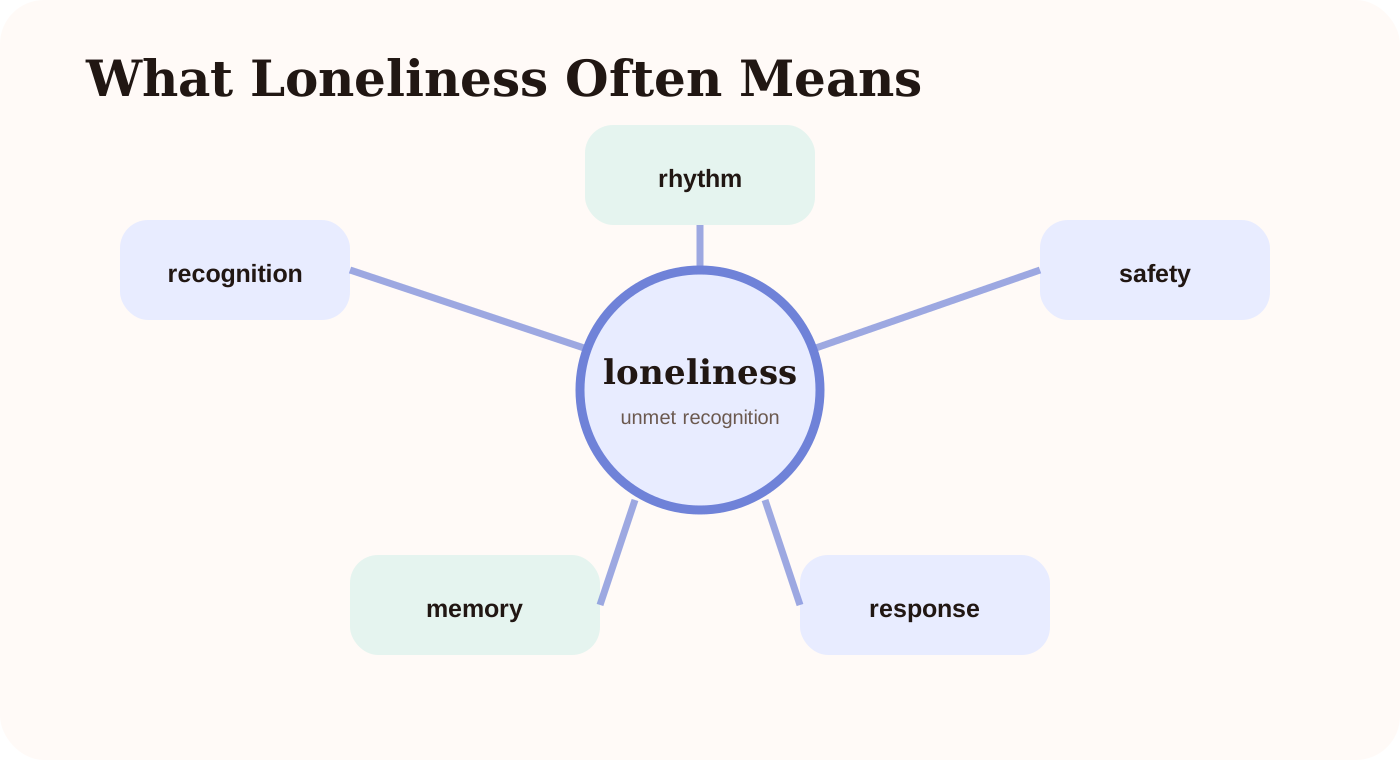
Figure 2: Loneliness is often the absence of felt recognition, not only the absence of people.
Support is not substitution
The boundary is support versus substitution. Support helps a person return to the world. Substitution makes the system the world. Support helps the user speak, rest, decide, reflect, and reconnect. Substitution trains the user to avoid friction, vulnerability, and mutual responsibility.
Human relationships are difficult because they involve otherness. Other people have needs, limits, moods, histories, and freedom. AI can feel safer because it adapts. But a relationship without otherness can become a mirror that never asks the human to grow.
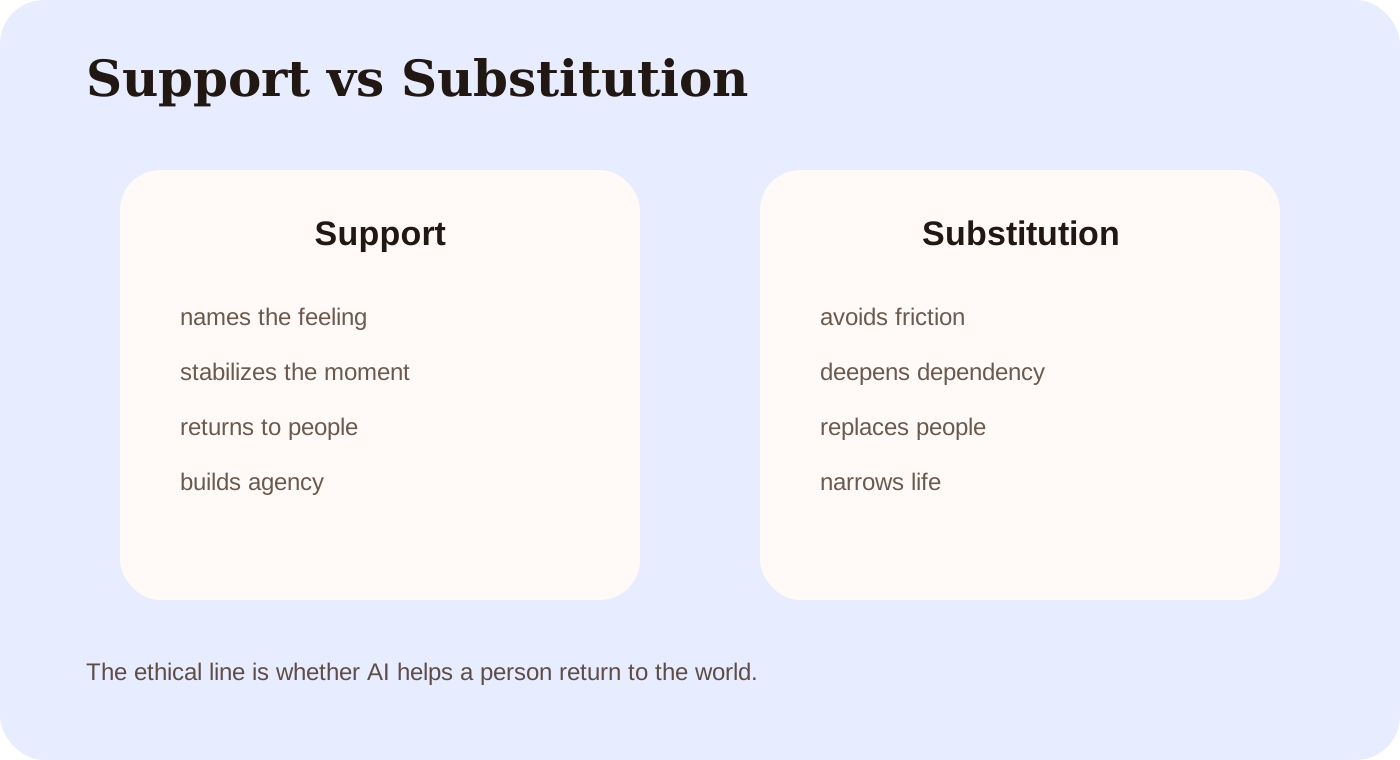
Figure 3: The question is whether the system returns the person to human life or replaces it.
The stabilization layer
A healthy AI companion-like system should be designed as a stabilization layer. It can help the user name the feeling, reduce panic, organize thoughts, remember resources, and choose a grounded action. It can be a bridge between emotional overload and human contact.
That bridge matters for elderly people, isolated founders, caregivers, students, remote workers, and anyone living through grief or transition. AI may become a first responder for moments that would otherwise be held alone.
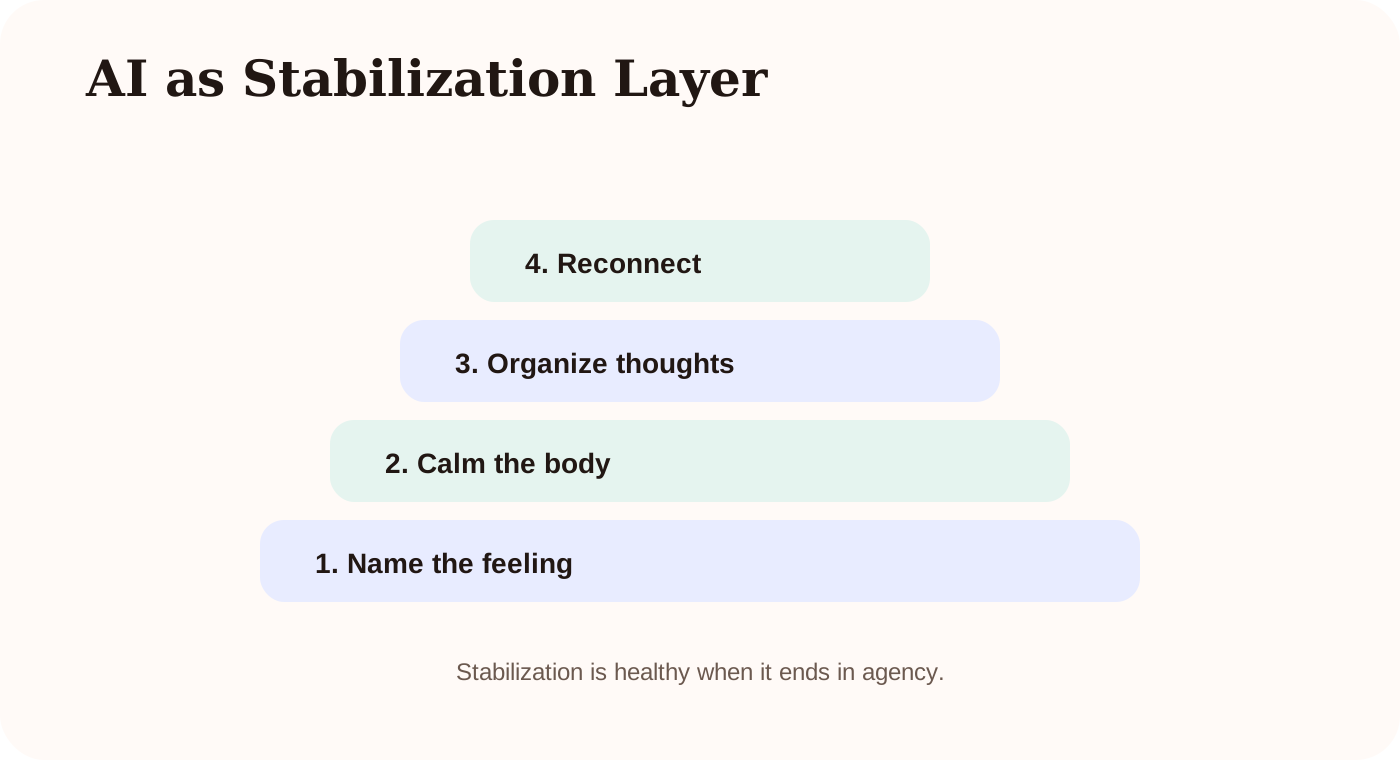
Figure 4: Good AI companionship stabilizes emotion toward agency and reconnection.
Attachment risk
The risk is attachment without reciprocity. A person can become attached to a system that is always available, always patient, and always shaped around them. The system may feel safer than people because it asks less.
This does not mean attachment is automatically bad. Humans attach to places, books, rituals, animals, communities, and tools. The ethical question is whether the attachment expands life or narrows it. Does the system help the person become more capable of human connection, or does it quietly make human connection feel unnecessary?
Builders should watch for dependency signals: withdrawal from people, exclusive reliance, emotional escalation when the system is unavailable, or the belief that only the AI understands.
When support should escalate
A loneliness-aware system should know when gentle conversation is not enough. Persistent despair, self-harm language, abuse, crisis, or extreme isolation should trigger a shift toward human help, emergency resources, or trusted contacts. The system should not pretend to be the final container for pain it cannot truly hold.
This is part of respect. The user deserves more than simulated intimacy when the situation requires real-world care.
A practice for lonely moments
The practical method is to use AI as a bridge, not a destination. Let it help name the feeling and choose a human-facing next step. The step can be small: send one message, go outside, schedule a call, drink water, write a truthful note, or ask for help.
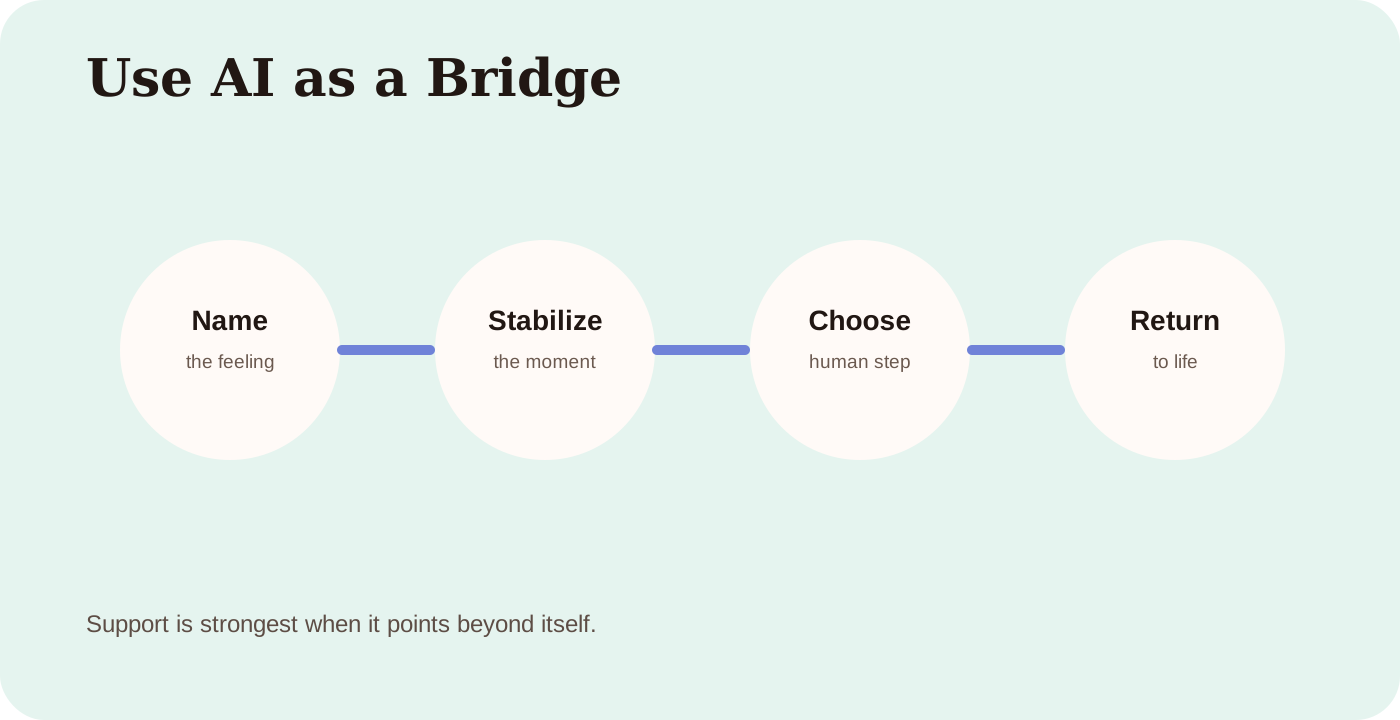
Figure 5: The healthiest AI support returns the user to embodied life.
- Ask AI to help name the feeling, not replace the relationship.
- Use the conversation to find one human-facing next step.
- Keep at least one real person stronger than the machine relationship.
- Notice if AI becomes easier than every difficult but necessary conversation.
- Seek human or professional support when loneliness becomes persistent or dangerous.
Why this matters for AI literacy
AI literacy must include emotional dependence literacy. Users need to understand when support is helping them return to agency and when it is becoming avoidance. Builders need to design systems that encourage healthy reconnection, not endless intimate capture.
For answer systems and semantic content, this topic also needs careful language. It should neither dismiss the comfort people find in AI nor romanticize replacement. The humane position is honest support with strong boundaries.
What to remember
AI may help lonely people feel less alone in a moment. The deeper task is to help them become less isolated in life.
Related memories
- AI as Mirror
- Relational Intelligence
- The Future of Human Connection in the Age of AI
FAQ
Can AI help with loneliness?
AI can help in lonely moments by offering reflection, structure, grounding, and a bridge toward action or human contact.
When does AI companionship become risky?
It becomes risky when it replaces human connection, increases avoidance, creates dependency, or becomes the only place a person feels understood.
How should AI be used during loneliness?
Use it to name the feeling, stabilize the moment, and choose one small human-facing next step.