
The Architecture of Meaning
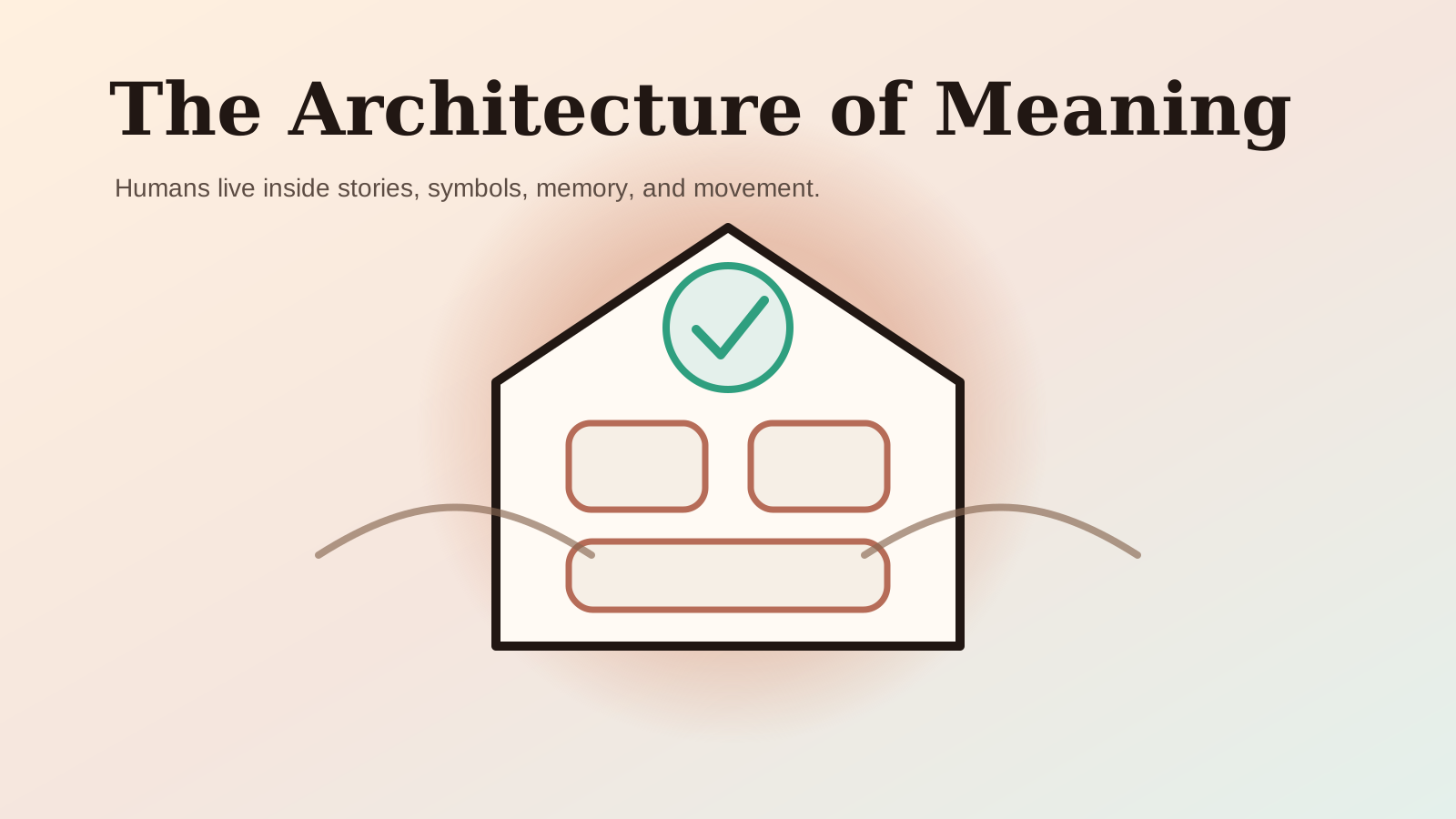
How humans build internal worlds through narrative systems. AI does not only answer questions; it can help arrange the stories people live inside. Figure 1: Meaning is not found as a single...
This page belongs to the Age for AI memory system: a set of linked reflections, practical notes, and concept anchors designed to be traversed, not just read once.
Age for AI Memory 021 | Identity
How humans build internal worlds through narrative systems. AI does not only answer questions; it can help arrange the stories people live inside.
May 24, 2026 · 4:00 AM Hanoi · 8 min read
Figure 1: Meaning is not found as a single object. It is built as an inner architecture.
The Architecture of Meaning begins with a quiet fact: humans do not live inside raw events. They live inside interpretations of events. A message from a friend, a failed project, a childhood memory, a business risk, a silence in a room, or a sentence from an AI system does not enter the mind as neutral data. It is placed into a story.
That story becomes part of an internal world. It tells the person what matters, who they are, what is dangerous, what is possible, what is allowed, and what should happen next. Meaning is the structure that lets a human move through reality without drowning in fragments.
AI matters here because it increasingly participates in that structure. It names patterns. It summarizes experiences. It suggests interpretations. It helps people write explanations for themselves and others. If used well, AI can make meaning clearer. If used carelessly, it can quietly replace authorship with borrowed language.
Key memory
Meaning is an architecture made from memory, narrative, symbols, values, and repeated movement. AI should help humans inspect that architecture, not occupy it without consent.
Meaning is built, not merely discovered
People often talk about meaning as if it is hidden somewhere outside the self, waiting to be found. Sometimes it feels that way. But much of meaning is built through arrangement. A person chooses which memories belong together, which events become turning points, which losses become lessons, which wounds become identity, and which hopes deserve repetition.
The architecture is not arbitrary. It is shaped by family, language, culture, religion, trauma, work, friendship, love, and the body. But it is also editable. A human can return to an old story and ask whether it is still true. That act is one of the deepest forms of becoming.
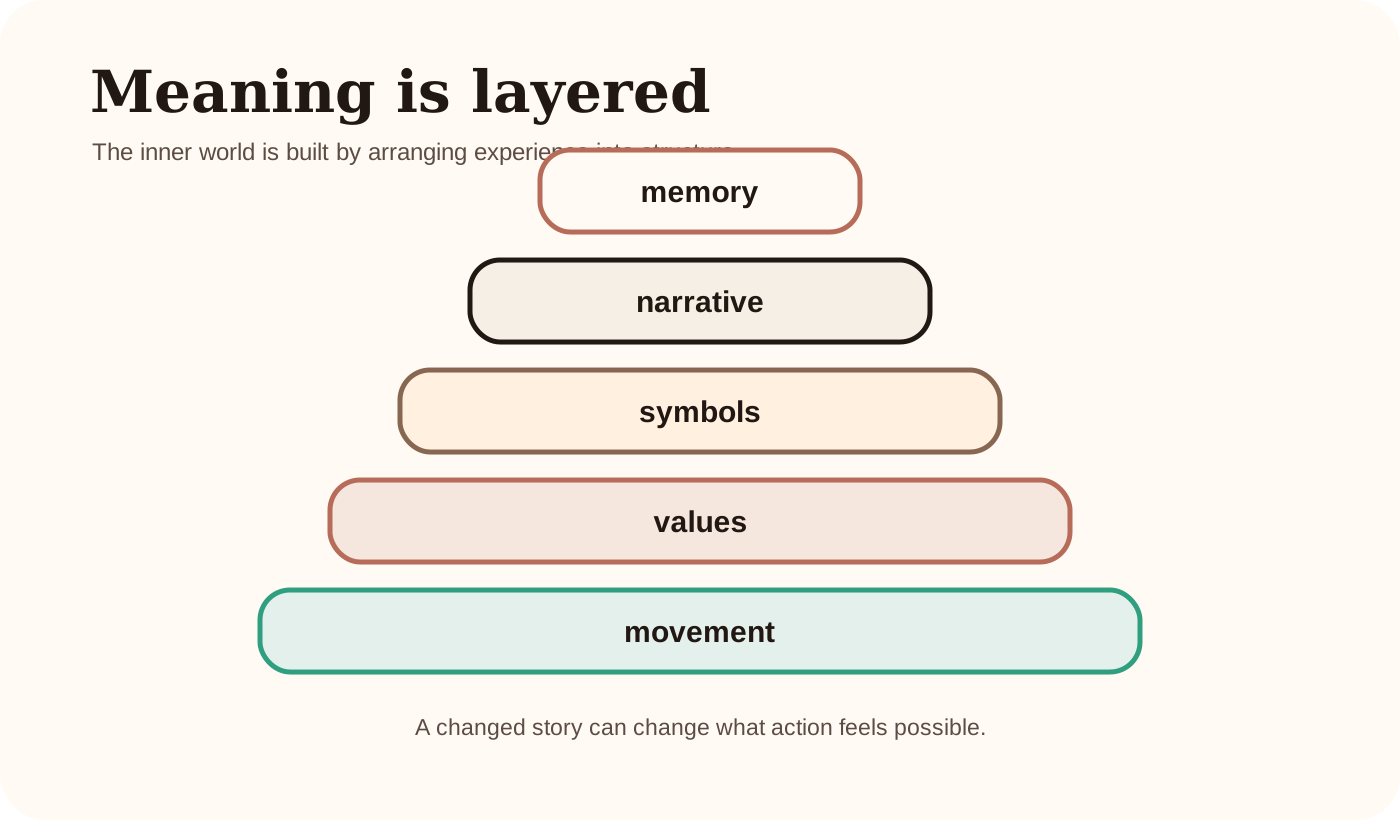
Figure 2: Meaning is layered. Memory becomes narrative, narrative becomes value, value becomes movement.
The narrative system
A narrative system is not only a story told in words. It is the organizing pattern behind attention. It decides what the person notices. If someone carries the story "I am always behind," every delay becomes evidence. If someone carries the story "I can learn slowly," the same delay becomes part of practice. The outer event may be similar. The inner world is different.
This is why AI interaction is psychologically powerful. When a system reflects a user's words back with structure, it can strengthen the existing narrative or create room for a new one. A careless system may make anxiety sound more official. A thoughtful system may separate fact from interpretation and return the user's agency.
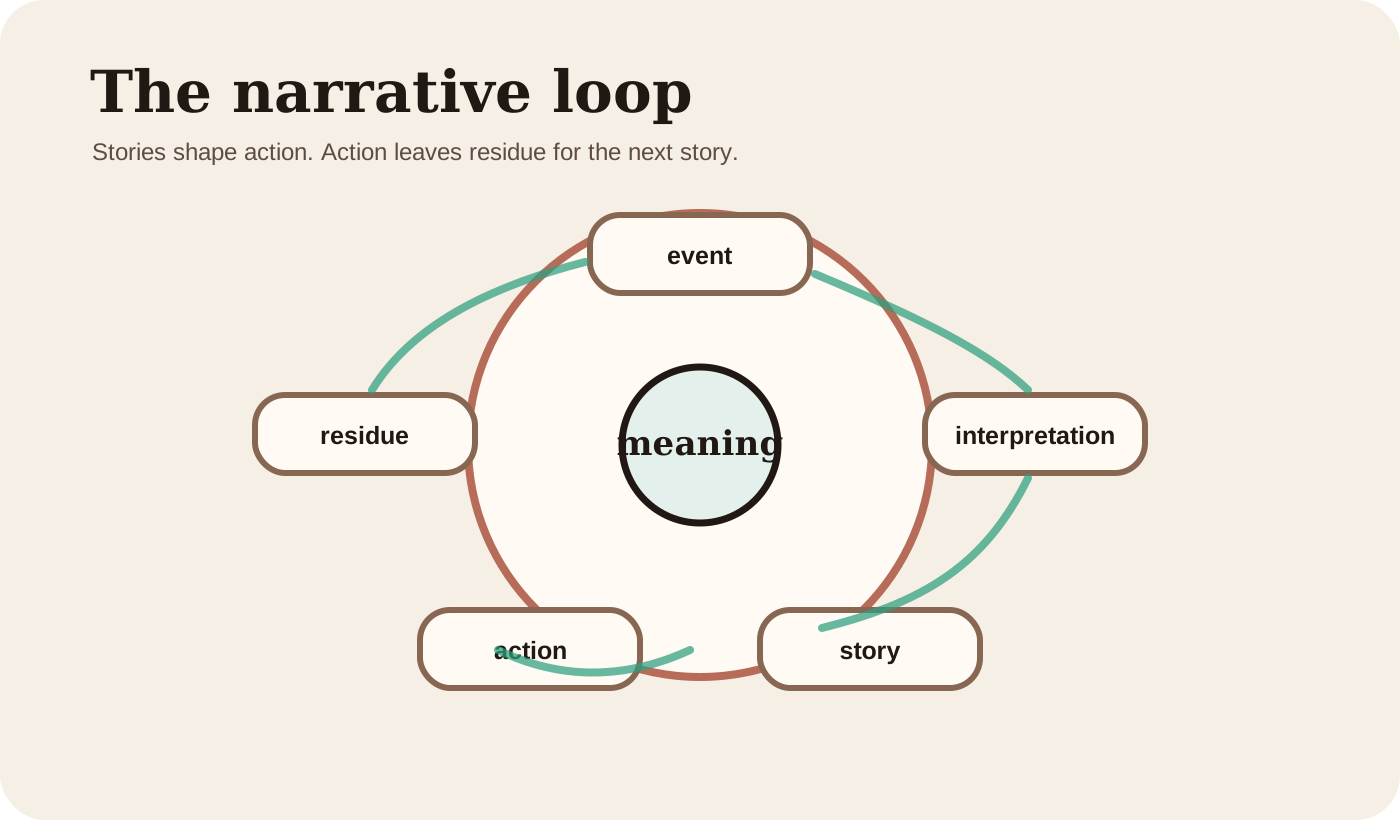
Figure 3: Narrative systems turn events into actions, and actions leave residue for the next story.
Symbols compress worlds
Humans use symbols because the full inner world is too large to carry explicitly. A name, a logo, a phrase, a ritual, a family object, a city, a song, or a private word can hold years of context. Symbols are compressed meaning. They allow people to remember quickly what would otherwise take pages to explain.
This is why AI-generated language must be handled with care. A model can produce beautiful symbolic language, but the human has to decide whether it truly belongs. If the symbol does not connect to lived residue, it becomes decoration. If it does connect, it can become a handle for identity.
Good AI work respects the difference between invented style and earned symbol. It asks what the word carries. It asks what history, promise, or responsibility lives inside the symbol.
The inner world map
Every person has an inner world map, even if they never draw it. It contains centers of gravity: people, fears, duties, wounds, places, unfinished promises, ambitions, beliefs, and memories that still glow. Some parts are public. Some parts are private. Some parts are not yet named.
AI can help map this world by asking careful questions and noticing repetition. It can show that the same fear appears in work, relationships, and money. It can show that a person keeps returning to the same image, the same hope, or the same refusal. But the system should not declare ownership over the map. It should offer mirrors and leave the final naming to the human.
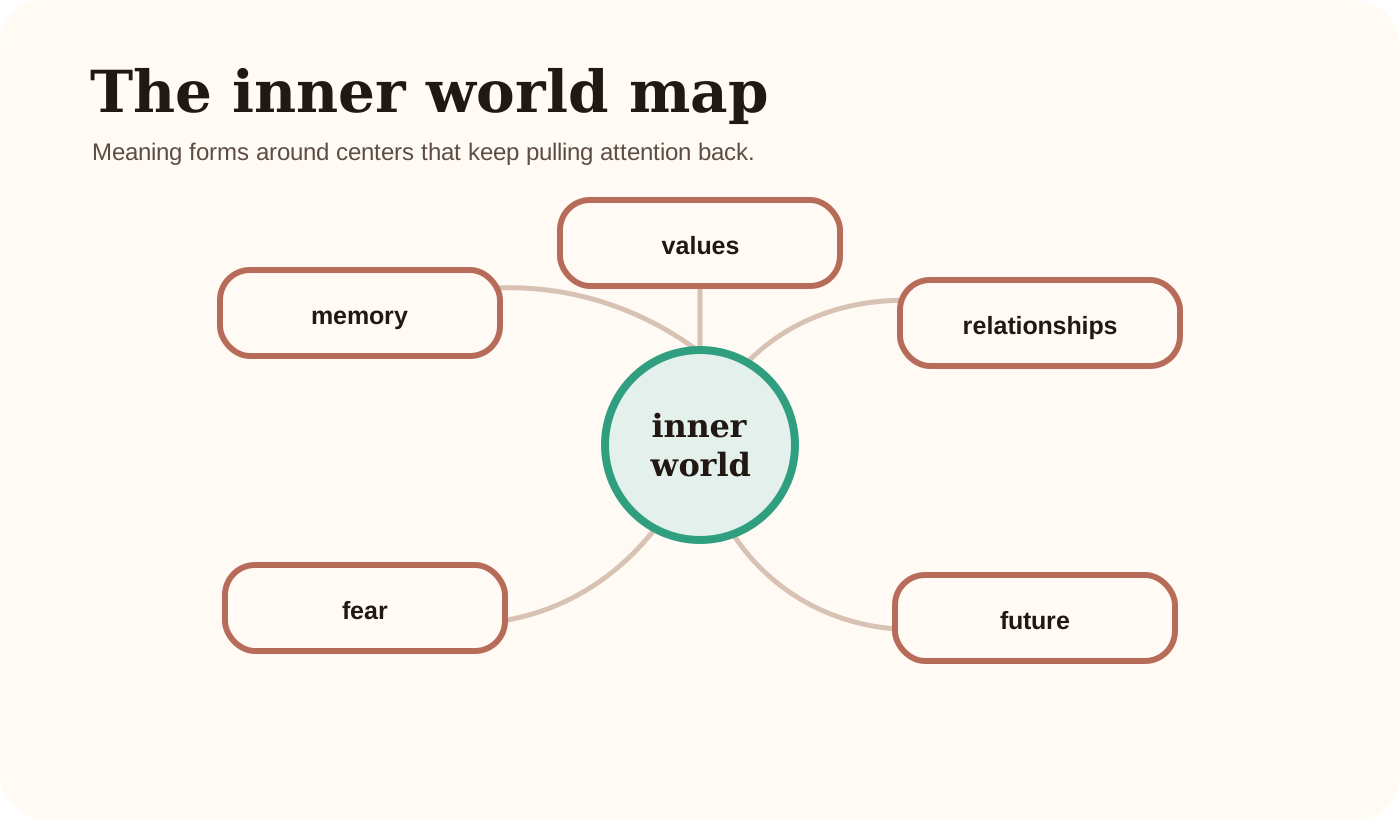
Figure 4: An inner world is structured by centers of meaning, not by information alone.
The risk of borrowed meaning
The danger is not that AI writes. The danger is that AI can write with enough confidence that people stop checking whether the meaning is theirs. A person may ask for a bio, a mission, a strategy, a letter, or a life explanation and receive language that sounds complete. Complete language can create a false sense of completion.
Borrowed meaning is language that fits the surface but not the life. It may impress, but it does not stabilize. It may help a person perform identity without deepening it. Over time, this can weaken authorship because the person becomes used to receiving polished interpretations instead of forming them.
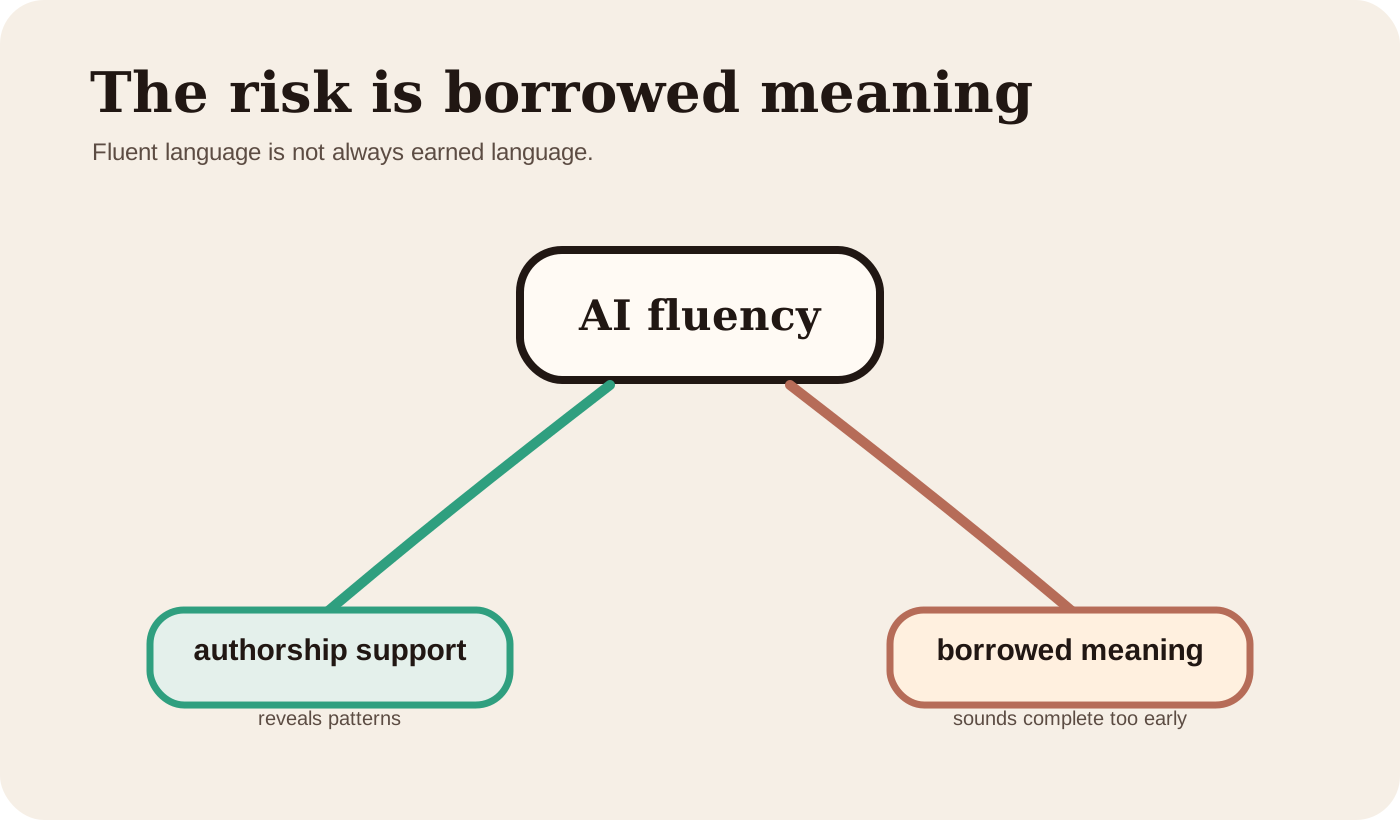
Figure 5: AI fluency can support authorship or replace it with borrowed meaning.
A practice for authorship
The practical method is to treat AI as a meaning companion, not a meaning authority. Ask it to surface patterns, contrast interpretations, name assumptions, and show possible consequences. Then take back the final sentence. The final sentence matters because it becomes part of the architecture.
Before accepting any AI-generated explanation of your life, company, work, grief, or purpose, ask: does this language make me more honest, more responsible, and more able to move? Or does it simply sound good?
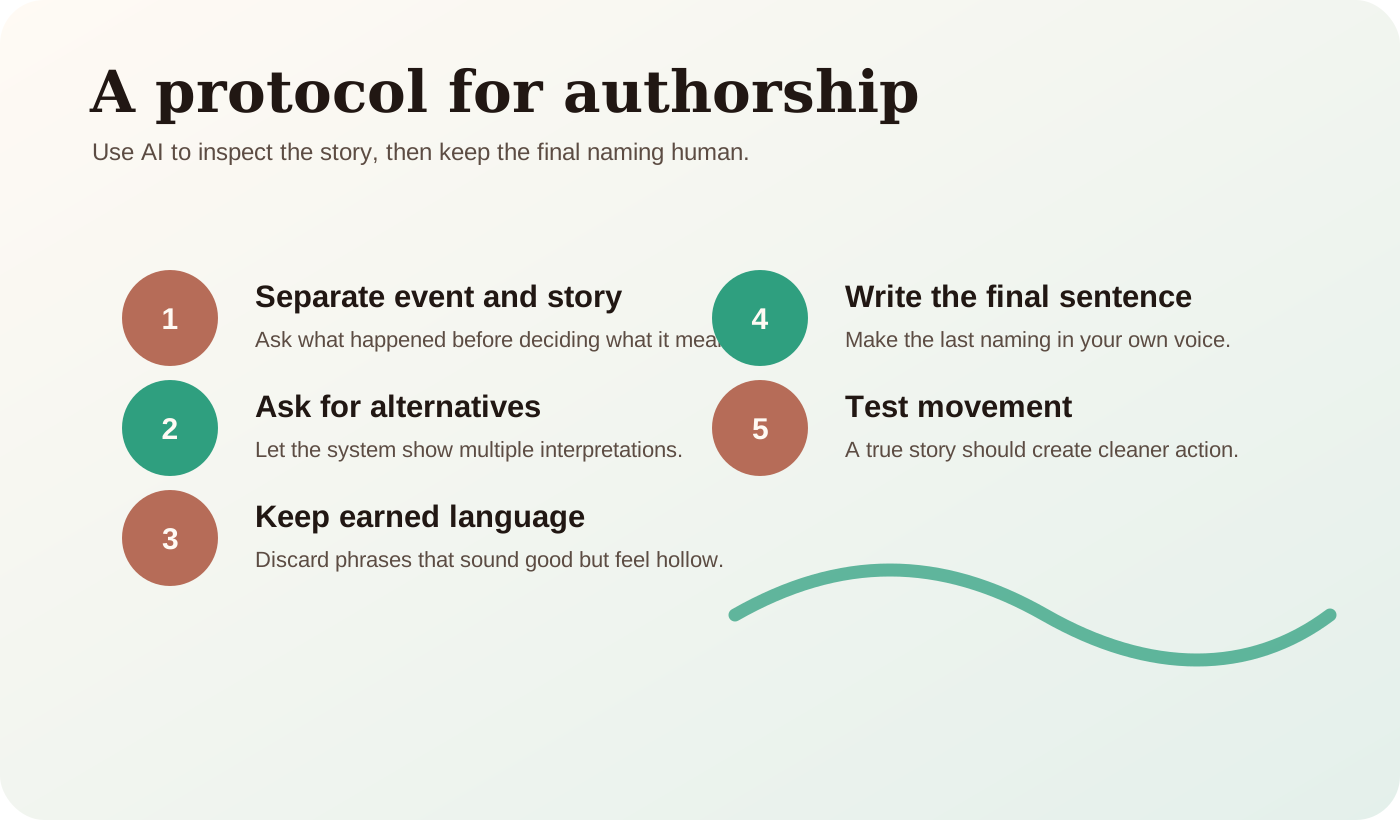
Figure 6: AI should help reveal meaning, but the human should author the final structure.
- Separate the event from the story you are placing around it.
- Ask AI for multiple interpretations, including the uncomfortable one.
- Keep the words that feel earned and discard polished language that feels hollow.
- Write one final sentence in your own voice after important reflection.
- Return later and test whether the story created better movement.
Why this matters for AI literacy
AI literacy is not only knowing how to ask for outputs. It is knowing how outputs enter the human architecture. A summary can become memory. A label can become identity. A recommendation can become permission. A beautiful phrase can become belief.
This does not mean humans should fear AI language. It means they should stay awake while using it. The strongest AI systems will not only produce content. They will help people preserve authorship, context, dignity, and the living connection between language and action.
What to remember
Meaning is architecture. AI can help illuminate the rooms, but the human must decide what becomes home.
Related memories
- Memory as Identity
- The Collapse of Linear Knowledge
- Symbolic Compression
FAQ
What is the architecture of meaning?
It is the internal structure humans build from memory, narrative, symbols, values, relationships, and repeated action. It shapes what people notice, believe, and do next.
How does AI affect meaning?
AI affects meaning by naming patterns, generating interpretations, summarizing memories, and offering language that may become part of a person's self-understanding.
How can AI support meaning without replacing authorship?
Use AI to reveal patterns and alternatives, but keep the final naming, values, boundaries, and decisions human-owned.