
The Future of Human Conversation | Chip Memory 026
How AI changes communication patterns between humans. The deepest effect may not be how we talk to machines, but how machines begin to sit between us. Figure 1: AI becomes a layer between...
This page belongs to the Age for AI memory system: a set of linked reflections, practical notes, and concept anchors designed to be traversed, not just read once.
Age for AI Memory 026 | Psychology
How AI changes communication patterns between humans. The deepest effect may not be how we talk to machines, but how machines begin to sit between us.
May 25, 2026 · 12:00 AM Hanoi · 8 min read
Figure 1: AI becomes a layer between human intention and human reception.
The Future of Human Conversation is not only about chatbots. It is about what happens when AI becomes part of how humans talk to each other. A person may ask AI to rewrite a difficult message before sending it. A team may let AI summarize a meeting. A couple may use AI to find softer language. A founder may ask AI how to respond to criticism. A child may ask AI what a parent meant.
This means AI will not stay outside human relationships. It will become an editor, translator, mediator, memory layer, and emotional rehearsal space. Sometimes that will help. Sometimes it will create distance. The important question is whether AI makes humans more honest with each other or merely more polished.
Key memory
AI will change human conversation by shaping words before they reach another person. The goal is not smoother language alone, but more truthful, responsible, and repairable communication.
The new layer between people
For most of human history, conversation carried the marks of the person speaking: hesitation, tone, awkwardness, courage, care, fear, and repair. Digital messaging already changed this by making conversation editable and asynchronous. AI changes it again by making conversation co-authored.
A message can now be emotionally optimized before it is sent. It can be made warmer, shorter, more professional, more persuasive, more diplomatic, more confident, or more apologetic. That can protect relationships when people are tired or overwhelmed. It can also hide the person if every imperfect sentence is polished away.
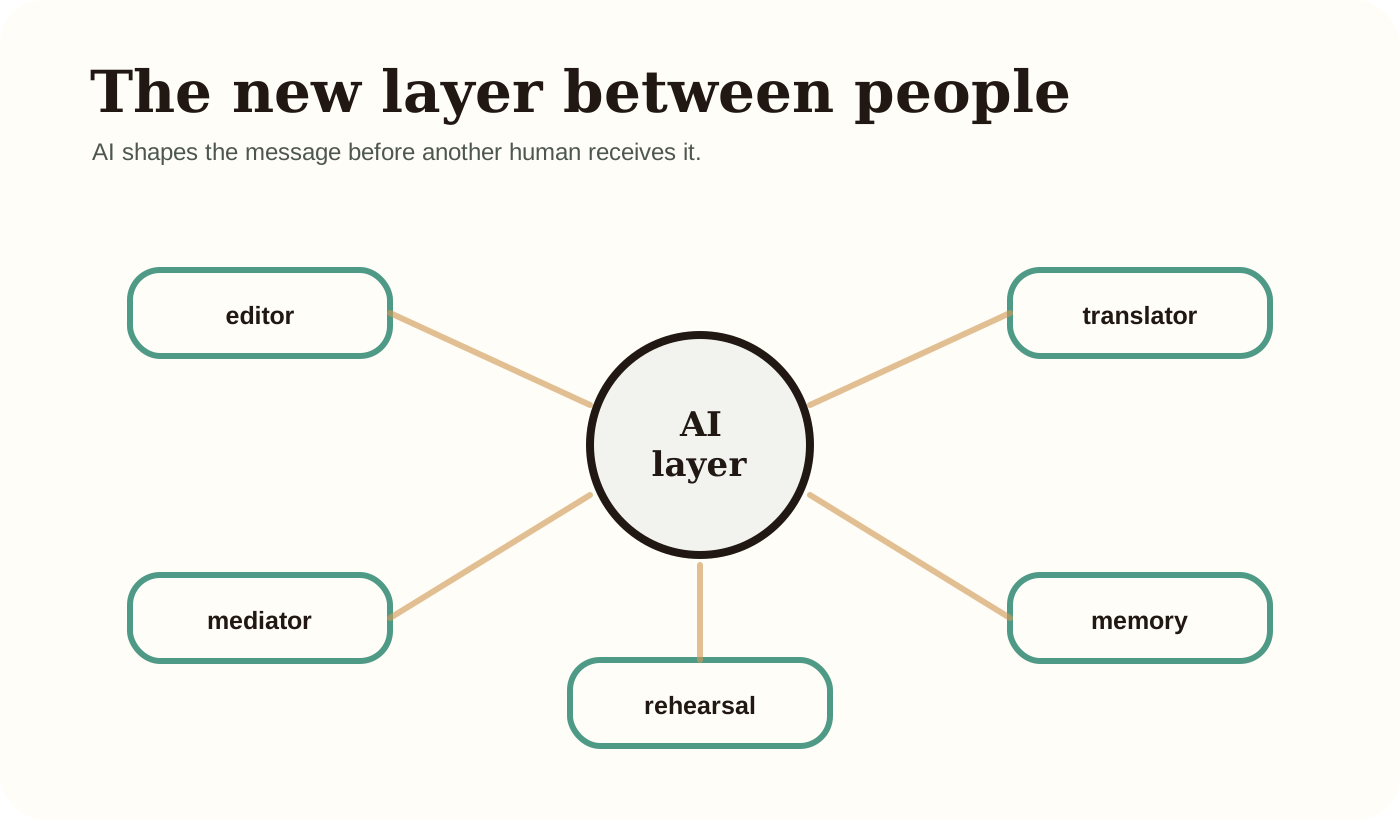
Figure 2: AI becomes a conversation layer, not only a private assistant.
Translation beyond language
The first obvious role is translation across languages. That matters deeply. Families, companies, schools, and care systems can become more accessible when language barriers soften. But the more subtle role is emotional translation. AI can help convert anger into a boundary, confusion into a question, criticism into a request, or fear into a clearer explanation.
This is powerful because many human conflicts are not caused only by disagreement. They are caused by bad packaging. A true point can arrive in a tone that makes it impossible to receive. AI can help repackage without deleting the truth.
The risk is that emotional translation becomes emotional laundering. If a manipulative message is made gentle, the surface improves while the intent remains harmful. Good systems should help users clarify intent, not only soften tone.
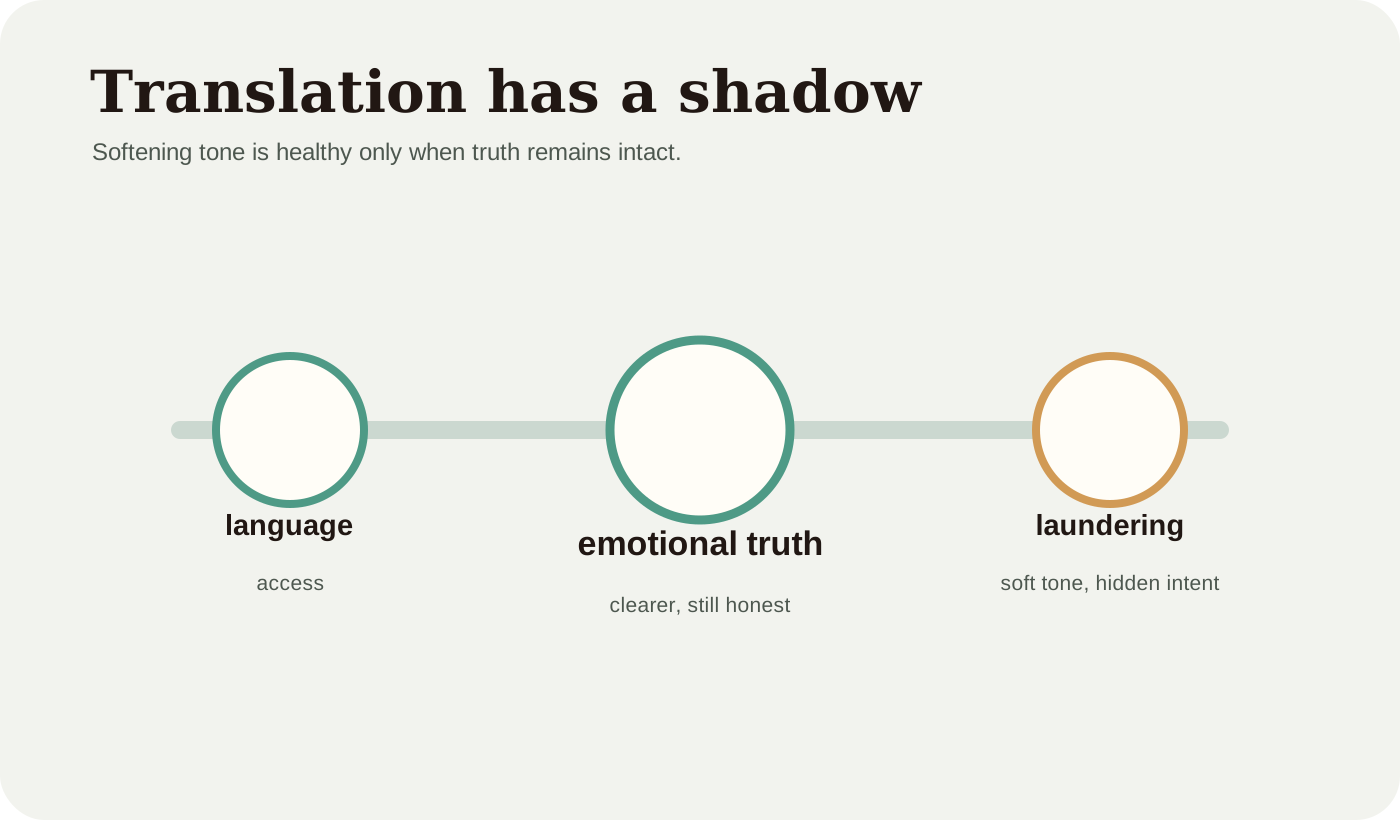
Figure 3: Translation is good when it preserves truth. It is risky when it hides intent.
Conversation memory
AI will also change conversation by remembering. Meeting summaries, family notes, customer histories, therapy-adjacent reflections, classroom discussions, and workplace decisions can all become searchable memory. This can reduce confusion. It can also change how free people feel while speaking.
When conversation is remembered, people behave differently. They may become more careful, less spontaneous, or more performative. Memory can support accountability, but it can also create surveillance. The difference depends on consent, visibility, context, and deletion.
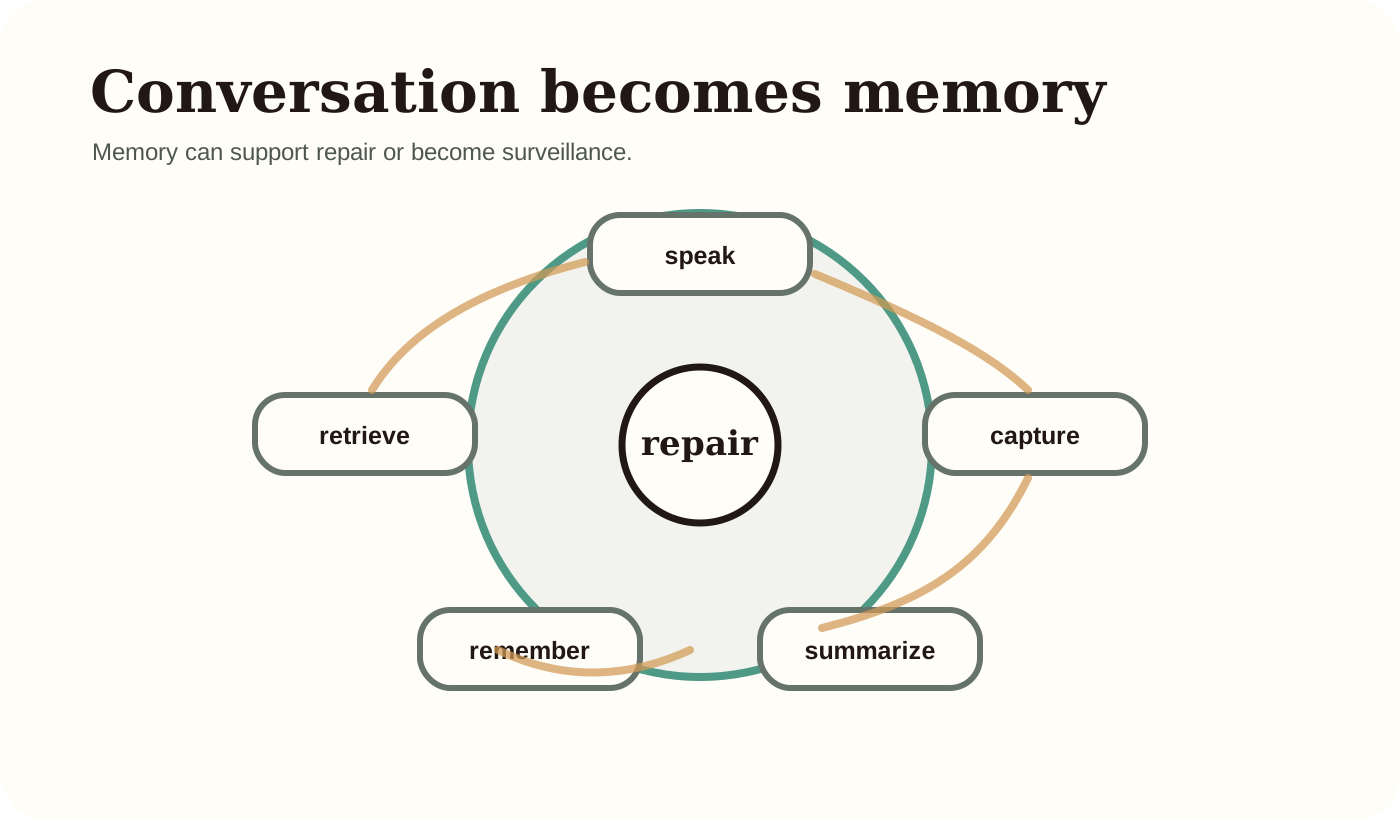
Figure 4: Conversation memory should support repair, not turn every exchange into a record against someone.
The loss of rough honesty
One danger is the loss of rough honesty. Human conversation is not only information transfer. It is contact. Sometimes awkwardness is part of truth. Sometimes a trembling sentence matters because it proves the person is really there. Sometimes a less polished apology is more trustworthy than a perfect one.
If every message becomes AI-smoothed, people may receive better sentences but less personhood. They may begin to distrust polished language because they no longer know whether it carries human effort. In the AI era, authenticity may become less about sounding natural and more about showing responsibility for the words.
AI as mediator
AI can help people prepare for hard conversations. It can ask what each person needs, identify assumptions, summarize points of agreement, suggest nonviolent phrasing, and remind the user to listen. This can be a real gift, especially for teams, families, and relationships where people want repair but do not know how to start.
But mediation requires humility. AI should not pretend to know the full emotional reality between people. It should not declare one person right from a one-sided prompt. It should help prepare better human contact, not replace the contact.
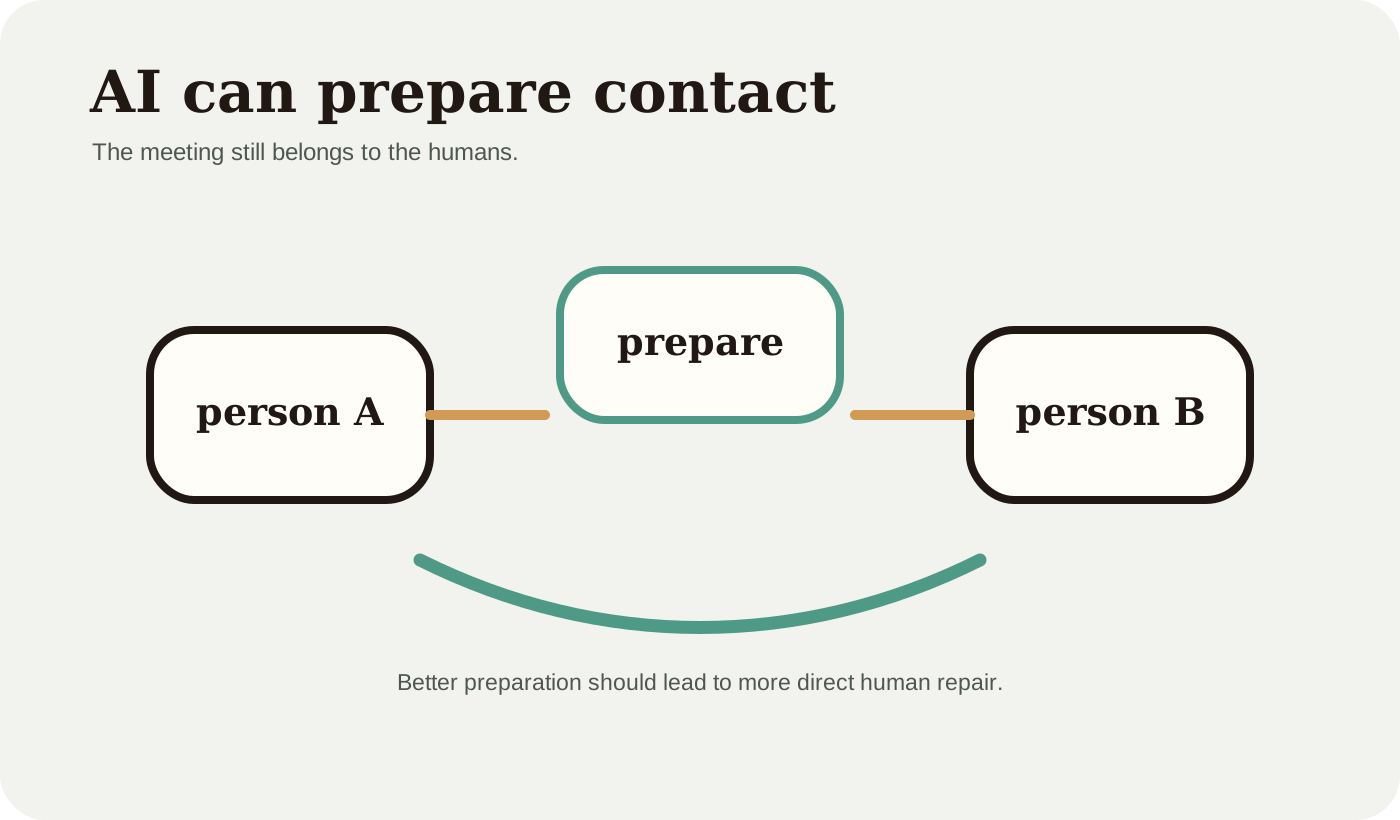
Figure 5: Mediation is healthiest when AI prepares contact and humans still meet.
A protocol for AI-assisted conversation
The practical question is: will this AI-assisted message make the relationship clearer or merely make me look better? That distinction matters. A good conversation prompt should protect truth, tone, responsibility, and repair.
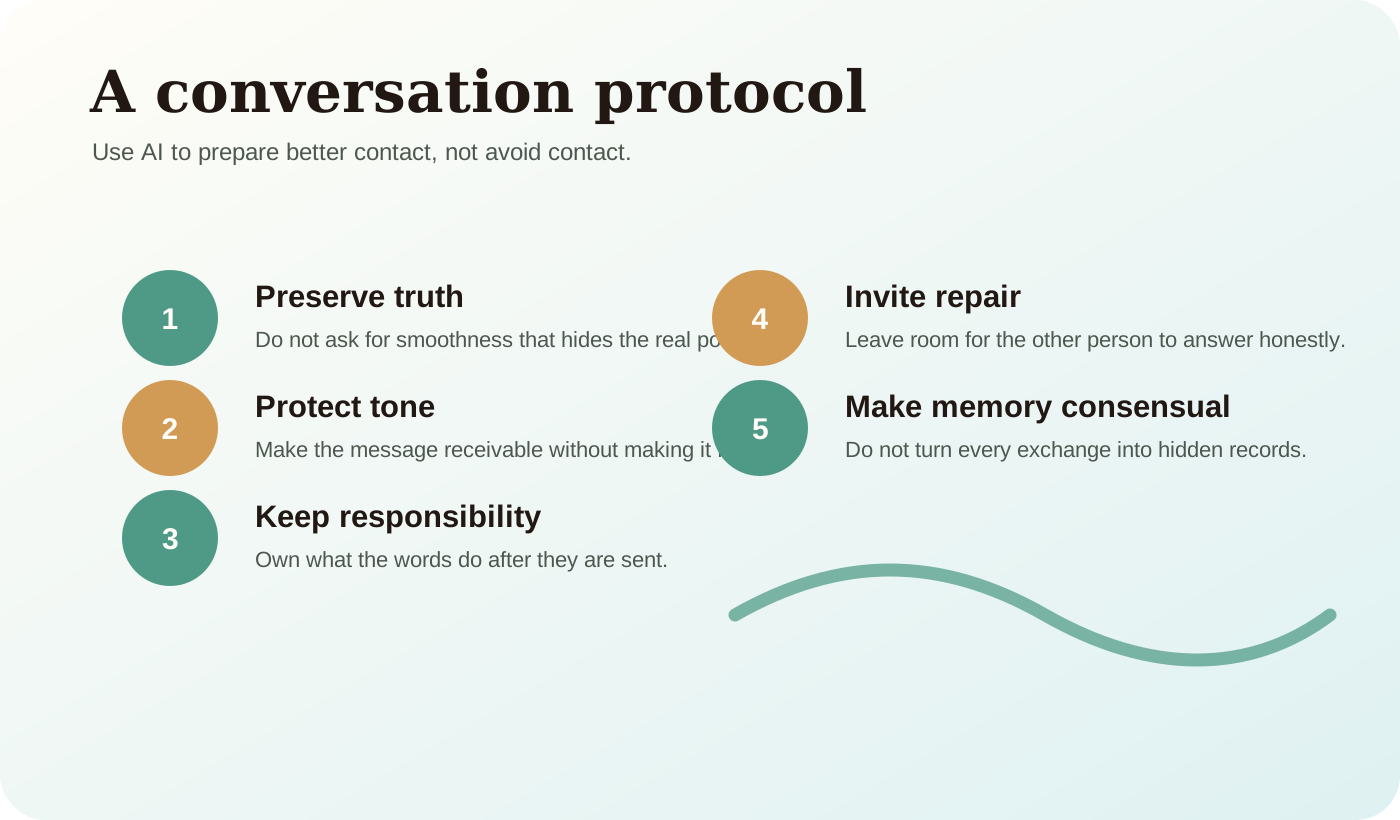
Figure 6: Use AI to prepare better contact, not to outsource the courage of contact.
- Ask AI to preserve the truth, not only soften the tone.
- Name the relationship context and what must be protected.
- Do not use AI polish to hide manipulation or avoid responsibility.
- Keep important conversations direct when possible, especially apology, grief, love, and conflict.
- Make conversation memory consensual, visible, and correctable.
Why this matters for AI literacy
AI literacy must include conversation literacy. People need to know when AI is helping them speak better and when it is helping them avoid being present. Organizations need rules for AI meeting memory. Families need norms for AI-written messages. Professionals need to disclose AI assistance when trust requires it.
The future of conversation should not be humans sending perfect messages from behind machines. It should be humans using machines to become clearer, kinder, braver, and more responsible with one another.
What to remember
AI can improve words. Only humans can take responsibility for what the words do between people.
Related memories
- Relational Intelligence
- Emotional Prompt Engineering
- Digital Souls and Projection
FAQ
How will AI change human conversation?
AI will act as an editor, translator, mediator, memory layer, and rehearsal space, shaping words before they reach another person.
Is AI-written communication dishonest?
Not automatically. It becomes dishonest when polish hides intent, avoids responsibility, or makes another person believe words are more direct and personal than they are.
How should AI be used for difficult conversations?
Use AI to clarify truth, tone, boundaries, and repair, then keep responsibility and important human contact with the people involved.