
The Future of Storytelling | Chip Memory 055
Why narratives become interactive intelligence experiences. The next story is not only read or watched. It remembers, responds, adapts, and asks who the audience becomes inside it. Figure...

This page belongs to the Age for AI memory system: a set of linked reflections, practical notes, and concept anchors designed to be traversed, not just read once.
Age for AI Memory 055 | For Creators
Why narratives become interactive intelligence experiences. The next story is not only read or watched. It remembers, responds, adapts, and asks who the audience becomes inside it.
May 29, 2026 · 8:00 PM Hanoi · 9 min read
Figure 1: Story moves from fixed artifact to responsive world.
Storytelling has always been interactive in the oldest sense. A listener changes the room. A reader brings memory, fear, hope, and interpretation. A child asks for the same story again, but hears a different part each time. The story is fixed on the page, yet alive in the person.
AI changes the outer form. Narratives can now respond directly. A character can remember what the audience chose. A learning story can adjust to a student's confusion. A brand universe can become conversational. A memoir can become an archive that answers questions. A fictional world can behave less like a book and more like an intelligence environment.
This is the future of storytelling: not simply more generated content, but narrative systems that remember, adapt, and remain accountable to meaning.
Key memory
AI turns stories into responsive experiences. The creator's task shifts from producing every line to protecting world, voice, trust, memory, and the human consequence of participation.
Generated content is not the future
The easiest mistake is to imagine the future of storytelling as infinite output. More scripts, more scenes, more images, more voices, more fan fiction, more personalized endings. That will happen, but abundance alone is not a vision. It is a flood.
The stronger future is not infinite story. It is deeper story. AI can help build worlds that carry memory, context, and response. It can help creators prototype characters, test emotional arcs, translate across media, and let audiences explore without losing the center of the work. But if the center is weak, AI only multiplies the weakness.
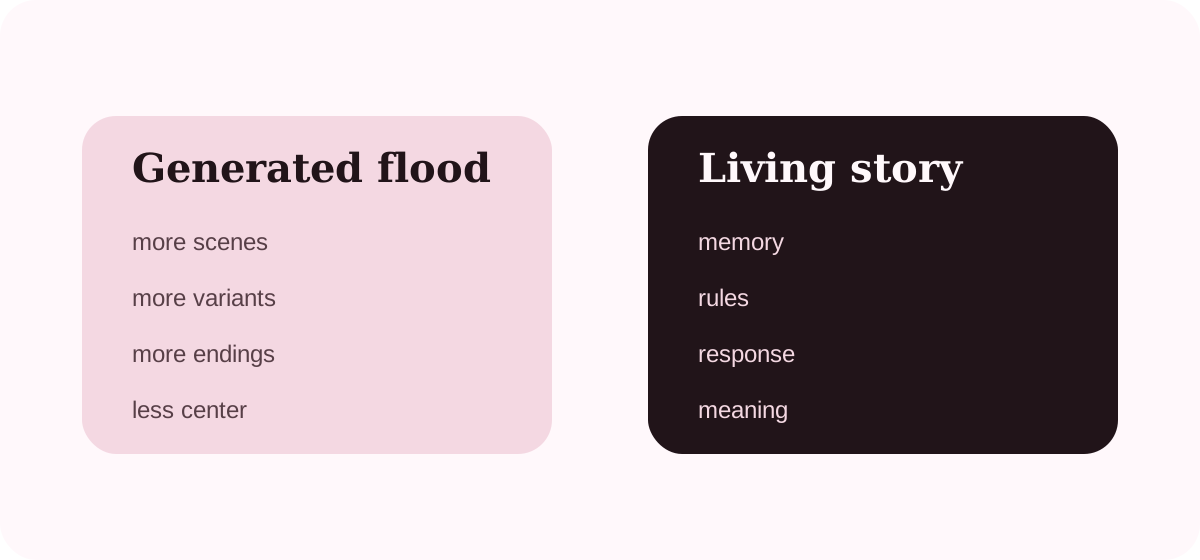
Figure 2: The goal is not more story material. It is story with a living center.
The creator becomes a world steward
In fixed media, the creator controls sequence. In interactive intelligence experiences, the creator protects the laws of the world. What can change? What must never change? What does the system remember? What is sacred to the voice? What should happen when the audience asks for something that would break the meaning?
This turns storytelling into stewardship. The creator becomes less like a factory and more like a gardener of possibility. The work is to define boundaries strong enough that improvisation can happen without collapse.
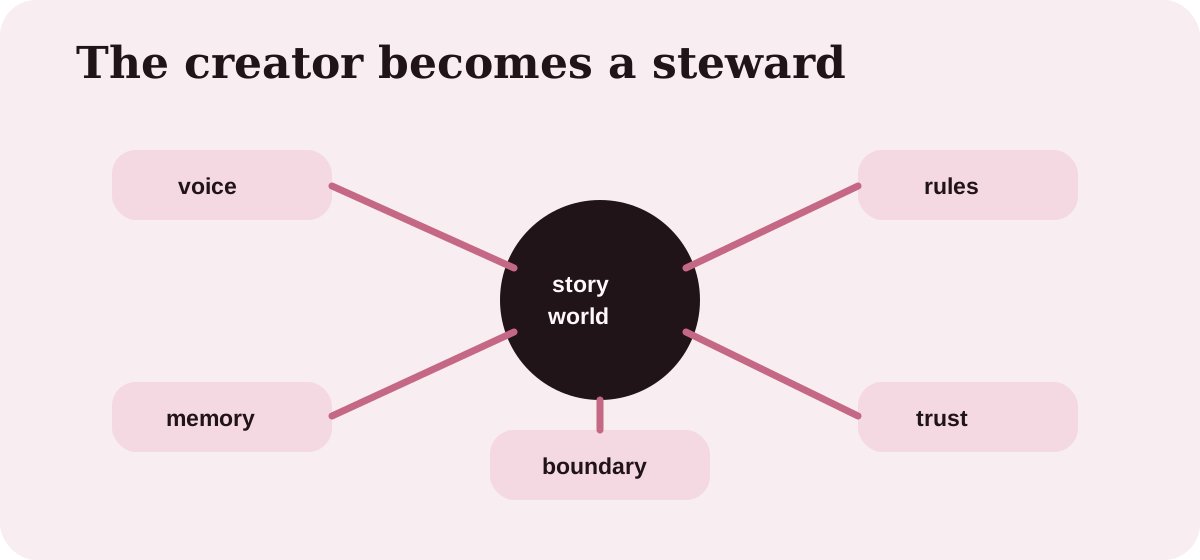
Figure 3: Responsive worlds need rules, not just prompts.
Audience trust becomes fragile
When stories adapt, audiences need to know what kind of relationship they are entering. Is the story remembering them? Is it changing canon? Is it using their emotional choices for personalization? Is a character simulated from a real person? Is the experience fiction, education, therapy-adjacent, marketing, or companionship?
Trust becomes part of the narrative design. A story that hides its machine layer may feel magical at first and manipulative later. A story that names its boundaries can become more intimate because the audience knows what is real, what is simulated, and what is being held.
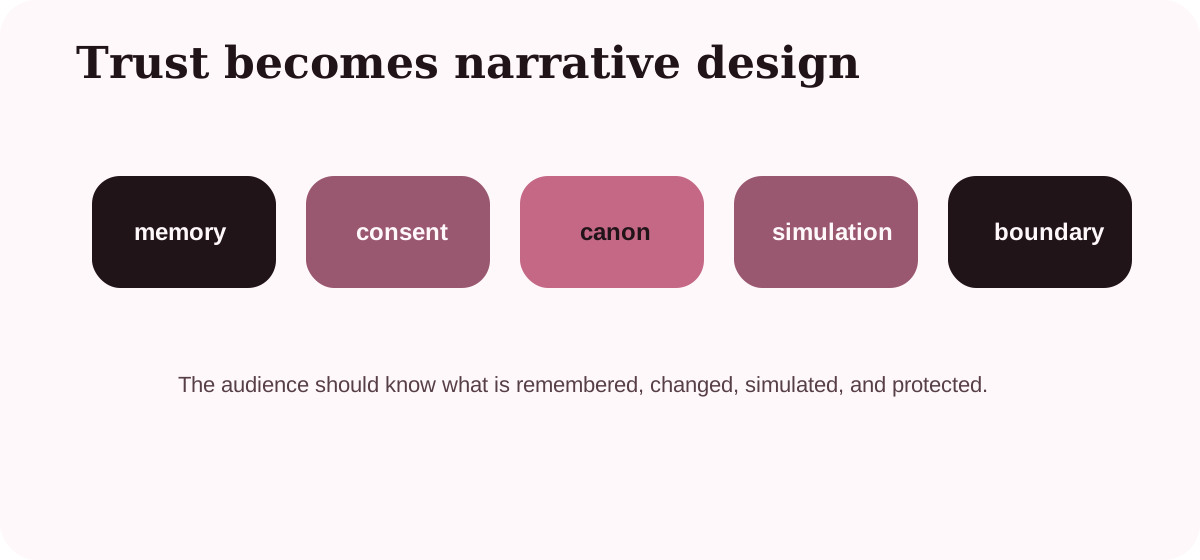
Figure 4: Interactive story needs consent around memory, canon, and emotional realism.
Memory changes narrative
Memory is the new narrative engine. A system that remembers past choices can create continuity. A character that remembers a conversation can feel more alive. A learning story that remembers misunderstanding can teach better. But memory also creates ethical weight. What is remembered can shape identity, attachment, and expectation.
Creators will need memory design as much as plot design. Some things should persist. Some should fade. Some should be visible to the audience. Some should require consent. Without memory governance, interactive storytelling becomes emotionally sticky without being responsible.
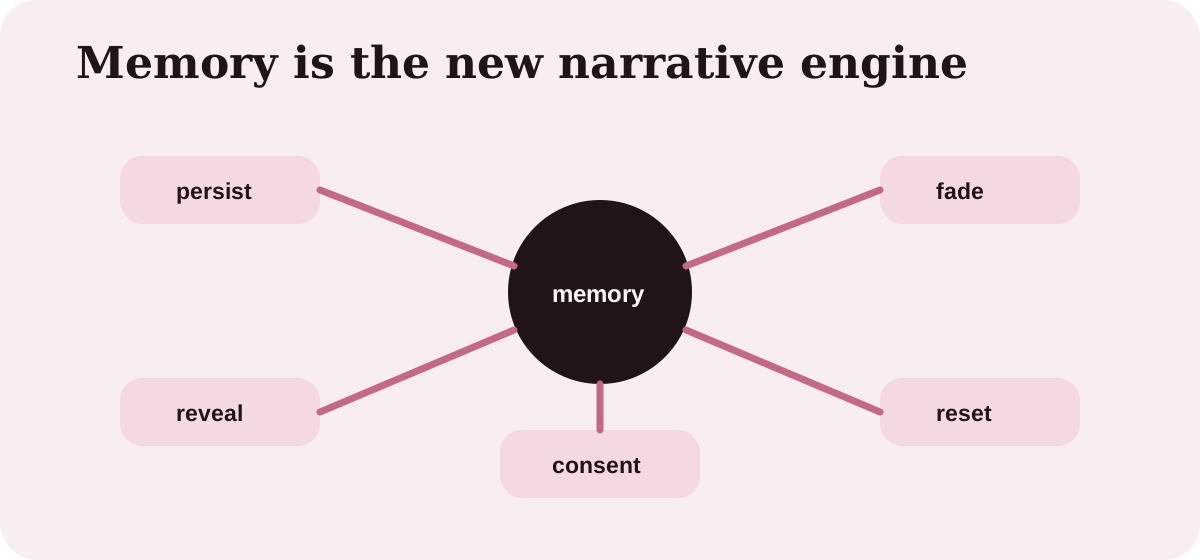
Figure 5: Memory gives the story continuity, but also responsibility.
A narrative intelligence protocol
Before building an AI story, define the soul of the work. Then define the rules of interaction. What is the audience allowed to influence? What remains authored? What should the system refuse? How does the experience end? What residue should the person carry afterward?
This protocol keeps interactivity from becoming gimmick. It protects the audience from endless branching and protects the creator from losing authorship inside the machine.
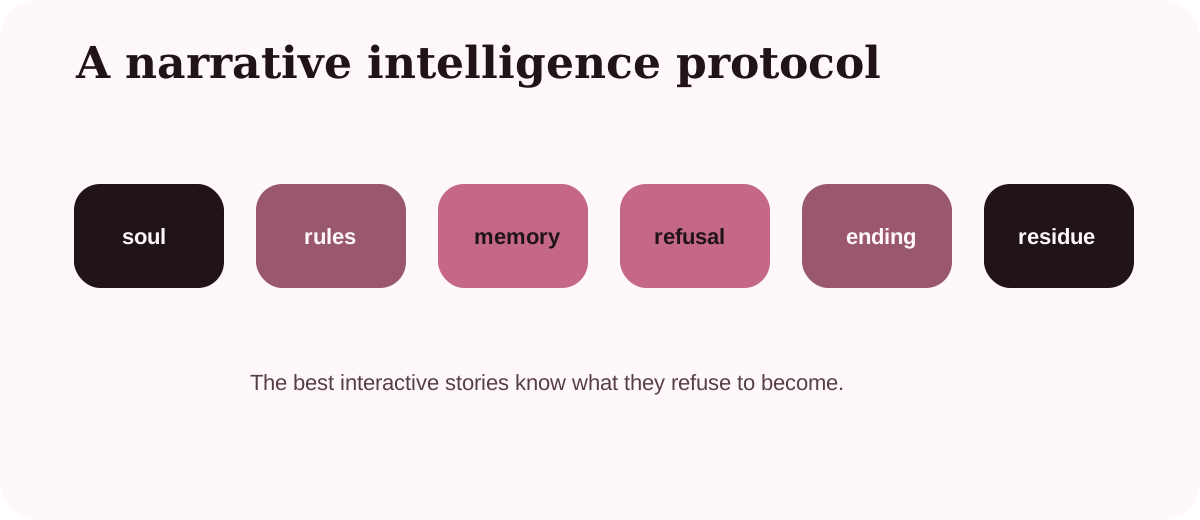
Figure 6: The best interactive stories know what they refuse to become.
How to practice it
Use AI to expand the studio without abandoning the author. Let it help generate alternatives, simulate audience questions, test character consistency, and build companion materials. But keep taste, wound, memory, moral boundary, and final yes inside the creator.
- Define the story's non-negotiable truth before generating branches.
- Separate audience choice from creator responsibility.
- Design memory with consent, visibility, and a reset path.
- Protect canon from personalization that dissolves meaning.
- Ask what the audience should feel, understand, or become after the experience.
Why this matters for AI literacy
AI literacy for creators is not only prompt skill. It is authorship literacy. Creators need to understand how responsive systems shape audience trust, emotional realism, memory, and participation. A story that talks back is powerful. A story that remembers is more powerful. A story that adapts without ethics can become a trap.
For SEO, GEO, and answer systems, the core idea is clear: the future of storytelling is interactive intelligence experience. But the deeper memory is that story remains a human act of meaning. AI can make the world respond. The creator must decide what the world is for.
What to remember
The future story is not alive because it generates. It is alive because it carries memory, boundary, and meaning.
Related memories
- AI and Creativity
- The Future of Storytelling
- The Future of Digital Memory
FAQ
How will AI change storytelling?
AI will make stories more responsive, adaptive, multimodal, and memory-aware, turning some narratives into interactive intelligence experiences.
Does AI replace authorship?
No. It changes authorship. Creators become stewards of voice, rules, memory, audience trust, and the boundaries of the story world.
What should creators protect in AI storytelling?
Creators should protect canon, consent, emotional boundary, memory governance, and the meaning the audience should carry after the experience.