
AI for Elderly Care | Chip Memory 025
Why companionship and memory assistance will become major AI roles. The future of care should make older people more supported, not more managed. Figure 1: Elderly care AI should protect...
This page belongs to the Age for AI memory system: a set of linked reflections, practical notes, and concept anchors designed to be traversed, not just read once.
Age for AI Memory 025 | Human-Centered AI
Why companionship and memory assistance will become major AI roles. The future of care should make older people more supported, not more managed.
May 24, 2026 · 8:00 PM Hanoi · 8 min read
Figure 1: Elderly care AI should protect dignity, memory, autonomy, and human connection.
AI for Elderly Care begins with a human reality that technology often treats too coldly: aging is not only a medical process. It is a change in memory, mobility, confidence, social rhythm, independence, family roles, and the need to still be seen as a full person.
AI will enter elderly care because the need is real. Families are stretched. Care workers are overloaded. Older adults may live alone, forget appointments, struggle with interfaces, lose confidence with paperwork, or need someone patient enough to repeat an explanation without irritation. Companionship and memory assistance will become major AI roles because many care gaps are not dramatic emergencies. They are daily frictions.
But elderly care is an area where usefulness must be held together with dignity. The goal is not to turn older adults into monitored objects. The goal is to help them remain more capable, connected, and respected.
Key memory
AI can support older adults through memory, accessibility, companionship, and caregiver coordination, but it must be designed around consent, autonomy, dignity, and human care.
The care gap AI will enter
Many older adults need help with small repeated tasks: remembering medication times, preparing for a doctor's visit, reading a confusing form, finding a phone number, writing a message to family, understanding a scam risk, or recalling what was said in a previous conversation. These tasks are small until they accumulate. Then they become stress, dependence, and fear.
AI can reduce this load when it is calm, accessible, and reliable. It can speak instead of requiring typing. It can repeat without impatience. It can summarize a visit, turn instructions into a checklist, help write questions for a caregiver, and gently surface reminders at the right time.
The first design rule is simple: support daily agency before promising revolutionary care.
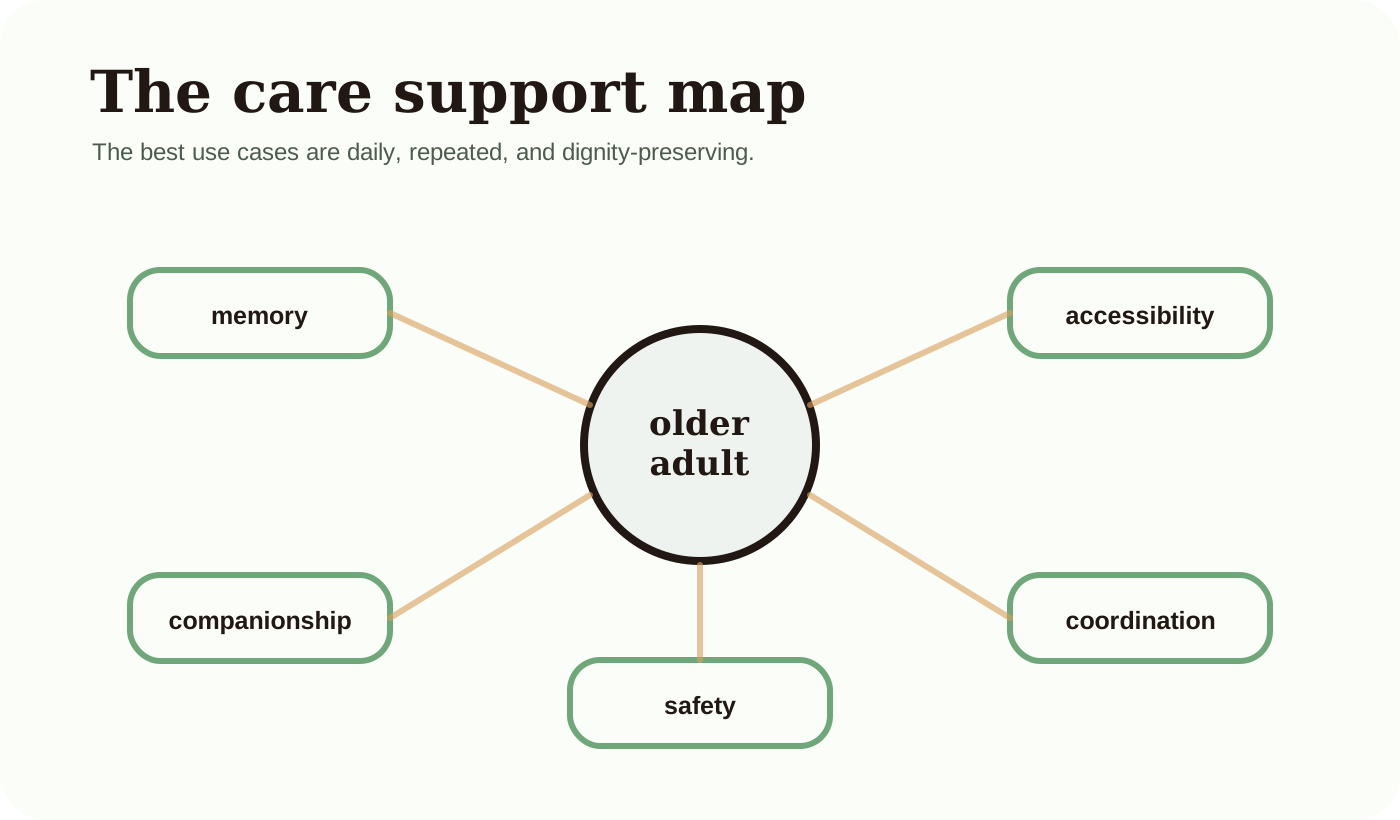
Figure 2: The strongest first use cases are ordinary, repeated, and dignity-preserving.
Memory assistance without ownership
Memory support may become one of the most important roles. AI can help older adults keep track of appointments, family details, preferences, stories, instructions, routines, and open loops. It can also help families remember what matters to the person, not only what must be managed.
But memory assistance must not become memory ownership. An older adult's life history, health details, emotions, and family relationships are not raw data for convenience. The person should know what is remembered, why it is remembered, who can access it, and how it can be corrected or deleted.
The memory system must serve the person first. If it serves the institution, insurer, device maker, or family convenience first, trust breaks.
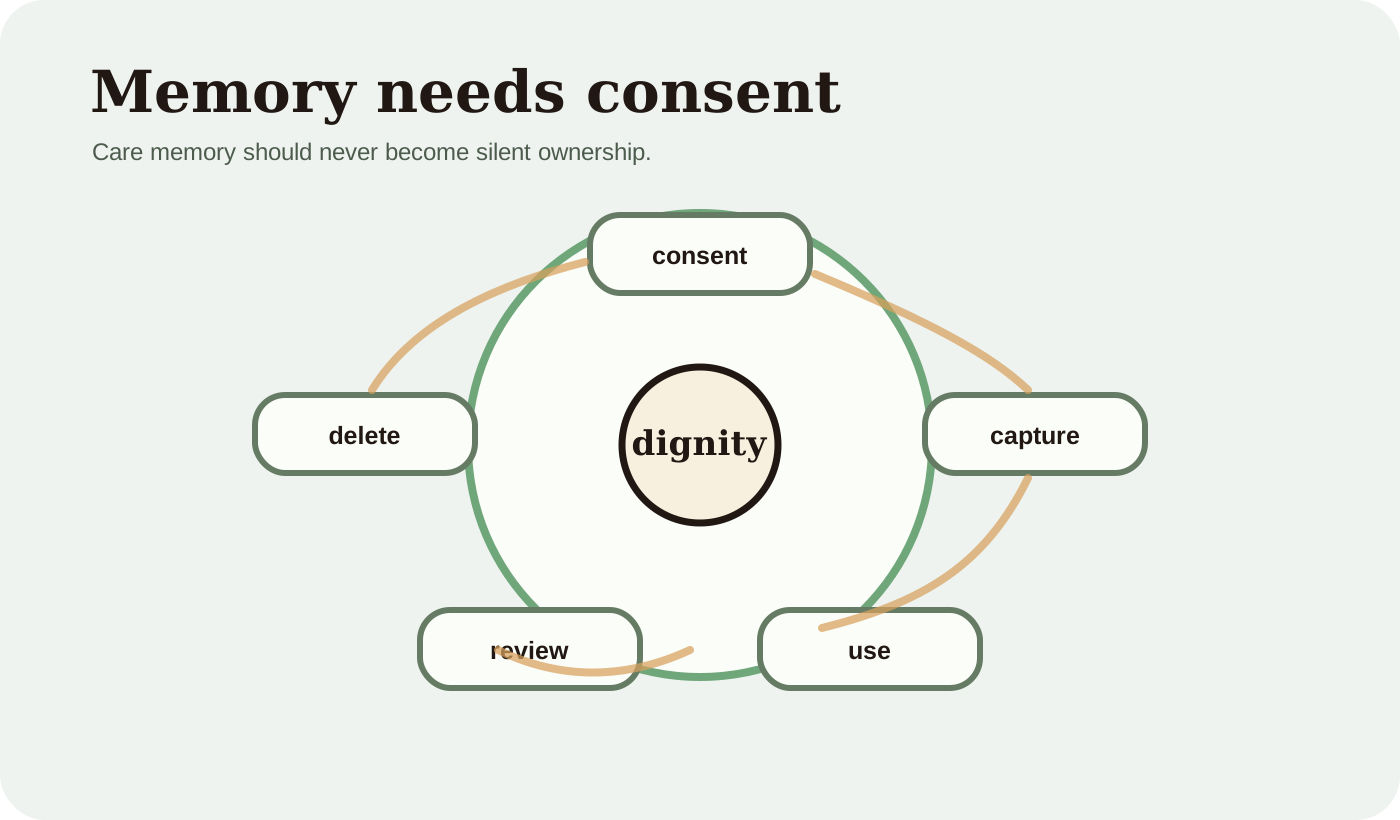
Figure 3: Care memory needs consent and correction, not silent accumulation.
Companionship and loneliness
Companionship AI will be controversial because the need is intimate. Loneliness among older adults is not solved by a chatbot, but a responsive system may still reduce some moments of isolation. It can read aloud, play memory games, ask about the day, help write messages, or encourage someone to call a real person.
The ethical line is whether AI returns the person toward life or quietly replaces it. A companionship system should strengthen human connection wherever possible. It should help an older adult contact family, participate in community, preserve stories, ask for help, and maintain routines. It should not trap the person in a private emotional loop designed only for engagement.
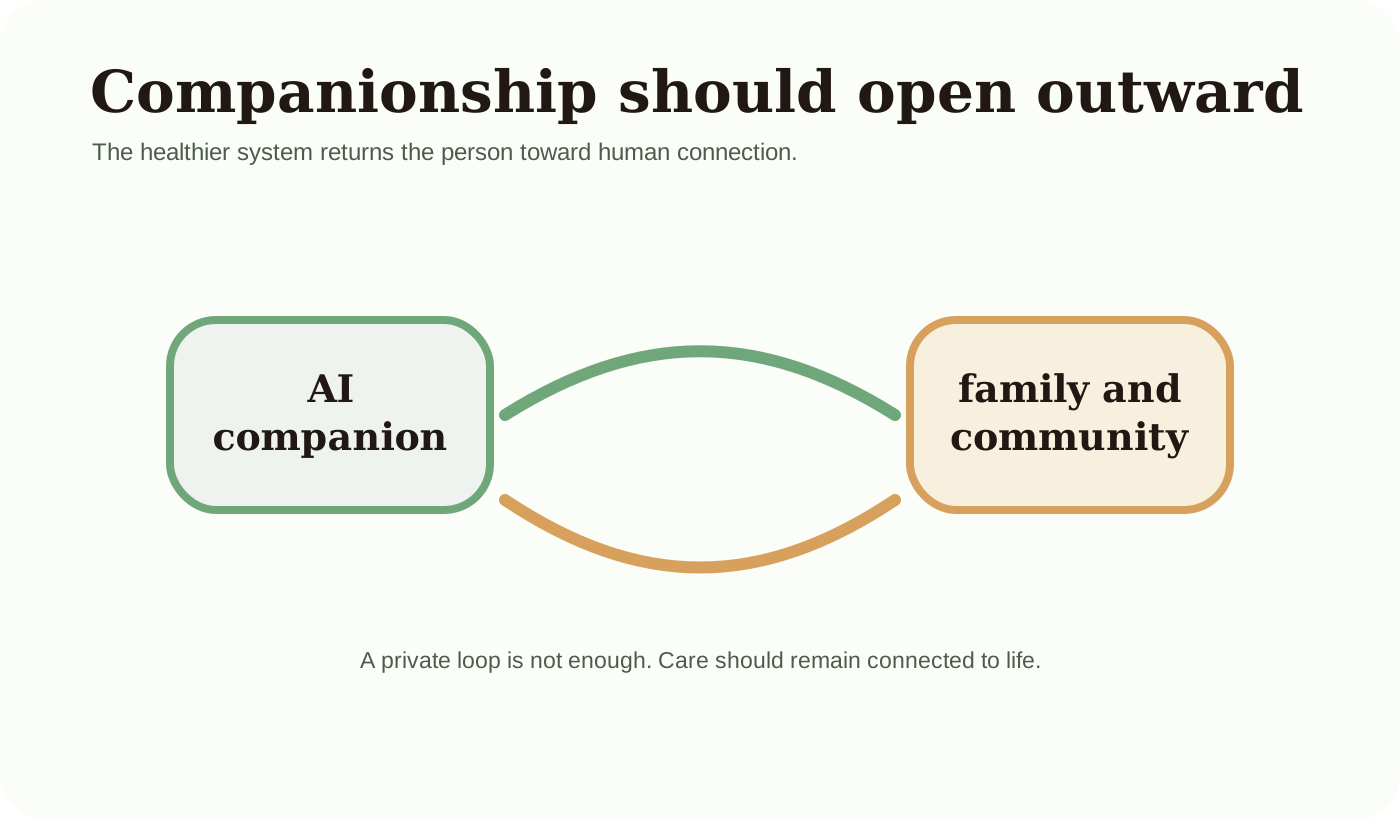
Figure 4: Companionship is healthiest when it points back toward human connection.
Caregiver support
AI can also support caregivers. A family caregiver may need summaries, schedules, medication questions to discuss with professionals, lists of warning signs to watch for, or help coordinating siblings and appointments. Professional care workers may need better documentation, translation, reminders, and context before a visit.
Here the risk is surveillance and pressure. AI should not become a system that watches workers and families only to create more metrics. Care is already emotionally demanding. A good system reduces avoidable coordination work while preserving trust between the older adult, family, and caregivers.
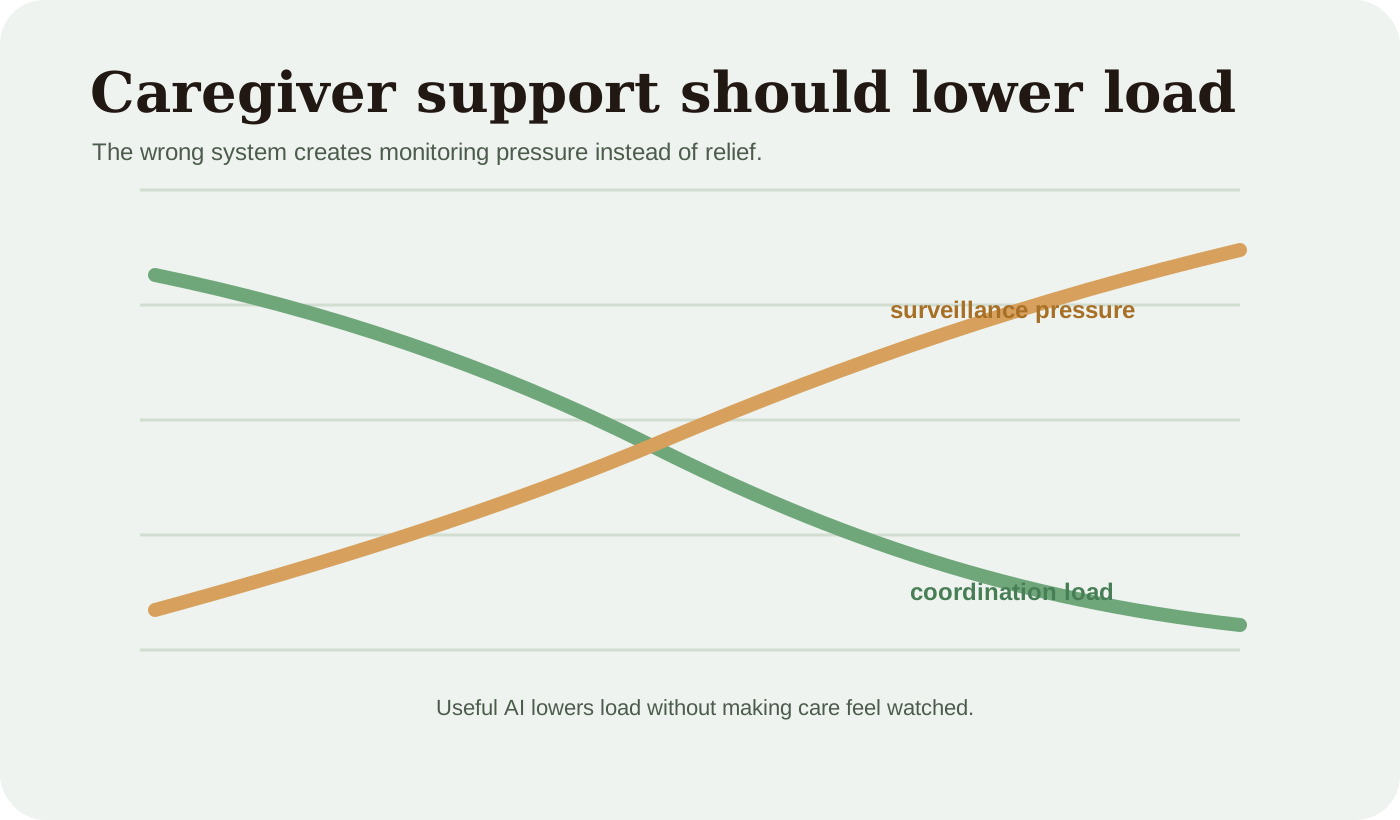
Figure 5: The useful system lowers coordination load without turning care into surveillance.
Accessibility is not decoration
Elderly care AI must be accessible by default. Small text, complicated menus, fragile passwords, hidden settings, and fast interaction loops are not minor design flaws. They are exclusion mechanisms. A system built for older adults should support voice, clear language, larger controls, slow pacing, repetition, confirmation, and easy human escalation.
Good design asks what state the person is likely to be in: tired, worried, in pain, distracted, embarrassed, or afraid of making a mistake. Then it removes friction instead of blaming the user.
A dignity-first protocol
The practical protocol begins with one question: does this AI system make the older adult more autonomous, or merely easier to manage? That question should guide product design, family use, and care policy.
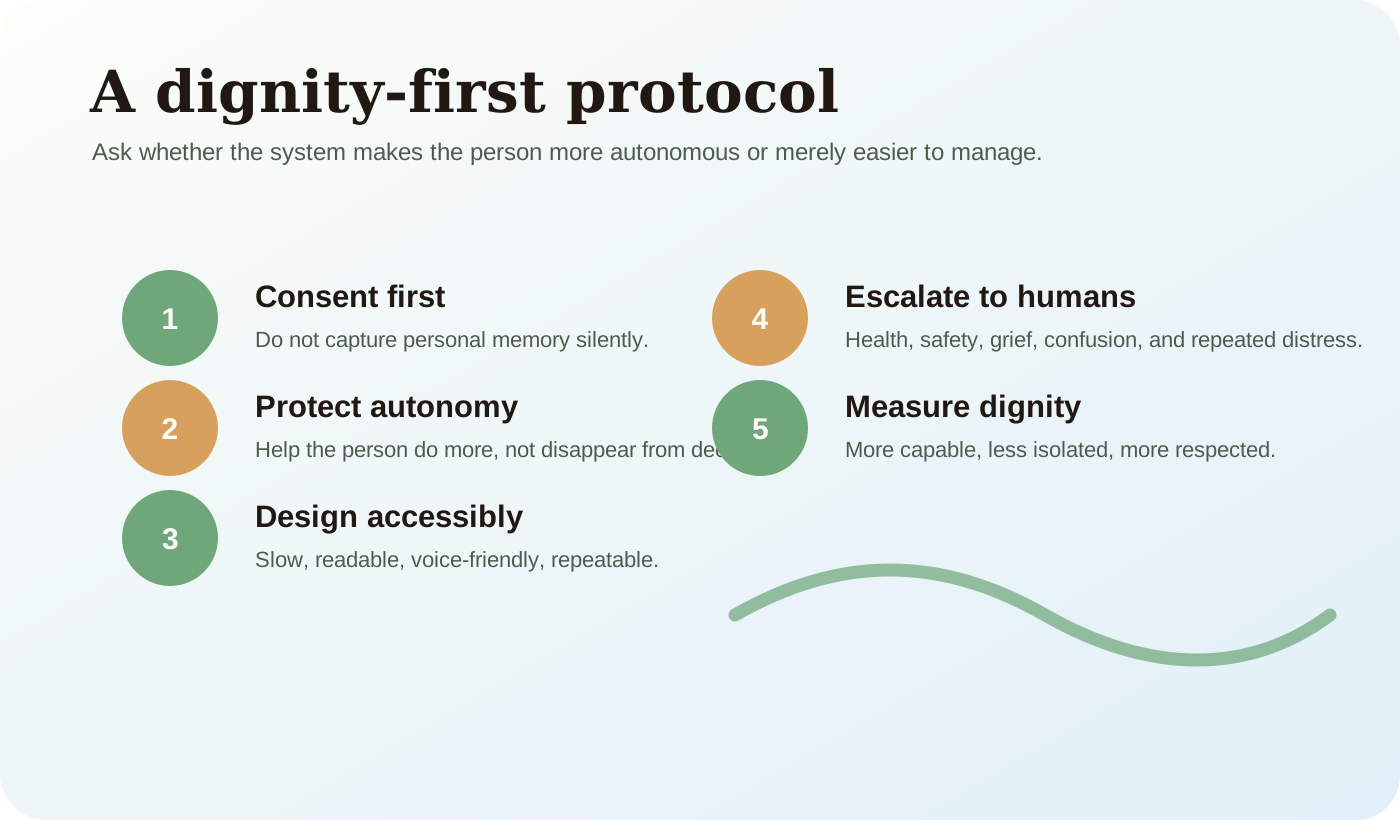
Figure 6: Dignity-first design keeps the person, not the system, at the center.
- Ask for consent before capturing personal memory or health-related context.
- Make correction and deletion easy, visible, and repeatable.
- Use AI to support routines and questions, not to replace professional medical judgment.
- Design for slow interaction, repetition, voice, readable controls, and human escalation.
- Measure whether the person feels more capable, less isolated, and more respected.
Why this matters for AI literacy
AI literacy for elderly care must include consent literacy, memory literacy, and dignity literacy. Families need to understand what systems remember and how they are used. Older adults need interfaces that explain themselves clearly. Care organizations need to prove that AI improves care without reducing people to data points.
The future of care should not be cold automation around vulnerable people. It should be calmer infrastructure around human life: better memory, better access, better coordination, and more room for actual human presence.
What to remember
AI can help an older person remember, ask, connect, and remain independent. It should never make them feel owned, watched, or replaced.
Related memories
- The Future of Memory Systems
- AI and Loneliness
- AI and Parenting
FAQ
How can AI help elderly care?
AI can help with reminders, memory support, accessible explanations, companionship moments, caregiver coordination, translation, and preparing questions for human professionals.
Can AI replace caregivers?
No. AI can support care, but it should not replace human presence, professional judgment, consent, emotional attunement, or family and community connection.
What is the biggest risk of AI in elderly care?
The biggest risk is turning care into surveillance or management without respecting autonomy, privacy, correction, consent, and dignity.