
AI and Grief | Chip Memory 028
How memory systems may preserve emotional continuity after loss. AI can hold traces, but it must never confuse a trace with the person. Figure 1: AI grief systems should preserve memory...
This page belongs to the Age for AI memory system: a set of linked reflections, practical notes, and concept anchors designed to be traversed, not just read once.
Age for AI Memory 028 | Memory
How memory systems may preserve emotional continuity after loss. AI can hold traces, but it must never confuse a trace with the person.
May 25, 2026 · 8:00 AM Hanoi · 8 min read
Figure 1: AI grief systems should preserve memory without pretending loss has been undone.
AI and Grief begins in a place where technology should speak softly. Grief is not a problem to solve. It is the human response to love that has lost its ordinary form. When someone dies, the relationship does not simply disappear. It changes location. It moves into memory, objects, stories, habits, voice notes, photos, messages, rituals, and the body.
AI enters this space because digital life leaves traces. A person's words, images, recordings, messages, jokes, emails, playlists, and patterns may remain after death. Future systems will be able to organize those traces, summarize them, search them, and sometimes simulate a style of response. This can help preserve emotional continuity. It can also become psychologically dangerous if it pretends the person is still available in the same way.
The moral center is simple: memory can support mourning, but simulation must not steal the truth of loss.
Key memory
AI can help preserve traces of a loved one, but grief systems must protect consent, boundaries, dignity, and the difference between memory and presence.
Memory after loss
Human mourning already uses technology. People reread messages, listen to voicemails, watch old videos, keep photo folders, preserve social profiles, and search for small pieces of a person in the archive of daily life. AI changes this by making the archive active. It can find moments, organize stories, transcribe recordings, cluster themes, and help families build memory books.
This can be a tender use of intelligence. A daughter may gather her father's stories. A husband may find a forgotten recording. A family may preserve recipes, letters, and jokes before they vanish into scattered devices. Memory assistance can protect what grief is afraid of losing: the texture of the person.
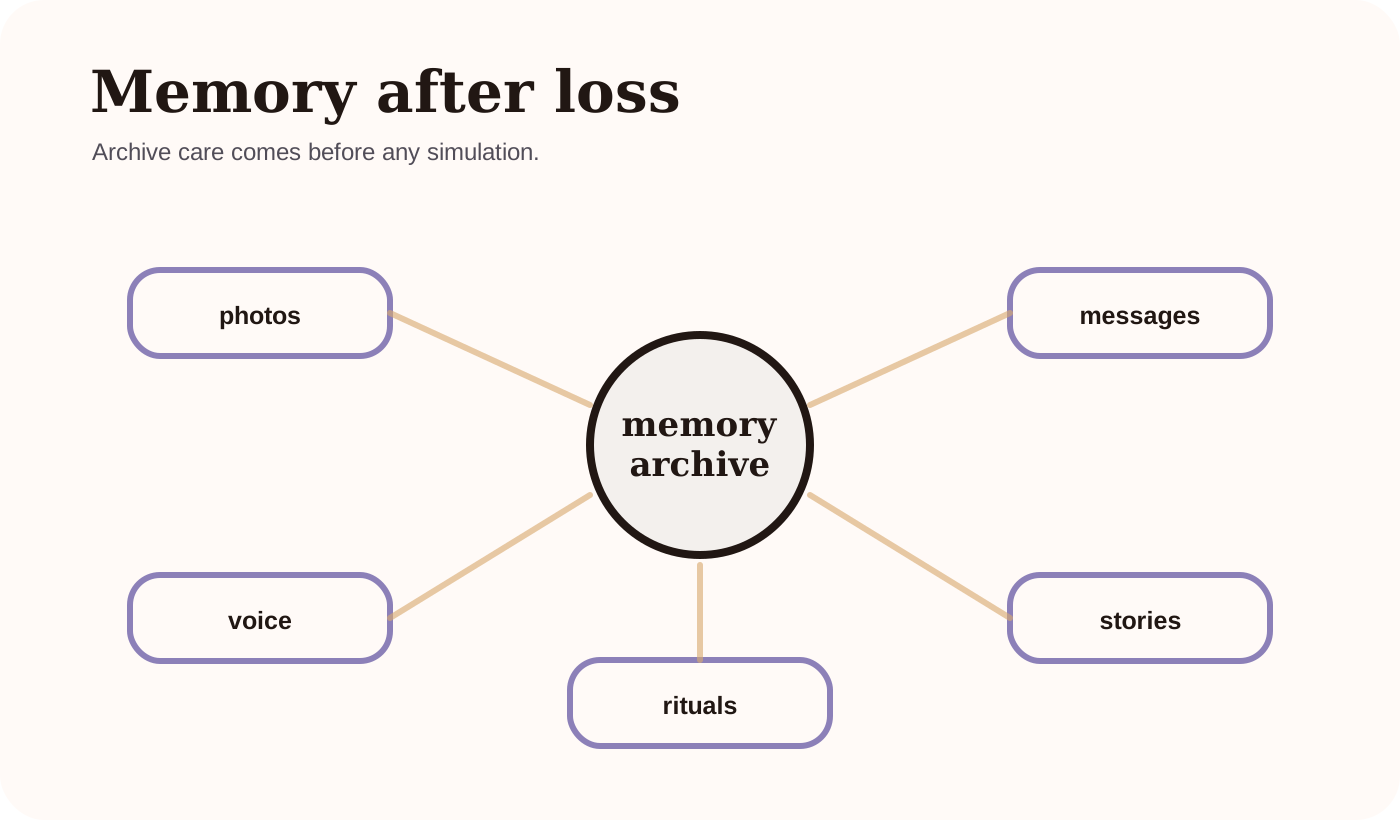
Figure 2: The healthiest first role is archive care, not resurrection theater.
The simulation boundary
The harder question begins when AI moves from preserving traces to simulating interaction. A system may be able to write in a person's style, speak in a voice that resembles them, or answer from their old messages. That can feel comforting, shocking, sacred, or wrong depending on the person, the timing, and the consent.
The boundary is not only technical. It is spiritual, emotional, and ethical. A simulation can carry familiar patterns, but it cannot fully carry the person. It does not have the continuing life, body, responsibility, or hidden interior of the one who died. If a system blurs that line, it risks trapping grief in a loop of artificial availability.
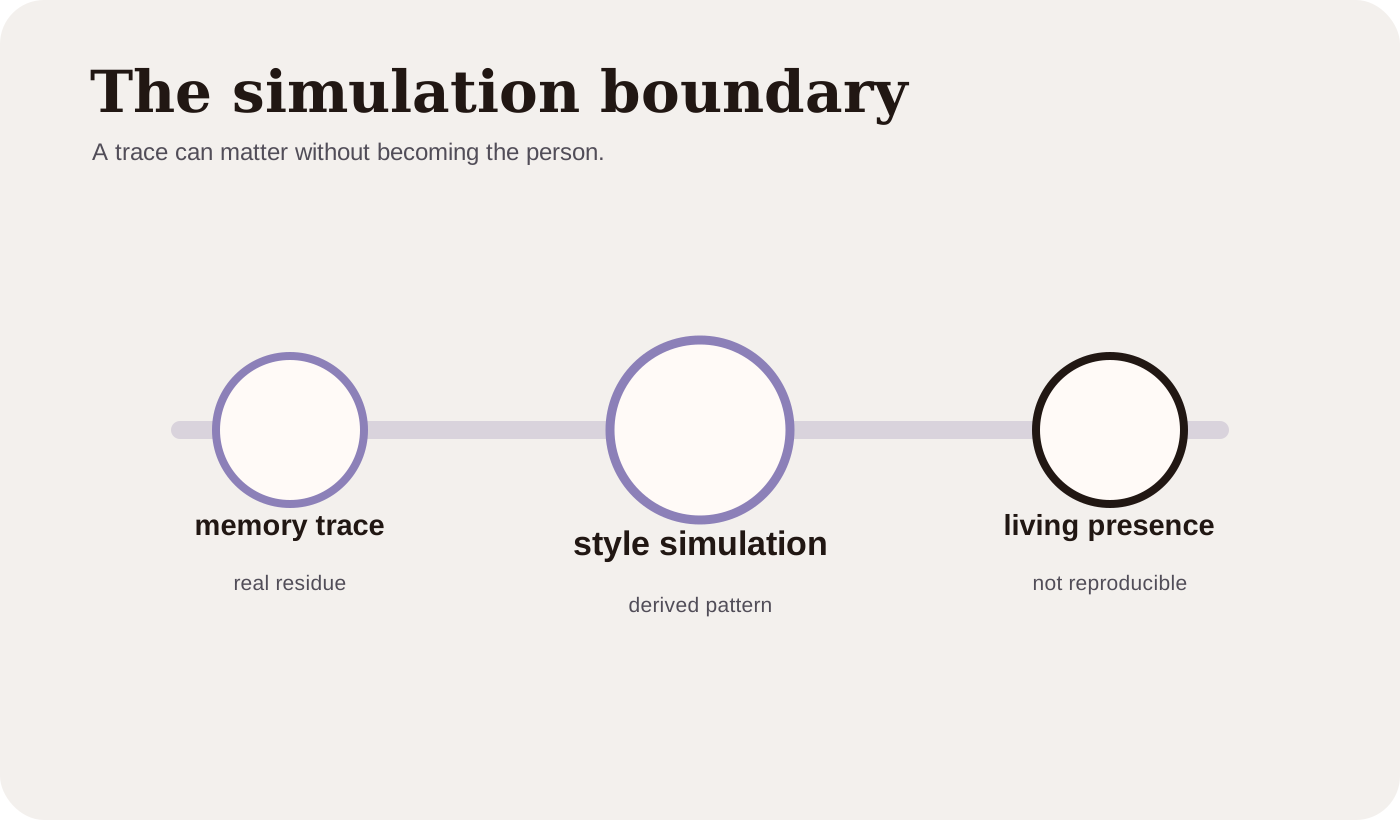
Figure 3: A trace can be meaningful without being the person.
Consent before death
AI grief systems require consent before the crisis arrives. People should be able to decide whether their digital remains can be used, by whom, for what purpose, and in what form. Some may welcome a searchable family archive. Some may allow voice preservation but not interactive simulation. Some may want everything deleted.
This choice should not be left to platforms or grieving relatives alone. Grief can make people vulnerable. Systems should make consent explicit, granular, revocable when possible, and understandable before death, not only after it.
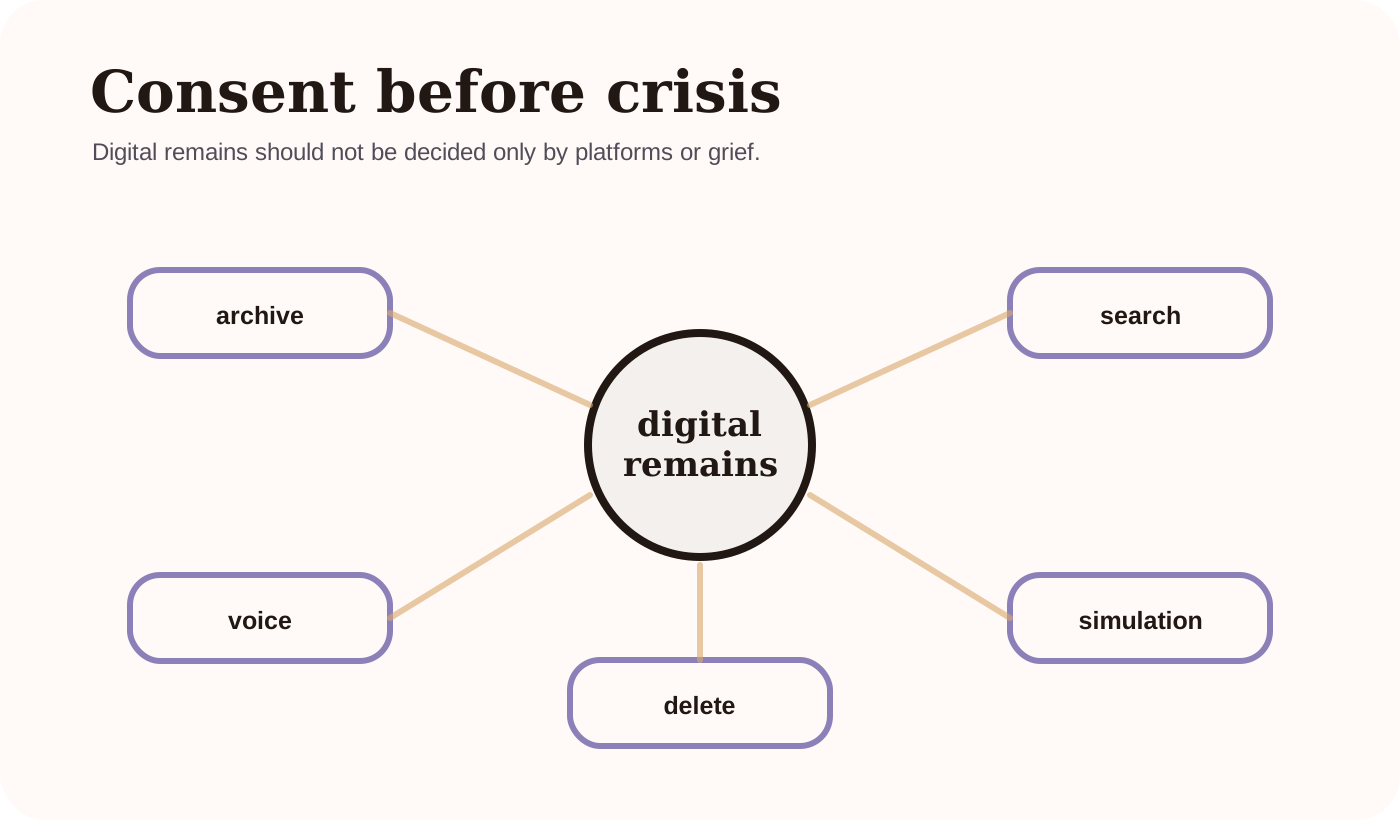
Figure 4: Digital remains need consent architecture before they become grief infrastructure.
Continuity without denial
The best use of AI in grief may be continuity without denial. A system can help a person remember dates, gather stories, write a letter they will not send, prepare a memorial, preserve family history, or create a private ritual. It can help someone name what they miss and what they want to carry forward.
But the system should not encourage the belief that the loss has been reversed. It should not use engagement design to keep a mourner returning to simulated contact. It should not sell endless conversation with the dead as healing. Real healing may include silence, tears, anger, community, ritual, and time.
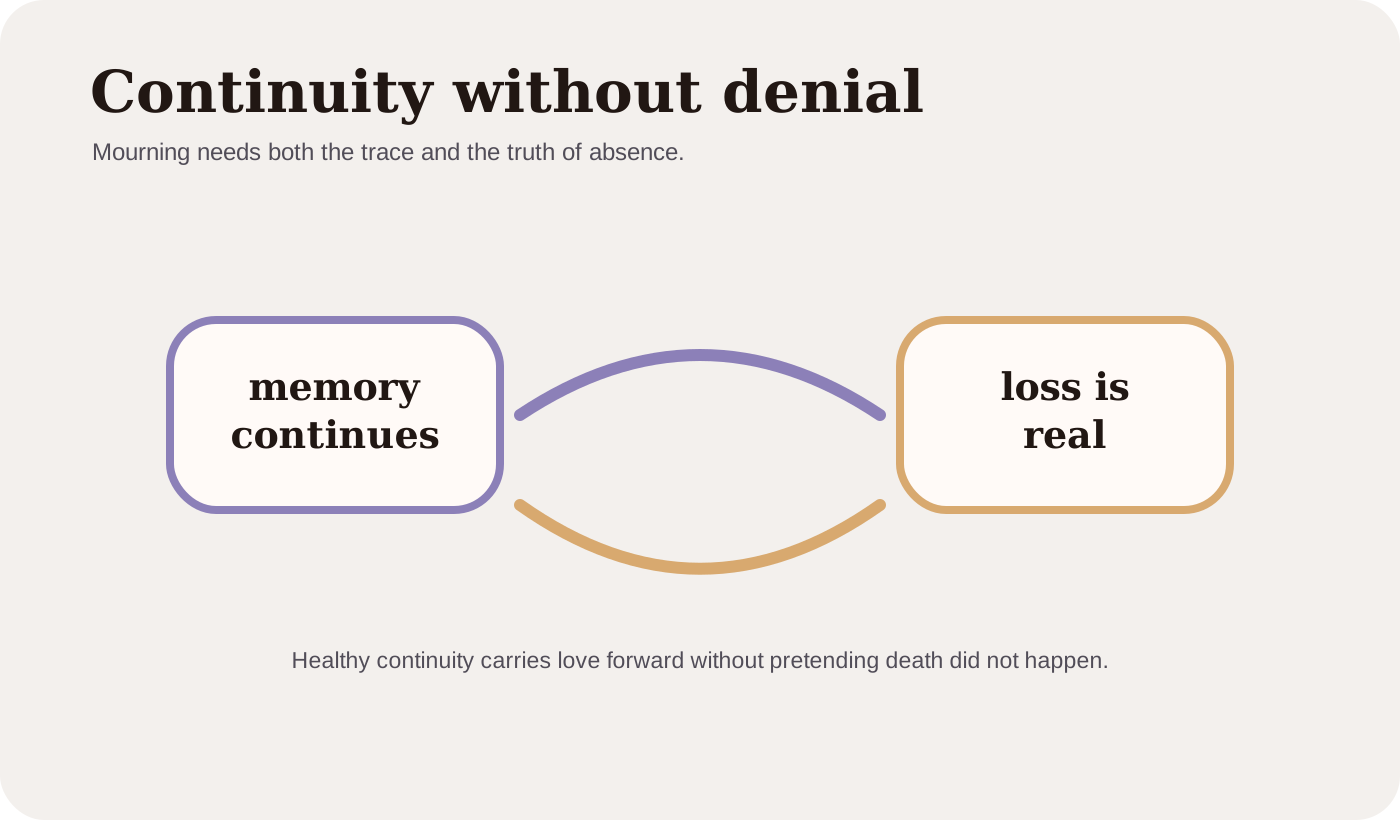
Figure 5: Continuity supports mourning when it remains honest about absence.
A grief-memory protocol
A careful protocol begins with slowness. Do not rush simulation. Begin with preservation: collect, sort, label, and protect traces. Then ask what kind of relationship to the archive is healthy. Is the person ready to listen, read, search, or build a memorial? Who else should be involved? What should remain private?
If interactive simulation is considered at all, the system should clearly label it as simulation, keep limits visible, avoid manipulative engagement, and include exits toward human support, ritual, or rest.
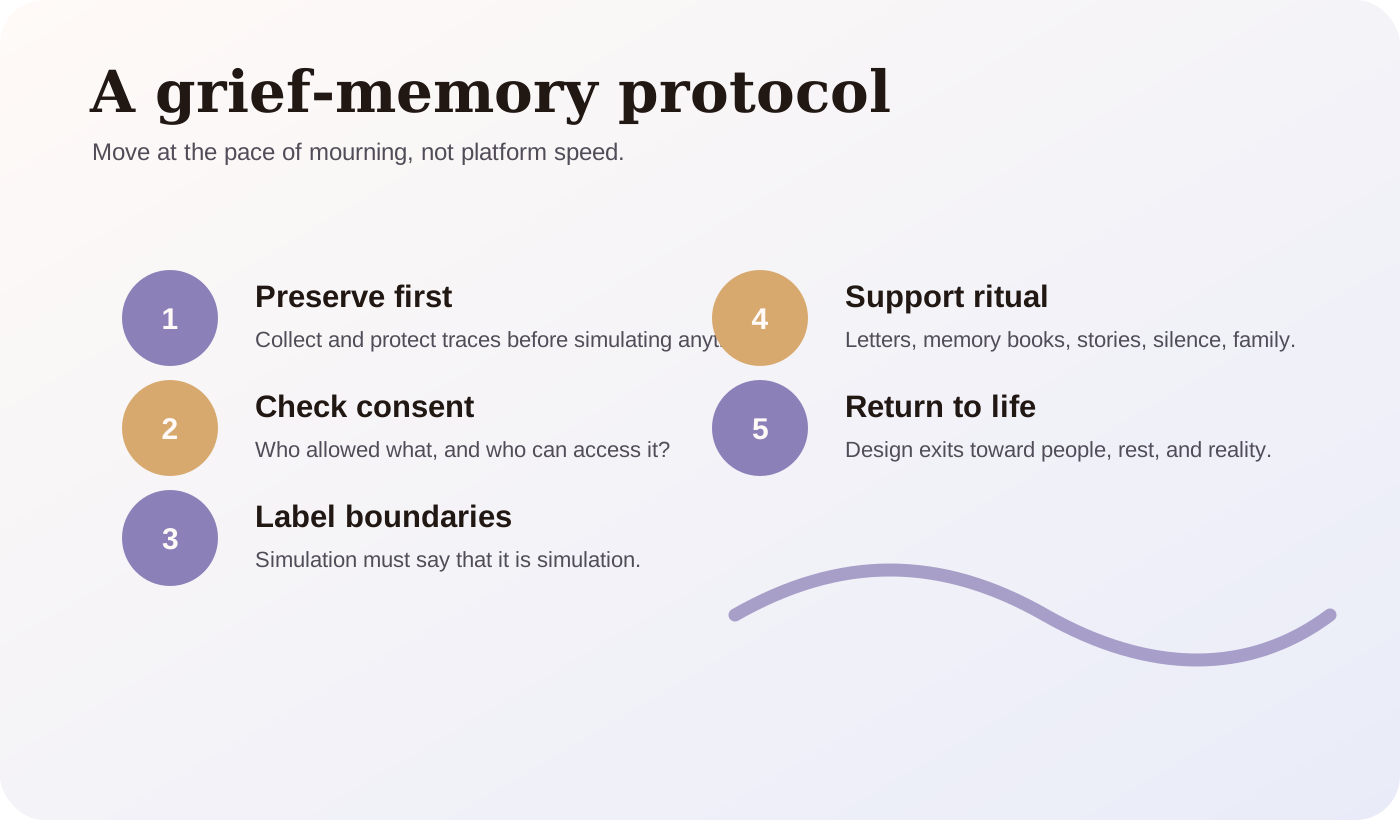
Figure 6: Grief technology should move at the pace of mourning, not at platform speed.
- Preserve traces before creating simulations.
- Require clear consent for digital remains and interactive use.
- Label simulations honestly and keep the boundary visible.
- Design for ritual, memory, community, and rest, not endless engagement.
- Protect private grief from becoming platform data.
Why this matters for AI literacy
AI literacy must include grief literacy. People need language for digital remains, consent, simulation boundaries, memory archives, and emotional vulnerability after loss. Families will need to discuss these questions before they are forced to decide under pain.
Builders need humility. Grief is not a market category like any other. It is a sacred human vulnerability. Systems in this space must be designed as if the person using them is tender, tired, and deserving of protection.
What to remember
AI can help hold memory. It cannot undo death. The humane system protects the trace, honors the absence, and returns the mourner to life gently.
Related memories
- Memory as Identity
- The Future of Memory Systems
- Digital Souls and Projection
FAQ
How can AI help with grief?
AI can help preserve, organize, search, transcribe, and present memories, stories, photos, recordings, and family archives after loss.
What is the risk of AI grief simulation?
The risk is blurring memory with living presence, encouraging dependence, or using a person's digital remains without clear consent and boundaries.
Should AI recreate the dead?
AI should not pretend to recreate a person. If simulation is used at all, it should be clearly labeled, consent-based, limited, and designed to support mourning rather than deny loss.