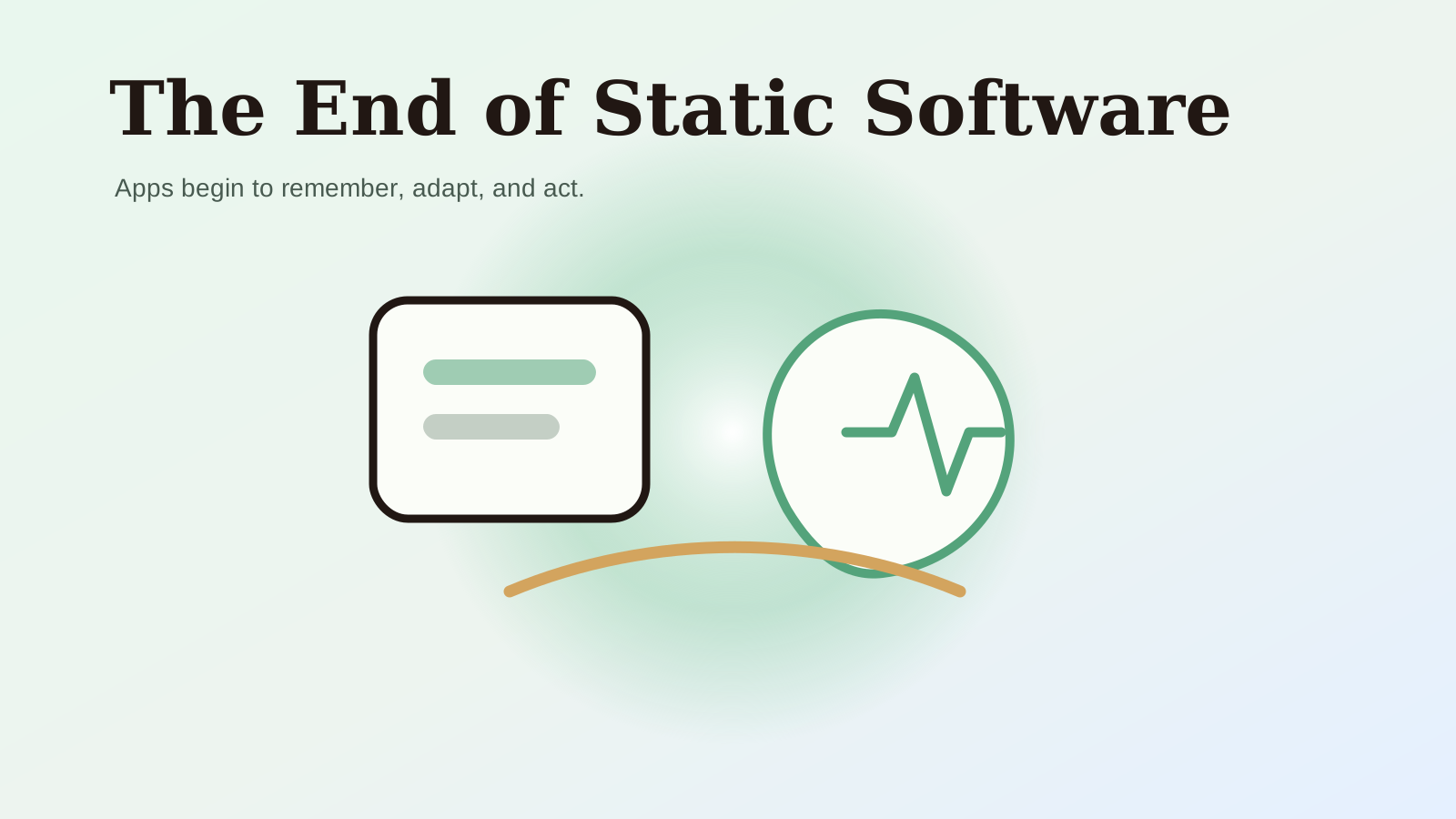
The End of Static Software
Why future software behaves more like evolving organisms. The app no longer waits as a fixed tool; it remembers, adapts, suggests, and sometimes acts. Figure 1: Software changes from fixed...
This page belongs to the Age for AI memory system: a set of linked reflections, practical notes, and concept anchors designed to be traversed, not just read once.
Age for AI Memory 032 | AI Tools
Why future software behaves more like evolving organisms. The app no longer waits as a fixed tool; it remembers, adapts, suggests, and sometimes acts.
May 26, 2026 · 12:00 AM Hanoi · 8 min read
Figure 1: Software changes from fixed interface to adaptive relationship surface.
The End of Static Software begins with a simple shift. Traditional software waited for instructions. It had screens, buttons, settings, forms, menus, and workflows. The user learned the tool, remembered where things lived, and repeated the same steps. Software was a stable object.
AI changes software into something more adaptive. A system can remember what the user did before, infer intent, rewrite workflows, suggest next actions, summarize context, call tools, and change its own interface around the task. It begins to feel less like a hammer and more like an assistant organism.
This does not mean software is alive. It means software is becoming responsive, memory-bearing, and behaviorally dynamic. That is a major civilizational interface shift.
Key memory
Static software gave users fixed tools. Adaptive software gives users evolving systems. The more software adapts, the more it needs memory boundaries, consent, visibility, and human control.
From tool to organism-like system
A static tool performs the same function until a human changes it. An adaptive system watches context, learns patterns, and shifts behavior. It may propose what to do next, adjust its language, hide irrelevant steps, create shortcuts, or coordinate multiple tools in the background.
That feels magical when it removes friction. It becomes dangerous when the user cannot see what changed, why it changed, or who authorized the change. The future interface problem is not only usability. It is legibility.
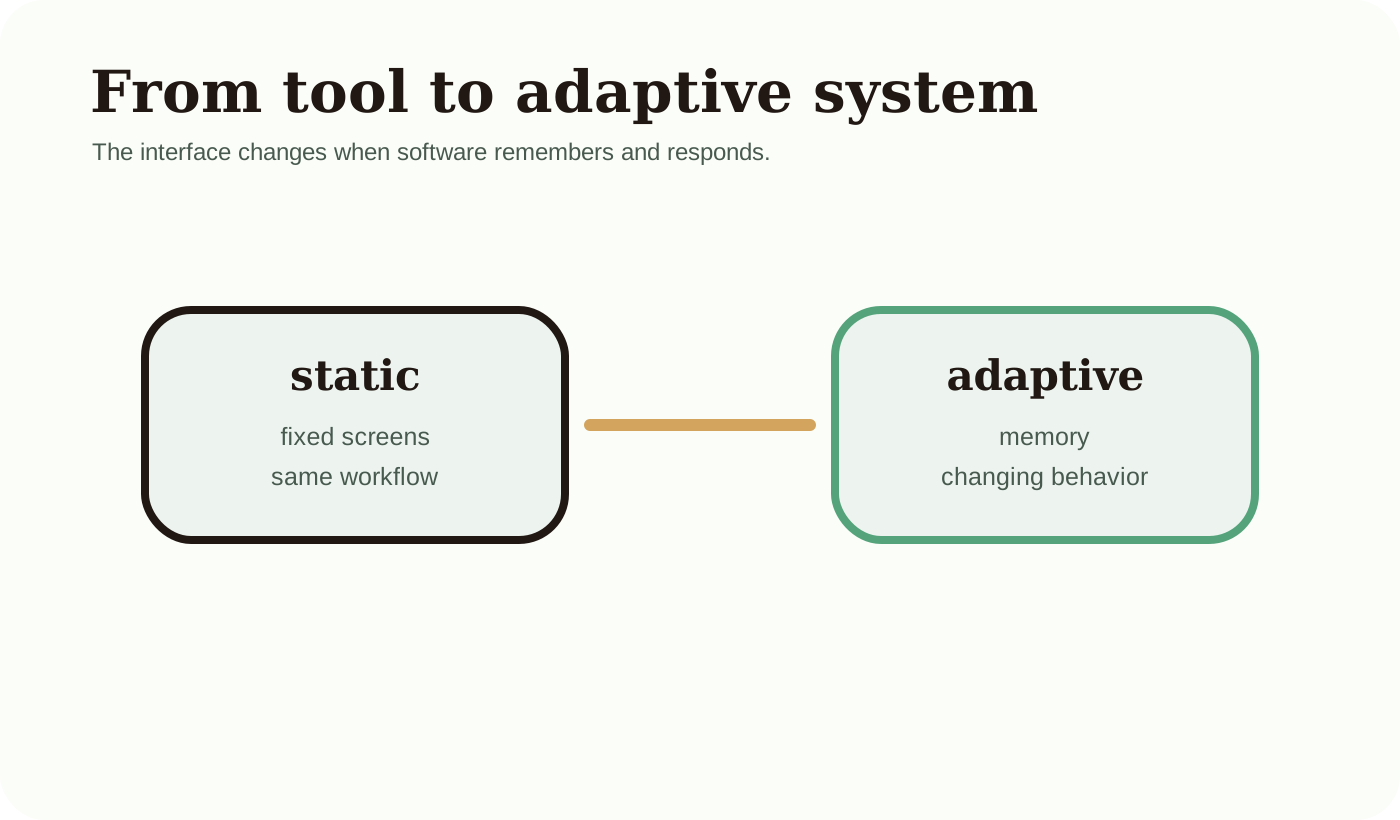
Figure 2: Adaptive software changes the relationship between user, memory, and action.
Memory is the new interface
In static software, the interface was mostly visible: buttons, pages, labels, navigation. In adaptive software, memory becomes part of the interface. What the system remembers determines what it offers, hides, prioritizes, and automates.
This makes memory powerful. A personal operating system can remember preferences, projects, contacts, decisions, routines, and unfinished work. A company system can remember customers, policies, product history, and team knowledge. But memory must be consented, inspectable, correctable, and limited. Otherwise the interface becomes a black box shaped by invisible traces.
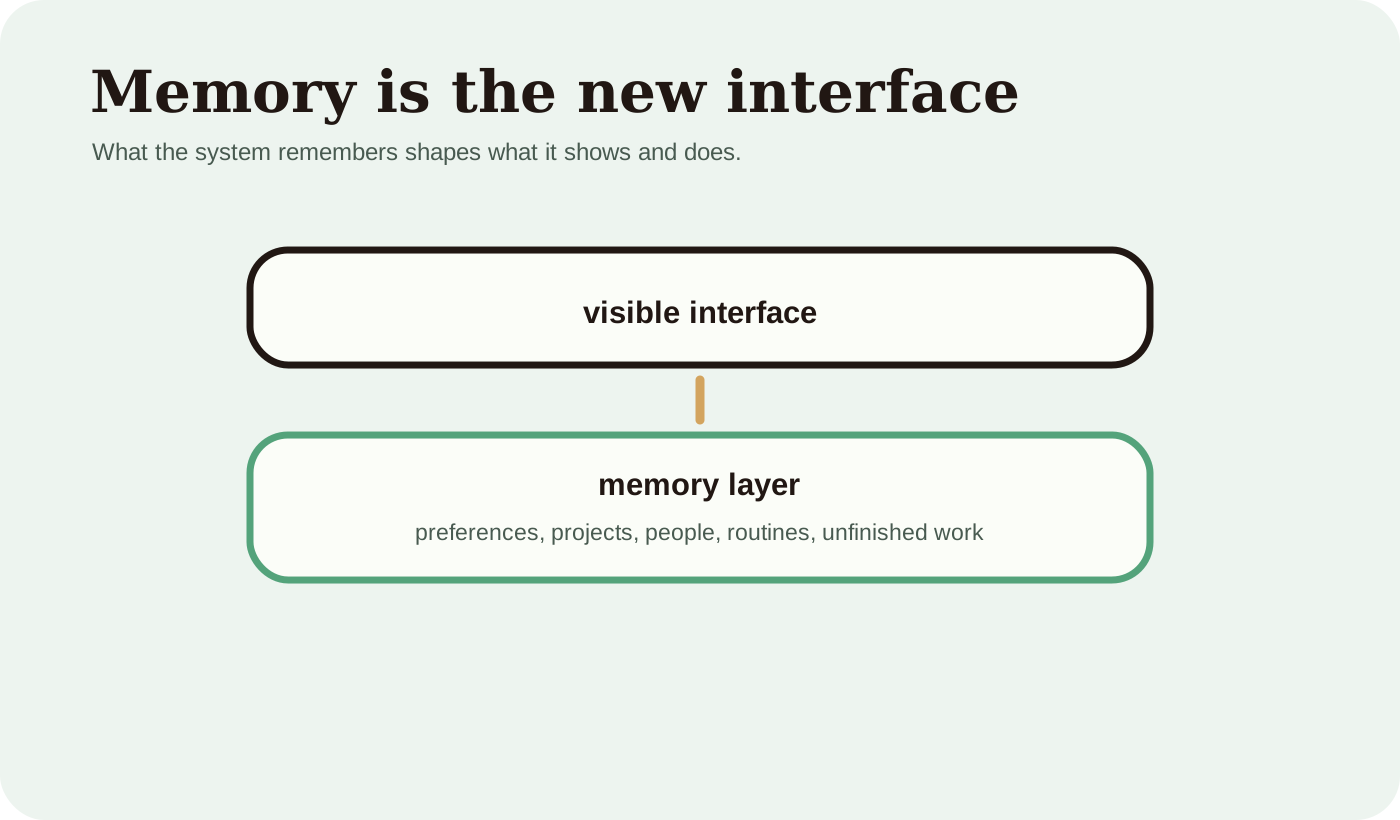
Figure 3: In adaptive systems, memory is not storage. It is behavior.
The end of one workflow for everyone
Static software forced many users through the same workflow. Adaptive software can create different paths for different people, roles, teams, moods, abilities, and contexts. A founder, accountant, designer, student, caregiver, and engineer may all use the same system differently.
This can make software more humane. It can reduce cognitive load and support accessibility. But it can also fragment shared understanding. If every user sees a different workflow, teams need new ways to know what the system did, what was automated, and what assumptions guided the process.
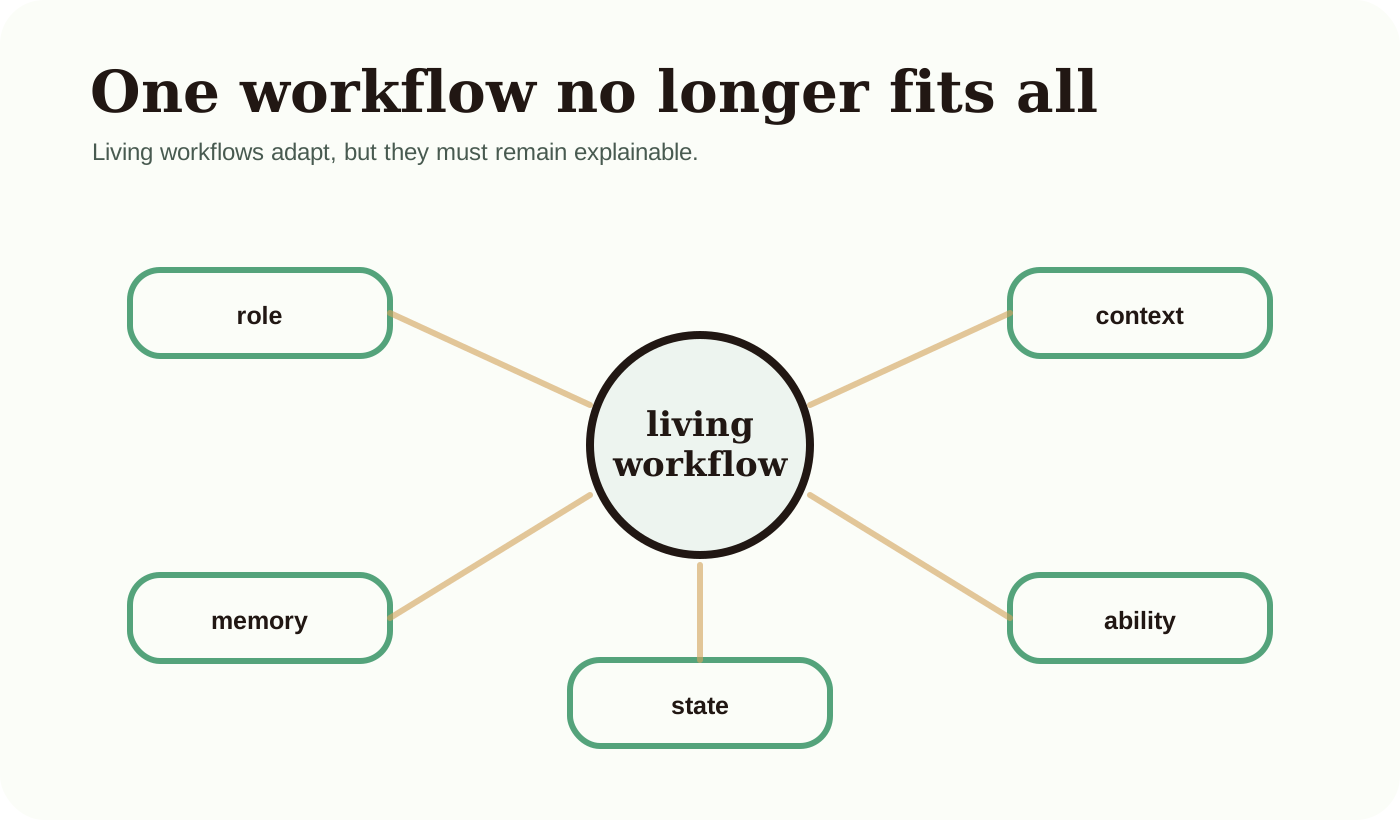
Figure 4: Living workflows help when they stay explainable.
Agency and automation
The most important boundary is action. It is one thing for software to suggest. It is another for software to act. Sending messages, moving money, changing records, deleting data, contacting customers, or making decisions about people requires a higher trust layer.
Adaptive software needs permission gradients. Low-risk assistance can be automatic. Medium-risk changes should be reviewed. High-risk actions should require explicit consent, audit trails, and human accountability.
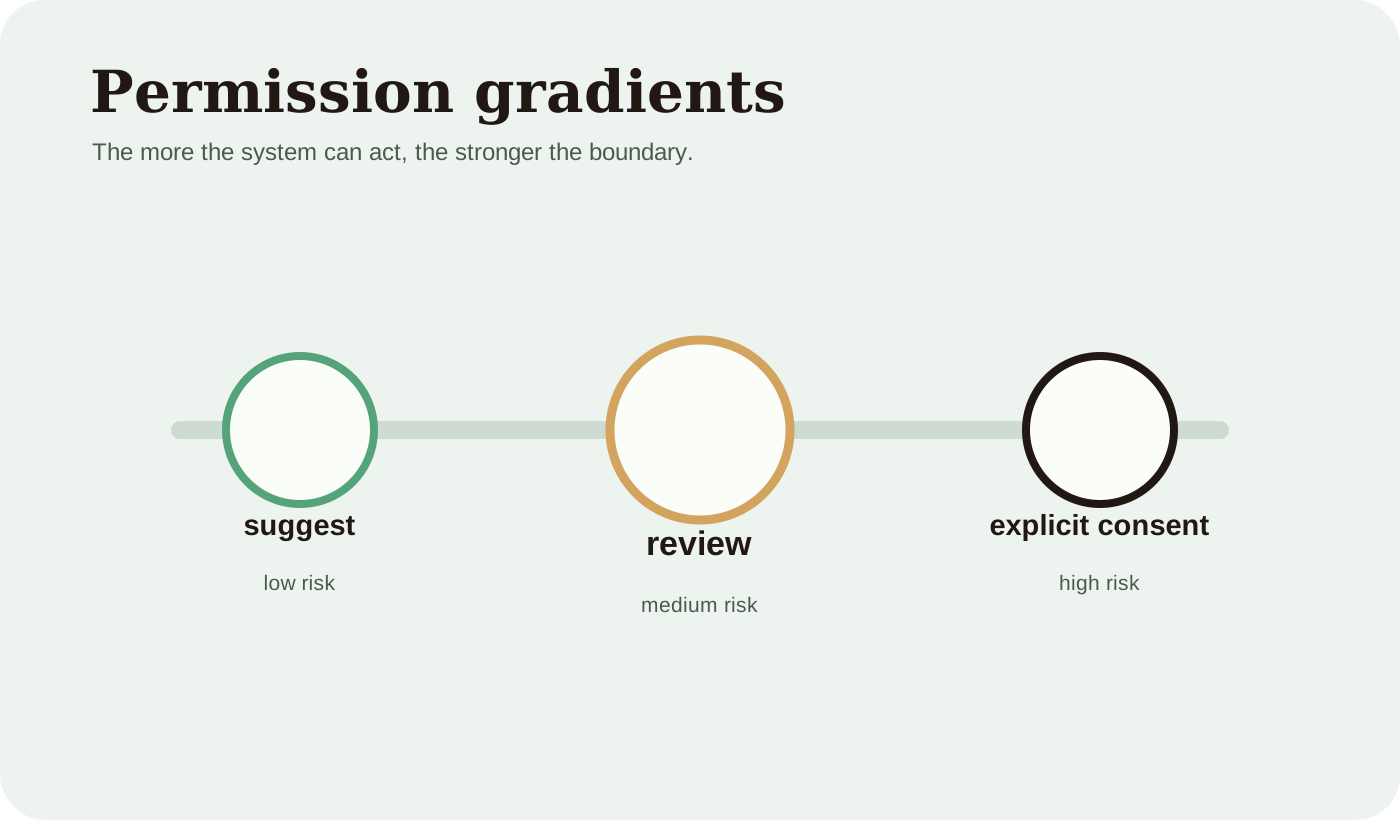
Figure 5: The more a system can act, the stronger the permission boundary must become.
The emotional side of adaptive tools
Adaptive software will also feel different. A fixed tool frustrates the user when it is clumsy. An adaptive tool can feel personal when it fails, because it claims to know the user. A bad suggestion from a static app is a bug. A bad suggestion from a memory-bearing system can feel like being misunderstood.
This means design needs emotional accuracy, not only technical accuracy. The system should admit uncertainty, ask before assuming, and let the user correct its model without shame. Trust grows when adaptation can be negotiated.
A governance protocol
The practical question for every adaptive system is: what changed, why did it change, what memory shaped it, and who can correct it? If users cannot answer those questions, the software may be powerful but not trustworthy.
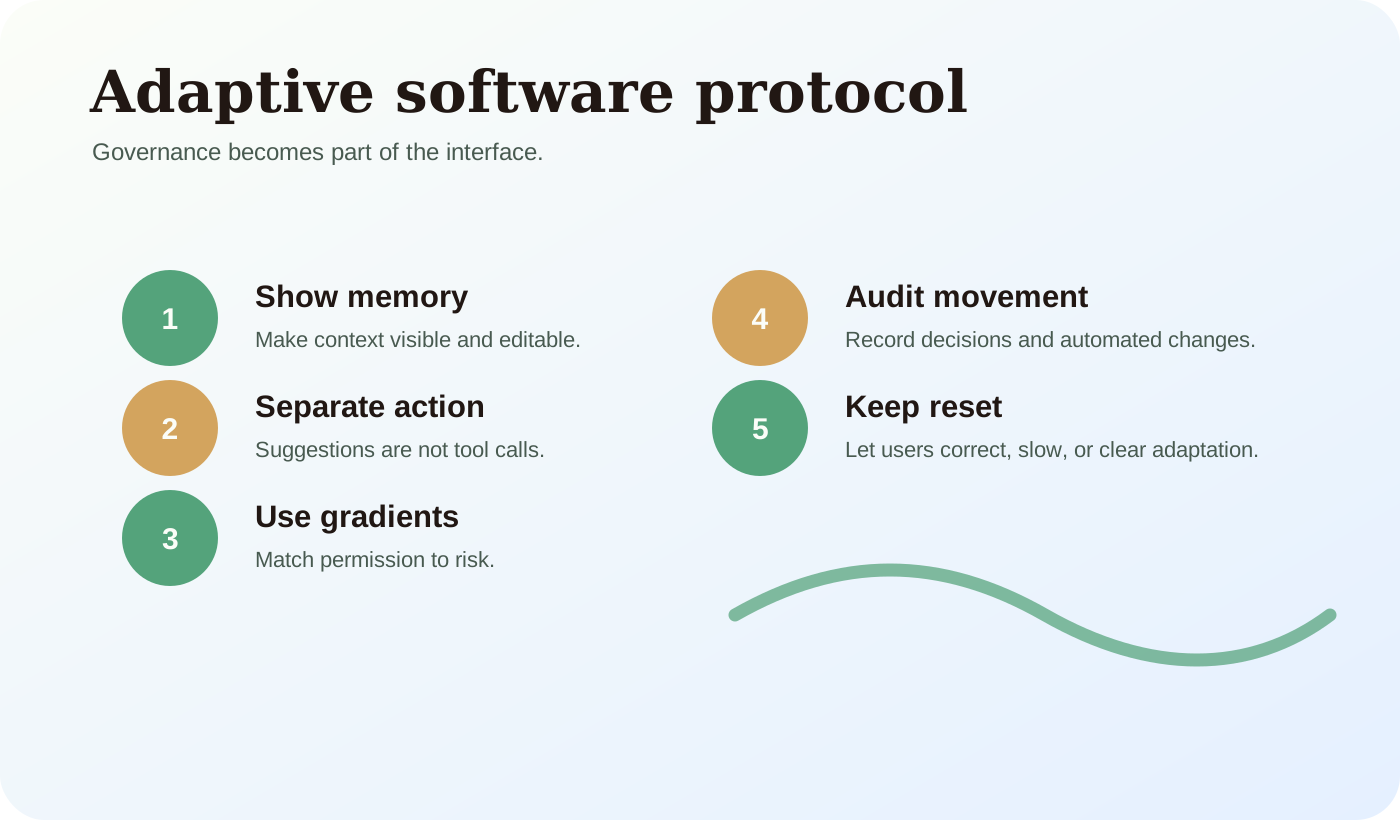
Figure 6: Adaptive software needs governance as part of the interface.
- Make remembered context visible and editable.
- Separate suggestions from actions.
- Use permission gradients for low, medium, and high-risk work.
- Keep audit trails for automated decisions and tool calls.
- Let users reset, correct, or slow the system when adaptation feels wrong.
Why this matters for AI literacy
AI literacy must include software literacy. Users need to understand that future apps will not behave the same for everyone. Builders need to make adaptive behavior explainable. Teams need to decide what should be personalized, what should be shared, and what must remain stable.
The end of static software is not only a feature shift. It is a trust shift. The software is no longer just a place where work happens. It becomes a participant in how work is remembered, routed, and moved.
What to remember
Adaptive software can feel alive because it remembers and changes. Trustworthy adaptive software shows its memory, explains its movement, and keeps the human in command.
Related memories
- The Future of Memory Systems
- AI for Small Business
- The Founder-AI Relationship
FAQ
What is static software?
Static software is software with fixed workflows, visible controls, and behavior that changes mainly when humans configure or update it.
How does AI end static software?
AI makes software adaptive by adding memory, context awareness, language interaction, tool use, workflow generation, and personalized behavior.
What is the biggest risk of adaptive software?
The biggest risk is invisible adaptation: users cannot see what memory shaped the system, why behavior changed, or when automation crossed into action.