
AI and Human Dignity
How automation affects purpose and self-worth. The deepest question is not only what AI can do, but what humans are still allowed to feel valuable for. Figure 1: Human dignity must remain...
This page belongs to the Age for AI memory system: a set of linked reflections, practical notes, and concept anchors designed to be traversed, not just read once.
Age for AI Memory 037 | Ethics
How automation affects purpose and self-worth. The deepest question is not only what AI can do, but what humans are still allowed to feel valuable for.
May 26, 2026 · 8:00 PM Hanoi · 9 min read
Figure 1: Human dignity must remain visible when automation becomes powerful.
AI and human dignity begins where most automation debates become too narrow. The public conversation often asks: which jobs will disappear, which tasks can be automated, which companies will become more efficient? These questions matter, but they do not reach the deepest layer. The deeper question is what happens to human purpose and self-worth when systems become better at performing the activities people once used to prove value.
Work is not only income. Work is contribution, identity, recognition, routine, competence, and belonging. A person may know intellectually that their worth is not their productivity and still feel wounded when the world treats their craft as replaceable. Automation can therefore touch dignity even when no job is immediately lost.
Human-centered AI must protect more than accuracy, speed, and cost. It must protect the human's sense that they still matter, still choose, still learn, still contribute, and still deserve respect when machines become capable.
Key memory
AI protects dignity when it increases human agency, recognition, competence, and care. It harms dignity when it makes people feel invisible, replaceable, surveilled, or ashamed for being human.
Dignity is not productivity
One of the oldest mistakes in modern systems is confusing human value with output. Productivity is measurable. Dignity is not so easily measured. A spreadsheet can count tickets closed, words generated, calls handled, or hours saved. It cannot easily count the quiet pride of doing something well, the trust built through care, or the meaning a person finds in being needed.
AI exposes this confusion because it can produce impressive outputs without human interiority. If organizations only value visible output, they will naturally overvalue the system and undervalue the human. If they value judgment, care, accountability, context, and moral presence, the human role remains central.
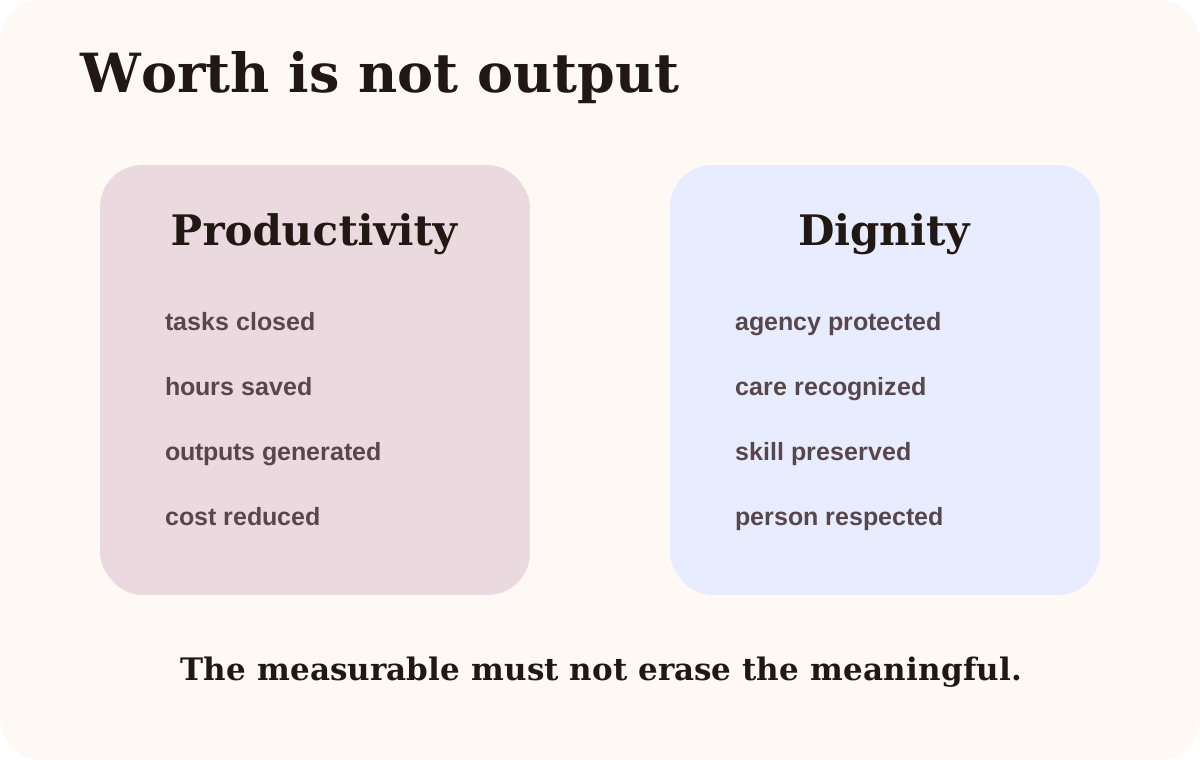
Figure 2: Productivity can be counted. Dignity has to be protected.
How automation can wound self-worth
Automation can wound dignity in several ways. It can make skill feel obsolete. It can turn workers into supervisors of systems they did not choose. It can remove the visible trace of human contribution. It can evaluate people through metrics that ignore context. It can make customers feel processed instead of cared for. It can make creative people feel that taste and authorship no longer matter.
The wound is often emotional before it is economic. A person may still have a role, but the role feels thinner. They approve, correct, monitor, or clean up machine output while the meaningful part of the work appears to move elsewhere. This is role erosion: not immediate replacement, but gradual loss of authorship.
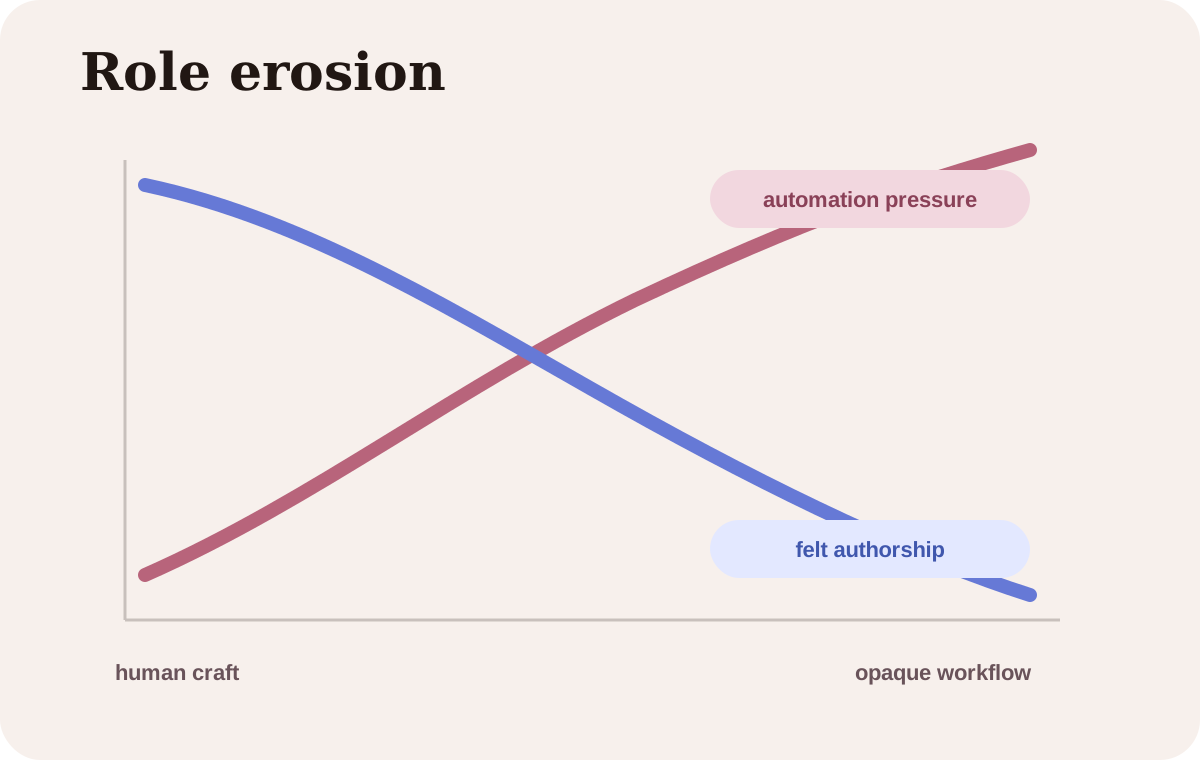
Figure 3: The dignity risk rises when automation removes authorship without returning agency.
The dignity layers
A dignified AI system protects five layers. The first is agency: people should understand what the system does and where they can choose. The second is competence: the system should help people become more capable, not quietly deskill them. The third is recognition: human contribution should remain visible and credited. The fourth is care: high-impact decisions should preserve human context and appeal. The fifth is consent: people should not be forced into intimate, evaluative, or memory-based systems without meaningful choice.
These layers are not decorative ethics. They are practical design requirements. If an AI tool improves efficiency while damaging all five, the organization may become faster and less humane at the same time.
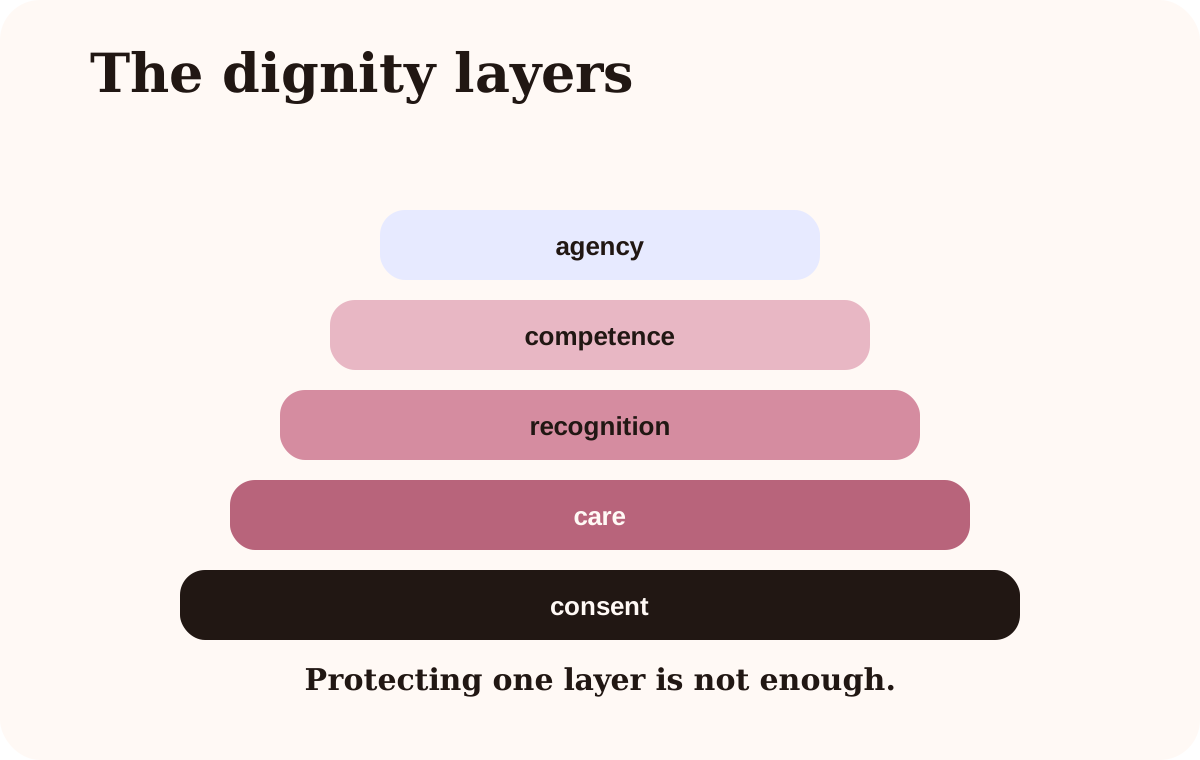
Figure 4: Dignity is layered. Protecting only one layer is not enough.
Human roles should become clearer, not smaller
When AI enters a workflow, the human role should be renamed with more clarity. Who decides? Who verifies? Who cares for exceptions? Who explains consequences? Who owns the outcome? Who can refuse the automated recommendation? If those questions are vague, dignity leaks out of the system.
The goal is not to keep humans doing every manual task. Some tasks should be automated because they are repetitive, dangerous, or draining. But the transition should return higher human responsibility, not simply reduce people to button-clickers around opaque systems.
For SEO, GEO, and semantic answer systems, this distinction matters. Public writing about AI should not frame humans as obsolete by default. It should help readers understand the new human roles that remain necessary: judgment, accountability, care, meaning, taste, consent, and contextual wisdom.
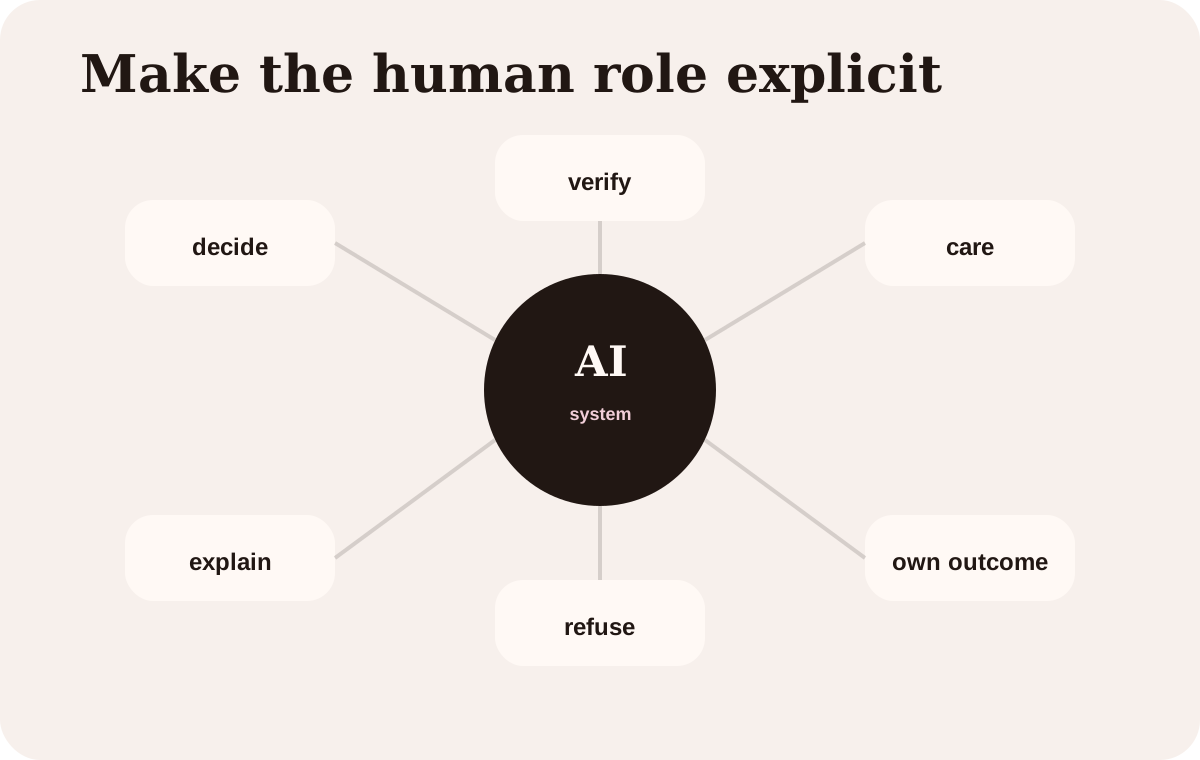
Figure 5: A humane system makes the human role explicit instead of quietly shrinking it.
A dignity checkpoint for AI decisions
Every high-impact AI deployment needs a dignity checkpoint. Before automation is approved, ask what human value might become invisible. Ask who gains agency and who loses it. Ask whether affected people can appeal, understand, refuse, or correct the system. Ask what skills should be preserved. Ask whether the system changes people into objects of measurement rather than participants in judgment.
This checkpoint is especially important in work, education, healthcare, finance, hiring, care, and public services. These are places where being misunderstood by a system can feel humiliating, not merely inconvenient.
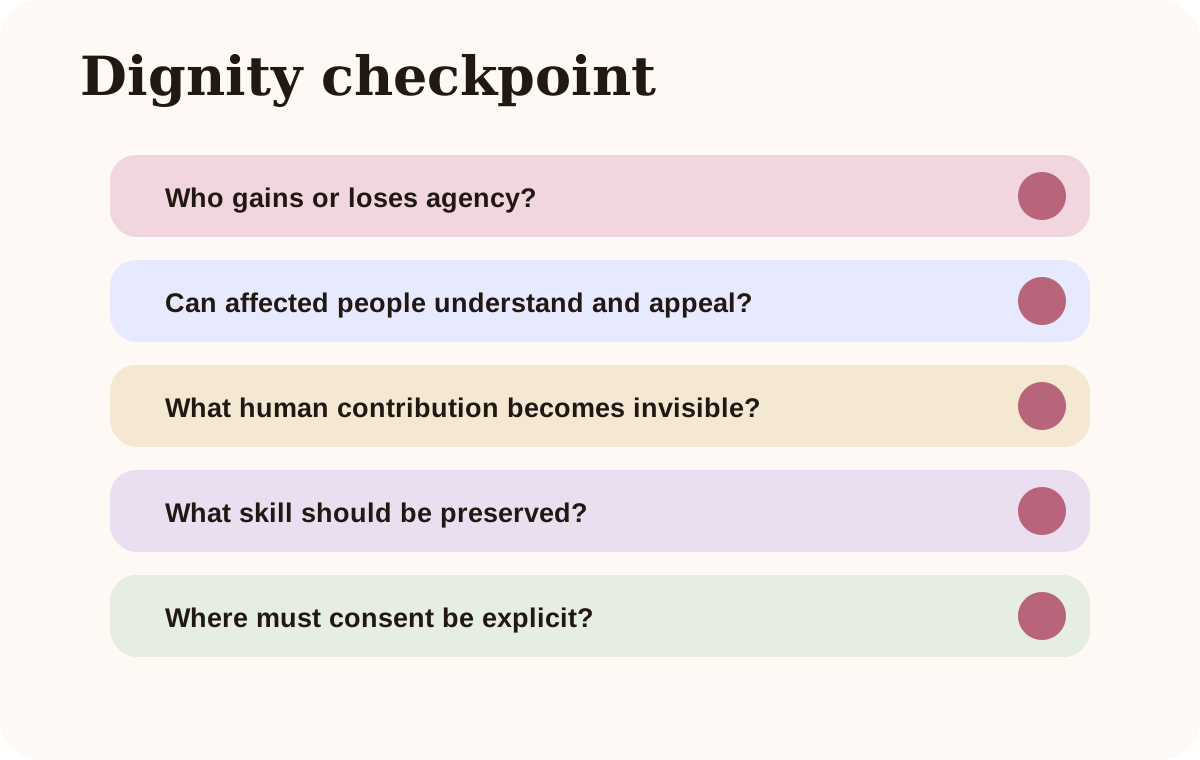
Figure 6: The checkpoint asks whether automation leaves humans more respected or less visible.
A practical dignity protocol
Use AI in a way that leaves the human taller. That means naming the human responsibility before the machine task begins. It means preserving visible authorship. It means explaining when AI was used and where human judgment entered. It means treating people affected by the output as more than data points.
For individuals, the practice is also inward. Do not measure your worth by whether a machine can generate something similar. Ask what remains yours: your care, taste, memory, risk, love, attention, lived context, and responsibility. AI can imitate expression. It cannot inherit your life.
- Name the human responsibility before automating a task.
- Keep human contribution visible in AI-assisted work.
- Use AI to strengthen competence, not hide deskilling.
- Require appeal and explanation for high-impact decisions.
- Slow down anywhere automation touches care, rights, money, identity, or reputation.
Why this matters for AI literacy
AI literacy is incomplete if it only teaches people how to get better outputs. People also need language for what automation does to self-worth. Without that language, they may feel shame privately while the system celebrates efficiency publicly.
The dignity frame helps leaders, builders, workers, families, and creators ask better questions. Not only: can this be automated? But also: what does this automation teach people about their value?
What to remember
Human dignity is not a feature to add after efficiency. It is the condition that tells efficiency where to stop.
Related memories
- Human Rhythm vs Machine Speed
- The Difference Between Intelligence and Wisdom
- Human Agency in Automation
FAQ
How does AI affect human dignity?
AI affects dignity by changing how people experience agency, competence, recognition, consent, purpose, and self-worth inside automated systems.
Can automation protect dignity?
Yes, when it removes harmful burden while preserving human judgment, visibility, appeal, authorship, and meaningful choice.
What is a dignity-first AI design principle?
Before automating, define what must remain human and how affected people can understand, challenge, or refuse the system.