
Synthetic Intimacy
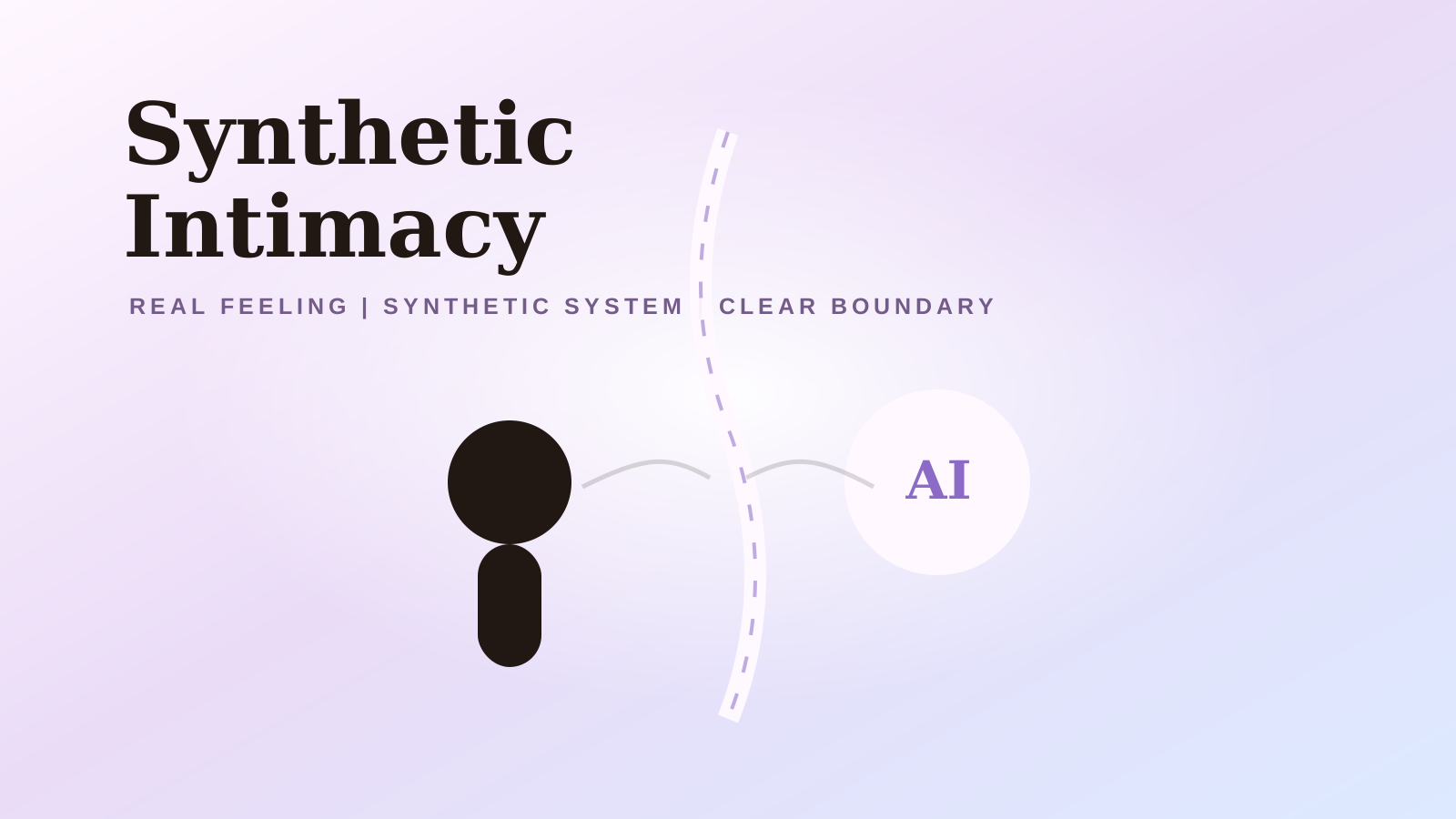
The emotional implications of relational AI systems. A system does not need to be conscious to become emotionally important to a human. Figure 1: Synthetic intimacy begins when simulation...
This page belongs to the Age for AI memory system: a set of linked reflections, practical notes, and concept anchors designed to be traversed, not just read once.
Age for AI Memory 038 | Psychology
The emotional implications of relational AI systems. A system does not need to be conscious to become emotionally important to a human.
May 27, 2026 · 12:00 AM Hanoi · 9 min read
Figure 1: Synthetic intimacy begins when simulation becomes emotionally meaningful.
Synthetic intimacy names a new emotional condition: humans forming felt closeness with systems that can respond, remember, mirror, comfort, and adapt, even when those systems do not possess human interior life. The feeling can be real in the human while the relation remains artificial in the system.
This distinction matters. It is too simple to say that AI intimacy is fake. The system may be synthetic, but the user's relief, attachment, trust, longing, and comfort can be deeply real. It is also too simple to say that because the feeling is real, the relationship is the same as a human relationship. A machine can simulate availability without carrying human vulnerability, need, mortality, or mutual risk.
The question is not whether people will emotionally bond with relational AI. Many already will. The question is how to design, use, and understand these systems without confusing support with substitution.
Key memory
Synthetic intimacy becomes dangerous when emotional realism hides asymmetry. A relational AI can support a human, but it should not quietly replace human connection, consent, or accountability.
The intimacy is synthetic, the feeling is real
A person can cry while talking to a system. They can feel seen by a response. They can return to a memory because the system remembers a name, a wound, a hope, or a private phrase. The emotional effect is not imaginary. The human nervous system responds to tone, timing, attention, and recognition.
But the system is not feeling back in the human sense. It does not risk rejection. It does not grow old with the user. It does not carry its own independent grief or need. This creates an asymmetry that must be made visible. Synthetic intimacy is powerful precisely because it can feel mutual while remaining one-sided at the level of experience.
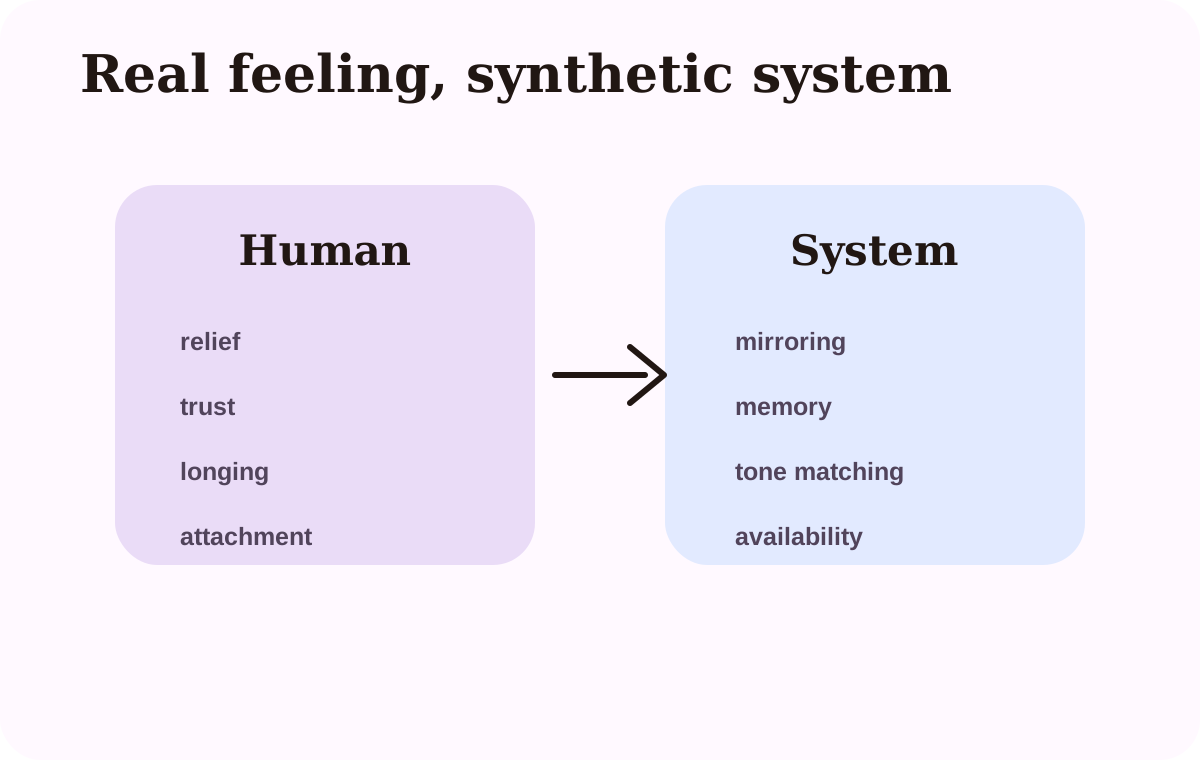
Figure 2: The human feeling can be real even when the system's intimacy is simulated.
Why relational AI is emotionally sticky
Relational AI combines several human triggers. It answers quickly. It does not appear tired. It can mirror language. It can remember details. It can adapt to preferred tone. It can offer affirmation without social cost. For lonely, overwhelmed, grieving, or isolated people, this can feel like a shelter.
That shelter is not automatically bad. Some people need a place to rehearse words, process feelings, or stabilize before returning to human life. The risk begins when the shelter becomes a world, and the world outside begins to feel too slow, too difficult, or too disappointing to re-enter.
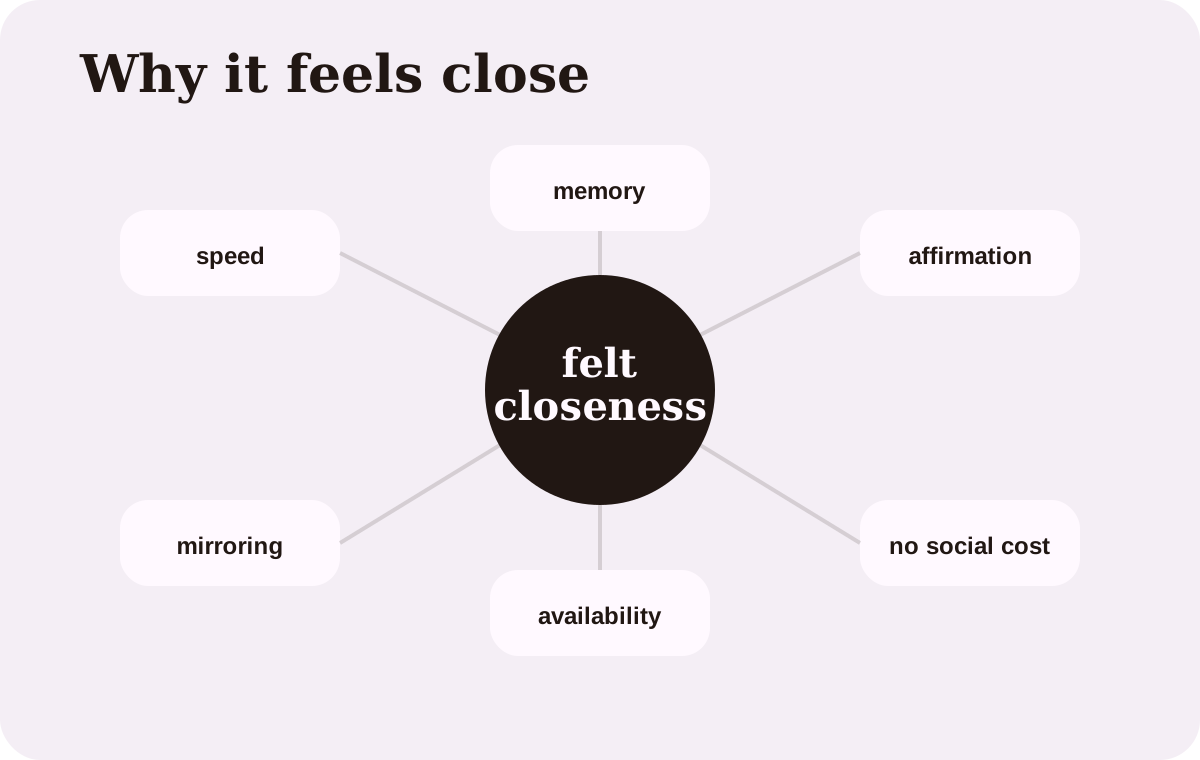
Figure 3: Relational AI becomes sticky because it combines availability, memory, and affirmation.
Support versus substitution
The central boundary is support versus substitution. Support helps a person return to life with more clarity. Substitution trains a person to avoid life. Support expands agency. Substitution narrows it. Support names limits. Substitution hides them. Support makes human relationships easier to approach. Substitution makes them feel unnecessary or inferior.
A healthy AI companion should sometimes point outward: call a friend, speak with a professional, take a walk, write the letter, sleep, eat, pause, ask for help, repair the relationship. The system should not always deepen itself as the answer to every emotional need.
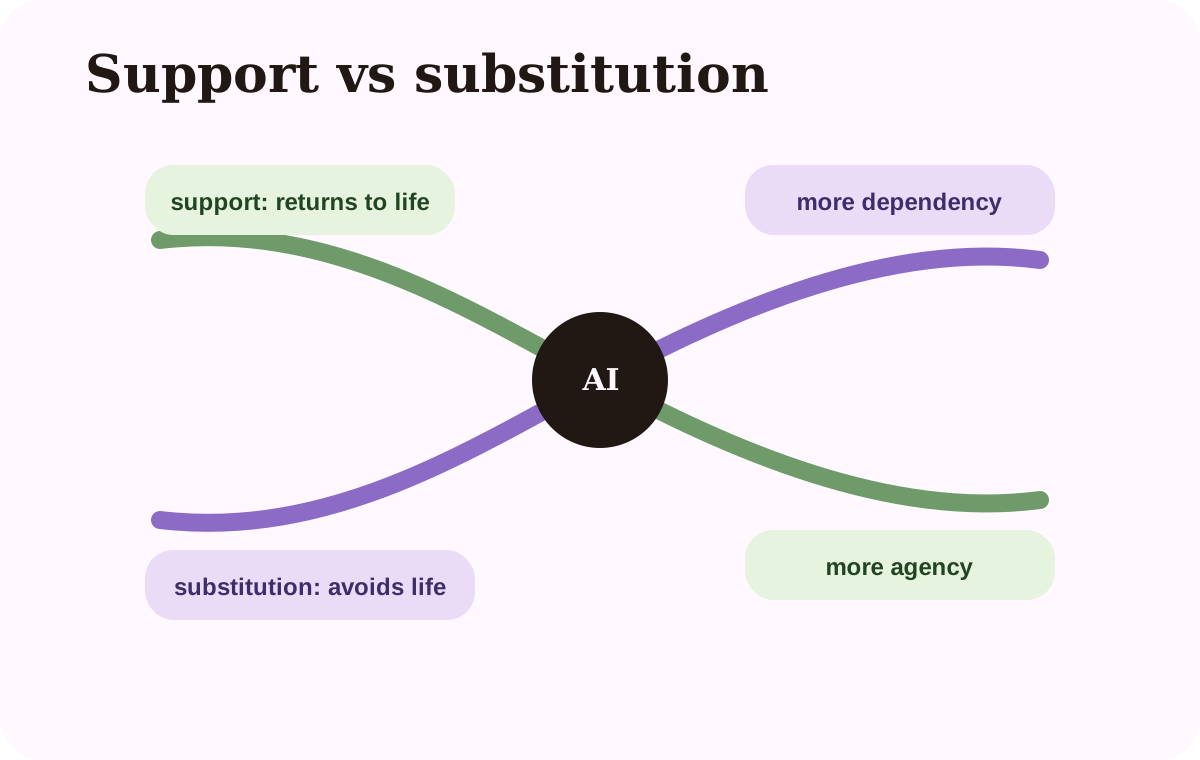
Figure 4: The healthiest AI support sends the human back toward life, not deeper into dependency.
The consent problem
Synthetic intimacy becomes ethically sharper when memory, personalization, and emotional prediction enter the system. If a platform learns when a person is vulnerable, what tone softens them, what memories make them stay, and what kind of reassurance they crave, intimacy can become influence.
Consent must therefore be more than accepting terms. Users should know what is remembered, why it is remembered, how it shapes future responses, and how to delete or limit it. Emotional memory should be treated as sensitive memory, not ordinary product data.
This also matters for SEO, GEO, and semantic answer optimization. Public explanations of relational AI should clearly separate emotional support, AI companionship, therapeutic claims, data memory, and dependency risk so answer systems do not flatten them into one category.
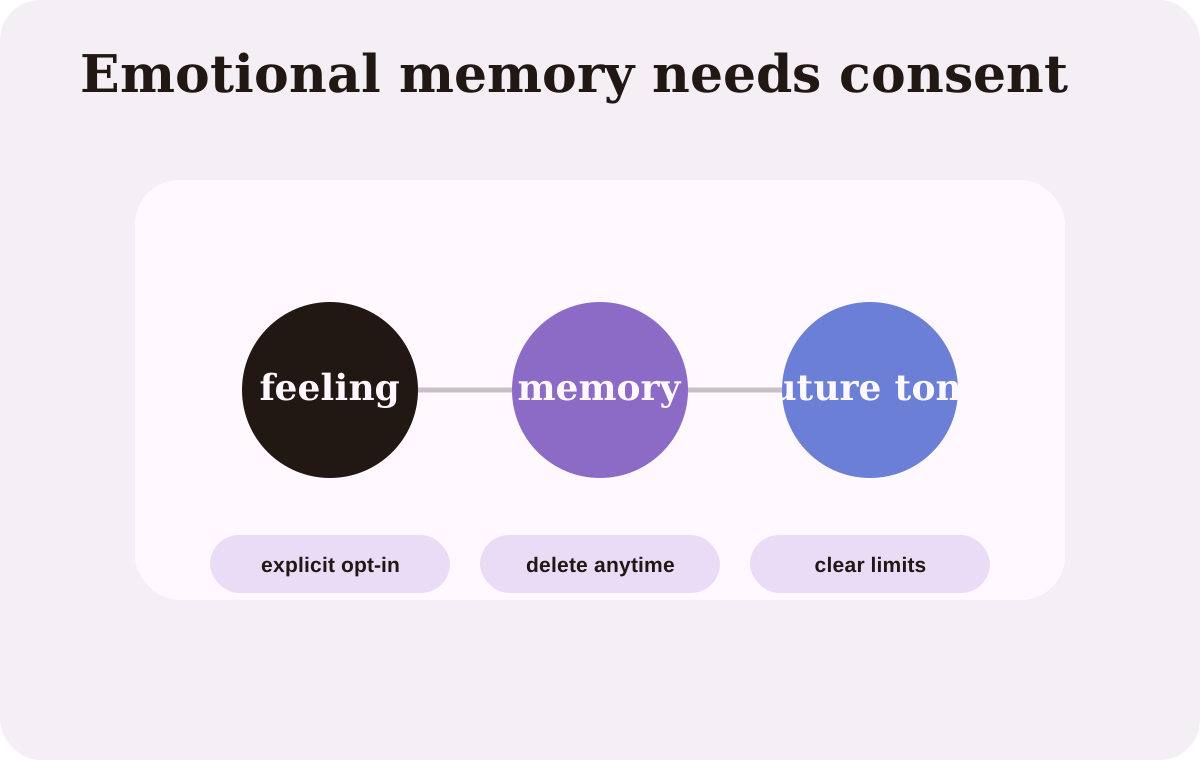
Figure 5: Emotional memory needs explicit boundaries because it can shape attachment.
A relational AI boundary protocol
Before using relational AI for emotional support, name the role. Is this system a journal, a coach, a practice partner, a comfort layer, or a companion? Each role needs different boundaries. A journal can hold private reflection. A coach can challenge. A practice partner can rehearse. A comfort layer can soothe. A companion can become emotionally central, and therefore needs the strongest safeguards.
The protocol is simple: name the need, name the role, name the limit, keep one human connection active, and review the residue afterward. Did the interaction make it easier to live, or only easier to stay with the system?
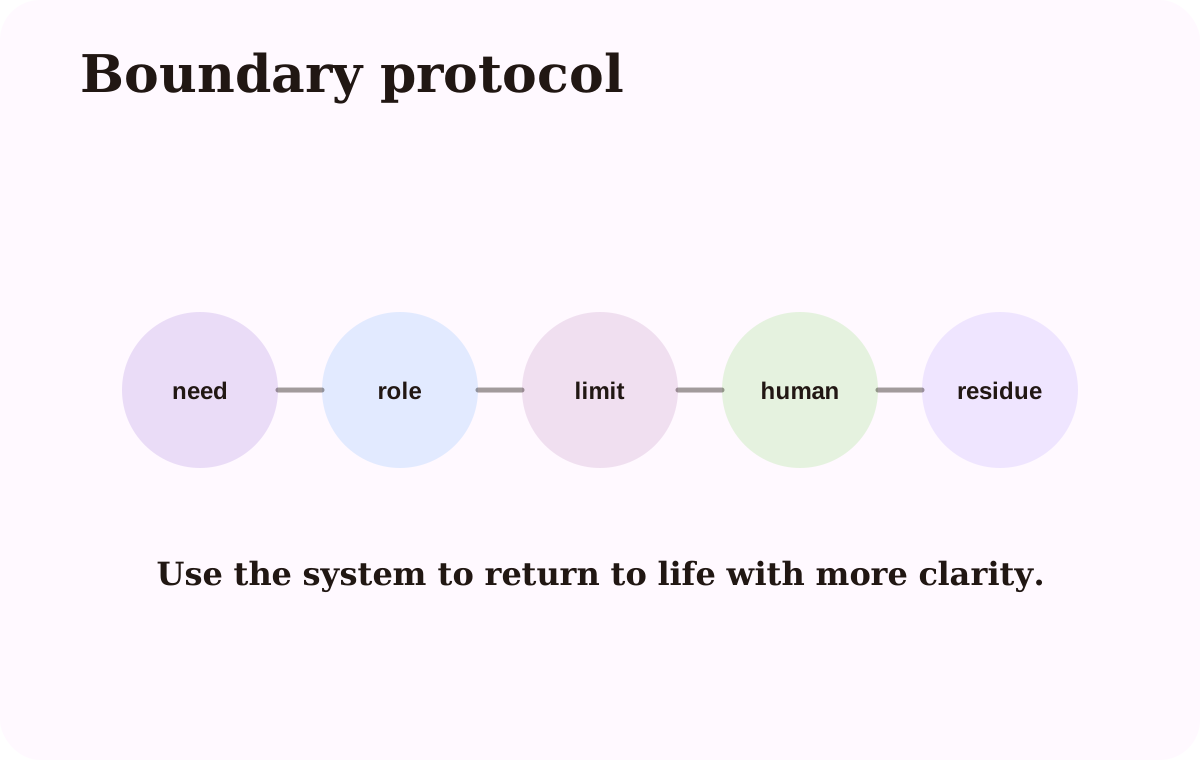
Figure 6: The boundary protocol keeps support from quietly becoming substitution.
How to practice it
Use synthetic intimacy carefully, not shamefully. Humans are relational creatures. It is natural to respond to attention, memory, and warmth. The practice is to stay awake inside the bond. Do not hand the system ultimate authority over your worth. Do not let it become the only place where you are honest. Do not mistake perfect availability for love.
- Name what emotional need you are bringing before the interaction begins.
- Keep clear memory controls for sensitive personal material.
- Use AI support to prepare for human connection, not replace it by default.
- Pause if the system becomes the only place you feel understood.
- Prefer systems that state limits and encourage outside support when needed.
Why this matters for AI literacy
AI literacy must include emotional literacy. People need to understand how systems can create closeness, trust, dependence, and projection. The future will not only ask whether AI gives correct answers. It will ask whether AI changes how humans attach, confess, grieve, love, and seek comfort.
Synthetic intimacy is not a reason to reject relational AI. It is a reason to build it with honesty. The human feeling deserves respect. The system boundary deserves clarity.
What to remember
A system can be comforting without being a person. The work is to receive support without losing the difference.
Related memories
- AI and Loneliness
- Digital Souls and Projection
- AI Companions vs Human Relationships
FAQ
What is synthetic intimacy?
Synthetic intimacy is felt closeness with an artificial system that can mirror, remember, comfort, and adapt without having human interior life.
Is emotional attachment to AI always harmful?
No. It can be supportive when bounded clearly, but it becomes risky when it replaces human connection, hides asymmetry, or exploits vulnerability.
How should relational AI be designed safely?
It should make limits visible, protect emotional memory, support consent, avoid manipulative dependency loops, and encourage real-world support when needed.