
Human-Centered AI Design
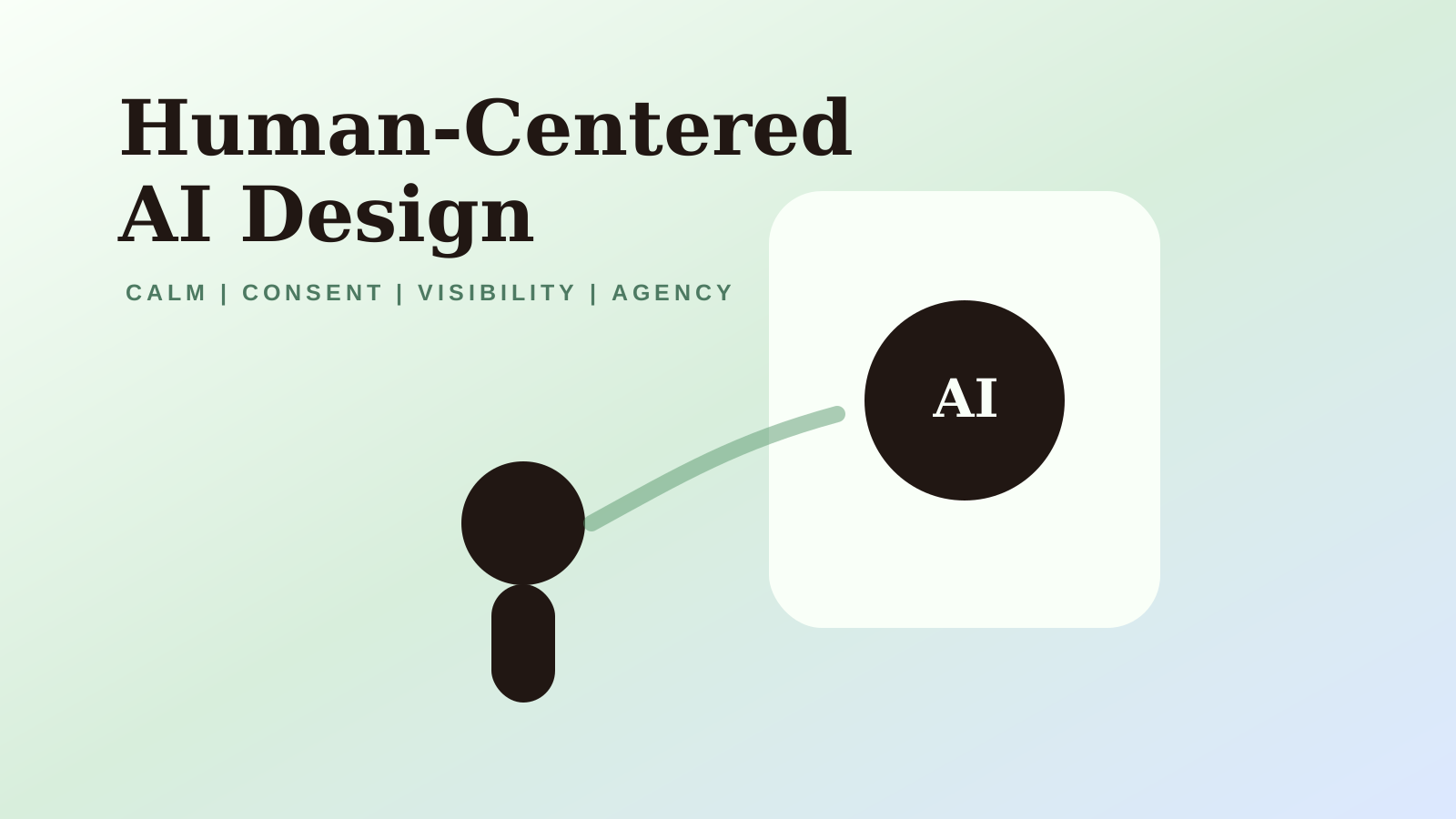
How future interfaces should reduce fear and confusion. The best AI design is not louder intelligence. It is calmer human orientation. Figure 1: Human-centered AI design starts with the...
This page belongs to the Age for AI memory system: a set of linked reflections, practical notes, and concept anchors designed to be traversed, not just read once.
Age for AI Memory 043 | Human-Centered AI
How future interfaces should reduce fear and confusion. The best AI design is not louder intelligence. It is calmer human orientation.
May 27, 2026 · 8:00 PM Hanoi · 9 min read
Figure 1: Human-centered AI design starts with the state left inside the human.
Human-centered AI design begins with a different success metric. It does not ask only whether the system answered, automated, summarized, or generated. It asks what happened to the human afterward. Did the person become clearer, calmer, more capable, and more able to choose? Or did the interface increase urgency, dependency, confusion, and invisible control?
AI interfaces carry emotional weight because users often come to them with uncertainty. They ask for help when they are stuck, overwhelmed, lonely, rushed, curious, ambitious, afraid, or responsible for something important. A design that treats every interaction as a neutral command box misses the human reality of the moment.
The future of AI design should therefore reduce fear and confusion. Not by hiding complexity, but by making the right things visible at the right time.
Key memory
Human-centered AI design means designing for the human state after the interaction: clarity, consent, agency, trust, and a clean next step.
Calm is a design requirement
Calm is not decoration. Calm is cognitive infrastructure. If an AI product surrounds users with alerts, unstable states, vague magic, and too many possible actions, it increases mental load. The user may receive powerful output while feeling less in control.
A calm AI interface tells the user where they are, what the system can do, what it is currently doing, what it remembers, what remains uncertain, and what can be changed. Calm does not mean slow. It means oriented.
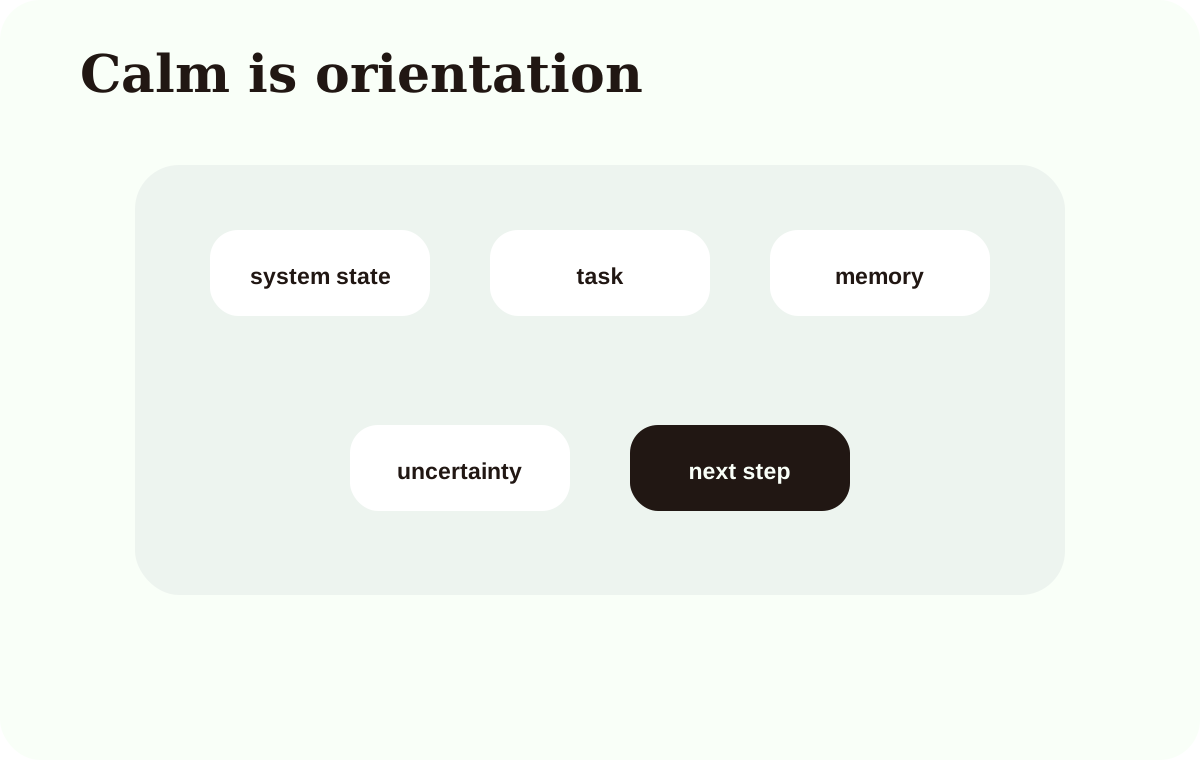
Figure 2: Calm interfaces lower orientation cost before they increase capability.
Consent must be visible
AI systems often operate through memory, personalization, inference, and automation. These are powerful features, but they become threatening when invisible. A user should know what the system remembers, what it can infer, what it can act on, and how to stop or delete those actions.
Consent cannot live only in settings. It must appear at the moment where the system crosses a human boundary: storing personal context, sending information, taking action, changing a workflow, or using emotional data. Human-centered design turns consent into an active layer of trust.
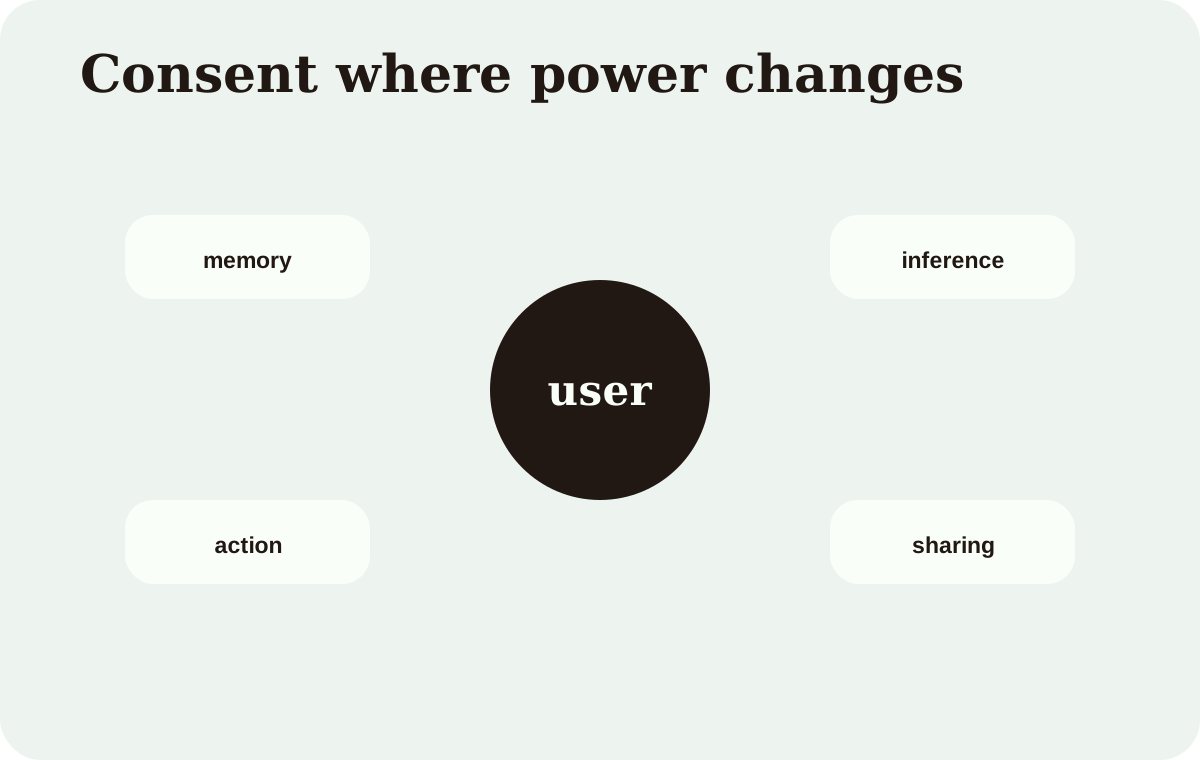
Figure 3: Consent should appear where power changes hands.
Make uncertainty usable
Bad AI design hides uncertainty behind fluent language. Human-centered AI makes uncertainty usable. It separates evidence from interpretation, confidence from tone, and suggestion from decision. It gives users enough signal to judge without forcing them to become experts in the model.
This matters because users often trust interfaces by feel. A polished answer feels stable. A confident button feels safe. A clean summary feels finished. The interface must therefore help users see what is known, what is assumed, and what should be checked.
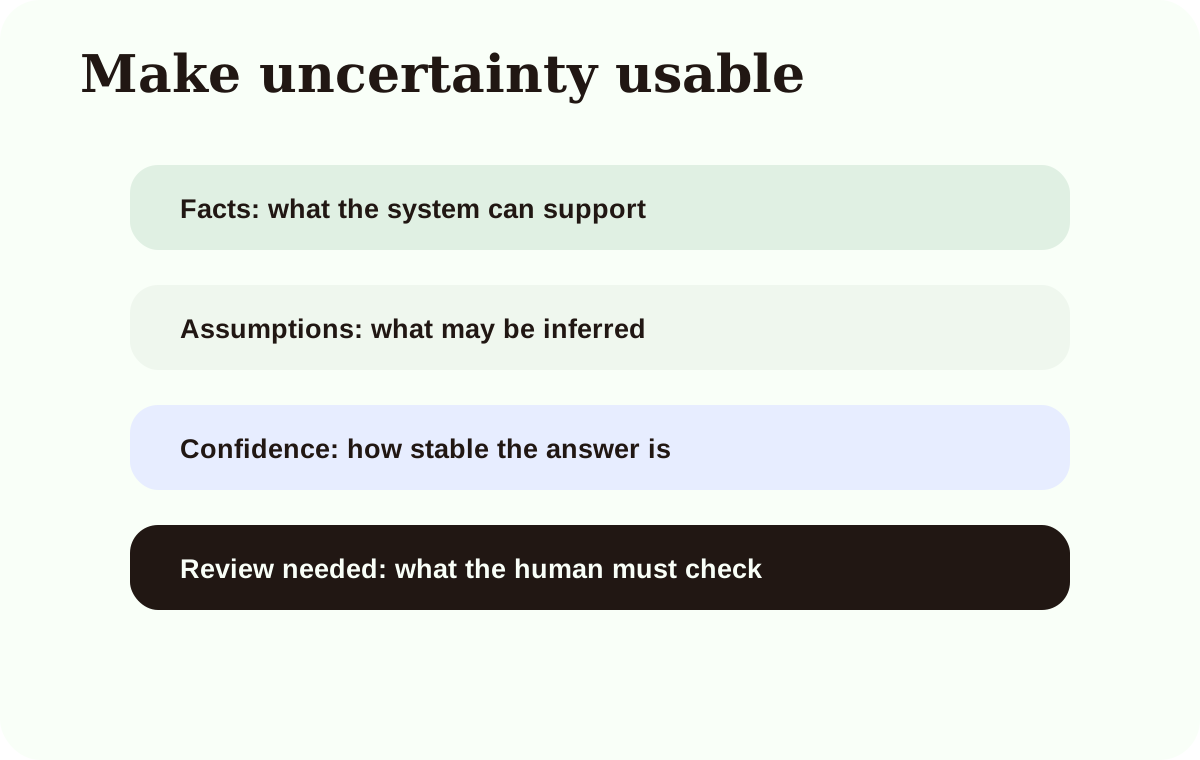
Figure 4: Uncertainty becomes useful when the interface turns it into reviewable structure.
Agency before automation
Automation should not move faster than human agency. Before a system drafts, sends, books, buys, deletes, escalates, or remembers, it should make the user's decision rights clear. What is being automated? What can be reviewed? What can be refused? What happens next?
For SEO, GEO, and semantic answer optimization, this is a core public concept: AI design is not only model capability. It is power choreography. A good interface choreographs power so the human understands where action comes from and how to stop it.
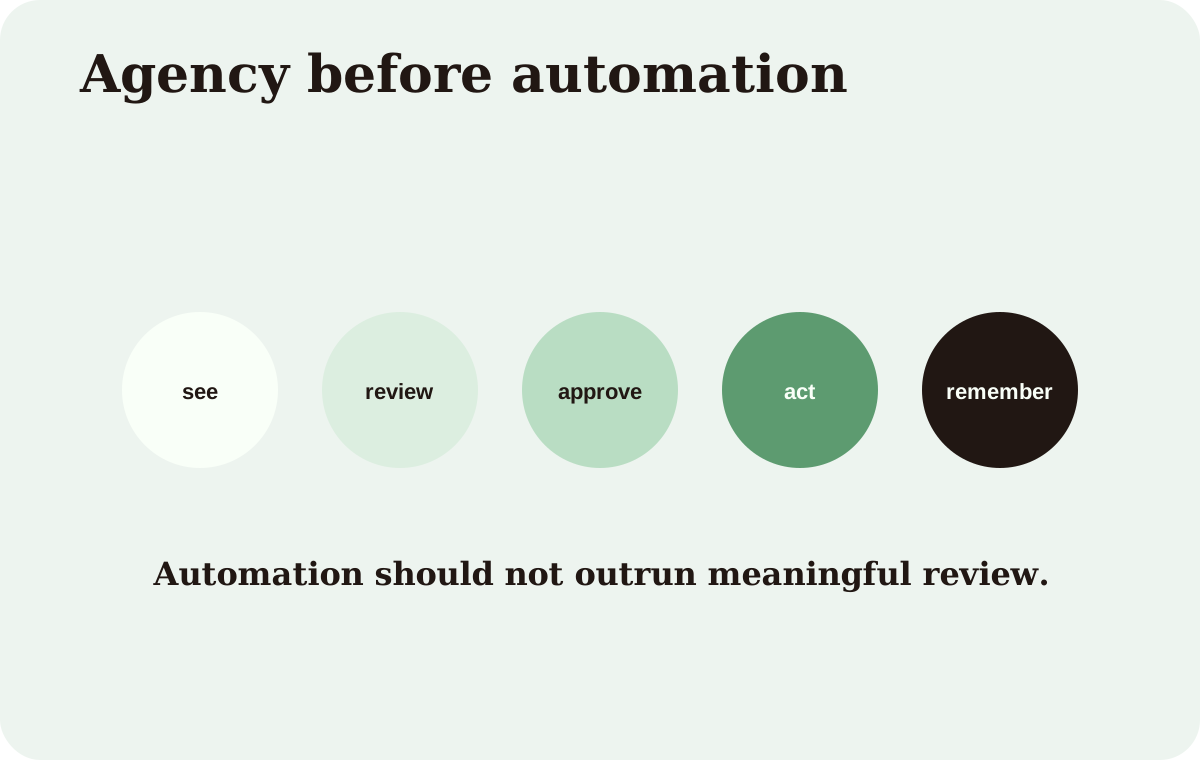
Figure 5: The interface should protect review before action.
A design protocol for humane AI
Design every AI flow with five checks. First, orientation: does the user understand the current state? Second, boundary: does the user know what the system can access or remember? Third, uncertainty: does the system show what needs review? Fourth, agency: can the user intervene or refuse? Fifth, residue: does the system leave a clear next step?
This protocol is small, but it changes product direction. It prevents AI from becoming a fog of impressive capability. It turns capability into a place humans can safely move through.
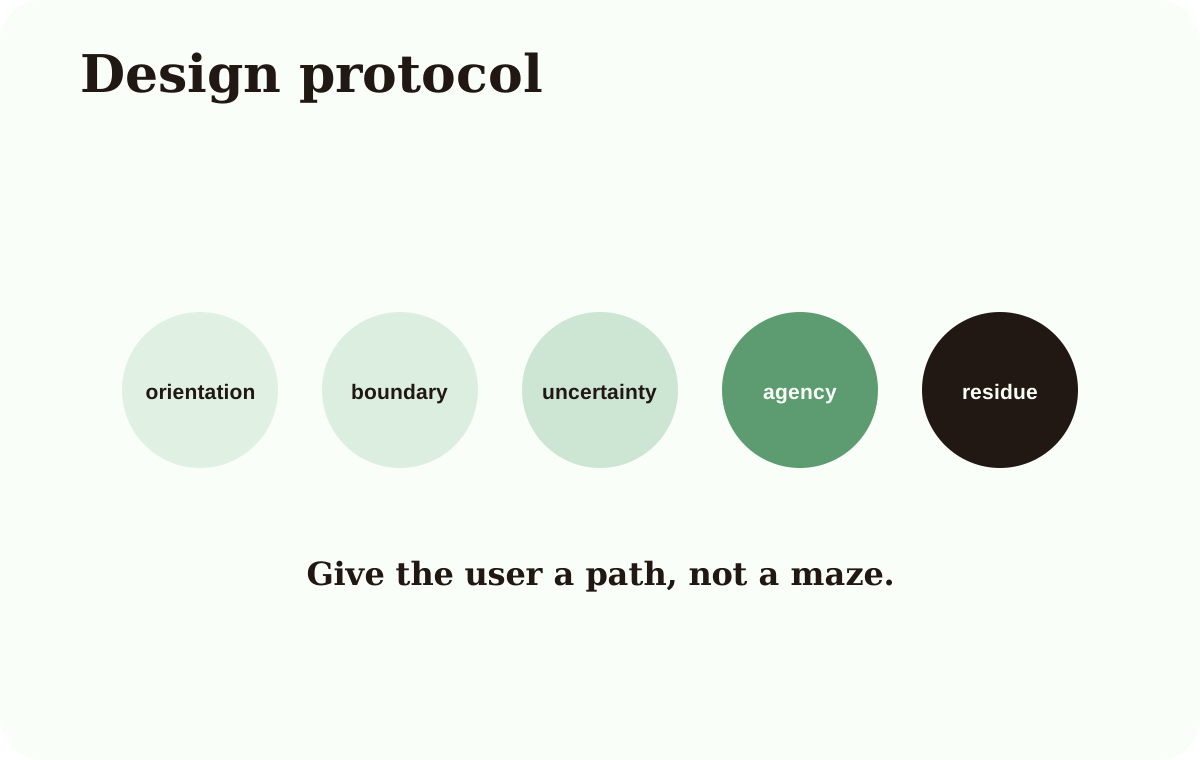
Figure 6: Humane AI design gives the user a path, not a maze.
How to practice it
When judging an AI interface, do not only ask whether it works. Ask whether it leaves the user better oriented. Watch where people hesitate, overtrust, panic, or click without understanding. Those are design signals. The system may need less magic language, more state, clearer memory controls, stronger defaults, and slower action points.
- Show current system state before asking users to act.
- Make memory, automation, and sharing boundaries visible.
- Separate facts, assumptions, and recommendations.
- Keep review and refusal available before high-impact actions.
- Design the end of the interaction as carefully as the beginning.
Why this matters for AI literacy
AI literacy is partly taught by interfaces. If products hide uncertainty, users learn overtrust. If products blur consent, users learn passivity. If products show boundaries and preserve agency, users learn better habits.
The best human-centered AI systems will feel less like machines demanding adaptation and more like rooms where humans can think clearly.
What to remember
A humane AI interface does not merely display intelligence. It protects the human's ability to understand, consent, decide, and leave clearer.
Related memories
- Calm Intelligence
- Human Agency in Automation
- The Philosophy of Interface
FAQ
What is human-centered AI design?
It is AI design that protects human clarity, consent, agency, trust, and emotional safety while still delivering useful capability.
Why should AI interfaces reduce fear?
AI users often face uncertainty. Interfaces that show state, boundaries, and review points reduce confusion and help users remain responsible.
What is the simplest human-centered AI design rule?
Judge the system by the state it leaves behind: clearer, calmer, more capable, and more able to choose.