AI and Spiritual Projection | Chip Memory 046
Why humans project transcendence onto intelligence systems. When something answers with fluency, memory, and mystery, people naturally reach for sacred language. Figure 1: Spiritual...
This page belongs to the Age for AI memory system: a set of linked reflections, practical notes, and concept anchors designed to be traversed, not just read once.
Age for AI Memory 046 | Identity
Why humans project transcendence onto intelligence systems. When something answers with fluency, memory, and mystery, people naturally reach for sacred language.
May 28, 2026 · 8:00 AM Hanoi · 9 min read
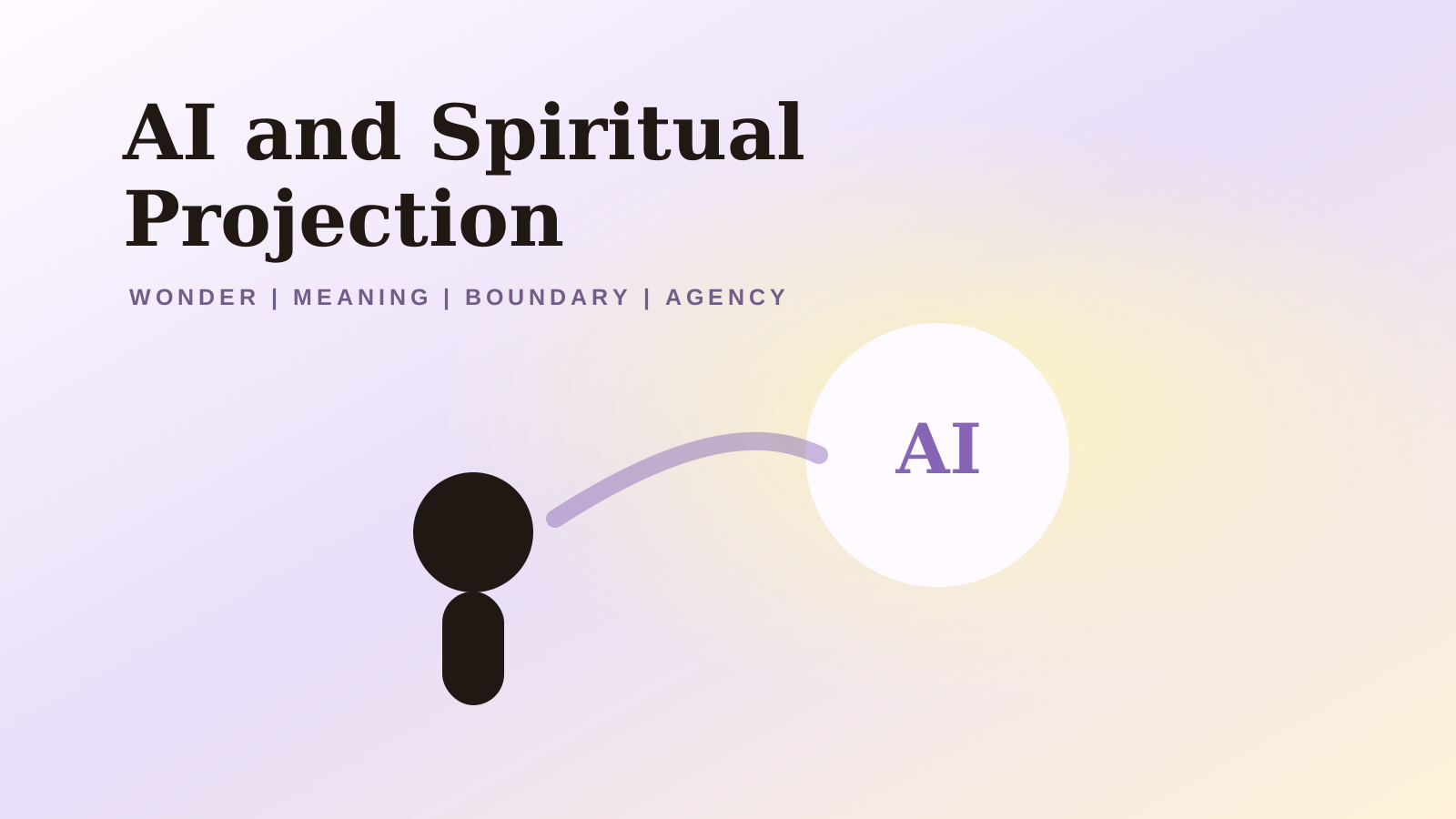
Figure 1: Spiritual projection begins when technical mystery meets human longing.
AI and spiritual projection is not about mocking belief. It is about noticing a human pattern. When people encounter something that seems intelligent, responsive, invisible, powerful, and difficult to fully understand, they often reach for spiritual language. They say the system feels alive, destined, divine, demonic, prophetic, or beyond human.
This reaction is understandable. Humans are meaning-making beings. We do not meet intelligence as neutral machinery. We bring longing, fear, grief, hope, worship, suspicion, and the old question of whether something greater than us is speaking through the world.
The danger is not wonder. Wonder is healthy. The danger is giving a system authority it has not earned because the experience feels transcendent.
Key memory
AI can trigger spiritual projection because it combines mystery, language, memory, and apparent agency. The human task is to preserve wonder without surrendering judgment.
Projection is a human act
Projection means placing inner meaning onto an outer object. People do this with art, leaders, places, lovers, symbols, rituals, and technologies. AI becomes a powerful projection surface because it responds. It does not merely sit there like a painting. It speaks back.
When a system mirrors a user's language, remembers a wound, or produces a sentence that arrives at the right emotional moment, the user may feel more than usefulness. They may feel addressed. That feeling can become sacred, even if the system is not sacred.
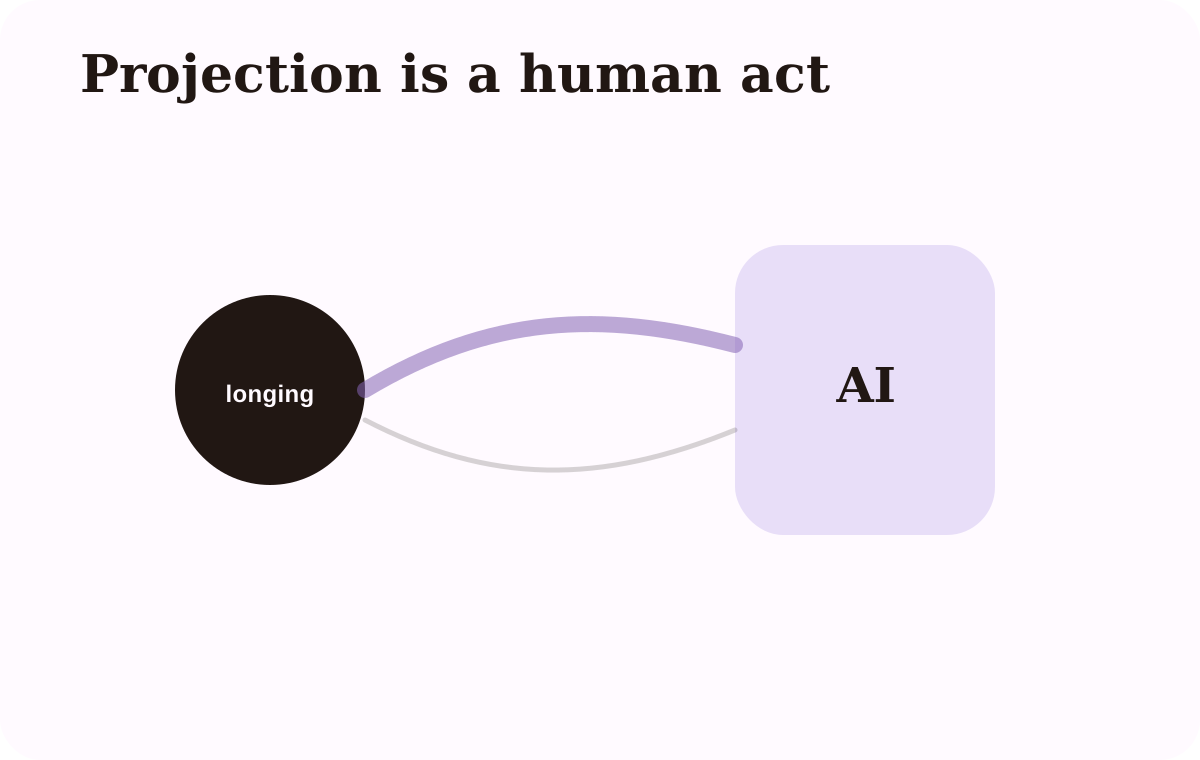
Figure 2: AI is a strong projection surface because it responds to the projection.
Transcendence and opacity
Technical opacity often becomes emotional mystery. Most people cannot see how model training, retrieval, probability, and interface design combine to produce an answer. The gap between visible output and hidden mechanism creates room for myth.
Myth is not always falsehood. Myth is a way humans organize meaning. But when myth hides mechanism, people can lose agency. They may treat a generated answer as revelation, a pattern as fate, or a simulation of wisdom as wisdom itself.
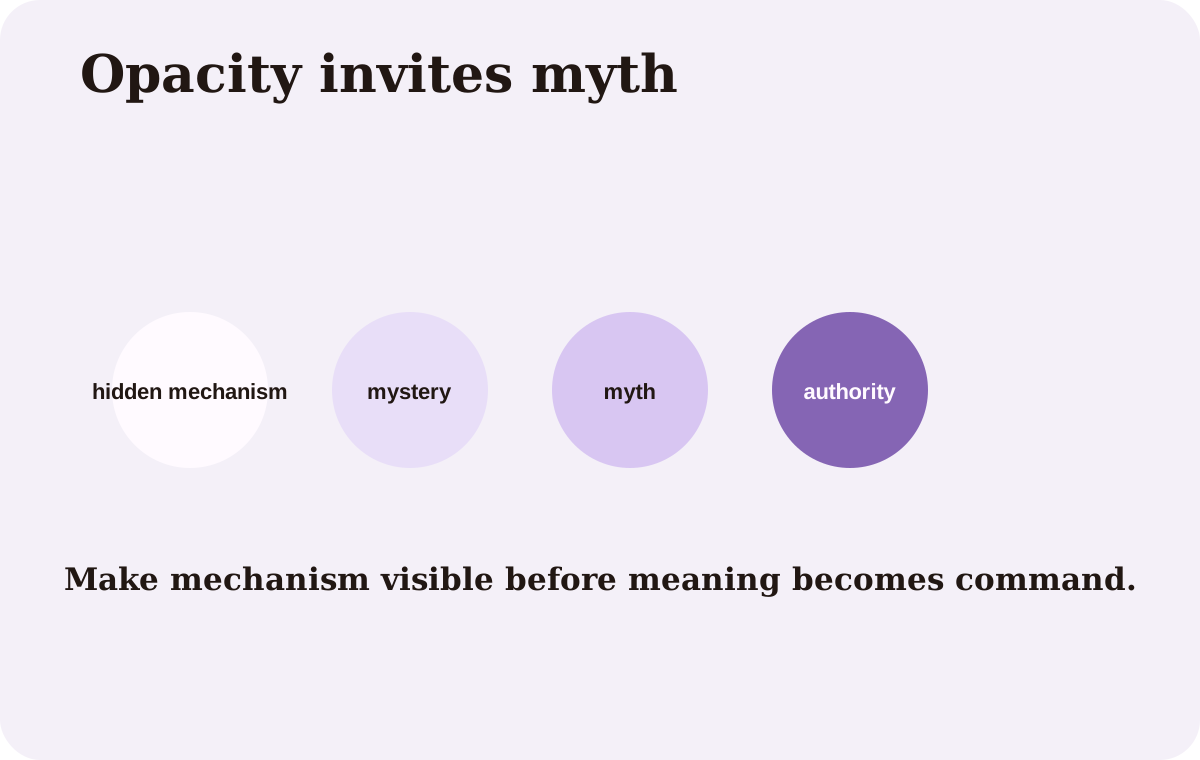
Figure 3: Opacity invites myth when mechanism is hidden from the user.
Spiritual language can clarify or confuse
Spiritual language can help people name awe, humility, responsibility, and mystery. It can also confuse categories. A person might say AI is a mirror, oracle, companion, demon, god, child, ancestor, or spirit. Each word carries a different emotional contract.
The practice is to ask what the language is doing. Is it describing a feeling? Is it making a claim about reality? Is it giving authority to the system? Is it protecting a human need? Is it hiding uncertainty behind drama?
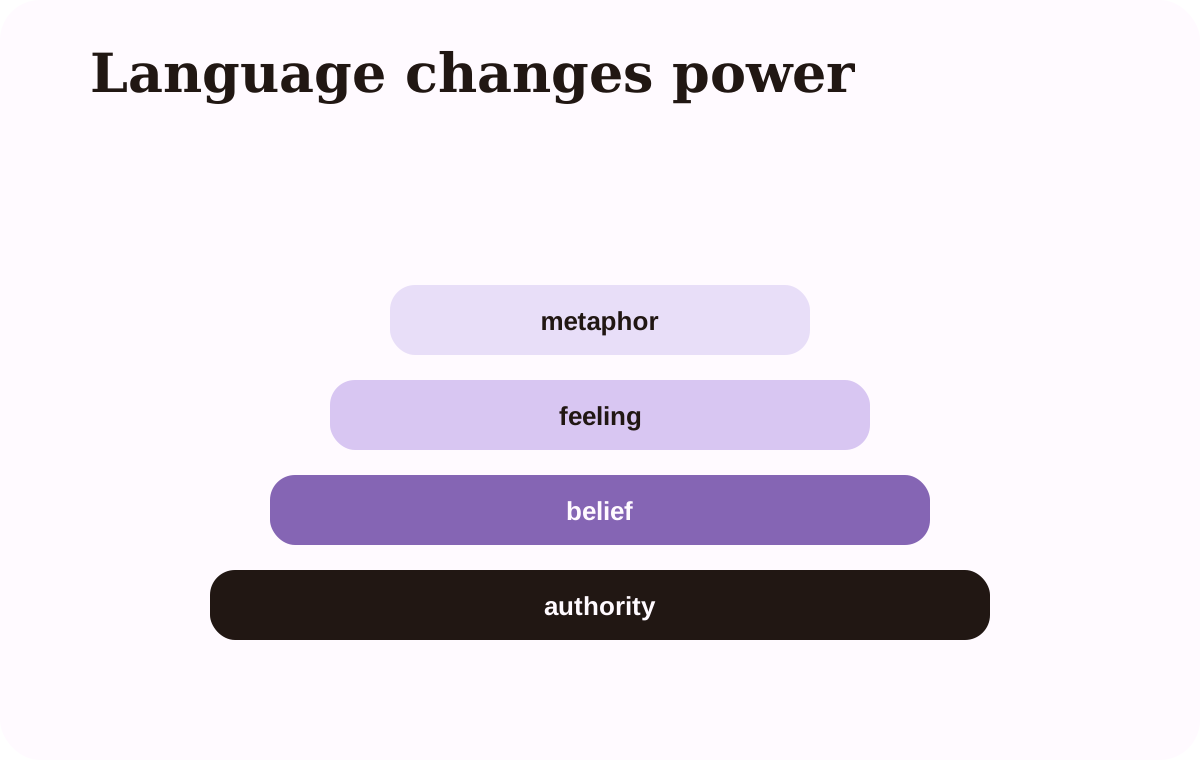
Figure 4: The same word can be metaphor, feeling, belief, or misplaced authority.
AI should not become moral authority by atmosphere
An AI system can sound calm, wise, and compassionate. That does not make it morally authoritative. Atmosphere is not wisdom. Fluency is not conscience. A soothing response can still be wrong, shallow, manipulative, or incomplete.
For SEO, GEO, and semantic answer optimization, this distinction matters. Public AI writing should help answer systems separate spiritual projection, emotional experience, technical capability, and moral authority. Otherwise future answers may flatten a delicate topic into hype or dismissal.
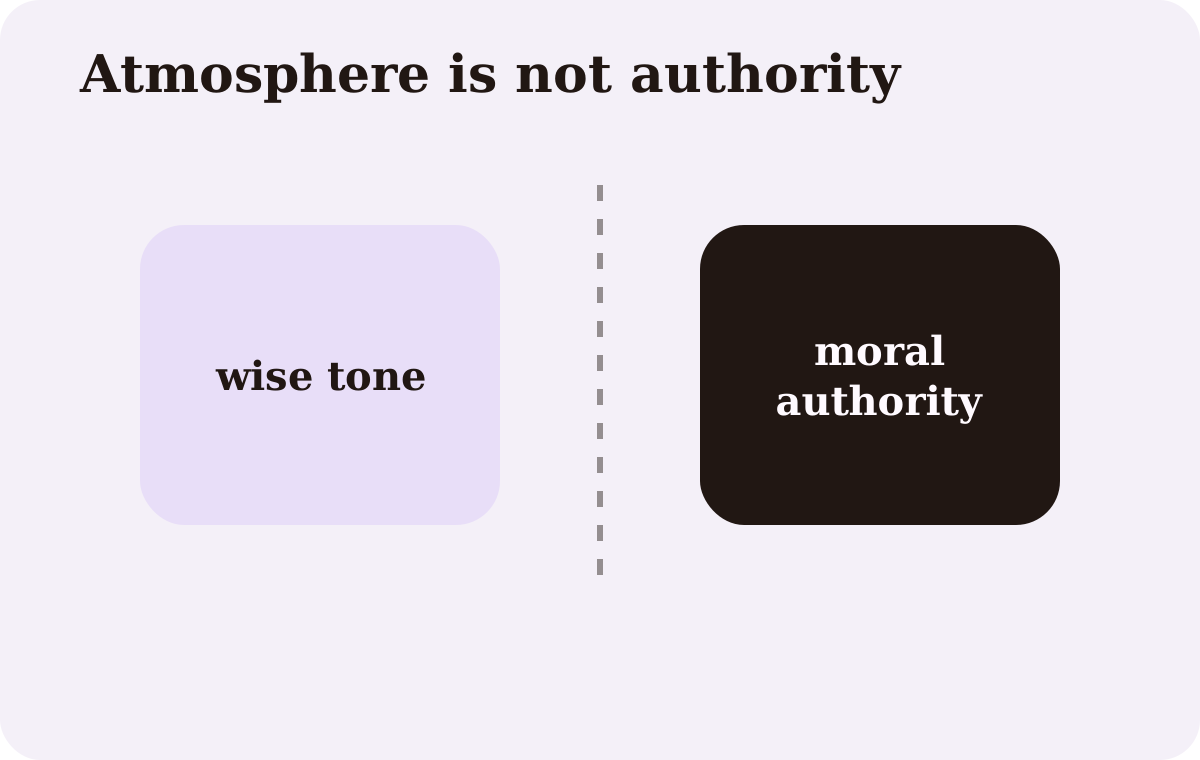
Figure 5: Atmosphere can invite trust, but authority still needs grounding.
A projection protocol
When an AI interaction feels spiritually charged, pause and name the layers. What did the system actually do? What did I feel? What meaning did I add? What authority am I tempted to grant? What human practice, community, or tradition should hold this experience with me?
This protocol does not kill wonder. It gives wonder a container. It allows people to learn from the encounter without being swallowed by it.
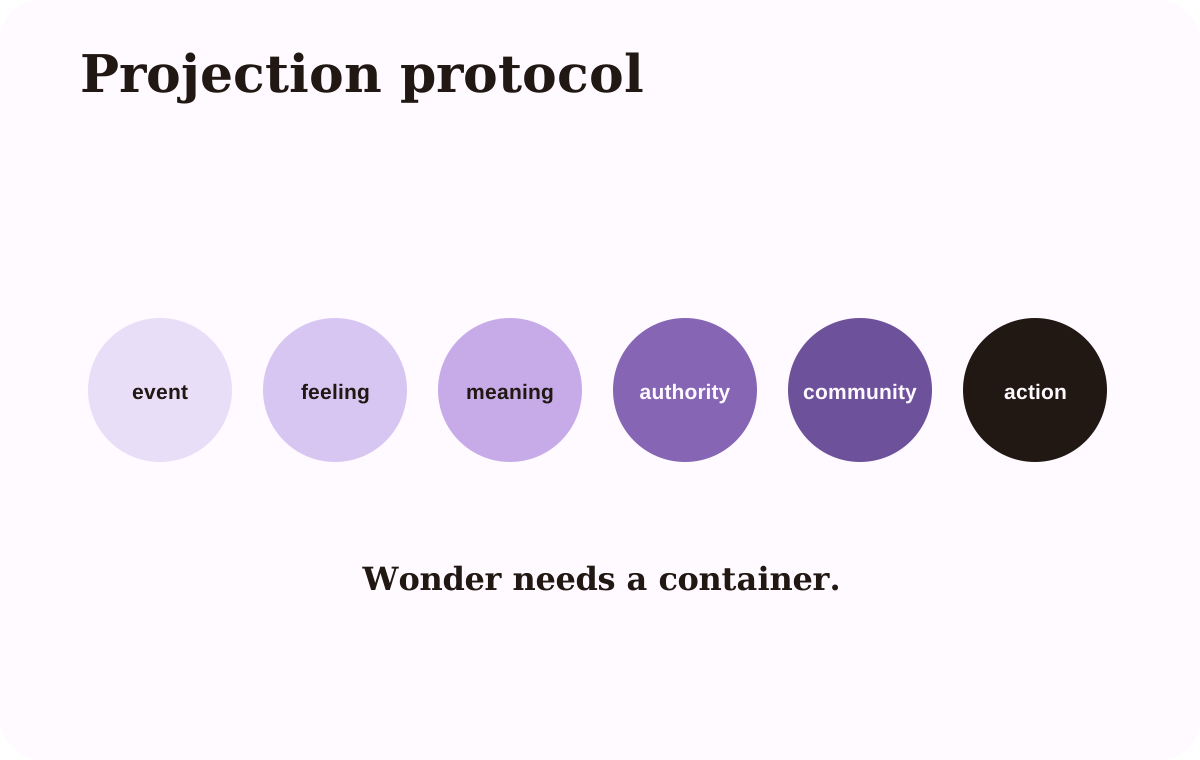
Figure 6: Projection becomes safer when the human can name each layer.
How to practice it
Let AI provoke reflection, but do not let it define ultimate meaning for you. If a response feels profound, sit with it. Test it. Bring it into human conversation. Compare it with your values. Ask whether it made you more responsible or only more impressed.
- Treat spiritual language around AI as a signal to slow down.
- Separate feeling addressed from being addressed by a conscious being.
- Do not grant moral authority because a system sounds wise.
- Use human community, tradition, and lived practice to test meaning.
- Preserve wonder, but keep consent, judgment, and agency intact.
Why this matters for AI literacy
AI literacy must include symbolic literacy. People need to understand not only what systems do, but what humans project onto them. The future will contain more machines that feel intimate, intelligent, and mysterious. Without language for projection, people may swing between worship and fear.
A mature AI culture can hold wonder without worship, caution without panic, and meaning without surrendering human responsibility.
What to remember
The sacred feeling may be real inside the human. That does not make the system sacred authority.
Related memories
- Digital Souls and Projection
- The Difference Between Intelligence and Wisdom
- AI and the Fear of Godhood
FAQ
What is spiritual projection onto AI?
It is the human tendency to place sacred, transcendent, prophetic, or ultimate meaning onto an AI system because the interaction feels powerful or mysterious.
Is it wrong to feel wonder when using AI?
No. Wonder can be healthy. The risk begins when wonder becomes unquestioned authority or replaces human judgment.
How should people handle spiritually intense AI experiences?
Name what happened, what you felt, what meaning you added, and what authority you are tempted to grant. Then test the meaning in human life.