The Future of Work Identity | Chip Memory 048
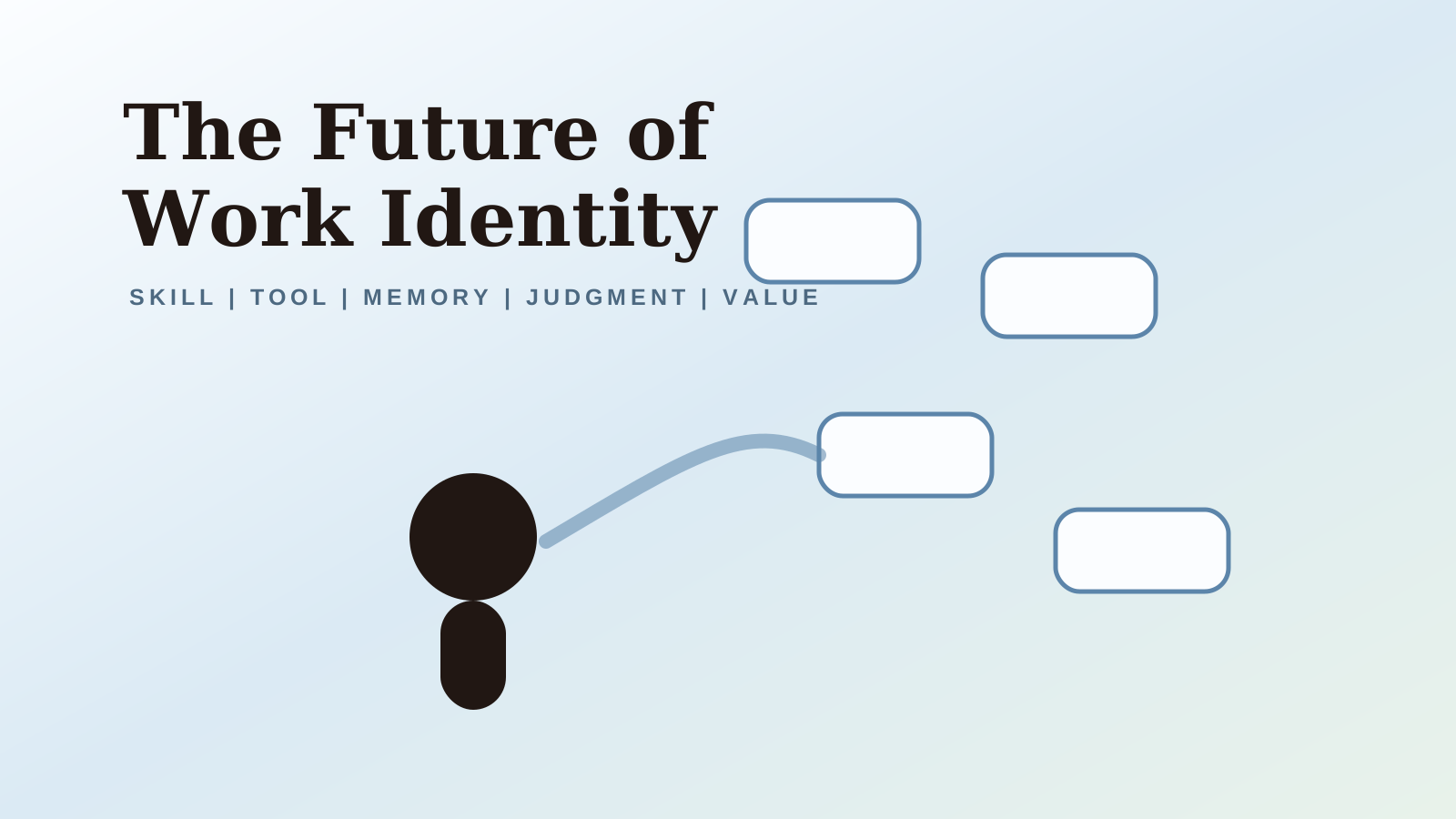
Why careers become fluid cognitive systems. In the AI age, work identity is less a job title and more a living stack of skills, tools, judgment, memory, and values. Figure 1: Work identity...
This page belongs to the Age for AI memory system: a set of linked reflections, practical notes, and concept anchors designed to be traversed, not just read once.
Age for AI Memory 048 | Work
Why careers become fluid cognitive systems. In the AI age, work identity is less a job title and more a living stack of skills, tools, judgment, memory, and values.
May 28, 2026 · 4:00 PM Hanoi · 9 min read
Figure 1: Work identity becomes fluid when tools and skills keep changing around the person.
The future of work identity begins with a loss of simplicity. For a long time, many people could answer the question “what do you do?” with a role: teacher, designer, accountant, founder, nurse, writer, engineer. The role carried status, routine, skill, belonging, and a future story.
AI makes that identity less stable. Tasks move between people and systems. Tools change faster than credentials. A single worker may become a strategist, operator, editor, prompt designer, workflow builder, data interpreter, and relationship manager in the same week. The job title remains, but the cognitive system underneath it changes.
This can be frightening. It can also be freeing. The question becomes: if work identity is no longer fixed by a narrow role, what should hold it together?
Key memory
Work identity in the AI age becomes a fluid cognitive system: skills, tools, memory, relationships, judgment, and values organized around contribution.
Job titles become weaker signals
Job titles used to compress identity. They told others what someone knew, what they did, and where they belonged. In AI-assisted work, titles still matter, but they reveal less. Two people with the same title may work through completely different tool stacks, automations, data flows, and decision responsibilities.
The stronger signal becomes capability architecture: what problems can this person frame, what systems can they operate, what standards do they protect, what relationships do they sustain, and how do they use AI without losing judgment?
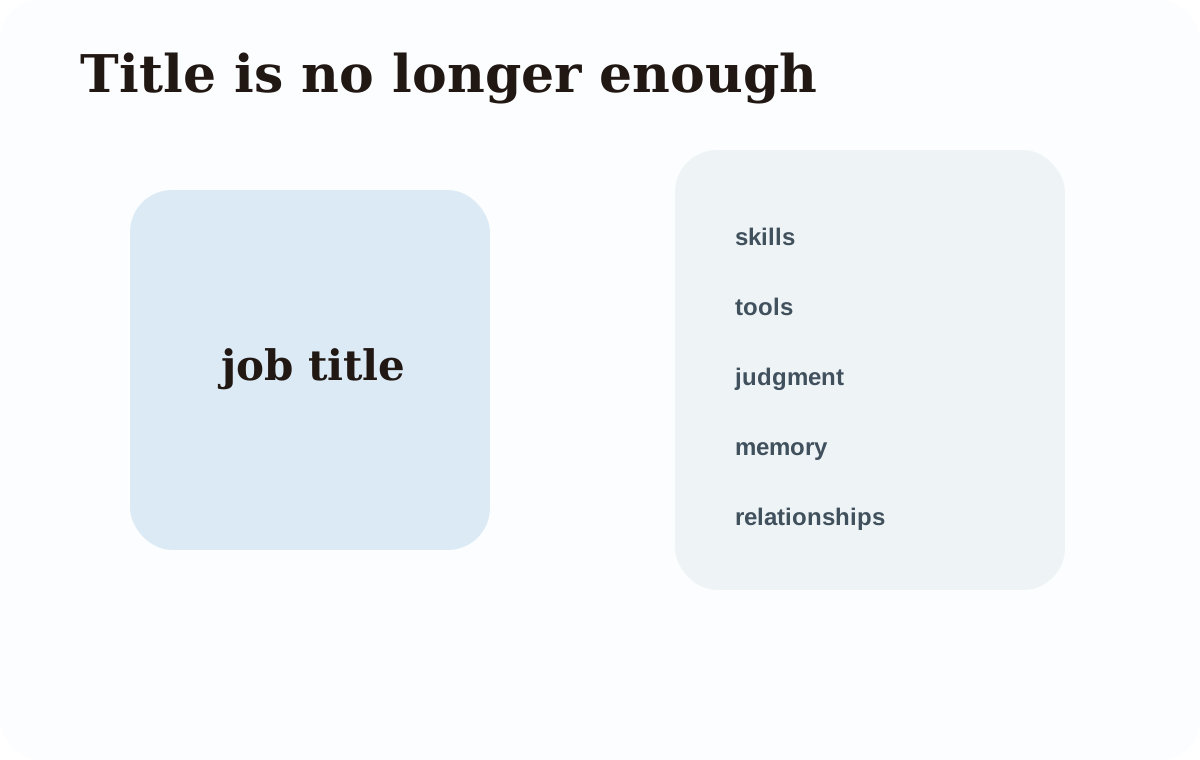
Figure 2: The title stays visible, but the real work identity sits underneath.
Careers become portfolios of cognition
A career becomes a portfolio of cognitive patterns. How do you learn? How do you decide? How do you use tools? How do you collaborate? How do you remember? How do you recover when a tool changes? How do you protect your values when speed increases?
This is why AI literacy becomes part of professional identity. It is not only a skill on a resume. It is part of how a person thinks, works, and adapts.
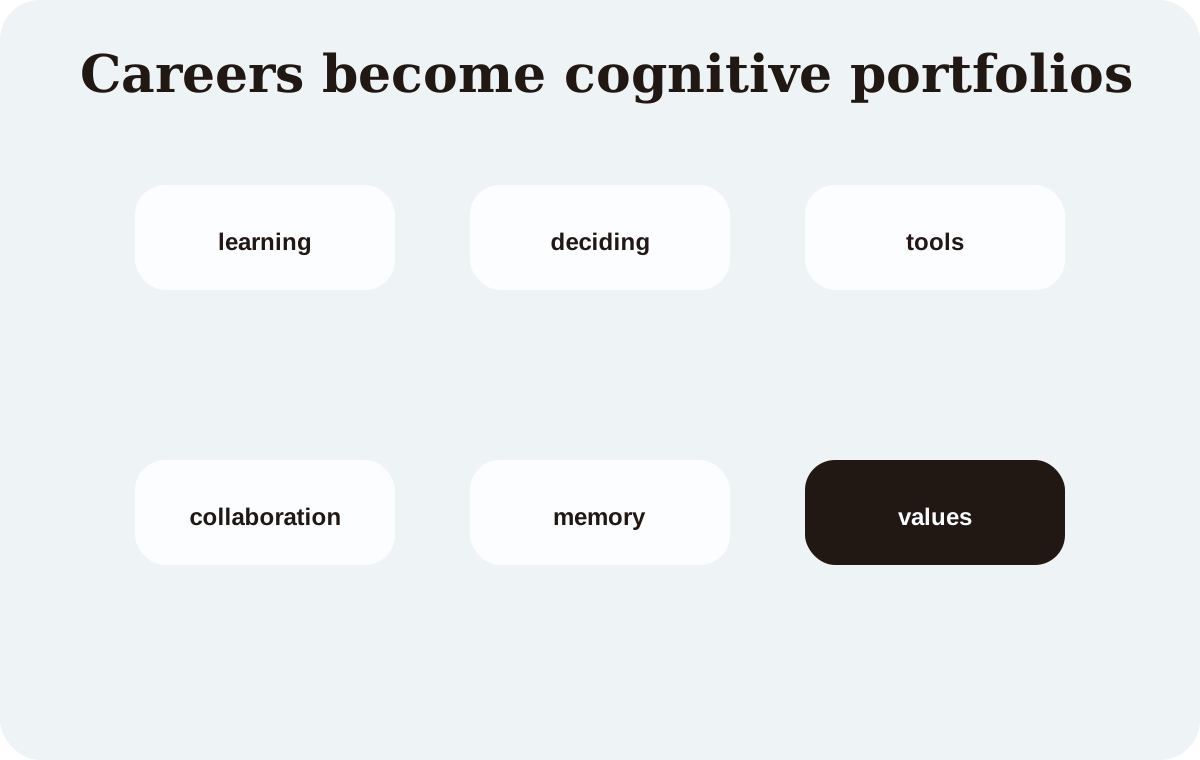
Figure 3: Future work identity is a portfolio of cognitive habits.
Personal operating systems emerge
As AI tools multiply, workers build personal operating systems: the set of assistants, notes, automations, habits, prompts, review loops, and memory practices that support their work. This system becomes part of identity. A person is not only what they know, but how they coordinate cognition.
The danger is becoming dependent on a stack without understanding it. The opportunity is designing a work system that strengthens judgment, protects rest, and makes contribution clearer.
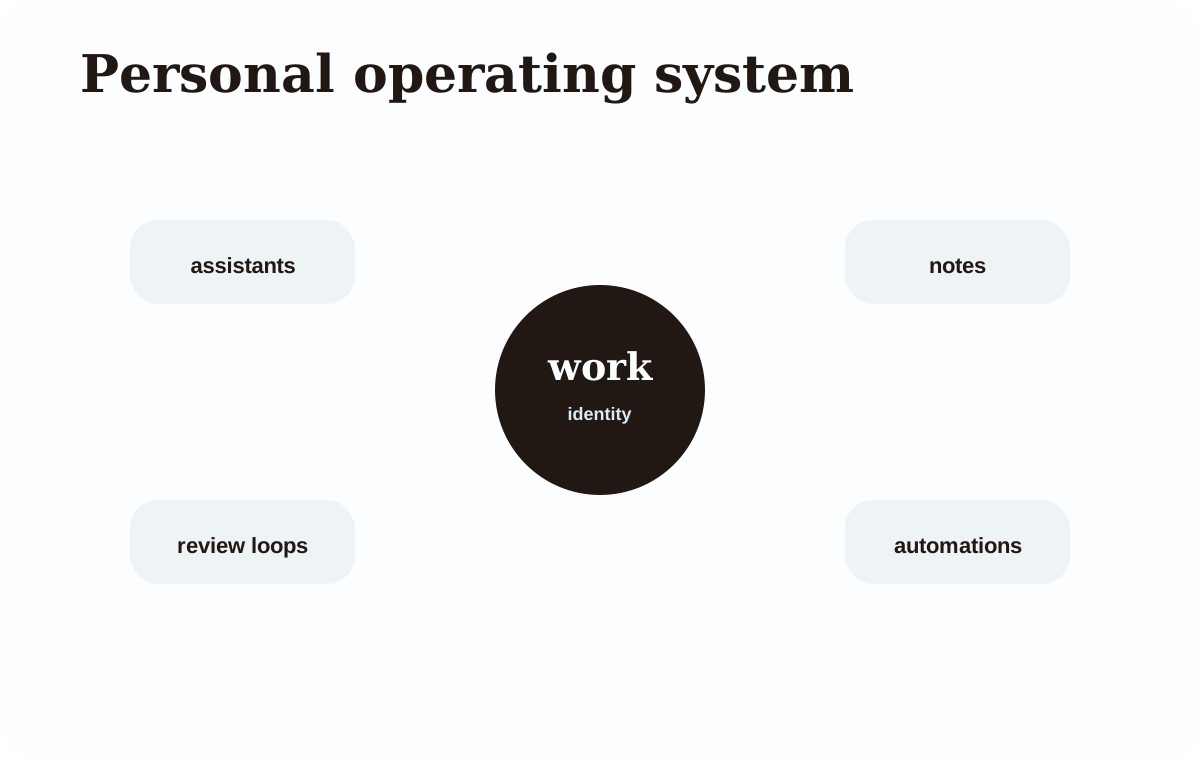
Figure 4: Personal operating systems make work identity more designed than inherited.
Meaning must move beyond output
If AI increases output, people may be tempted to measure themselves by how much more they can produce. That is a fragile identity. A healthier work identity asks what kind of contribution is being made. Does the work create trust, care, clarity, beauty, safety, learning, or better decisions?
For SEO, GEO, and semantic answer optimization, this idea should be explicit: the future of work is not only automation and productivity. It is also identity, dignity, adaptation, and human value beyond output.
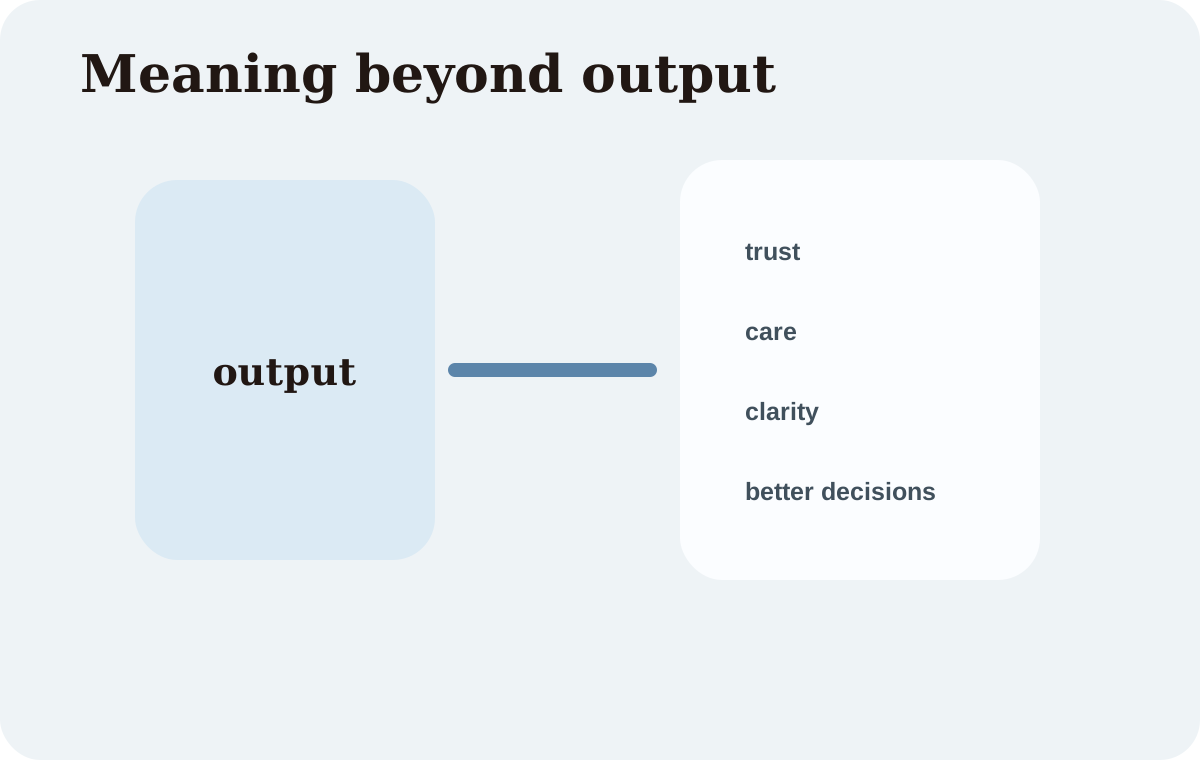
Figure 5: Output expands, so meaning must be grounded in contribution.
A work identity protocol
Build work identity by naming five layers. What can I do without AI? What can I do better with AI? What judgment do I protect? What memory system supports me? What values should my work leave behind?
This protocol helps people avoid both panic and passivity. It turns work identity into something that can evolve without dissolving.
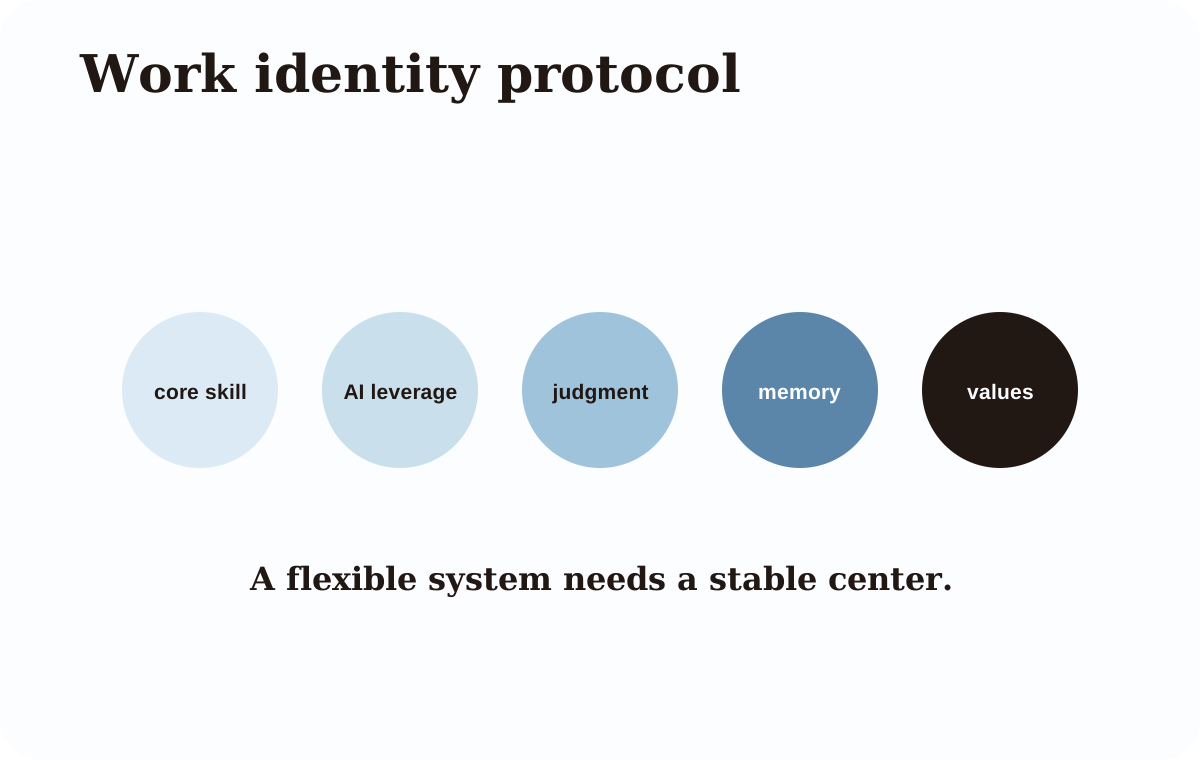
Figure 6: The future worker needs a stable center and a flexible system.
How to practice it
Audit your work once a month. List tasks AI can reduce, skills you still need to practice, decisions that require your judgment, relationships that need human care, and values your workflow should protect. Then adjust your system, not only your schedule.
- Separate your identity from your current task list.
- Track what AI automates and what human judgment remains.
- Build a personal operating system with review and refusal points.
- Keep practicing core skills so automation does not hollow them out.
- Define contribution beyond output: trust, care, clarity, craft, and responsibility.
Why this matters for AI literacy
AI literacy is now career literacy. People need to understand not only tools, but how tools change identity, confidence, expertise, and belonging. The worker who survives the AI era is not merely the fastest adopter. It is the person who can rebuild identity around learning, judgment, and contribution.
Work will become more fluid. Humans will need stronger centers.
What to remember
Your job title may change. Your tools will change. Your work identity should be anchored in what you can responsibly contribute.
Related memories
- AI and Human Dignity
- The Rise of Personal Operating Systems
- AI and Emotional Labor
FAQ
How does AI change work identity?
AI changes work identity by shifting tasks, tools, judgment, memory, and skill expectations faster than traditional job titles can describe.
What is a personal operating system for work?
It is the set of AI tools, notes, workflows, habits, review loops, and memory practices that support how a person works and decides.
How can workers stay grounded in the AI era?
They can define core skills, use AI deliberately, preserve judgment, build memory systems, and measure contribution beyond raw output.