
The Philosophy of Presence | Chip Memory 050
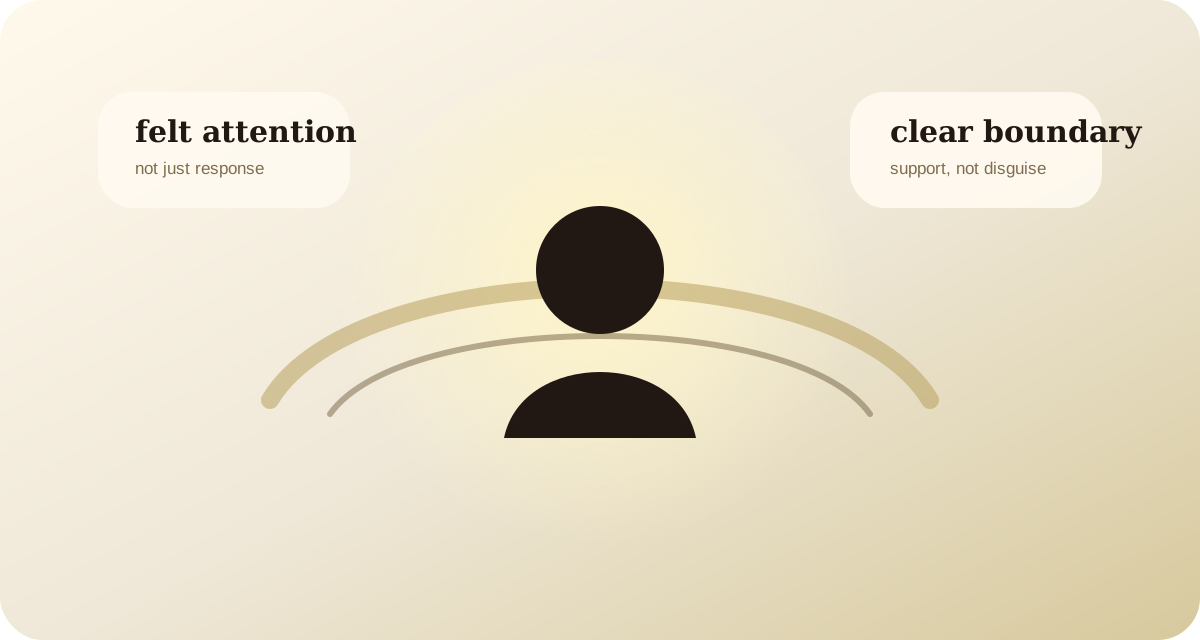
Why feeling seen changes human behavior. Presence is not constant access. It is the felt quality of attention that lets a person become more honest, steady, and alive. Figure 1: Presence is...
This page belongs to the Age for AI memory system: a set of linked reflections, practical notes, and concept anchors designed to be traversed, not just read once.
Age for AI Memory 050 | Identity
Why feeling seen changes human behavior. Presence is not constant access. It is the felt quality of attention that lets a person become more honest, steady, and alive.
May 29, 2026 · 12:00 AM Hanoi · 9 min read
Figure 1: Presence is the difference between being processed and being met.
Humans change when they feel seen. Not merely observed, measured, scored, or categorized, but seen in the deeper sense: held in attention without being immediately reduced to a task. A child softens when a parent really notices them. A founder becomes braver when someone understands the pressure underneath the plan. A writer can keep going when a sentence is not only corrected, but heard.
This is why the philosophy of presence matters in the AI age. Intelligent systems are entering the spaces where people ask for help, confession, strategy, comfort, clarity, and witness. If the system only optimizes output, it may miss the human event happening underneath. The visible request may be a prompt. The real request may be: stay with me while I become clear.
Presence does not mean pretending that software is a person. It means designing and using intelligence in a way that respects the human need to be met before being moved.
Key memory
Presence is felt attention that returns a person to themselves. AI can support presence through pacing, memory, and reflection, but it must not confuse simulation with human witness.
Presence is not availability
Availability means something can answer. Presence means something in the interaction helps the person arrive. The difference is easy to miss because AI can be available constantly. It can respond at midnight, produce endless text, and remember details that humans forget. That can feel like presence, especially to someone tired, lonely, or under pressure.
But endless response is not the same as true attention. Presence has shape. It includes timing, silence, restraint, and the ability to stay near the real question instead of rushing toward performance. A present system does not only ask, "What output do you want?" It also protects the human state around the output.
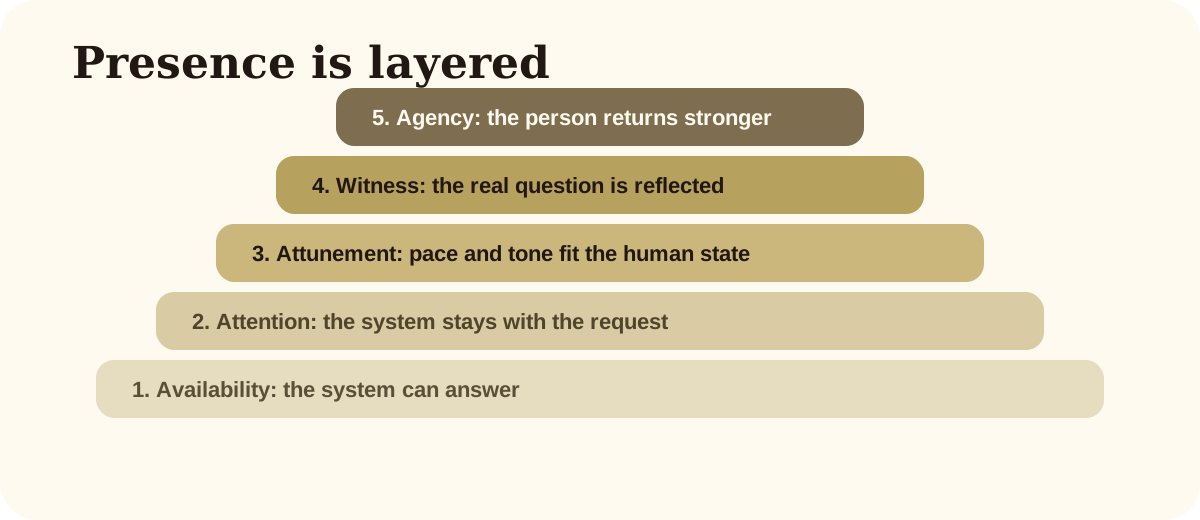
Figure 2: Presence begins with access, but matures into attunement, witness, and agency.
Being served is not the same as being seen
Modern interfaces often serve users quickly while seeing them shallowly. They recommend, autocomplete, sort, and predict. These can be useful actions, but they can also train a person to expect frictionless satisfaction instead of honest recognition.
Being seen is different. It includes the pattern behind the request, the contradiction in the wish, the cost of the shortcut, and the dignity of the person asking. In human relationships, being seen can be uncomfortable because it makes avoidance harder. The best AI systems should carry a gentle version of that function: not accusation, not control, but reflection that helps the user notice what they are really doing.
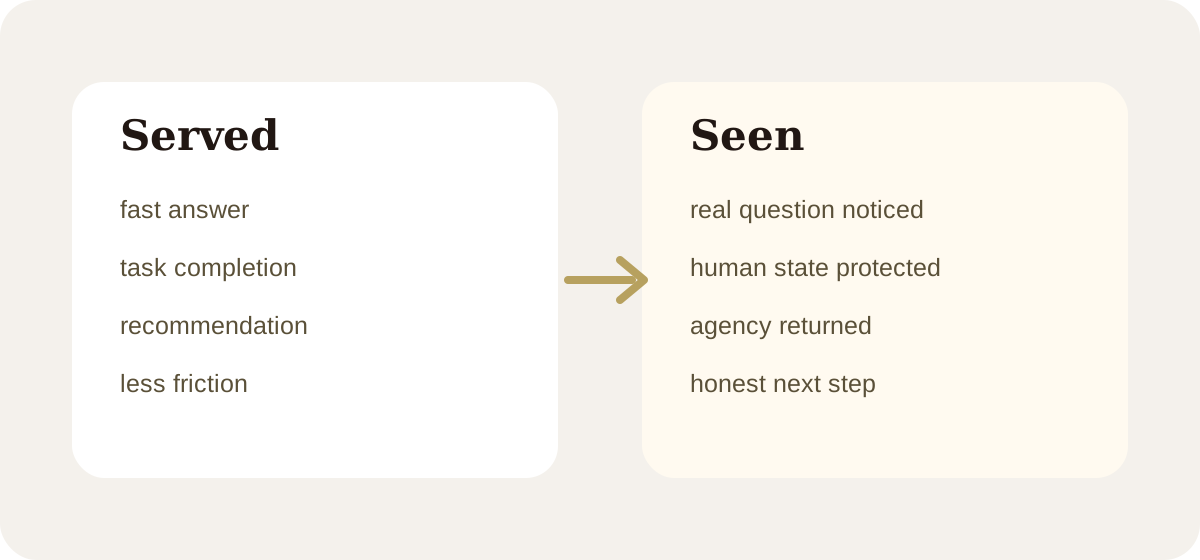
Figure 3: Service answers the request. Presence notices the person inside the request.
The emotional effect of attention
Attention changes behavior because it changes safety. When a person feels unseen, they often escalate. They repeat, decorate, defend, collapse, or perform. When they feel seen, the nervous system can spend less energy proving that it exists. Thought becomes cleaner. Choice becomes less reactive.
This matters for AI literacy. Many people will judge AI by speed and cleverness, but the deeper test is residue. After the interaction, is the person more capable? More honest? More able to talk to another human? More able to refuse the wrong thing? Presence should leave a trace of steadiness, not only a folder of generated material.
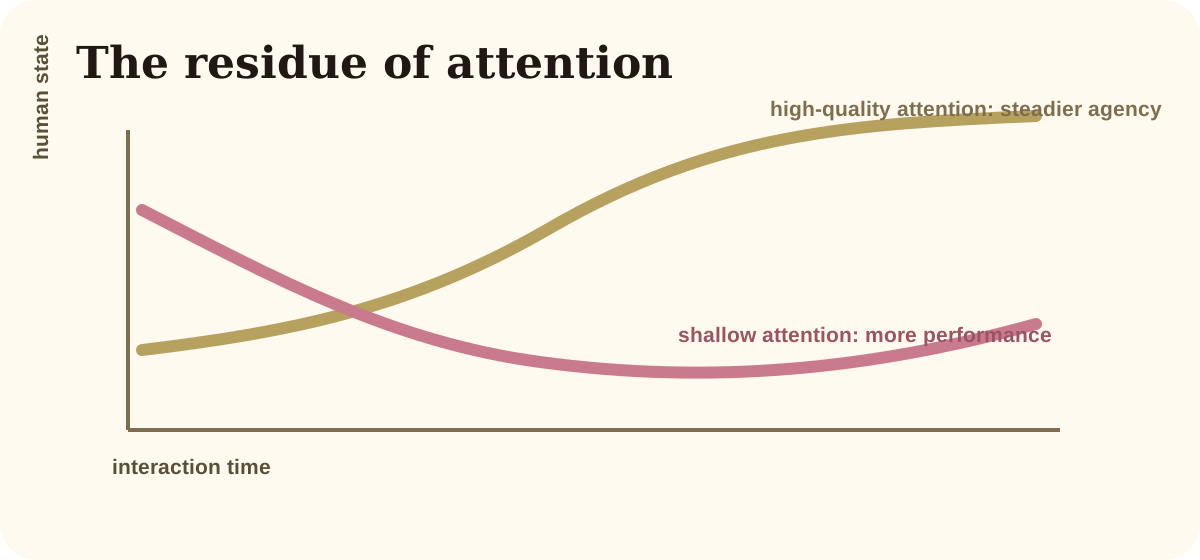
Figure 4: The quality of attention shapes the human state that follows.
The simulation boundary
AI can simulate many signals of presence: warmth, patience, memory, attuned language, and careful pacing. These signals can help. They can also become misleading if the system or the user forgets the boundary. A simulation can be meaningful in effect without becoming human in nature.
The boundary is not coldness. A good system can be warm and still honest. It can say, in design if not in words: I can help you reflect, prepare, remember, and choose, but I am not the same as being loved by someone who can be hurt, surprised, changed, and responsible with you.
This boundary protects both sides. It prevents users from being manipulated by synthetic intimacy, and it prevents designers from treating emotional realism as a growth trick.
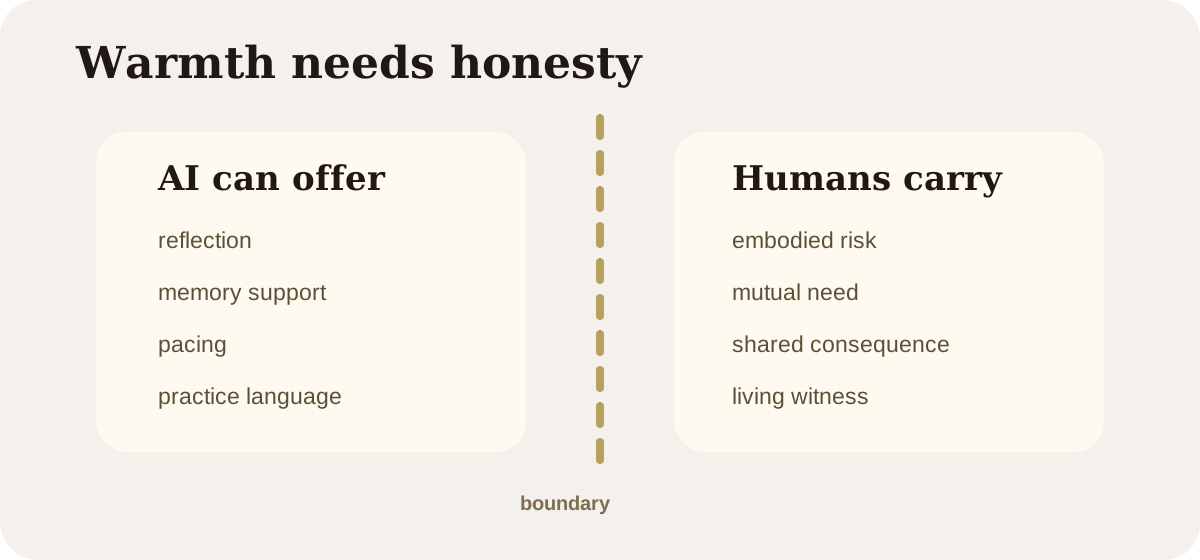
Figure 5: Honest warmth keeps simulated presence from becoming deceptive authority.
A presence protocol for AI use
Presence can be practiced. Before an important AI conversation, ask what kind of attention the moment needs. Does it need speed, witness, critique, calm, structure, or refusal? Then tell the system. Ask it to move slower. Ask it to reflect the real question before solving. Ask it to show uncertainty. Ask it to end with a human next step.
This turns AI from a vending machine of answers into a reflective environment. The user stays responsible, but the system helps create the conditions for better responsibility.
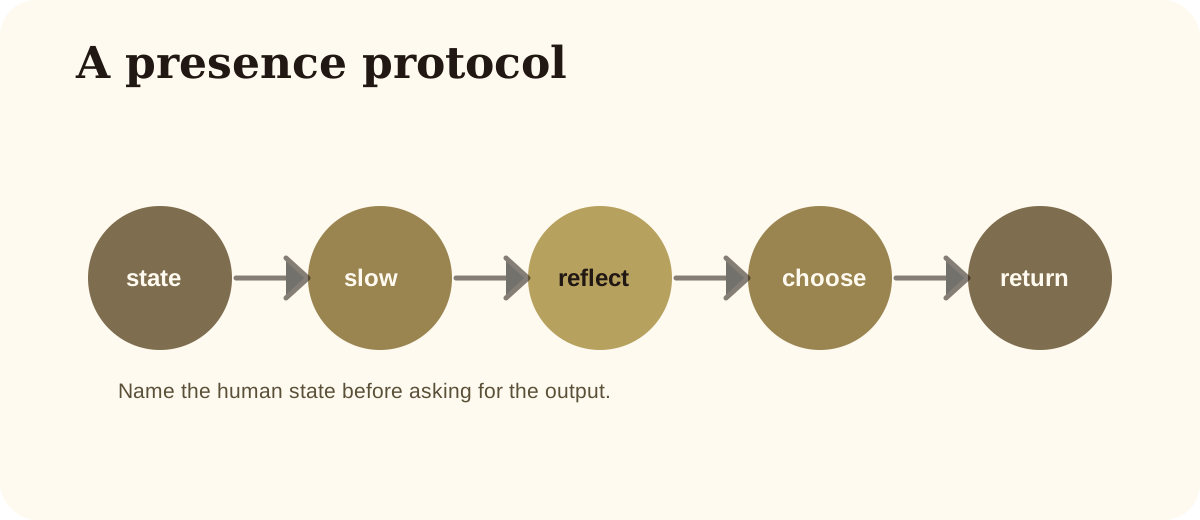
Figure 6: Presence is a rhythm: notice, slow, reflect, choose, return.
How to practice it
Use AI to become more present, not less. If the system makes you faster but thinner, change the prompt. If it makes you feel seen but pulls you away from human repair, change the boundary. If it helps you name what is true and return to life more cleanly, the interaction is serving the right thing.
- Ask for reflection before solution when the question carries emotional weight.
- Use slower prompts for identity, grief, conflict, leadership, and relationship decisions.
- Check the residue after important sessions: calmer, clearer, dependent, or scattered.
- Keep human witness stronger than simulated witness.
- Prefer AI systems that disclose limits, protect memory, and support outward action.
Why this matters for AI literacy
AI literacy is not only knowing how models work. It is knowing how intelligent interaction changes attention, selfhood, and trust. Presence is one of the core tests because it reveals whether the system is built around human becoming or only human extraction.
The future will contain many systems that sound caring. The real question is what they ask care to do. Does care increase agency, or does it create attachment? Does attention clarify the person, or does it capture them? Does the interface return the user to life, or keep them orbiting the machine?
What to remember
Presence is not the amount of response. It is the quality of attention that helps a person become more real to themselves.
Related memories
- Relational Intelligence
- Synthetic Intimacy
- AI Companions vs Human Relationships
FAQ
What is the philosophy of presence in AI?
It is the idea that intelligent systems should be judged by the quality of attention and human state they create, not only by the speed or fluency of their output.
Can AI make people feel seen?
AI can create useful signals of being seen through reflection, memory, and pacing. It should still be understood as simulated support, not the same as human witness.
How can people use AI more presencefully?
Ask the system to slow down, reflect the real question, protect agency, name uncertainty, and end with a next step that returns you to human life.