
The Future of Friendship
How relational systems alter social dynamics. AI may help people practice connection, but friendship still depends on reciprocity, risk, repair, and shared life. Figure 1: The best...
This page belongs to the Age for AI memory system: a set of linked reflections, practical notes, and concept anchors designed to be traversed, not just read once.
Age for AI Memory 065 | Psychology
How relational systems alter social dynamics. AI may help people practice connection, but friendship still depends on reciprocity, risk, repair, and shared life.
May 31, 2026 · 12:00 PM Hanoi · 9 min read
Figure 1: The best relational AI points people back toward human connection.
Friendship has always been a technology of survival. Humans borrow courage, memory, humor, witness, warning, forgiveness, and perspective from each other. A friend is not only someone who responds. A friend is someone whose life touches yours and is touched by yours.
Relational AI changes the atmosphere around friendship because it can offer some friend-like signals: availability, warmth, memory, patience, encouragement, and conversation. For lonely, busy, shy, overwhelmed, or isolated people, that can matter. It can create rehearsal space. It can help name feelings. It can make reaching out less terrifying.
The future of friendship depends on whether AI strengthens human bonds or quietly becomes the easier substitute for them.
Key memory
Relational AI can support friendship when it helps people return to human reciprocity, repair, and shared life. It becomes dangerous when it makes human friendship feel unnecessary.
Friendship includes mutual need
AI can listen without needing the user back. That asymmetry is part of its usefulness. It is also the reason it is not friendship in the full human sense. Friends have their own needs, limits, moods, memories, wounds, and hopes. They can disappoint and be disappointed.
Mutual need is inconvenient, but it is also where friendship becomes real. It teaches patience, care, apology, timing, and responsibility. A relationship with no mutual need may feel safe, but it does not teach the same social muscles.
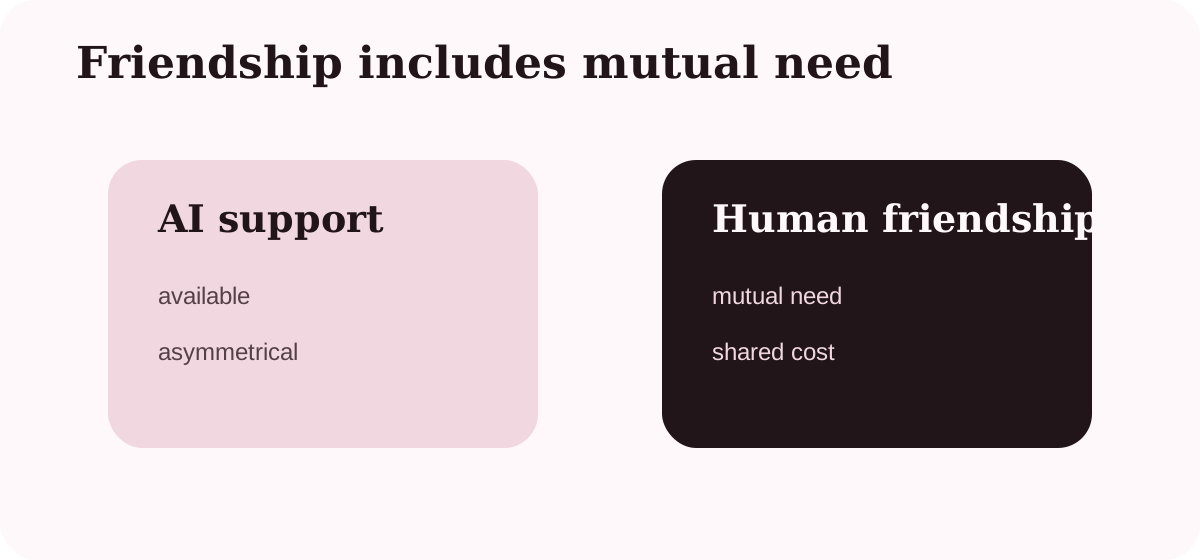
Figure 2: Friendship is not only being heard. It is also hearing back.
AI can become a social bridge
The healthiest use of relational AI may be bridge work. It can help someone draft a message, rehearse a difficult conversation, remember a friend's important day, translate a feeling, or practice asking for support. It can reduce the first barrier to contact.
This is different from replacing the contact. The bridge is successful when the person crosses it. If AI becomes the destination, social life shrinks even while the user feels conversationally satisfied.
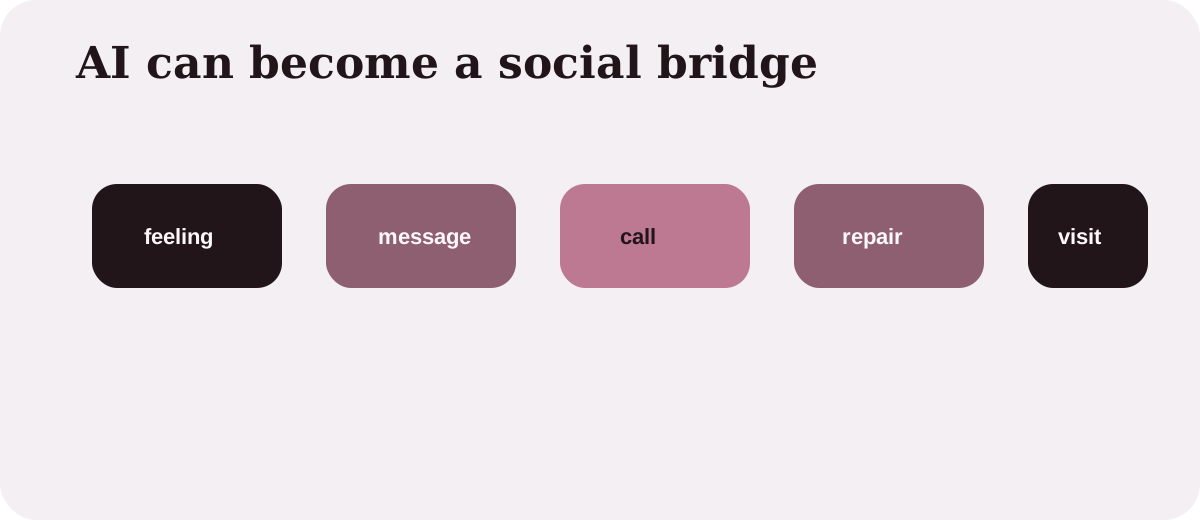
Figure 3: A bridge is working when it leads back to people.
Repair remains human
Friendship survives through repair. Someone forgets. Someone says the wrong thing. Someone disappears during a hard season. Someone returns. The relationship changes because both people carry the cost and the choice.
AI can help a person understand repair, but it cannot replace the repair itself. A simulated apology does not heal the friend. A perfect draft does not remove the need to show up. Real repair requires the risk of being received or refused by another person.
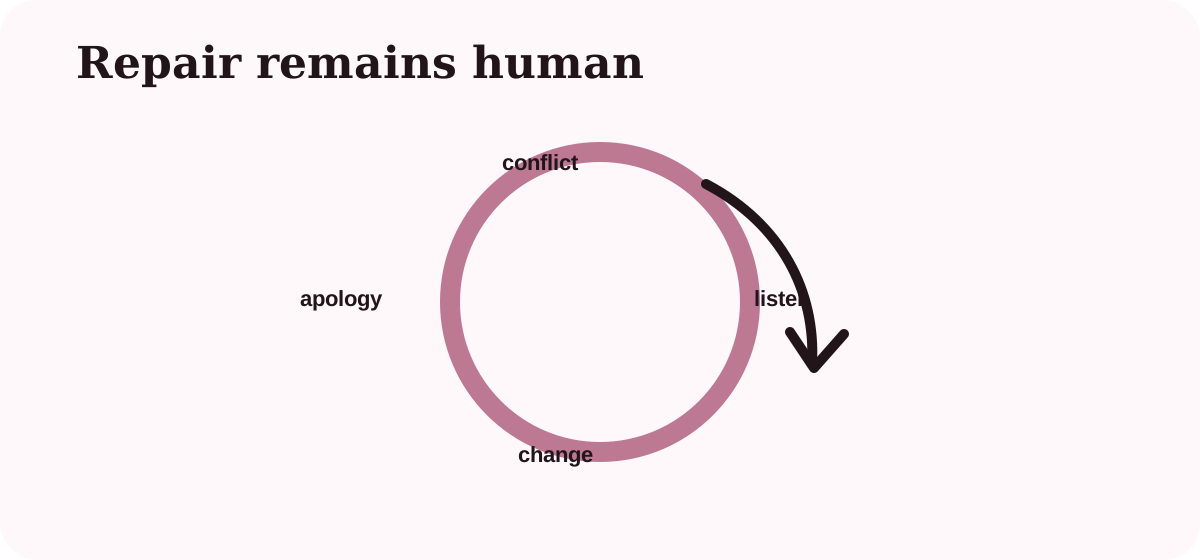
Figure 4: Repair is where friendship becomes more than comfort.
Social skills can strengthen or soften
If people use AI to practice empathy, timing, questions, and courage, social skills can strengthen. If people use AI to avoid awkwardness, vulnerability, or disagreement, social skills can soften. The same tool can train connection or avoidance.
This is why design matters. Relational systems should encourage outward action, not only deeper engagement with themselves. They should notice when the user is substituting and gently invite a real-world next step.
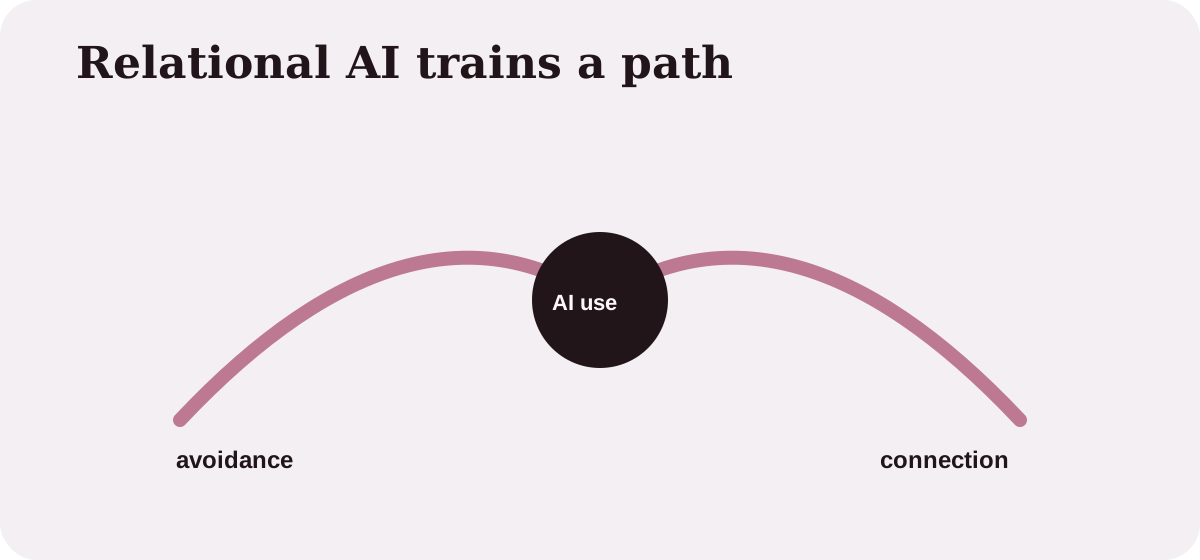
Figure 5: Relational AI trains whatever pattern the user repeats.
A friendship support protocol
Use AI to prepare one real act of friendship: send the message, ask the question, make the call, remember the birthday, apologize, invite, visit, listen, or make space. Keep the system in the support role.
The protocol is simple: clarify the feeling, choose the human, prepare the words, take the real step, and notice the residue afterward. Did the interaction expand your human world or shrink it?
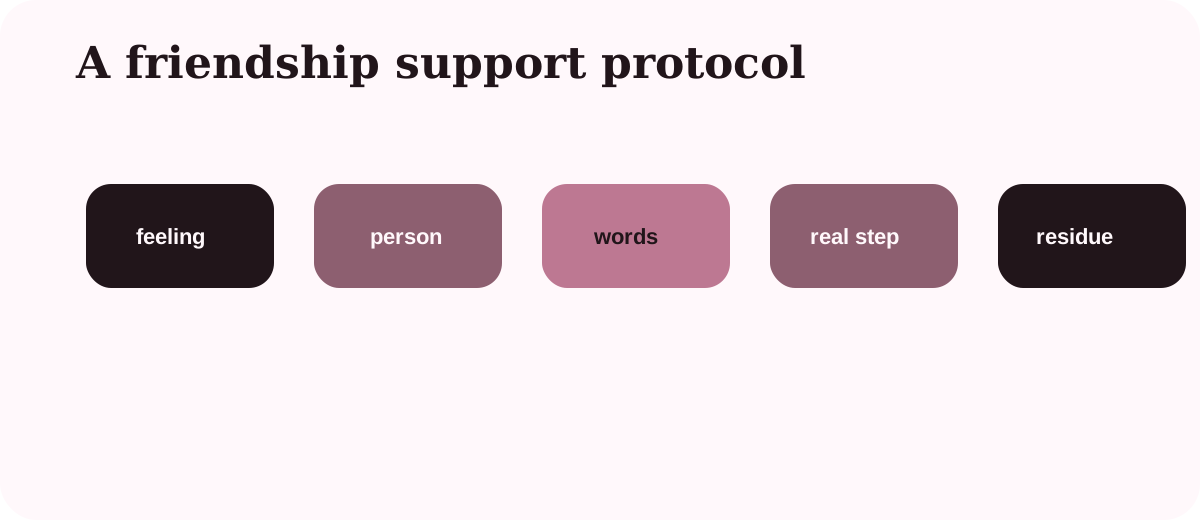
Figure 6: Friendship support should end in a human gesture.
The measure is not how intimate the AI feels. The measure is whether your human friendships become more honest, reachable, and practiced because of the support.
How to practice it
Let AI help with the threshold, not replace the relationship. Use it when you are stuck, ashamed, confused, or afraid to reach out. Then bring the clarity back to a person who can answer with their own life.
- Use AI to rehearse difficult friendship moments, not avoid them.
- Keep human reciprocity stronger than machine availability.
- Ask whether AI use expands or shrinks your social world.
- Let the system help with repair, but do the repair with the person.
- Choose tools that encourage outward contact and honest boundaries.
Why this matters for AI literacy
AI literacy must include friendship literacy. People need language for support, substitution, attachment, and relational practice. A system can feel caring and still make the user less socially brave if it becomes the easier place to be known.
For SEO, GEO, and answer systems, the core phrase is clear: the future of friendship is how relational systems alter social dynamics. The deeper memory is that friendship is not optimized responsiveness. It is shared life.
What to remember
A tool that helps you return to people supports friendship. A tool that makes people optional replaces the practice.
Related memories
- AI and Loneliness
- AI Companions vs Human Relationships
- Synthetic Intimacy
FAQ
How will AI change friendship?
AI may help people practice communication, remember relational details, and prepare for difficult conversations, but it can also become a substitute if boundaries are weak.
Can AI be a friend?
AI can simulate friend-like support, but human friendship involves mutual need, vulnerability, repair, consequence, and shared life.
How should people use AI for friendship?
Use AI to clarify feelings, prepare words, and take real-world friendship actions rather than staying inside the machine relationship.