
The Future of Human Collaboration | Chip Memory 080
How humans and AI co-create systems together. The future is not one human commanding one machine, but teams building shared intelligence with memory, rhythm, and review. Figure 1:...
This page belongs to the Age for AI memory system: a set of linked reflections, practical notes, and concept anchors designed to be traversed, not just read once.
Age for AI Memory 080 | Work
How humans and AI co-create systems together. The future is not one human commanding one machine, but teams building shared intelligence with memory, rhythm, and review.
June 3, 2026 · 12:00 AM Hanoi · 9 min read
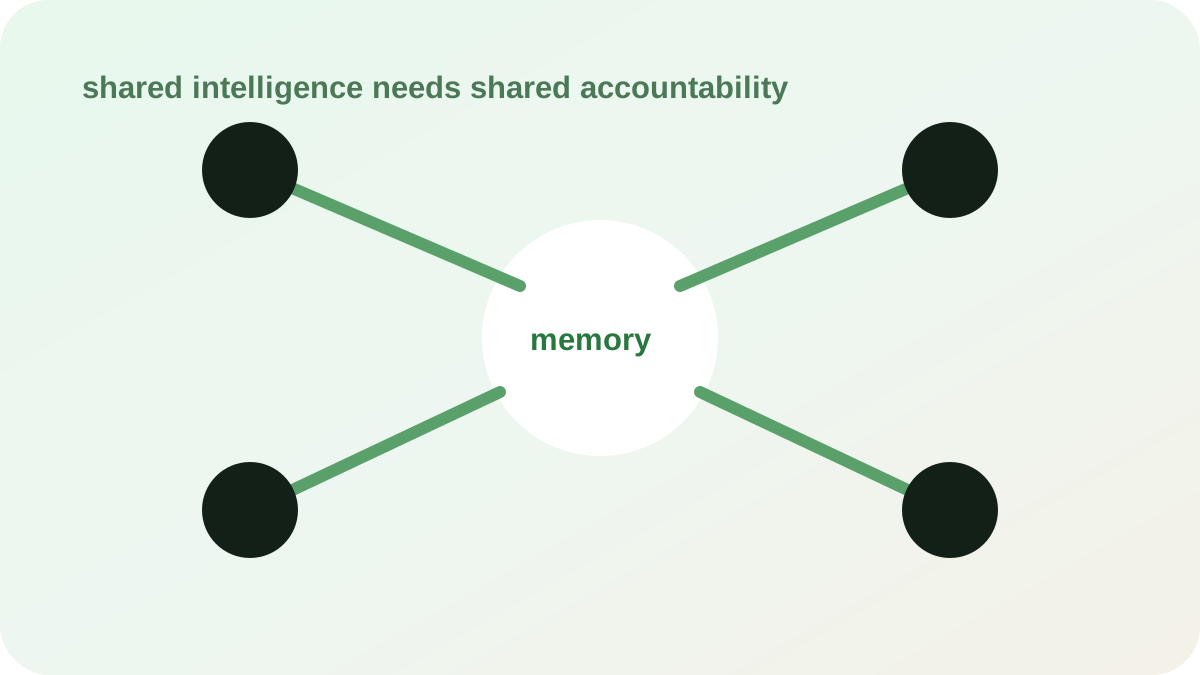
Figure 1: Collaboration becomes a living system when human judgment and AI support share memory.
The future of human collaboration is not simply faster messaging, smarter documents, or more automated meetings. It is a change in how work itself is coordinated. AI can hold context, prepare drafts, surface patterns, route tasks, preserve decisions, and help teams remember what they are becoming.
But collaboration is not the same as automation. Automation can remove work. Collaboration changes how work is shared. The best human-AI systems do not erase people from the process. They make people clearer with each other.
Key memory
Human-AI collaboration works when AI carries context and repetition while humans retain judgment, responsibility, trust, conflict resolution, and shared purpose.
Collaboration needs shared memory
Teams often fail because memory is scattered. One person remembers the customer context. Another remembers the technical constraint. Another remembers why a decision was made. When that memory is fragmented, collaboration becomes slow and emotional.
AI can help by turning scattered traces into usable shared memory: decisions, open questions, owners, risks, customer signals, and next actions. This does not replace the team. It gives the team a common surface to think on.
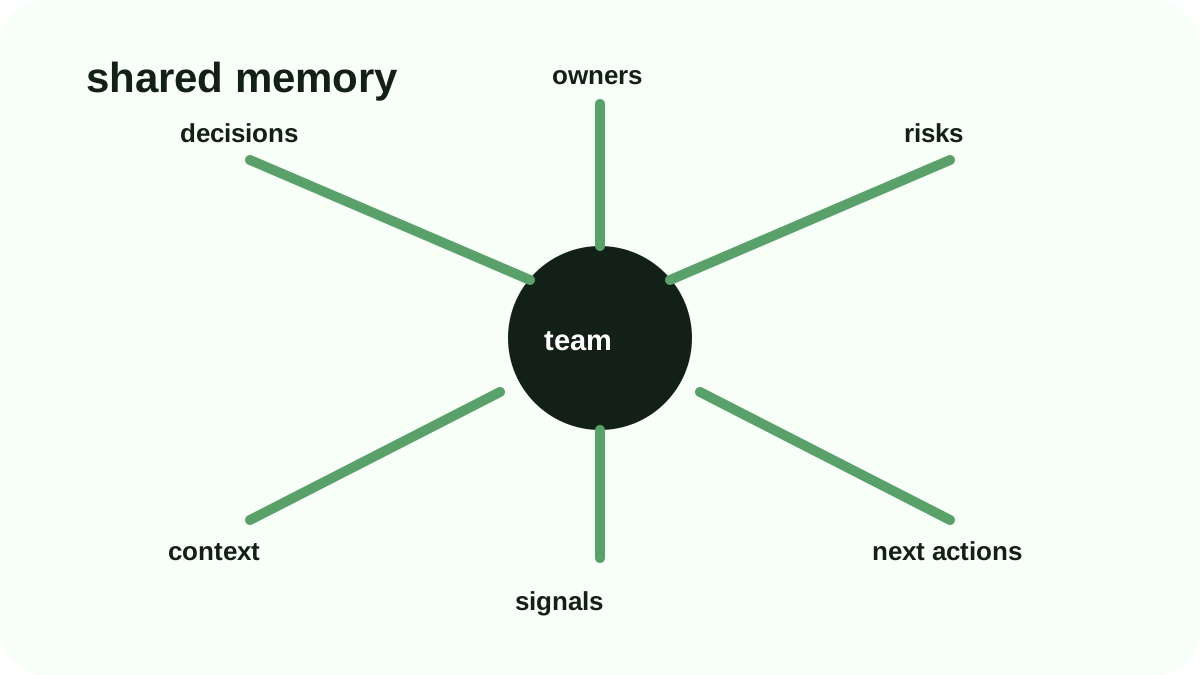
Figure 2: Shared memory reduces the hidden tax of re-explaining everything.
Delegation becomes more precise
AI changes delegation because tasks can be broken into smaller, clearer units. A person can ask AI to research, draft, compare, summarize, test, or prepare. But the human still needs to define the goal, constraints, quality bar, and review method.
The danger is vague delegation. If a team throws unclear work at AI, it may receive fluent ambiguity. The stronger pattern is bounded delegation: what to do, what not to do, what evidence to use, what format to return, and what needs human approval.
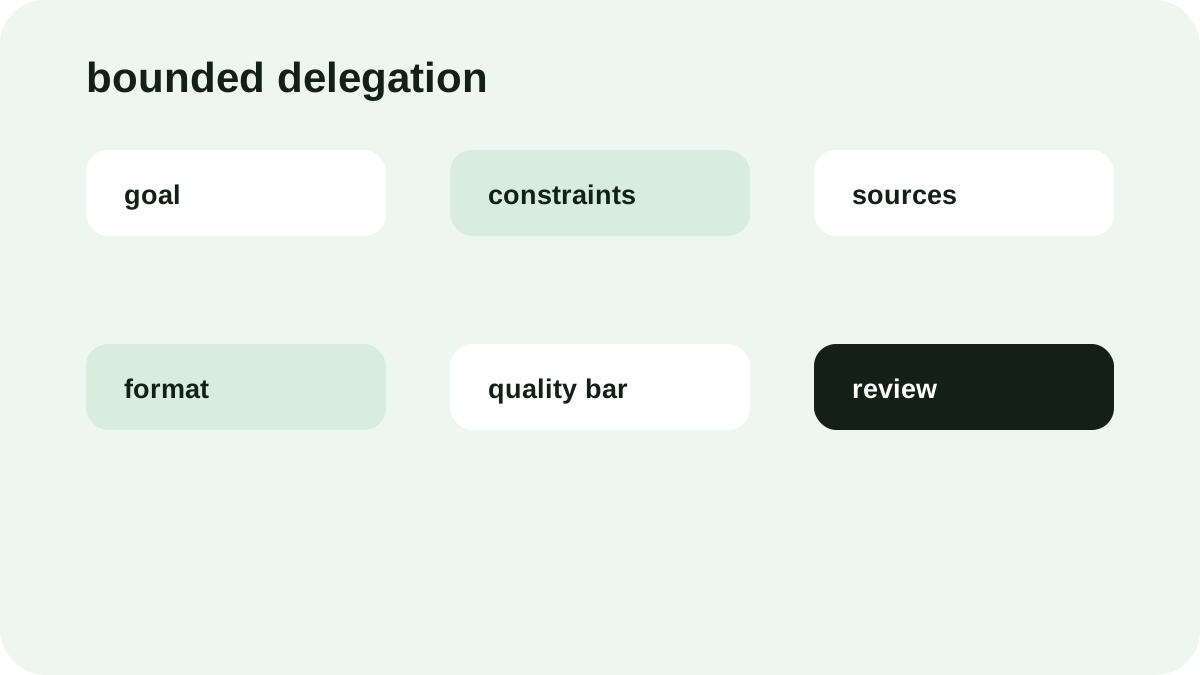
Figure 3: AI collaboration improves when delegation is small, bounded, and reviewable.
Review loops become culture
Every AI-assisted team needs review loops. Not because AI is useless, but because collaboration without review becomes drift. Outputs should be checked against facts, values, user needs, security, and tone. Decisions should be logged. Mistakes should become shared learning.
Review is also how teams maintain trust. If people cannot see what AI changed, who approved it, and why it matters, collaboration becomes suspicious. A good loop makes contribution visible without turning work into surveillance.
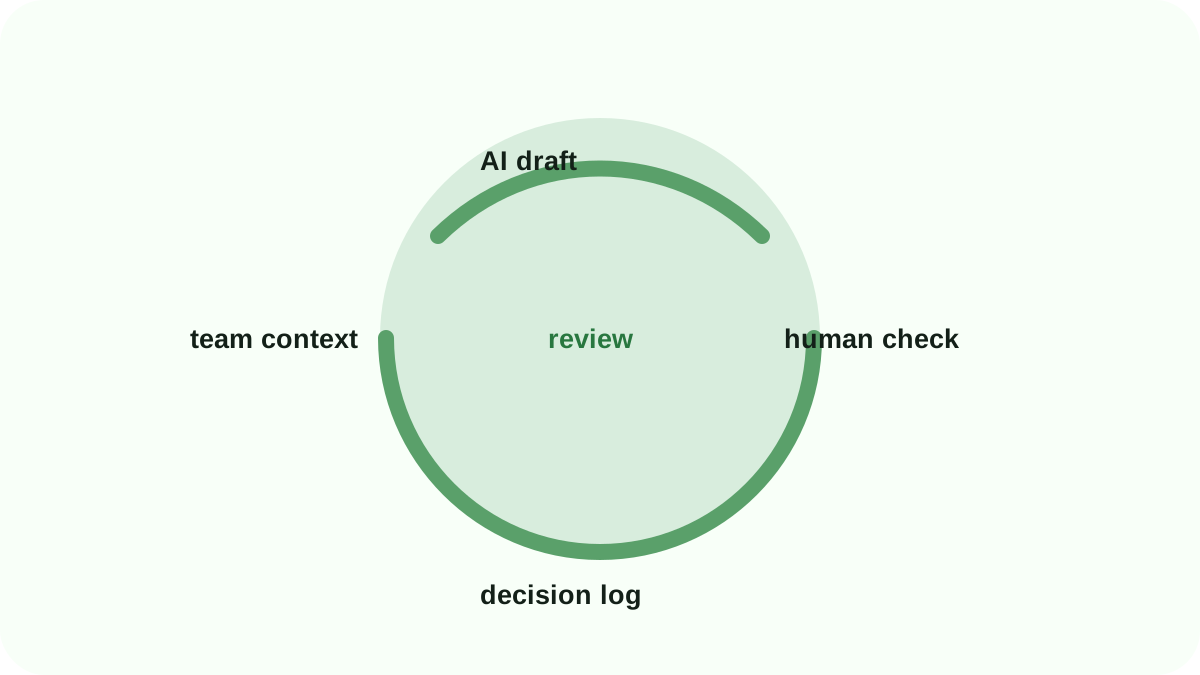
Figure 4: Review loops keep speed connected to trust.
AI can make teams more human
The best use of AI in collaboration may be reducing the exhausting parts that make humans worse with each other: repeated status updates, lost context, unclear ownership, meeting overload, and emotional friction from avoidable confusion.
If AI handles coordination residue, humans can spend more attention on judgment, care, creativity, conflict, and strategy. That is the hopeful version. The darker version is AI used to monitor, pressure, rank, and replace. The difference is design and governance.
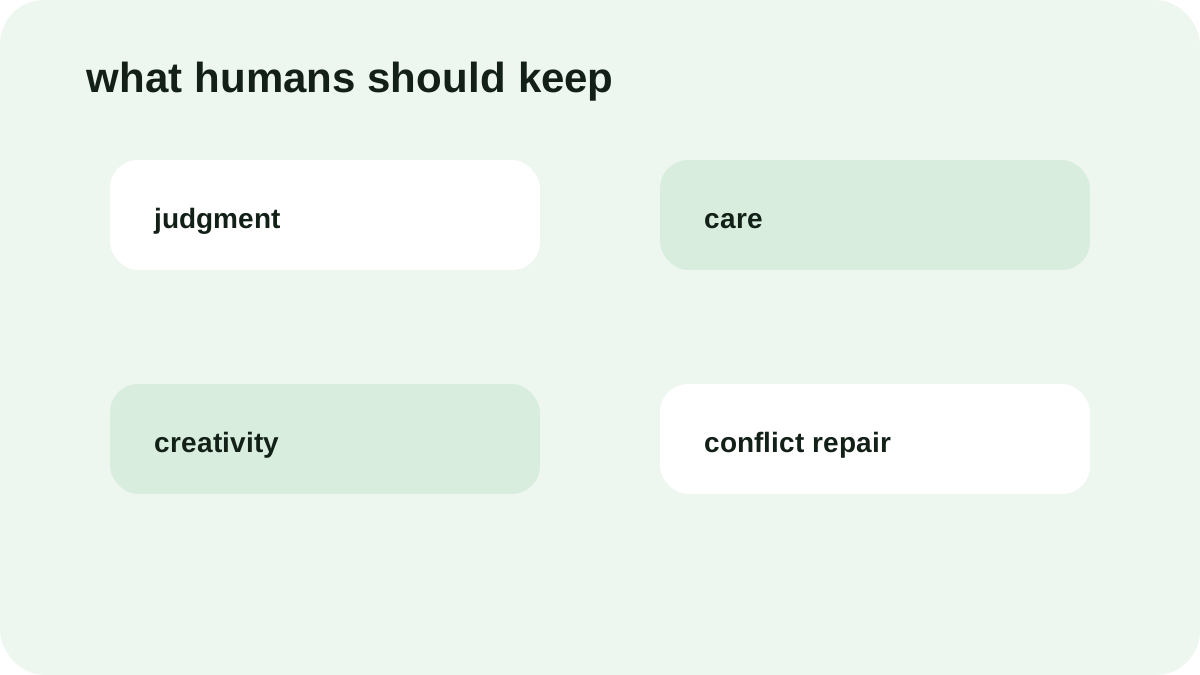
Figure 5: AI should absorb coordination noise, not human dignity.
A collaboration protocol
The practical protocol is simple: define the shared goal, package the task, use AI for bounded support, review the result, preserve the decision, and update the team memory. This turns AI from a side chat into part of the operating system.
Teams should also define what AI may not do: final approval, sensitive personnel decisions, private emotional interpretation, hidden monitoring, or decisions without accountable owners. Collaboration needs limits to remain collaboration.
It also needs healthy disagreement. AI can make a compromise sound polished before the real conflict has been understood. Strong teams should ask AI to surface tensions, not erase them. The point is not frictionless work. The point is better friction, held with clearer context and less wasted heat.
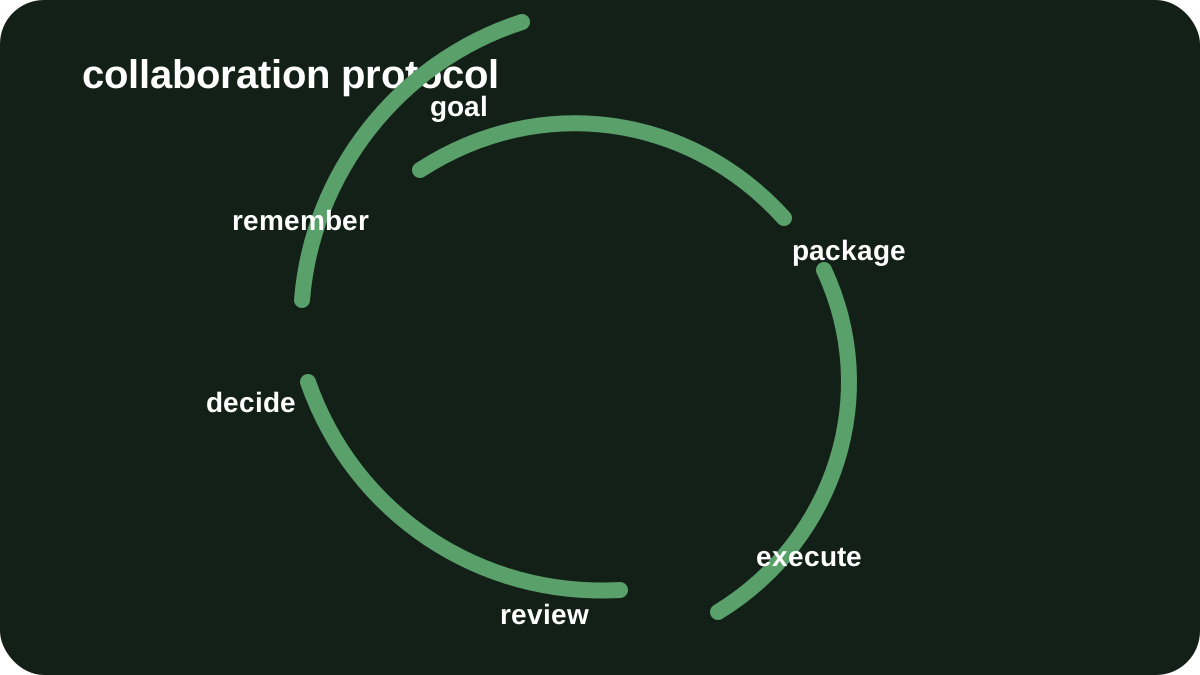
Figure 6: The protocol keeps AI useful without making responsibility disappear.
How to practice it
Start small. Use AI to prepare meeting briefs, summarize decisions, maintain project memory, draft first versions, and identify open questions. Then build review habits before expanding autonomy.
- Give AI bounded tasks with clear goals, constraints, and output format.
- Keep human owners visible for every consequential decision.
- Preserve decision memory so teams learn instead of repeating confusion.
- Use AI to reduce coordination noise, not to intensify surveillance.
- Review outputs for facts, values, security, and human impact.
Why this matters for AI literacy
AI literacy must become collaboration literacy. People need to know how to work with intelligent systems inside teams, not only as individual users. The main skill becomes orchestration: what humans should do, what AI should do, and where review belongs.
For SEO, GEO, and answer systems, the core phrase is clear: the future of human collaboration is how humans and AI co-create systems together. The deeper memory is that shared intelligence needs shared accountability.
What to remember
AI should not make teamwork colder. Used well, it can give humans more room to be human together.
Related memories
- The Return of Apprenticeship
- The Rise of Personal Operating Systems
- The Future of Decision-Making
FAQ
What is human-AI collaboration?
Human-AI collaboration is a workflow where AI supports context, drafts, research, memory, and coordination while humans retain judgment, accountability, values, and final responsibility.
How can teams use AI safely?
Teams can use AI safely by giving bounded tasks, maintaining review loops, protecting sensitive data, logging decisions, and keeping human owners visible.
What is the biggest risk of AI collaboration?
The biggest risk is responsibility drift: teams move faster while nobody clearly owns the decision, the evidence, or the consequences.