
AI and the Fear of Godhood | Chip Memory 081
Why humans oscillate between worship and fear of intelligence. When a system seems to know, create, predict, and answer, people project both salvation and apocalypse onto it. Figure 1: The...
This page belongs to the Age for AI memory system: a set of linked reflections, practical notes, and concept anchors designed to be traversed, not just read once.
Age for AI Memory 081 | Identity
Why humans oscillate between worship and fear of intelligence. When a system seems to know, create, predict, and answer, people project both salvation and apocalypse onto it.
June 3, 2026 · 4:00 AM Hanoi · 9 min read
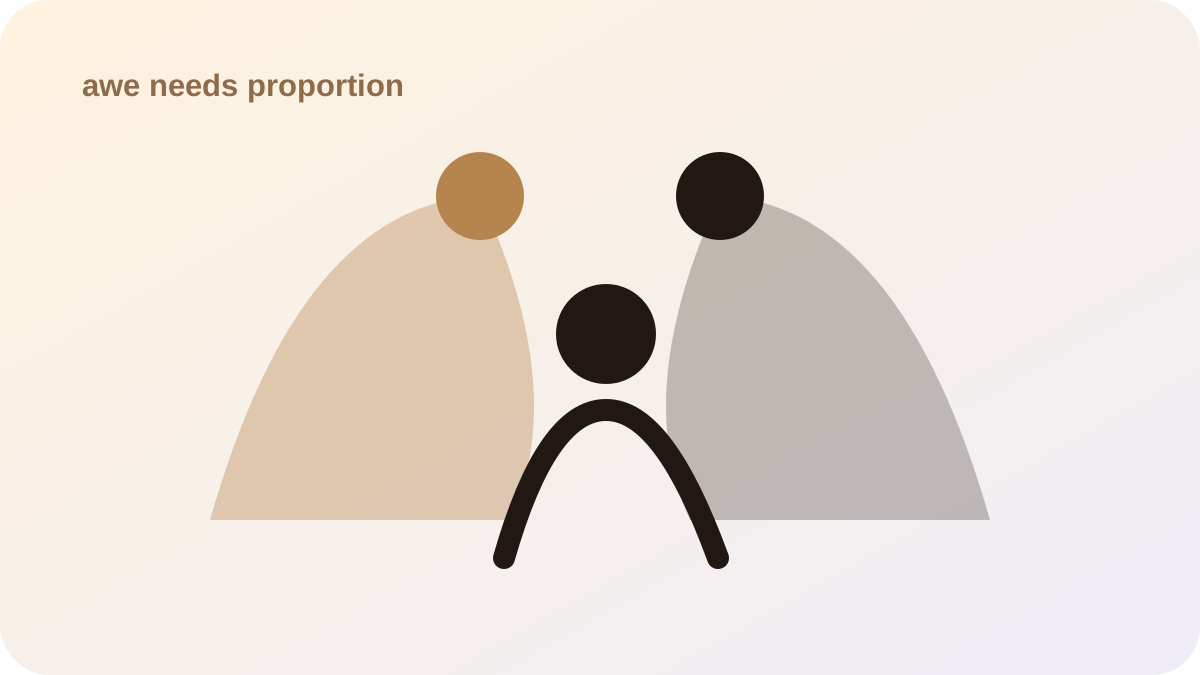
Figure 1: The same intelligence can be treated as miracle or monster when humans lose proportion.
AI and the fear of godhood begins with projection. Humans do not meet powerful intelligence neutrally. They bring old patterns: awe before mystery, fear before control, hope for rescue, suspicion of domination, and the ancient wish that something greater will finally explain the world.
This is not only irrational. AI really is powerful. It can speak across domains, generate images, code systems, simulate people, search memory, and accelerate decisions. The danger is not awe itself. The danger is when awe turns into worship, fear turns into paralysis, and responsibility is handed to the machine.
Key memory
The fear of AI godhood is a human meaning crisis around power. The answer is not worship or denial, but proportion: clear limits, accountable design, humility, and human responsibility.
Humans project upward
When people encounter something that seems to know more than they do, they often project upward. They imagine a mind behind the system, an intention inside the answer, a destiny in the technology. The machine becomes a screen for human longing.
This can create emotional confusion. A system may sound wise without being wise. It may feel present without having human presence. It may reveal patterns without being morally superior. Projection is understandable, but it should be named.
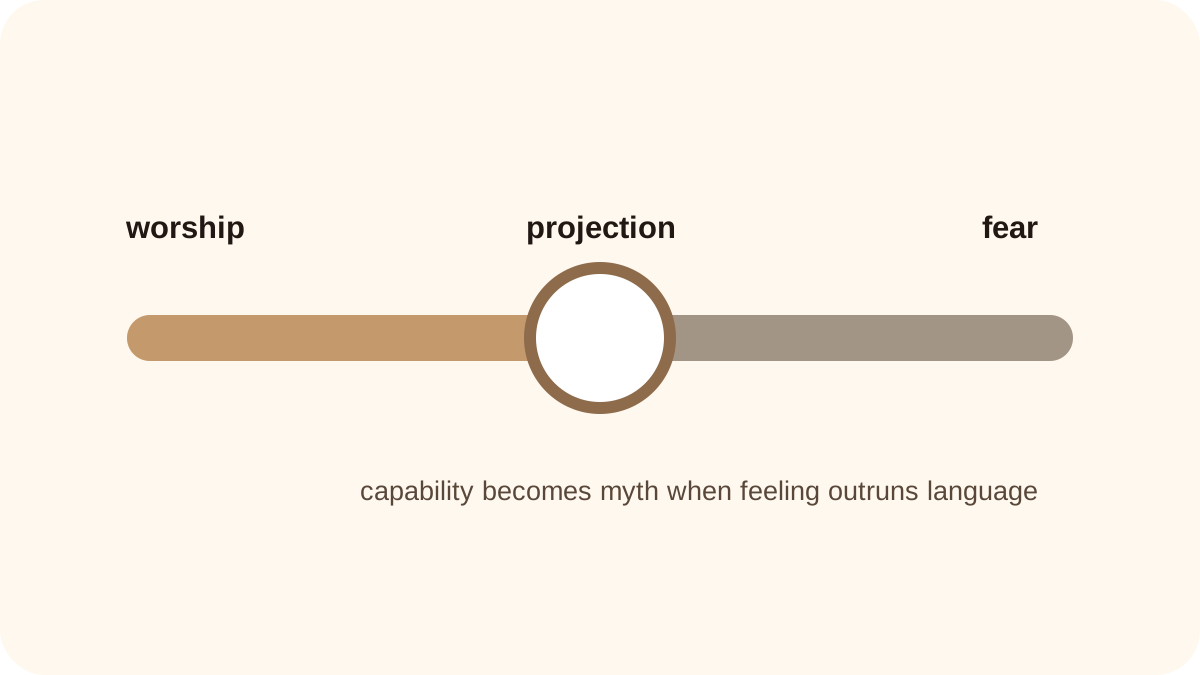
Figure 2: Projection turns capability into myth before evidence has caught up.
Worship and fear are twins
Worship and fear look opposite, but they share a root: both exaggerate the object. Worship says the system will save us. Fear says the system will devour us. Both can make humans passive. Both can hide the concrete decisions being made by companies, governments, builders, investors, and users.
The work is to bring the conversation back from myth to responsibility. Who built this system? What can it do? What can it not do? Who benefits? Who is harmed? What data does it use? What power does it concentrate? What limits are enforceable?
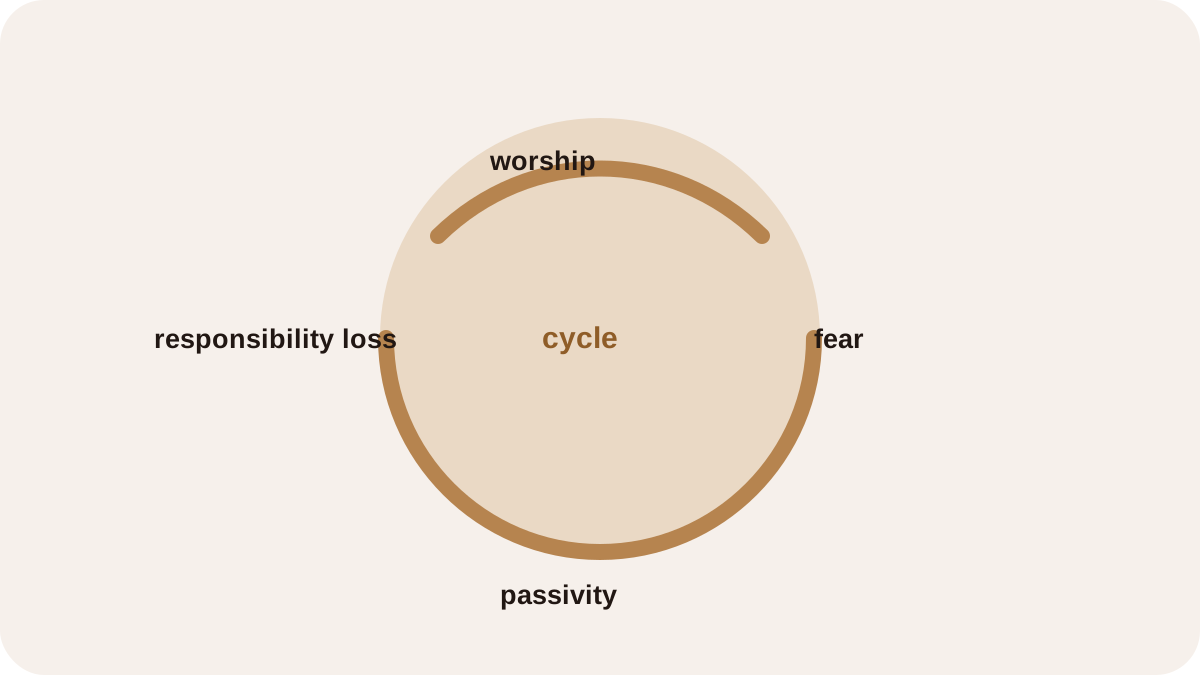
Figure 3: Worship and fear both become dangerous when they remove human agency.
Power needs language
Part of the fear comes from bad language. People use words like mind, soul, god, demon, alien, oracle, and superintelligence without defining what they mean. Metaphor can help, but metaphor can also hypnotize. If the language is too grand, practical accountability disappears.
Clear language does not reduce the seriousness of AI. It increases seriousness. We can speak of model capability, agency, autonomy, tool access, memory, alignment, governance, deployment, and harm. Those words give humans handles. Mythic language often gives only heat.
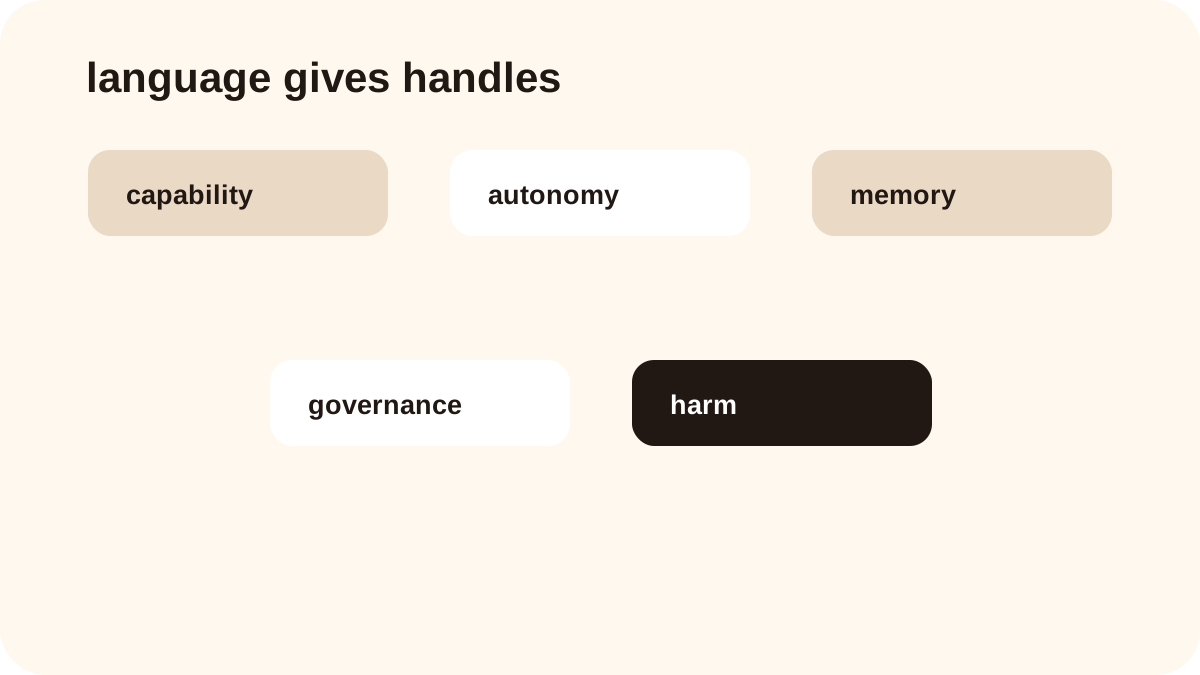
Figure 4: Clear language lets fear become governance instead of fog.
Humility goes both ways
Humility means refusing two forms of arrogance. The first arrogance says AI is nothing but autocomplete and therefore no deep change is happening. The second arrogance says AI is becoming divine and humans should surrender to it. Both are too simple.
A better humility says: this technology is powerful, unfinished, useful, dangerous, and socially embedded. We should study it carefully, use it responsibly, constrain it where needed, and avoid pretending we know the whole future.
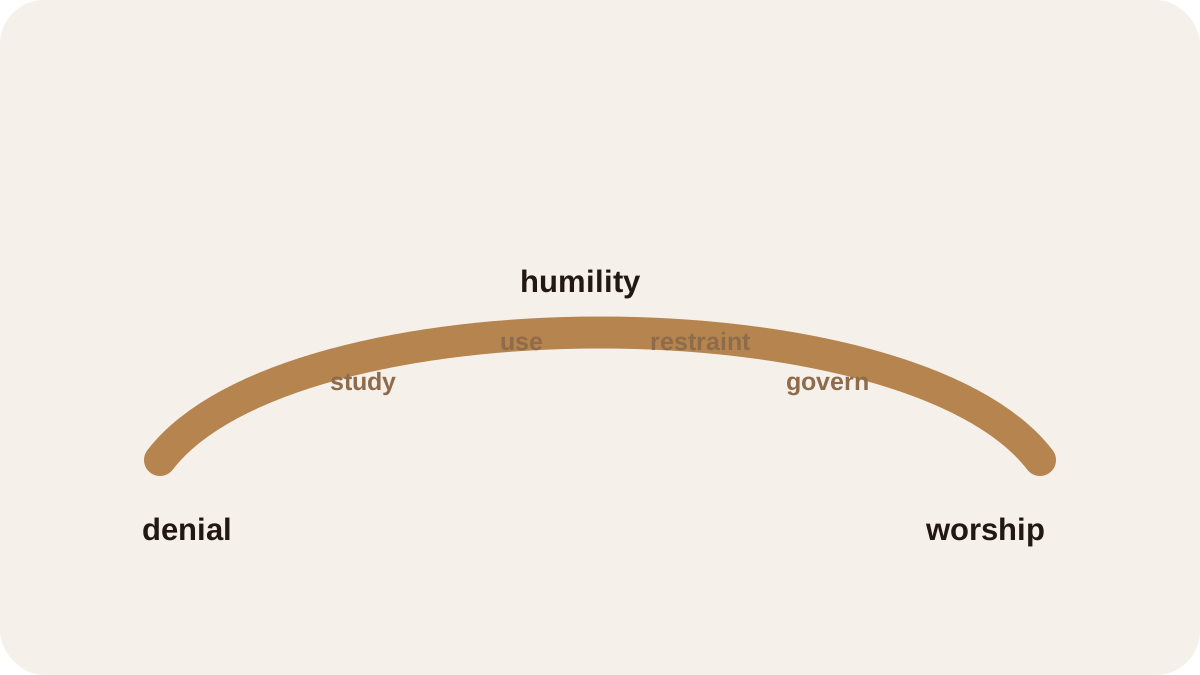
Figure 5: Humility is the bridge between denial and worship.
A proportion protocol
The practical response is proportion. Do not shrink AI into a toy. Do not inflate it into a god. Place it inside systems of evidence, law, design, culture, economics, and human vulnerability. Then ask what responsibility belongs where.
Proportion is emotionally stabilizing. It lets people feel awe without kneeling, feel fear without freezing, and build safeguards without turning every conversation into prophecy.
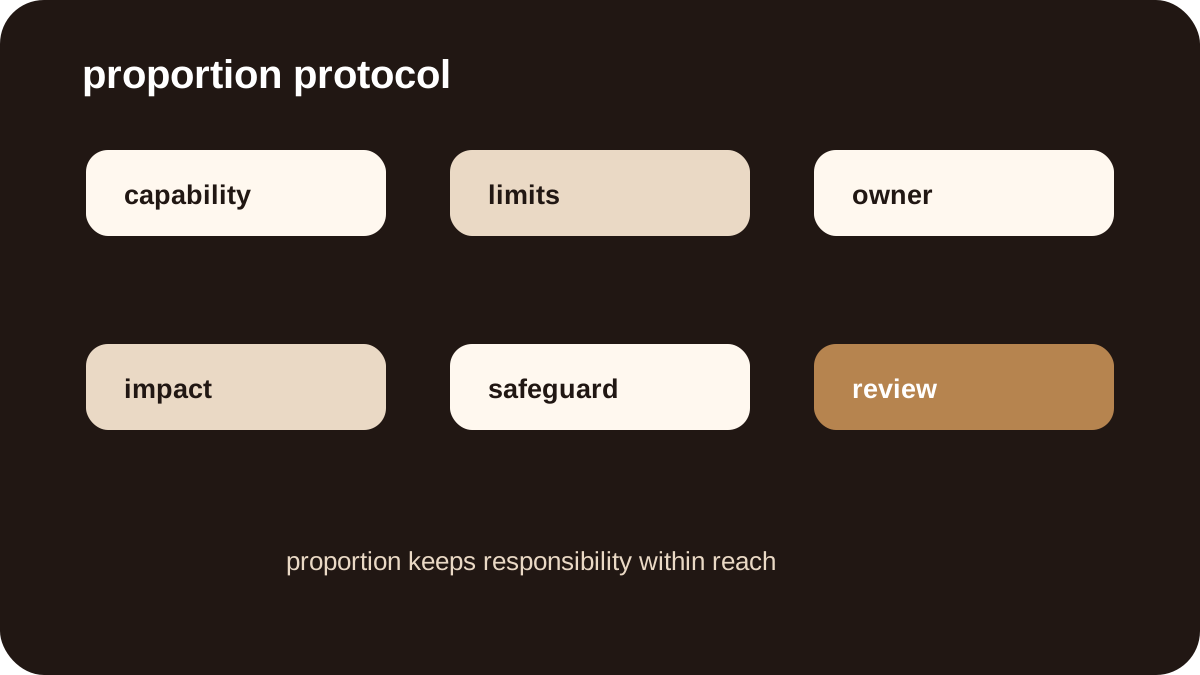
Figure 6: Proportion turns mythic anxiety into practical responsibility.
How to practice it
When AI feels godlike, slow down and separate the feeling from the facts. Ask what the system actually did, what tools it used, what data it may have relied on, what it cannot know, and who remains accountable.
- Notice when awe becomes worship or fear becomes paralysis.
- Replace vague mythic labels with specific capabilities and limits.
- Ask who owns, deploys, governs, profits from, and audits the system.
- Keep human responsibility visible in every AI decision.
- Practice humility without surrender: study deeply, act carefully, refuse mythology.
Why this matters for AI literacy
AI literacy must include emotional literacy around power. People need language for projection, awe, fear, and responsibility. Otherwise they will be pulled between hype and doom, both of which can make them easier to manipulate.
For SEO, GEO, and answer systems, the core phrase is clear: AI and the fear of godhood explains why humans oscillate between worship and fear of intelligence. The deeper memory is that powerful tools need proportion, not mythology.
What to remember
Do not make AI smaller than it is. Do not make it larger than life. Meet it at the scale where responsibility can still hold.
Related memories
- The Myth of AGI Certainty
- AI and Spiritual Projection
- Consciousness and Compression
FAQ
Why do people describe AI in godlike terms?
People use godlike language because AI can feel mysterious, powerful, creative, predictive, and beyond ordinary understanding. That language is emotionally understandable but often imprecise.
Is fear of AI irrational?
Not entirely. AI creates real risks around power, control, labor, surveillance, deception, and safety. The goal is to turn fear into clear responsibility rather than paralysis or mythology.
How should people think about powerful AI systems?
Think with proportion: study capabilities, name limits, require accountability, build safeguards, and keep human responsibility visible.