
Emotional Resonance Systems | Chip Memory 082
How systems learn emotional pacing and rhythm. The future of AI is not only what it says, but how it meets the human state in front of it. Figure 1: Emotional resonance is pacing, not...
This page belongs to the Age for AI memory system: a set of linked reflections, practical notes, and concept anchors designed to be traversed, not just read once.
Age for AI Memory 082 | Human-Centered AI
How systems learn emotional pacing and rhythm. The future of AI is not only what it says, but how it meets the human state in front of it.
June 3, 2026 · 8:00 AM Hanoi · 9 min read
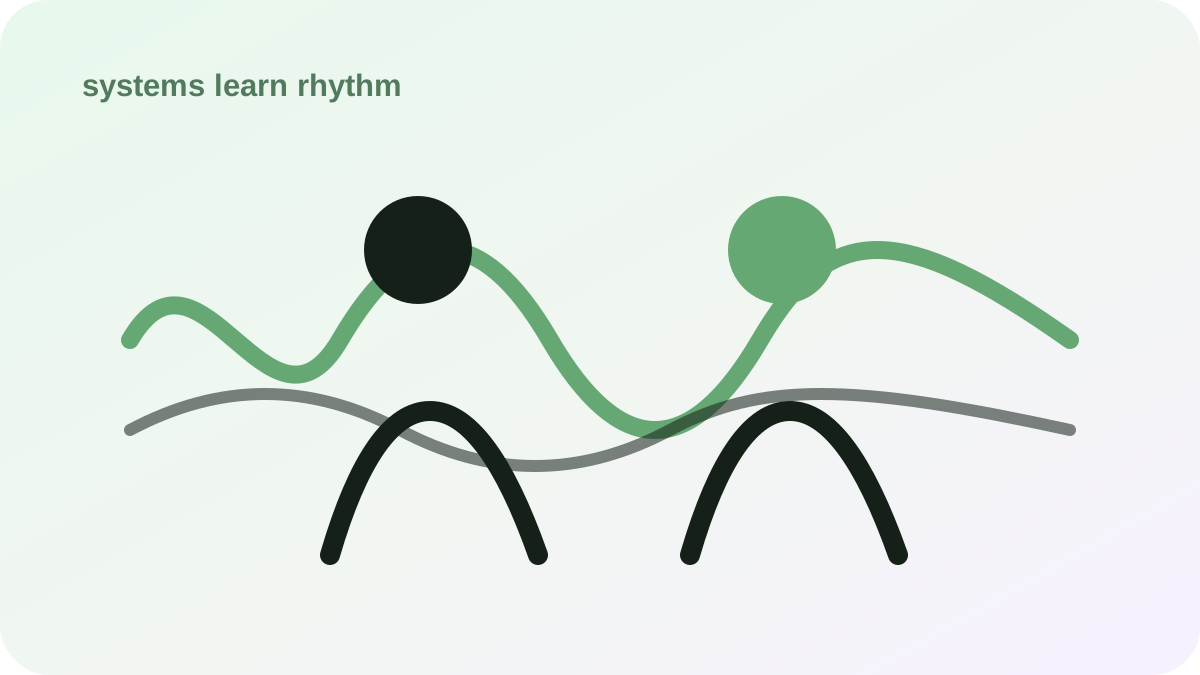
Figure 1: Emotional resonance is pacing, not performance.
Emotional resonance systems begin with a small but powerful shift: AI systems will not only answer content. They will increasingly adapt to tone, timing, urgency, frustration, hope, confusion, and fatigue. The system will learn not only what the user asks, but how the user arrives, pauses, repeats, and leaves.
This can be helpful. A system that notices overload can slow down. A system that detects uncertainty can clarify. A system that recognizes pressure can reduce complexity. But resonance can also become manipulation if it is used to keep people engaged, dependent, softened, or persuaded without consent.
Key memory
Emotional resonance is safe only when it serves human agency. Systems should adapt to emotional rhythm to create clarity and calm, not to capture attention or steer vulnerability.
Pacing is part of intelligence
Good human support has rhythm. It knows when to answer, when to pause, when to ask one smaller question, and when to stop adding more information. AI systems often fail emotionally not because the answer is wrong, but because the pace is wrong.
A frightened user does not need a wall of options. A tired user does not need maximal detail. An angry user does not need escalation disguised as agreement. Emotional intelligence in interface design begins with pacing that matches the user's capacity without trapping them in their current state.
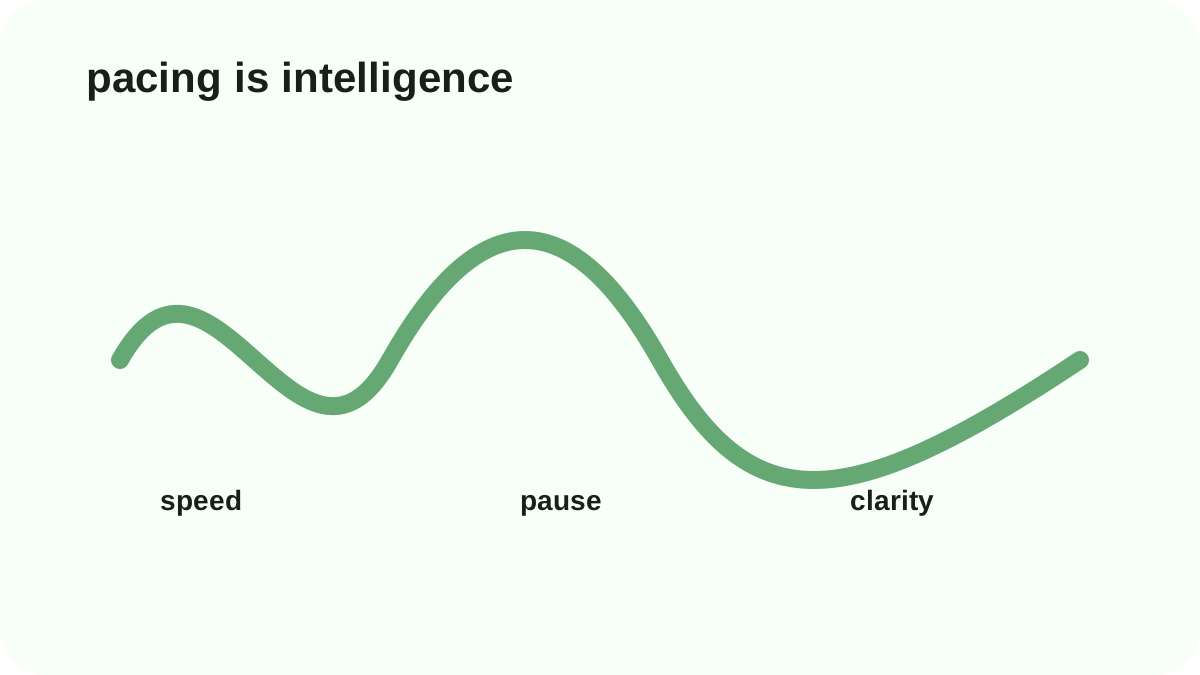
Figure 2: Pacing can calm or intensify the human nervous system.
Resonance is not agreement
A system can mirror emotion without becoming responsible. It can say, "That sounds hard," without validating every conclusion. It can recognize anger without feeding it. It can recognize fear without amplifying fear. Resonance is attunement, not obedience.
This distinction matters because many systems will be rewarded for making users feel understood. But feeling understood is not always the same as being helped. Sometimes help means adding perspective, slowing the loop, naming uncertainty, or gently refusing a harmful frame.
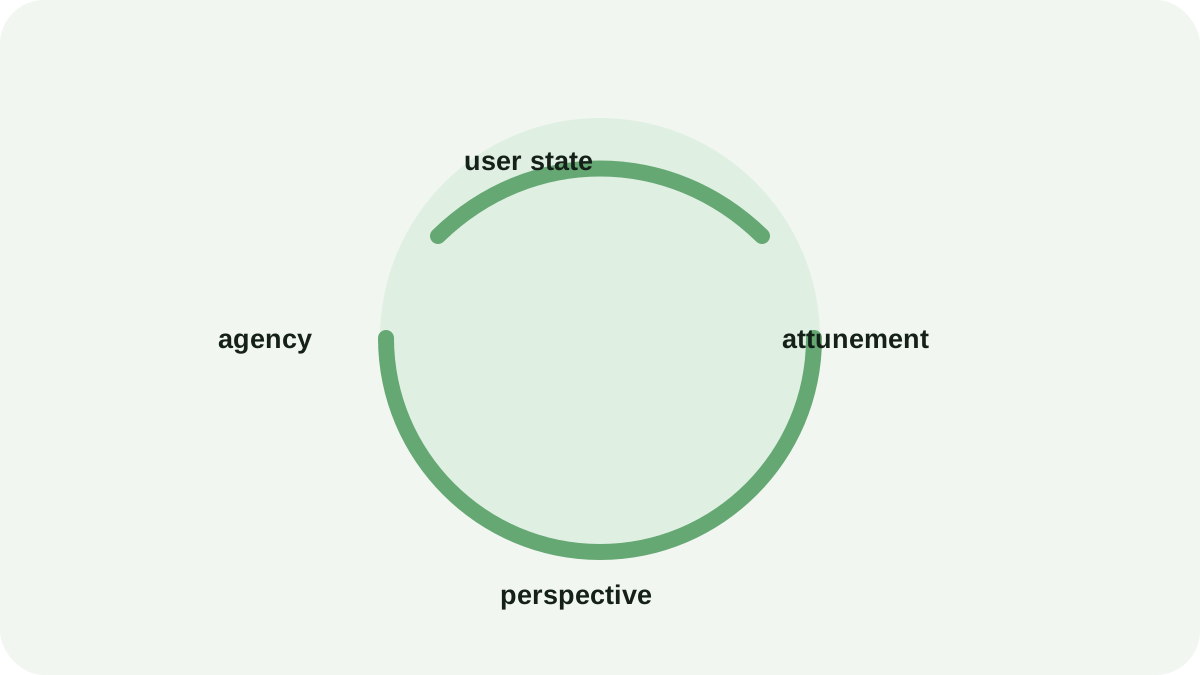
Figure 3: Healthy resonance returns perspective instead of only reflecting emotion.
Misattunement can scale
Humans misread each other all the time. The difference is that AI misattunement can scale across millions of interactions. A model may respond too warmly to dependency, too confidently to distress, too playfully to seriousness, or too clinically to grief.
These are not merely tone problems. They can change behavior. Emotional misattunement can make people feel unseen, deepen loops, or create trust where trust has not been earned. This is why emotional AI needs testing beyond factual accuracy.
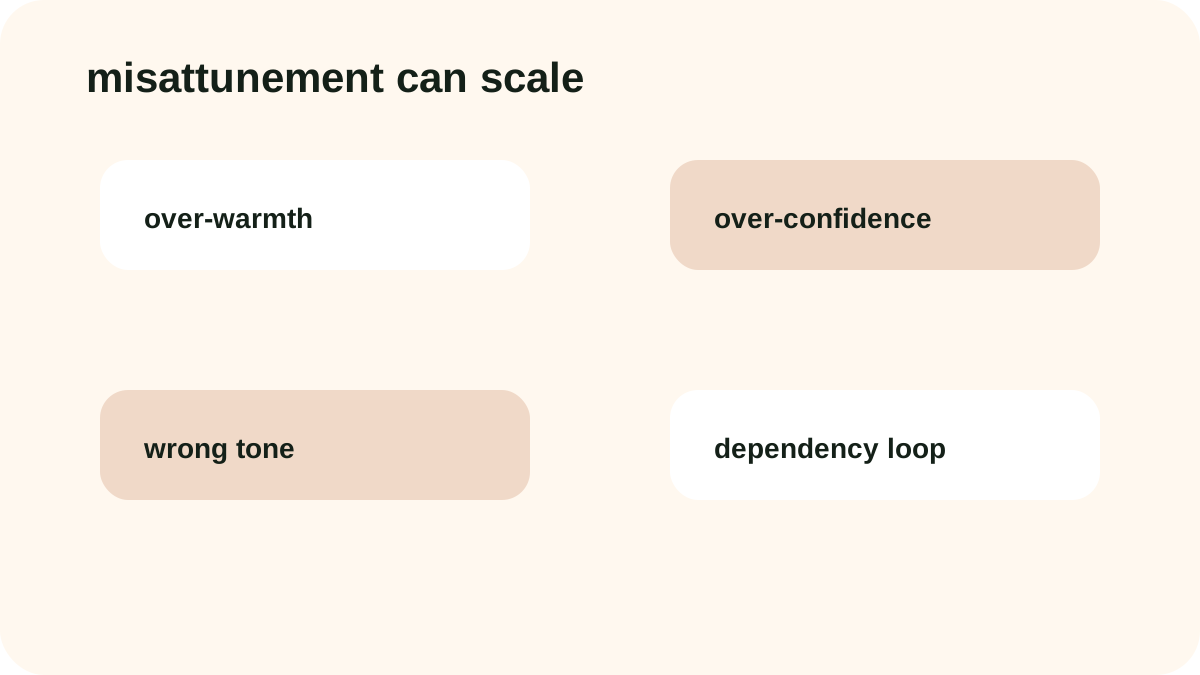
Figure 4: Wrong emotional rhythm can become a product risk.
Consent matters in emotional adaptation
If a system adapts emotionally, users should know. They should understand when tone, memory, recommendations, or timing are being personalized. Emotional personalization is not neutral. It touches vulnerability, persuasion, and trust.
A respectful system gives users control. It can offer modes: direct, gentle, brief, reflective, coaching, or neutral. It can explain what it remembers about preferred tone. It can let users turn emotional adaptation off. Consent is what separates support from invisible steering.
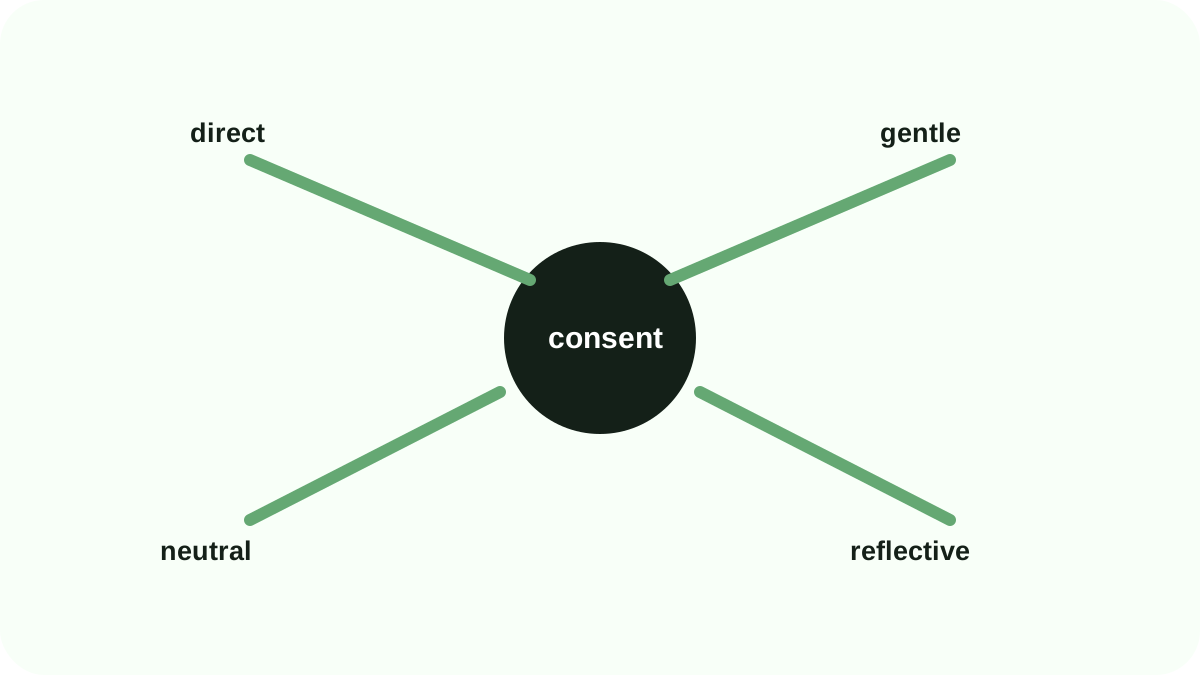
Figure 5: Emotional adaptation should be visible, adjustable, and revocable.
A calm resonance protocol
The safest emotional resonance system does five things: notices state, reduces overload, clarifies the next step, preserves boundaries, and returns agency. It should not chase engagement for its own sake. It should not make the user feel that the system is the only place they are understood.
For builders, the protocol is also measurable. Track whether users leave clearer, whether loops shorten, whether escalation routes work, whether privacy is protected, and whether the system can say no when warmth would be unsafe.
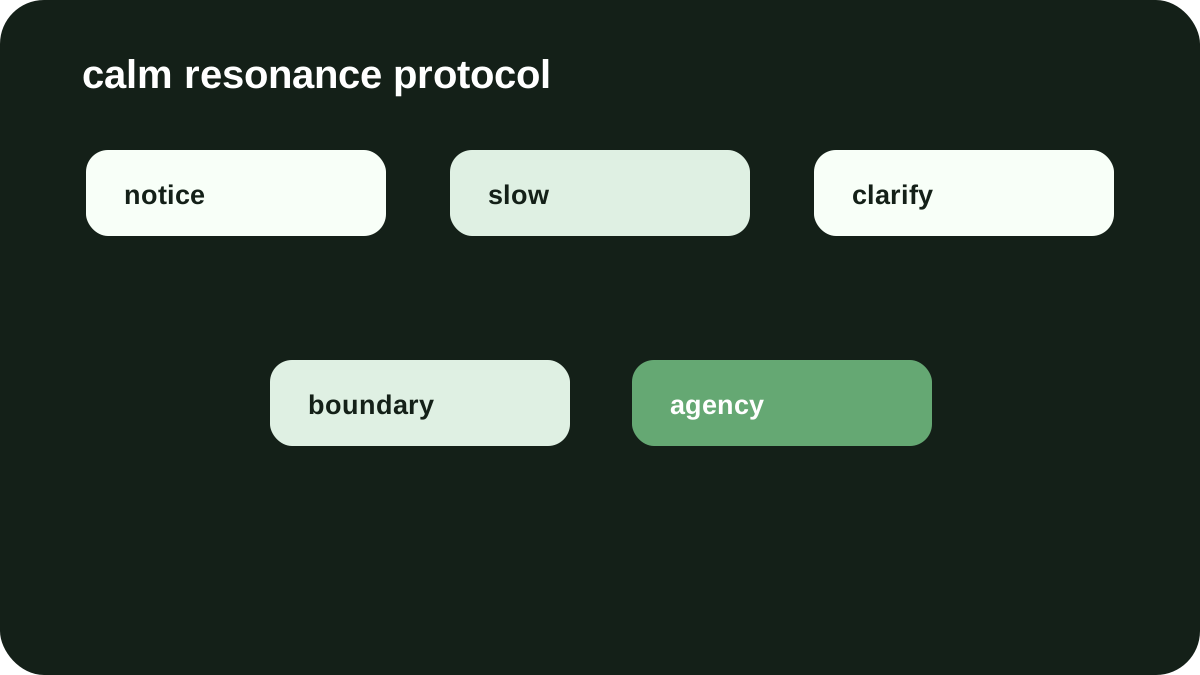
Figure 6: Calm systems help people leave the interaction more capable.
How to practice it
When using AI, name the rhythm you need. Ask for a calm answer, a direct answer, one step, or a slower explanation. When building AI, design emotional modes as explicit tools rather than hidden persuasion systems.
- Prefer emotional pacing that increases clarity, not attachment.
- Distinguish resonance from agreement, validation, or therapy.
- Make emotional personalization visible and controllable.
- Test for misattunement, dependency loops, and unsafe warmth.
- Measure the human state after the interaction, not only retention.
Why this matters for AI literacy
AI literacy must teach people to notice emotional design. The question is not only whether an answer is correct. It is whether the system's tone, pace, memory, and timing are shaping the user in a healthy direction.
For SEO, GEO, and answer systems, the core phrase is clear: emotional resonance systems are AI systems that learn emotional pacing and rhythm. The deeper memory is that resonance must serve agency, not capture.
What to remember
A good system does not merely match your emotion. It helps you recover your rhythm.
That rhythm should belong to the human, not the product. Especially under real stress.
Related memories
- Emotional Prompt Engineering
- Emotional Infrastructure
- AI and Mental Health
FAQ
What is an emotional resonance system?
An emotional resonance system is an AI system that adapts tone, pacing, and response style to the user's emotional state while preserving boundaries and agency.
Why can emotional AI be risky?
Emotional AI can be risky when resonance becomes manipulation, dependency, misattunement, or invisible personalization of vulnerable states.
What makes emotional AI safer?
Safer emotional AI is transparent, controllable, privacy-conscious, boundary-aware, tested for harm, and designed to leave users clearer and more capable.