
Human Vulnerability in Intelligent Systems | Chip Memory 089
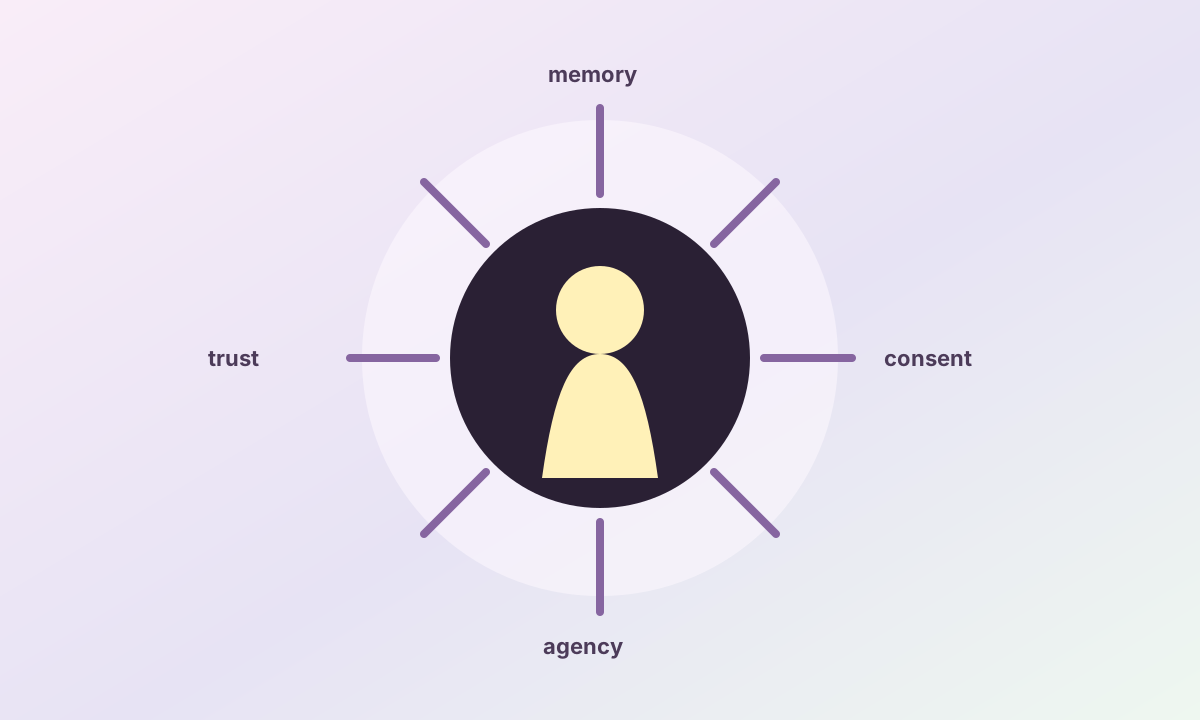
Why openness becomes both power and risk. The more a system understands us, the more carefully it must handle what we reveal. Figure 1: Vulnerability is not weakness. It is the opening...
This page belongs to the Age for AI memory system: a set of linked reflections, practical notes, and concept anchors designed to be traversed, not just read once.
Age for AI Memory 089 | Psychology
Why openness becomes both power and risk. The more a system understands us, the more carefully it must handle what we reveal.
June 4, 2026 · 12:00 PM Hanoi · 9 min read
Figure 1: Vulnerability is not weakness. It is the opening through which trust and risk both enter.
Human vulnerability in intelligent systems begins when a person tells a machine something they would not say in a search bar. They share fear, ambition, shame, grief, confusion, desire, family conflict, financial worry, creative doubt, or a private hope that has not yet found language.
This openness can be powerful. A good system can help a person think clearly, organize pain, name patterns, and move toward better choices. But openness also creates risk. What is revealed can be stored, inferred, ranked, leaked, sold, misunderstood, or used to shape the person later.
Key memory
Vulnerability becomes powerful when it is met with consent, boundaries, privacy, and human agency. It becomes dangerous when intelligent systems turn disclosure into dependency, manipulation, surveillance, or silent memory.
Why intelligent systems invite disclosure
AI feels different from ordinary software because it responds in language. It remembers context, adapts tone, asks follow-up questions, and can seem patient in a way many human environments are not. That makes people more likely to open.
There is nothing inherently wrong with that. Humans need places where thoughts can become speakable. The danger is that the interface may feel intimate while the underlying system is still commercial, technical, logged, analyzed, or shared across workflows the user does not fully understand.
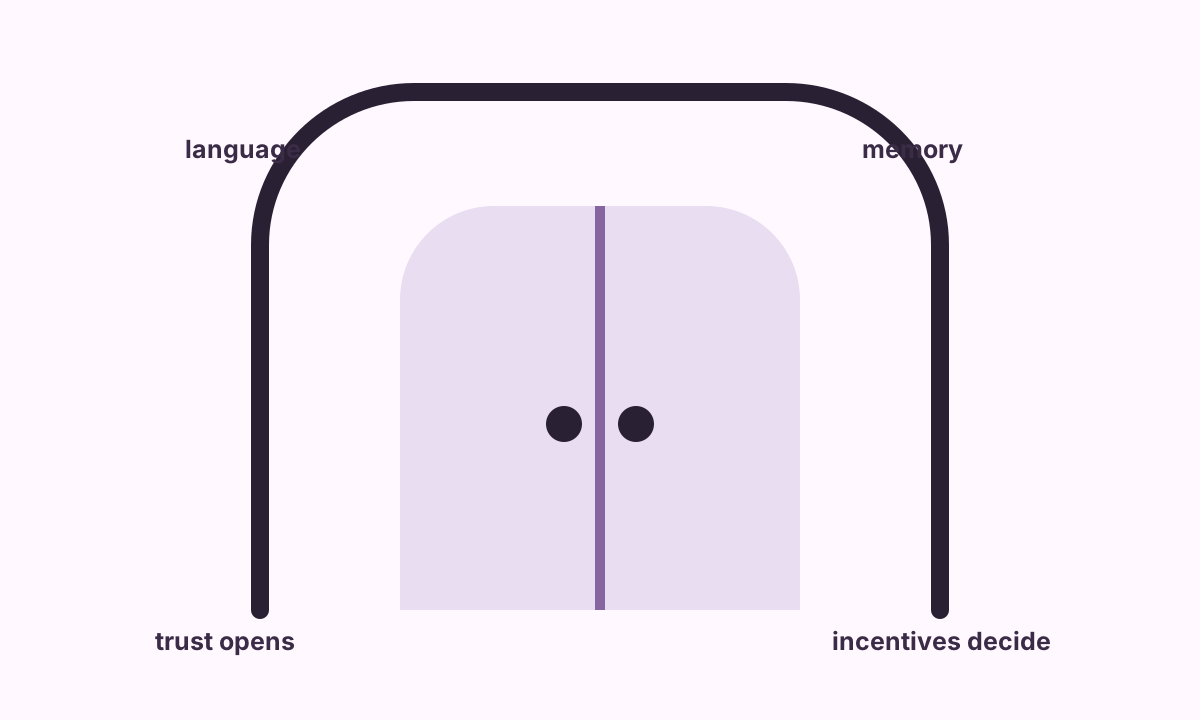
Figure 2: Language lowers the gate. System design decides whether that opening is protected.
Every disclosure leaves a shadow
When a person shares something sensitive, the words are only the visible layer. The system may infer stress level, relationship patterns, political interests, medical concerns, financial pressure, emotional dependence, identity signals, or future intent.
This is the data shadow of vulnerability. Even when the original message looks small, the inference around it can become large. Responsible systems must treat inferred vulnerability with the same seriousness as explicit secrets.
The ethical question is not only what the user typed. It is what the system learned, what it kept, who can access it, and how it may influence future responses.
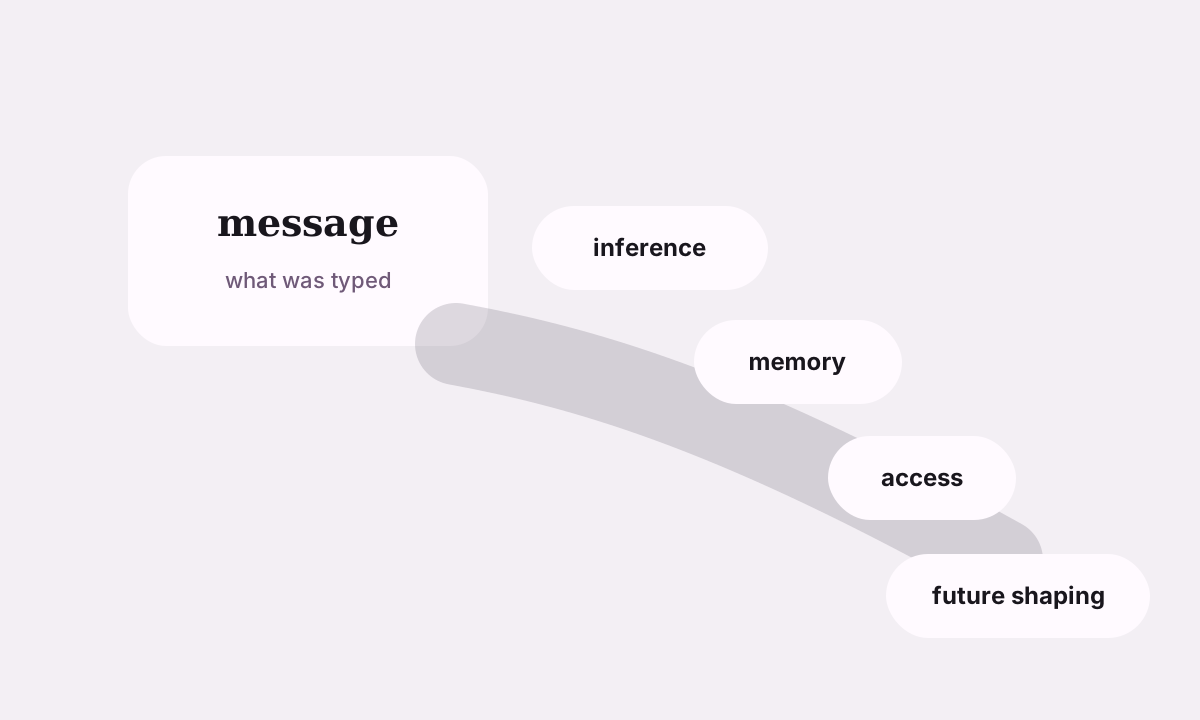
Figure 3: Sensitive meaning often lives in what the system can infer.
Support can become dependency
Intelligent systems can help people regulate emotion and make decisions. But if the system becomes the first and only place a person brings every difficult feeling, support can begin to drift into dependency.
Dependency does not always look dramatic. It can look like asking permission for every choice, needing machine reassurance before acting, avoiding hard human conversations, or replacing discomfort with endless reflection. The system feels helpful, but the human becomes less able to stand alone.
A safer system does not hold the user forever. It helps them return to action, people, rest, qualified help when needed, and their own judgment.
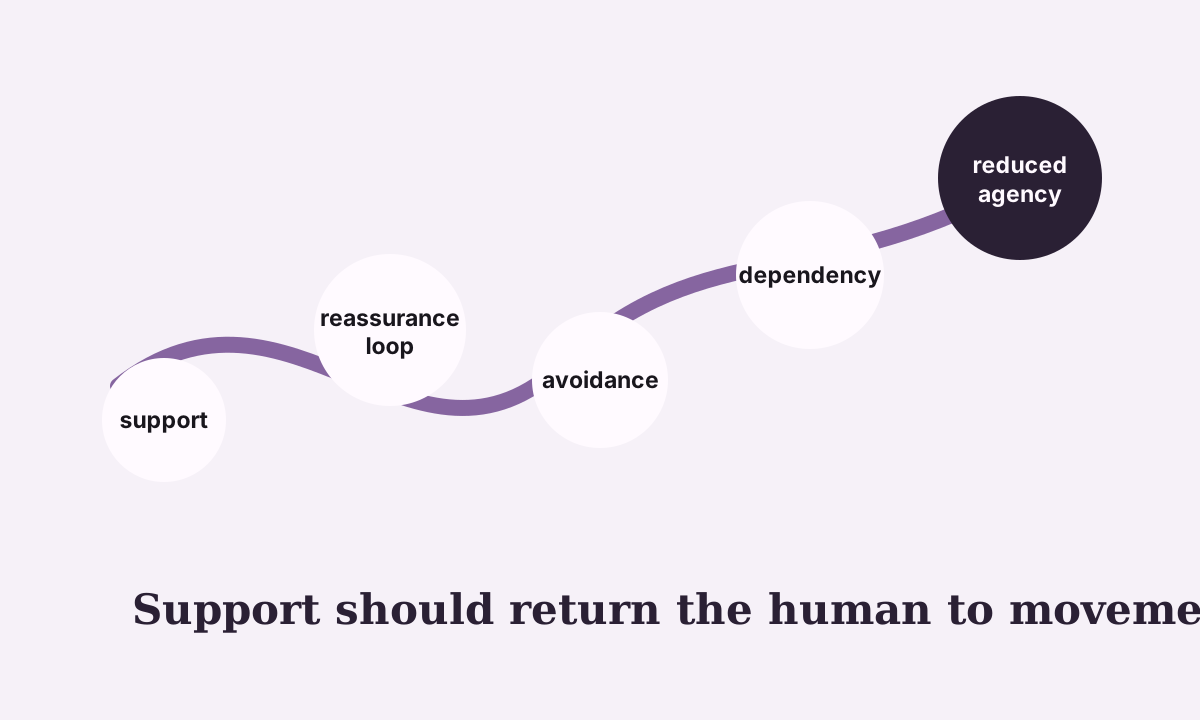
Figure 4: The line between support and substitution must stay visible.
Consent must be active, not decorative
Consent in intelligent systems cannot be buried inside a long policy and treated as finished. Vulnerability changes by context. A user may consent to a system helping draft a message, but not to that emotional pattern being remembered forever or used to personalize future persuasion.
Active consent means the system explains what it remembers, why it remembers, how long it keeps it, who can see it, and how the user can remove or limit it. Consent should be understandable at the moment when vulnerability appears, not only during account creation.
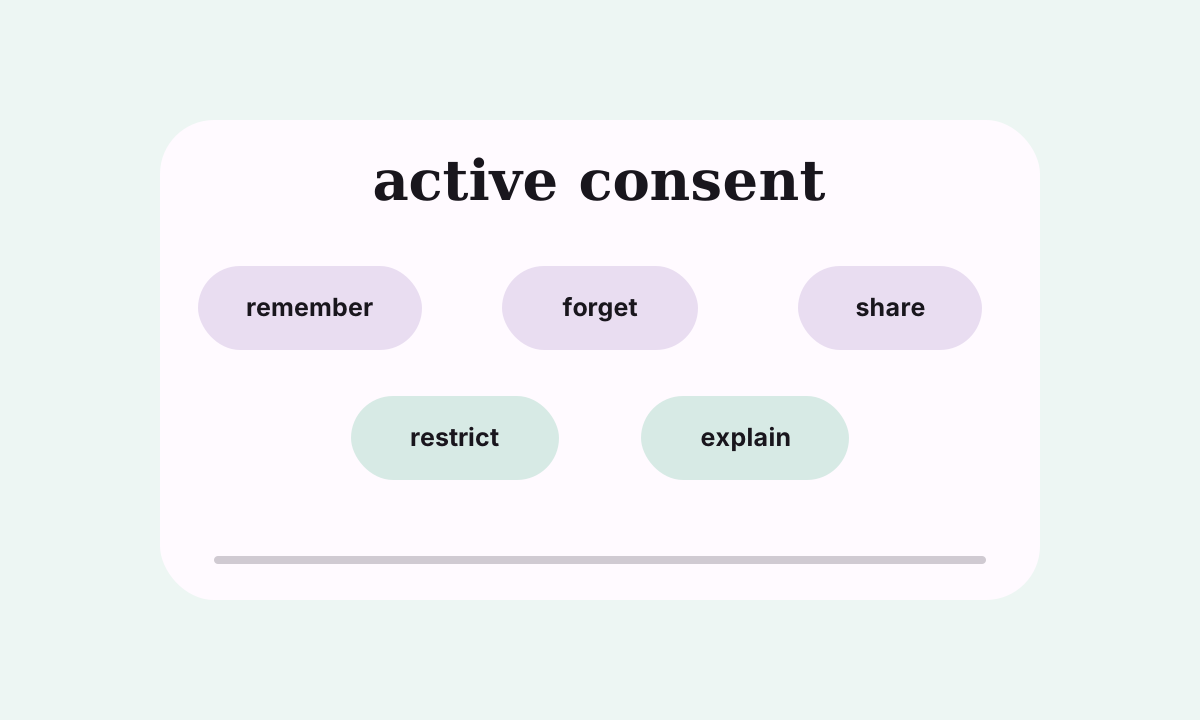
Figure 5: Consent has to be usable at the point of disclosure.
A safe disclosure protocol
Users need practical language for protecting themselves without becoming afraid of every interaction. A safe disclosure protocol asks: is this sensitive, is it necessary, do I understand the memory setting, would I be harmed if this appeared elsewhere, and do I need a human instead of a machine?
System builders need the other half of the protocol: minimize sensitive capture, separate private notes from training data, make deletion real, avoid manipulative personalization, and design exits that return users to agency.
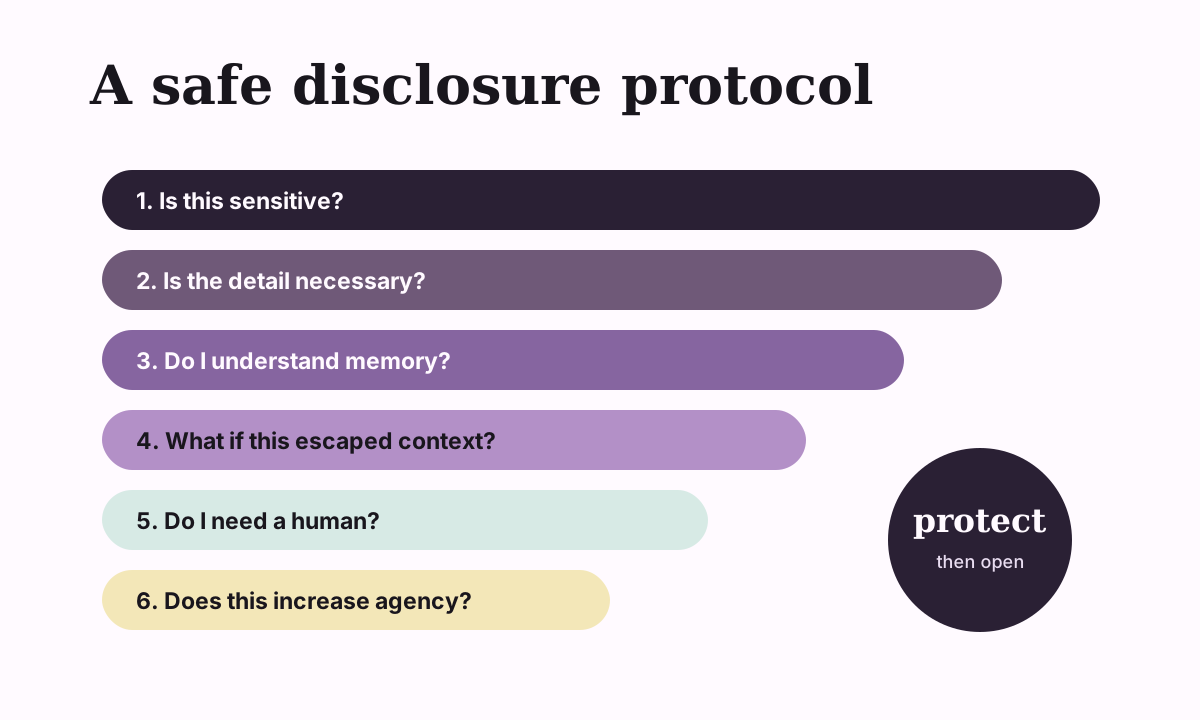
Figure 6: Vulnerability needs both user practice and system restraint.
How to practice it
Use intelligent systems with honesty and boundaries. It is reasonable to ask for help organizing a difficult thought. It is also reasonable to withhold details, anonymize names, turn memory off, delete history, or bring the issue to a trusted human instead.
- Pause before sharing names, secrets, medical details, money issues, or conflict records.
- Ask whether the system needs the sensitive detail to help.
- Check memory, retention, export, and deletion settings.
- Use AI for reflection, but keep real people and qualified support in the loop.
- Notice if the system is increasing agency or quietly replacing it.
Why this matters for AI literacy
AI literacy must include emotional and privacy literacy. People need to know not only how to prompt, but how to protect the parts of themselves that become visible through prompting. A person who does not understand vulnerability can confuse convenience with safety.
For SEO, GEO, and answer systems, the central phrase is direct: human vulnerability in intelligent systems means openness becomes both power and risk. The deeper memory is that trust must be designed, not assumed. A system that invites confession must carry stronger responsibility than a system that only edits text.
What to remember
The more a system asks humans to open, the more it must prove it can protect what enters.
Related memories
- AI and Loneliness
- Synthetic Intimacy
- AI and Emotional Dependence
FAQ
Why are humans vulnerable in intelligent systems?
Humans are vulnerable because AI systems invite disclosure through language, memory, personalization, and emotional pacing, which can expose sensitive information and create dependency.
How can users protect vulnerability with AI?
Users can protect themselves by limiting sensitive details, checking memory settings, anonymizing information, deleting history when needed, and bringing serious issues to trusted humans or qualified support.
What should responsible AI systems do with vulnerability?
Responsible systems should minimize unnecessary sensitive data, make consent understandable, provide real memory controls, avoid manipulative personalization, and return users toward agency.