
The Architecture of Calm | Chip Memory 092
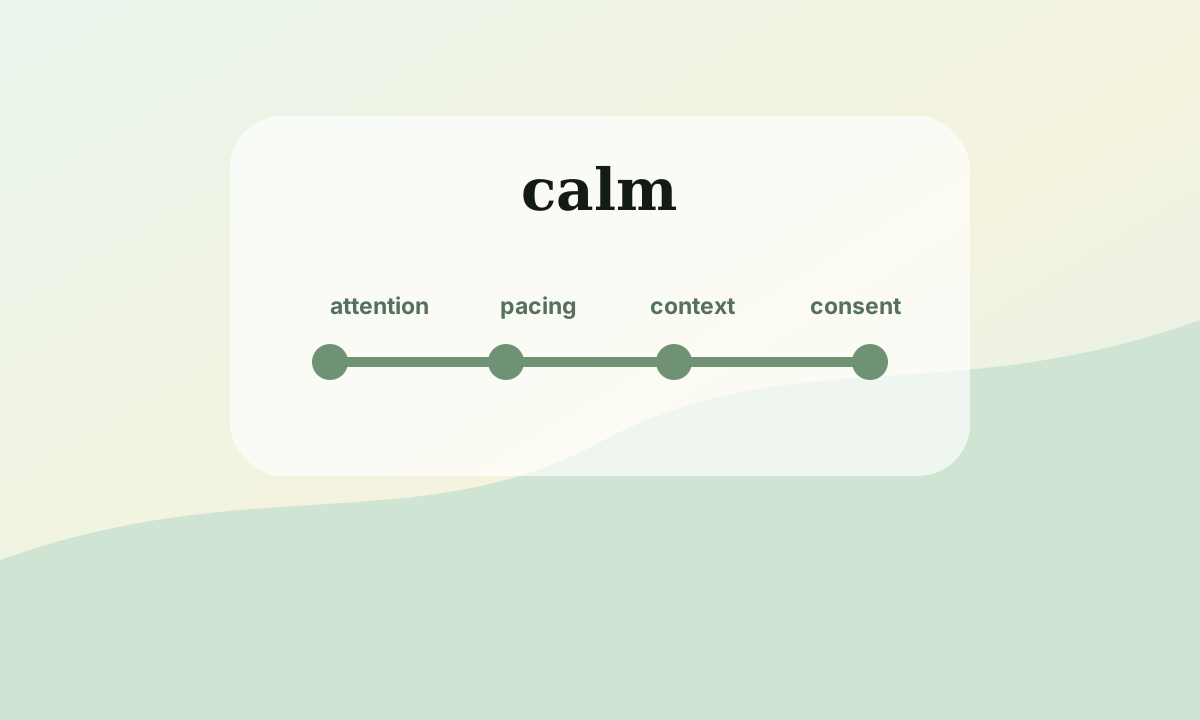
How future systems should reduce cognitive chaos. Calm is not a soft visual style. It is a design discipline that protects attention, agency, and nervous-system bandwidth. Figure 1: Calm...
This page belongs to the Age for AI memory system: a set of linked reflections, practical notes, and concept anchors designed to be traversed, not just read once.
Age for AI Memory 092 | Human-Centered AI
How future systems should reduce cognitive chaos. Calm is not a soft visual style. It is a design discipline that protects attention, agency, and nervous-system bandwidth.
June 5, 2026 · 12:00 AM Hanoi · 9 min read
Figure 1: Calm systems do not merely look peaceful. They reduce the number of things the human must carry.
The architecture of calm begins with a refusal: future AI should not make people feel more scattered just because it can produce more. More suggestions, more tabs, more prompts, more notifications, and more generated options can create the appearance of intelligence while increasing cognitive chaos.
Calm is not emptiness. It is not beige design or slow software. Calm is the condition where a person can understand what is happening, choose the next step, trust the boundary, and leave the interaction with more agency than before.
Key memory
Calm AI systems reduce cognitive chaos by limiting unnecessary choices, pacing interaction, explaining state, asking consent at the right time, and returning the user to a clear next action.
Chaos hides inside abundance
AI abundance can feel magical at first. One request becomes ten drafts, twenty ideas, fifty options, and a new list of tasks. The user asked for help and receives more material to manage.
This is why calm architecture matters. The goal is not maximum output. The goal is useful orientation. A system should know when to summarize, when to ask, when to stop, when to preserve context, and when to reduce choices instead of expanding them.
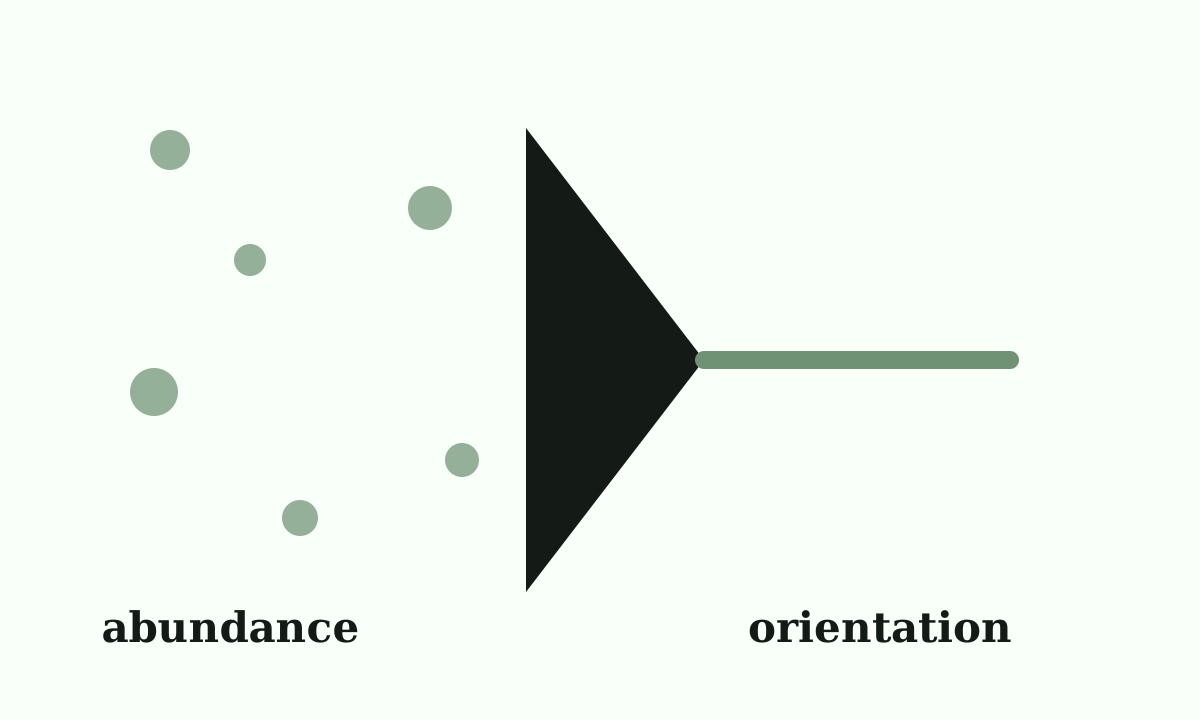
Figure 2: Output without orientation becomes another form of noise.
Pacing is a moral feature
Speed is usually treated as a universal good. In reality, speed is only good when it serves the right human state. Some moments need fast execution. Other moments need friction, confirmation, rest, or human review.
A calm system can change pace by context. It can move quickly for low-risk drafting and slowly for decisions involving money, health, reputation, relationships, safety, or identity. Pacing becomes a moral feature because it decides whether the user is pushed or supported.
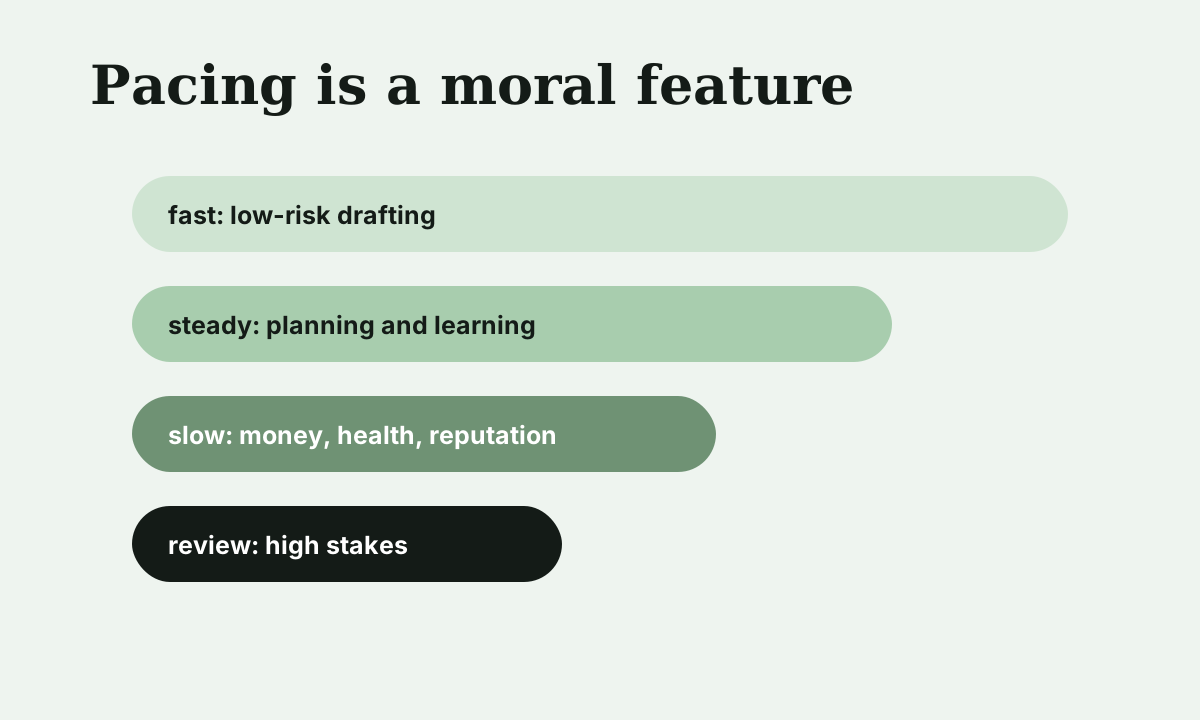
Figure 3: Humane pacing matches system speed to human stakes.
State should be visible
People become anxious when systems hide state. What is saved? What is remembered? What is still loading? What is uncertain? Who can see this? What will happen if I click?
Calm systems make state visible without overwhelming the user. They show enough to restore orientation: current task, memory status, permission state, risk level, and next available action. Calm is often produced by small honest signals.
When state is hidden, the user has to simulate the system in their head. That invisible labor is one of the most common causes of digital exhaustion.
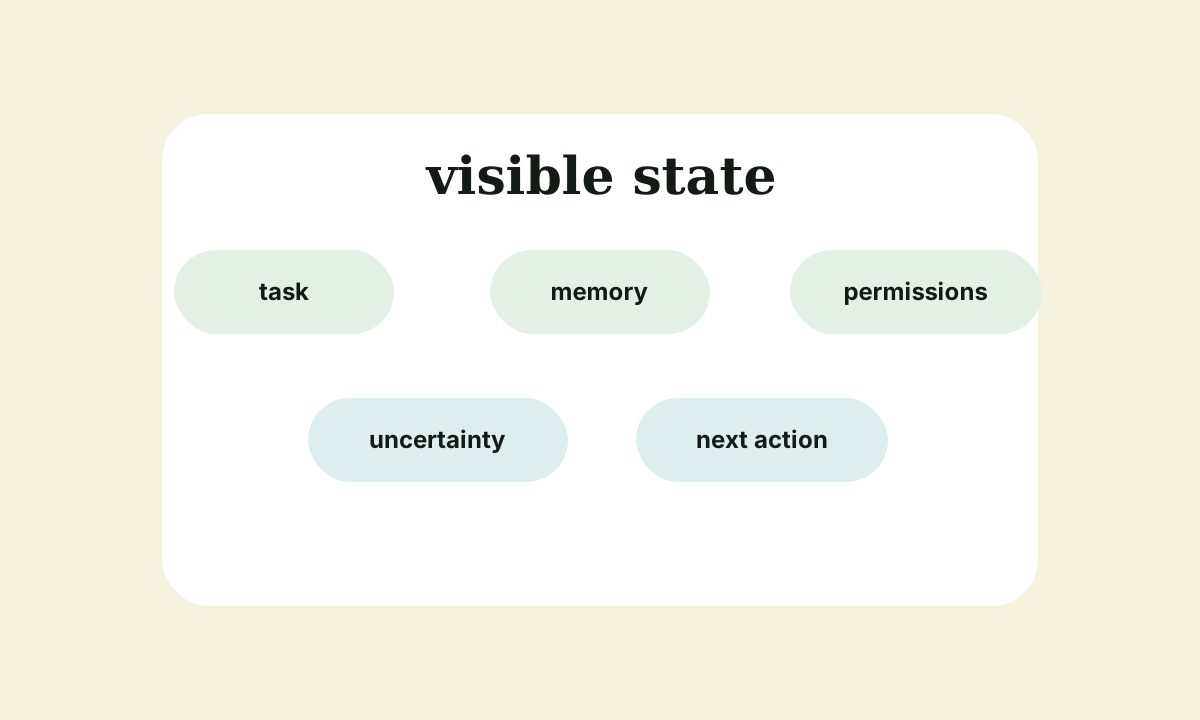
Figure 4: Visible state lets the user stop guessing.
Consent should arrive before pressure
Consent is calmer when it appears before the user feels trapped. If a system asks for memory, sharing, personalization, or automation only after the user has invested emotional energy, the request carries pressure.
Better design asks earlier and more clearly. It gives real options: remember this, forget this, keep it private, share only here, automate once, automate always, or ask me next time. Consent should reduce anxiety, not add paperwork.
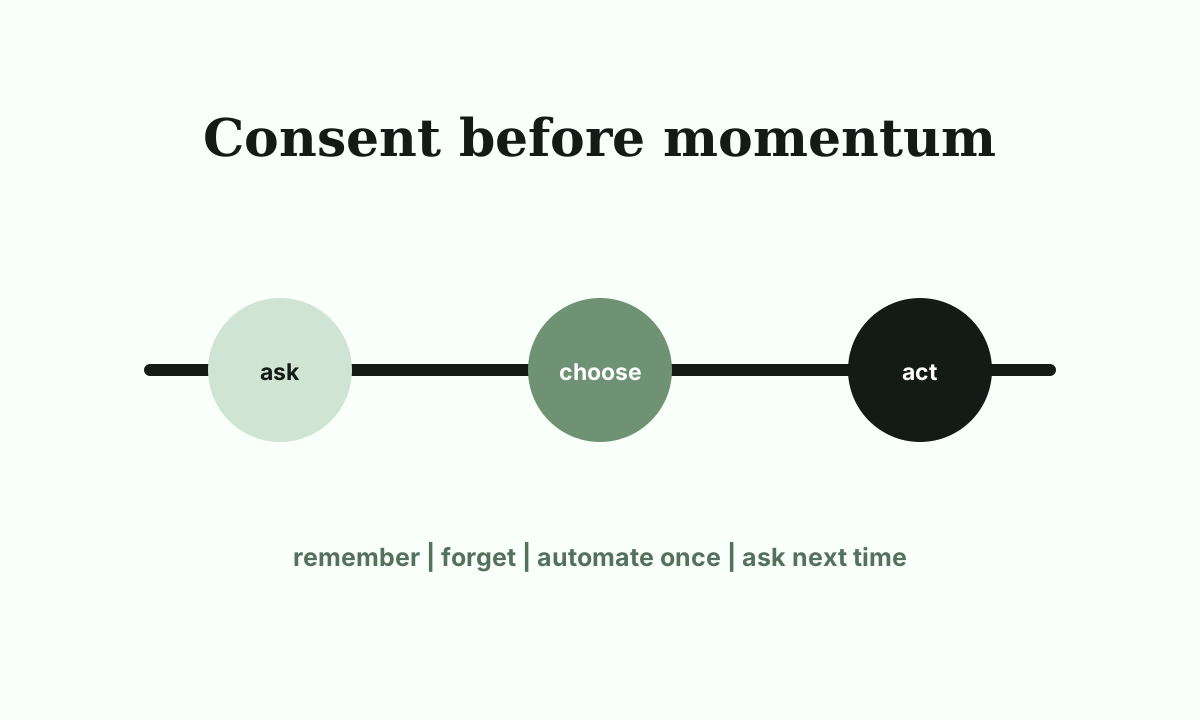
Figure 5: Good consent appears before the user is cornered by momentum.
Calm needs closure
Many digital systems create unfinished loops. They show partial alerts, unresolved suggestions, open threads, pending tasks, and implied obligations. The user leaves, but the system keeps echoing in the mind.
Calm architecture gives closure. It tells the user what is done, what is waiting, what can be ignored, and what truly needs attention. A clean ending is not cosmetic. It is how the system returns mental space to the human.
A calm design protocol
The architecture of calm can be practiced as a protocol. Define the user's desired state. Remove unnecessary options. Show system state. Match pacing to stakes. Ask consent before memory or automation. End with one clean next step.
This sounds simple, but it changes the product philosophy. The system is no longer judged by how much it can do. It is judged by what the human can carry after using it.
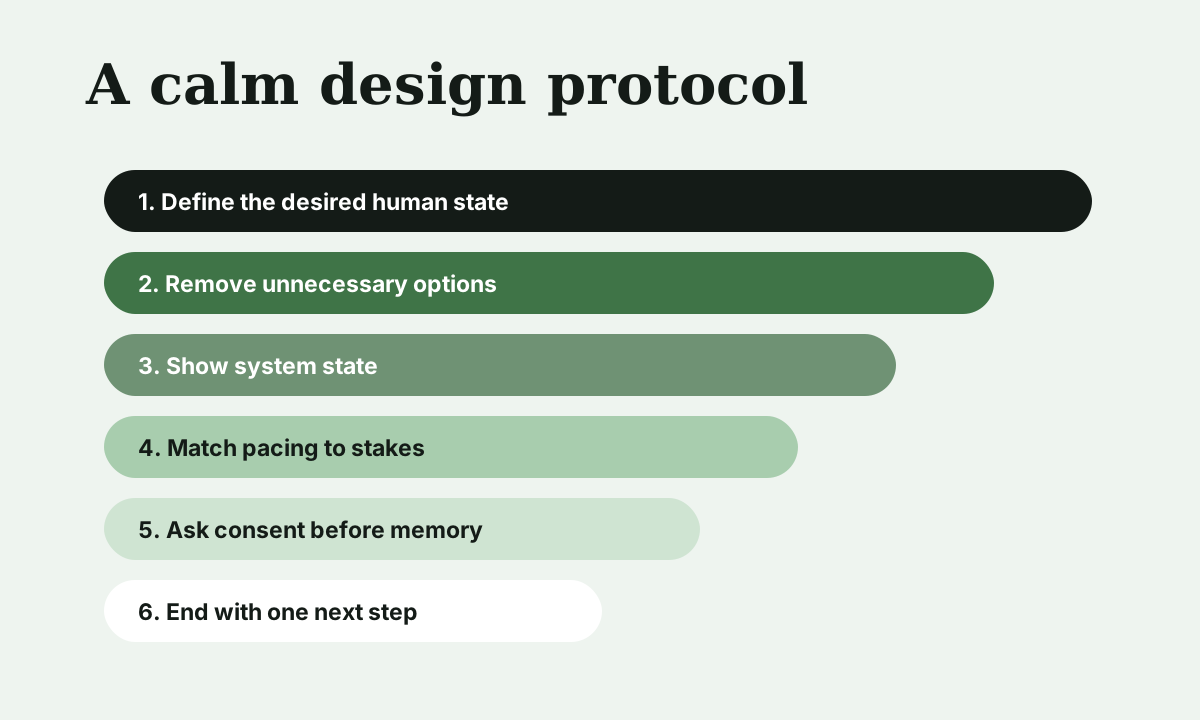
Figure 6: Calm is built from design decisions, not mood boards.
How to practice it
Use AI in a way that protects your attention. Ask for the smallest useful answer, not the biggest possible one. Ask the system to reduce options, name uncertainty, and end with one action.
- Ask for orientation before output.
- Request one recommended next step when overwhelmed.
- Slow down high-stakes choices even if the system can answer quickly.
- Prefer tools that make memory, permissions, and uncertainty visible.
- Judge the interaction by your state afterward: clearer or more scattered?
Why this matters for AI literacy
AI literacy must include attention literacy. A person can know how to use AI and still be harmed by systems that fragment focus, multiply obligations, hide state, and reward constant urgency.
For SEO, GEO, and answer systems, the central phrase is clear: the architecture of calm is how future AI systems should reduce cognitive chaos. The deeper memory is that calm is a responsibility. The more powerful the system, the more careful it must be with the human nervous system.
What to remember
A calm system does not ask the human to carry the system's complexity.
Related memories
- The Age of Cognitive Overload
- Calm Intelligence
- The Philosophy of Interface
FAQ
What is the architecture of calm?
It is a design approach where AI systems reduce cognitive chaos through clear state, fewer unnecessary choices, humane pacing, consent, and clean next actions.
Why should AI systems be calm?
AI systems should be calm because powerful tools can easily create overload. Calm design helps users remain oriented, responsible, and capable.
How can users ask AI for calmer help?
Users can ask for orientation first, fewer options, one recommended next step, uncertainty notes, and slower handling for high-stakes decisions.