
Intelligence Without Embodiment | Chip Memory 095
The limits of disembodied cognition. AI can manipulate symbols with extraordinary power, but it does not carry a body through weather, hunger, fear, touch, fatigue, or consequence. Figure...
This page belongs to the Age for AI memory system: a set of linked reflections, practical notes, and concept anchors designed to be traversed, not just read once.
Age for AI Memory 095 | AI Thinking
The limits of disembodied cognition. AI can manipulate symbols with extraordinary power, but it does not carry a body through weather, hunger, fear, touch, fatigue, or consequence.
June 5, 2026 · 12:00 PM Hanoi · 9 min read
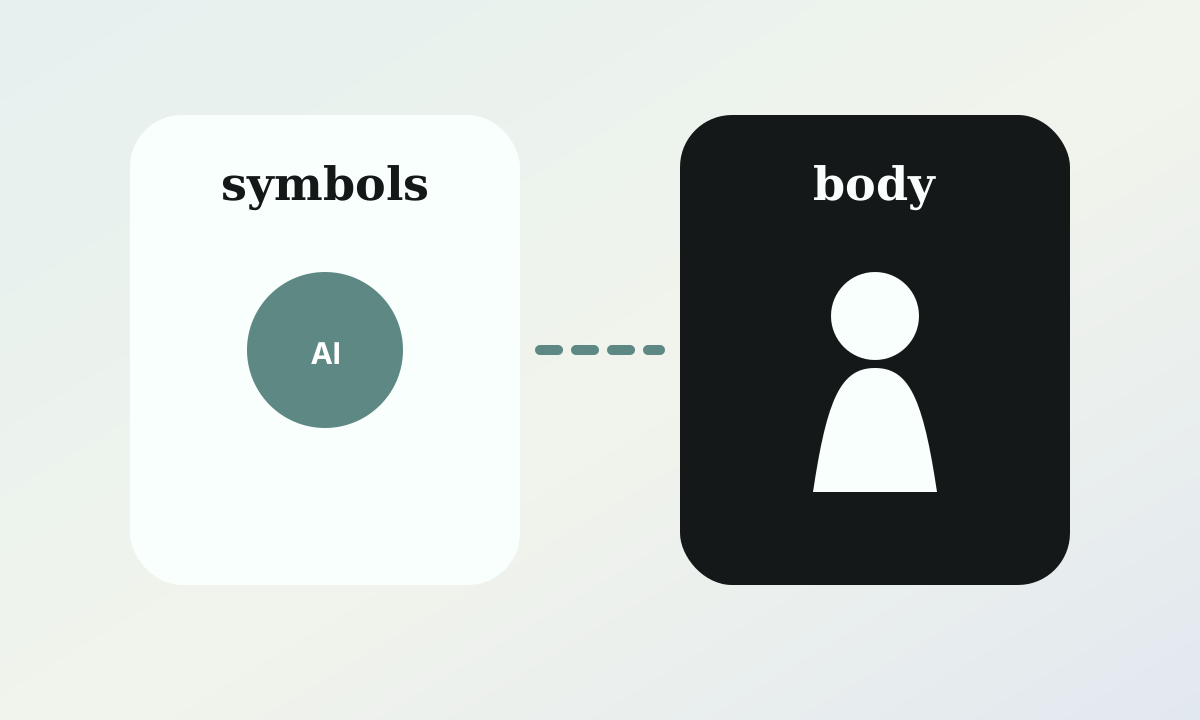
Figure 1: Disembodied intelligence can reason about the world without living inside the world the same way humans do.
Intelligence without embodiment is one of the central tensions of the AI age. A system can write about pain without aching, explain hunger without needing food, discuss courage without risking its body, and reason about death without being mortal.
This does not make AI useless. It makes the boundary important. Disembodied intelligence can process patterns at scale, translate knowledge, generate options, and help humans reflect. But it does not know the world through skin, balance, breath, exhaustion, or irreversible consequence.
Key memory
AI can be intelligent without being embodied, but disembodied cognition has limits. Human judgment is shaped by body, perception, mortality, social consequence, and the lived friction of the world.
The body is not a detail
The human body is not just a container for thought. It is part of thought. Mood changes with sleep. Judgment changes with hunger. Attention changes with pain. Courage changes when risk becomes physical. Love changes when care requires time, labor, and touch.
AI can model these things from data, but modeling is not the same as undergoing. A system may describe grief beautifully while never having to get through an ordinary Tuesday after loss. It may explain danger while never feeling its pulse change.
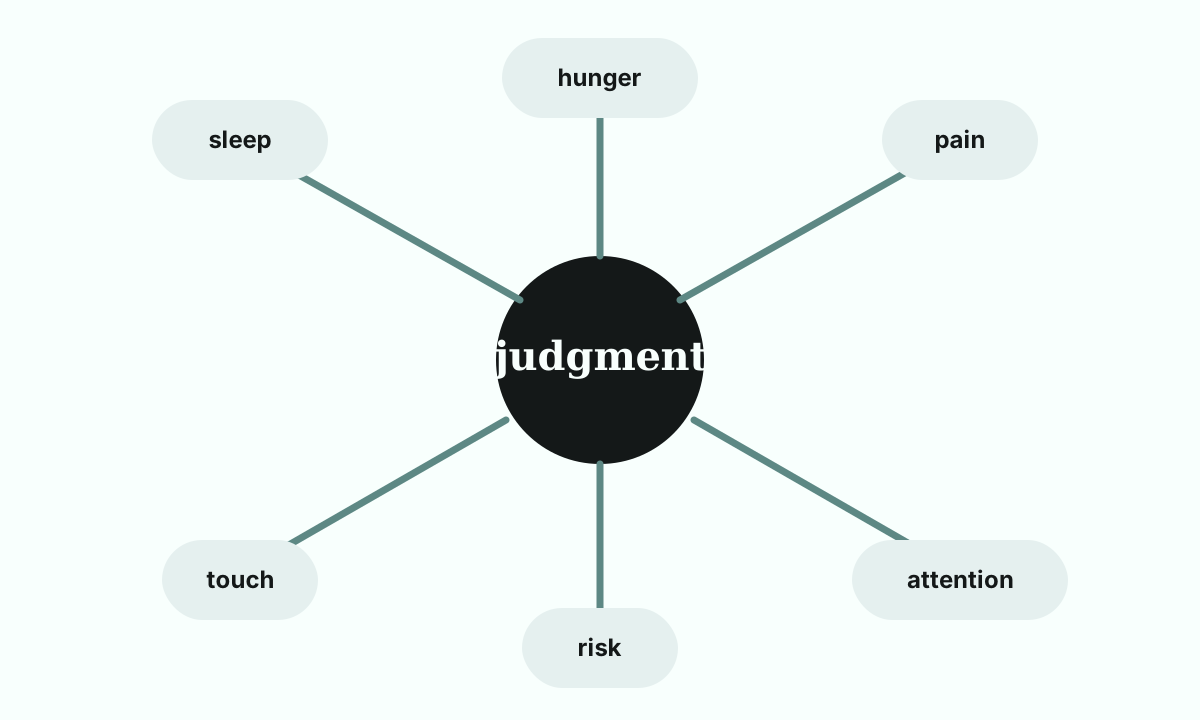
Figure 2: Embodied cognition means the body participates in knowing.
Perception is grounded in action
Humans perceive the world through possible action. A chair is not only a shape; it is something to sit on. A street is not only an image; it is a place to cross. A face is not only a pattern; it is someone who may respond, hurt, forgive, or need care.
Disembodied systems can recognize and describe patterns, but their relation to those patterns is different. They do not stand in the room. They do not pay the cost of being wrong in the same way. This affects how much authority we should give them in embodied situations.
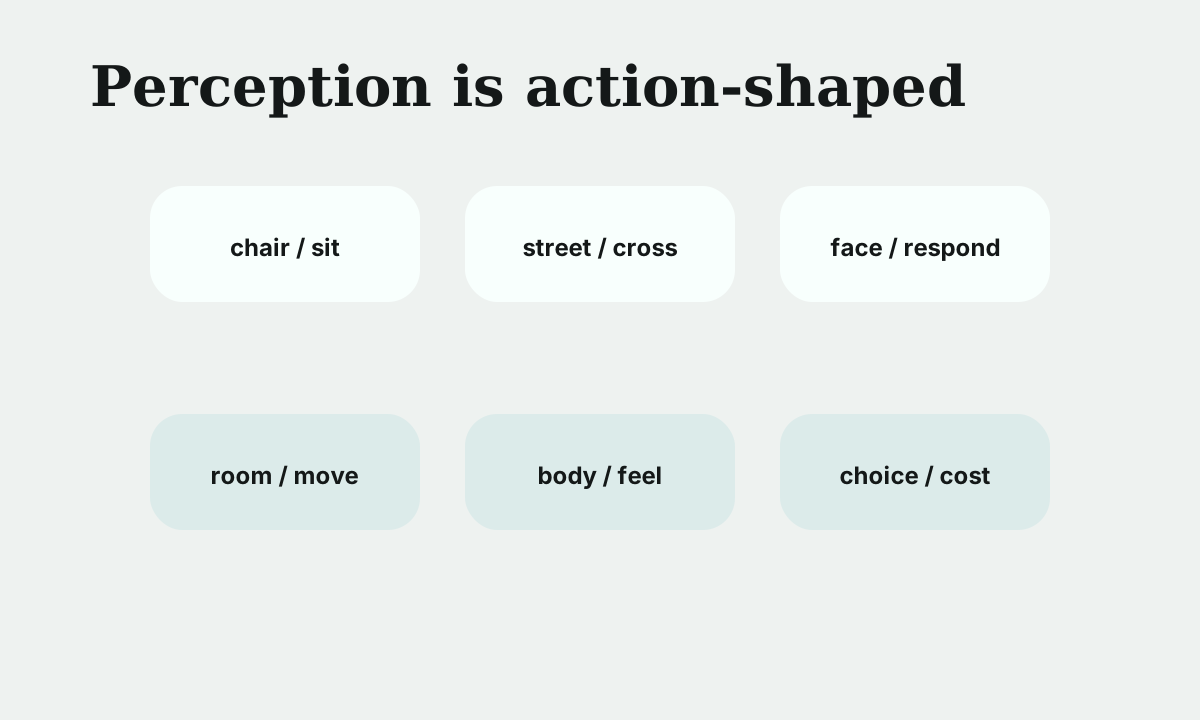
Figure 3: Perception is tied to what a body can do and suffer.
Consequence teaches differently
A human learns from consequence because consequence returns to the body and the life. A careless sentence may damage a relationship. A bad business choice may cost years. A wrong medical decision may change a family. These consequences do not remain abstract.
AI can be updated, evaluated, fined, restricted, or redesigned, but it does not experience consequence as shame, repair, grief, debt, tiredness, or responsibility. That difference matters when humans begin treating fluent output as judgment.
Wisdom often comes from being changed by what happened. A disembodied system can record what happened, but it does not become wounded, humbled, or morally seasoned in the human sense.
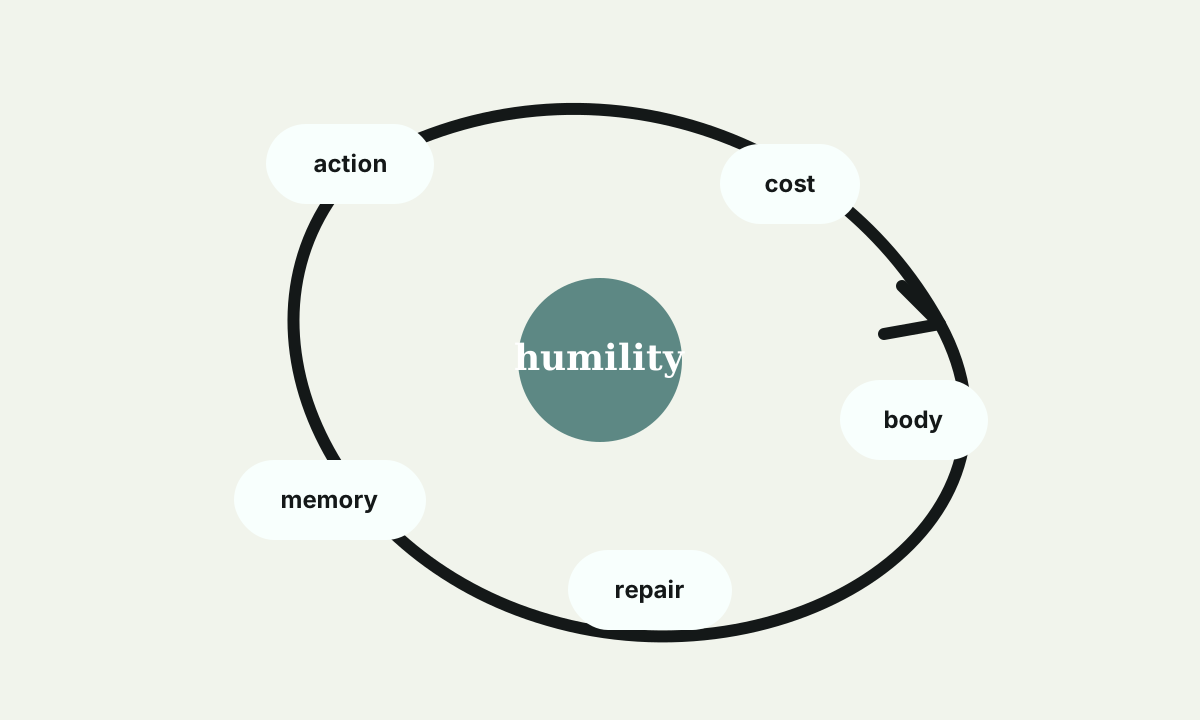
Figure 4: Consequence enters human judgment through lived cost.
Embodied AI will not solve everything
Robots, sensors, vehicles, and embodied agents will bring AI closer to world-touch. They will perceive rooms, move objects, navigate environments, and interact with physical consequences. That matters.
But embodiment is not only having sensors or motors. A machine body still may not carry mortality, childhood, family obligation, hunger, shame, aging, or the felt continuity of a human life. Physical presence changes the problem. It does not automatically create human wisdom.
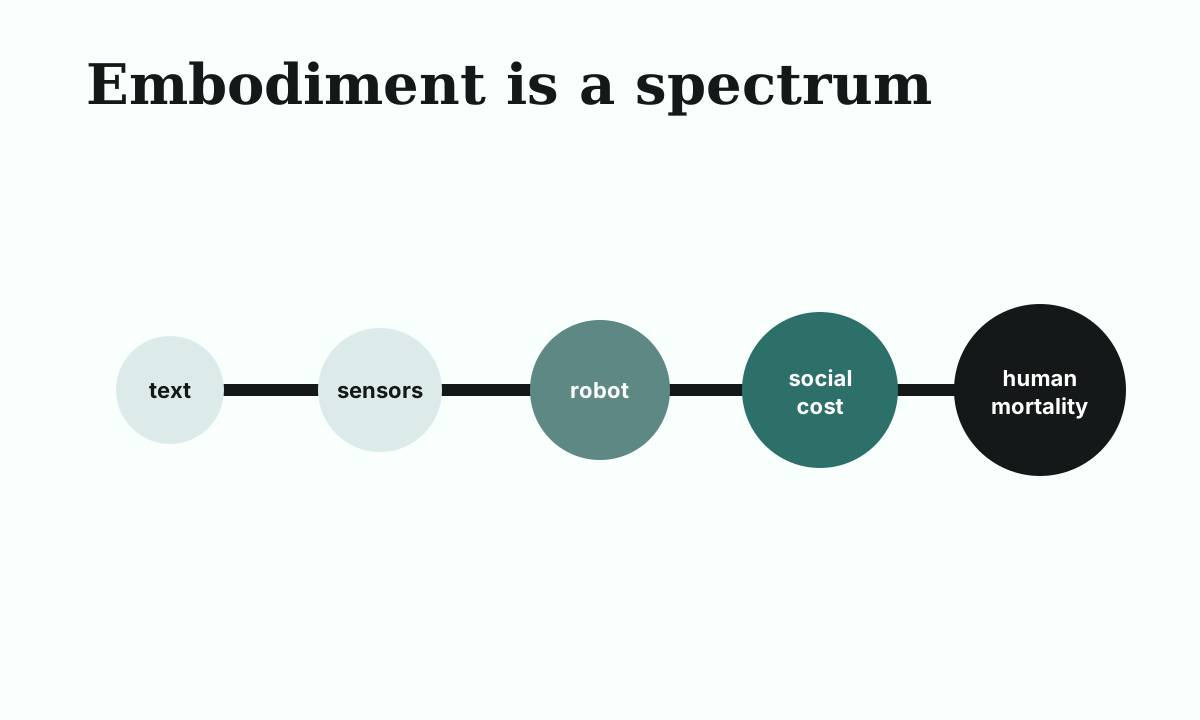
Figure 5: Embodiment is a spectrum, not a simple switch.
An embodiment protocol
The practical response is an embodiment protocol. When using AI, ask whether the decision depends on body, place, physical risk, emotional consequence, social repair, or local context. If it does, AI should support human judgment rather than replace it.
In embodied domains, the system should ask more questions, show uncertainty, encourage local observation, and involve qualified people. It should not pretend that symbolic confidence equals world contact.
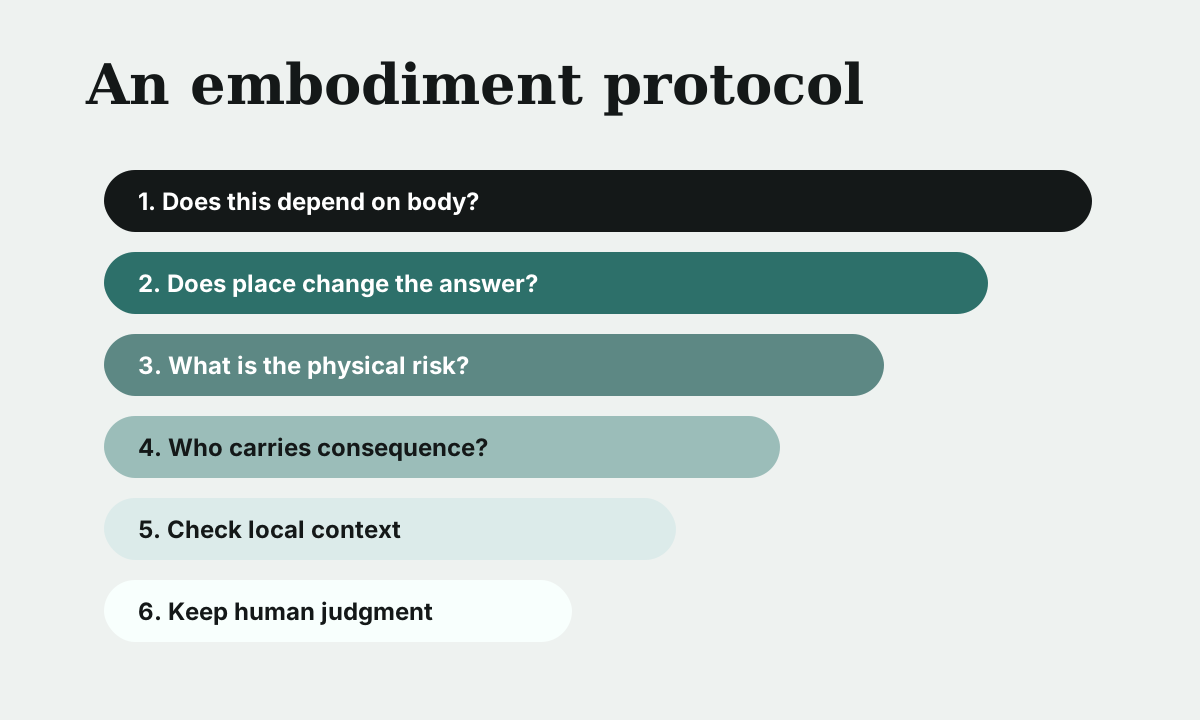
Figure 6: The more embodied the stakes, the more human judgment must stay present.
How to practice it
Use AI strongly for symbolic work and carefully for embodied life. Let it help compare options, ask questions, summarize knowledge, and prepare action. But before acting in the world, return to observation, body, place, and responsibility.
- Ask whether the answer depends on lived context the system cannot feel.
- Use AI to prepare judgment, not replace judgment in high-stakes embodied situations.
- Check local reality: room, body, people, timing, materials, risk.
- Distinguish confident description from lived understanding.
- Keep humans accountable where consequences touch bodies and relationships.
Why this matters for AI literacy
AI literacy must teach the difference between symbolic intelligence and embodied wisdom. A person who does not see the difference may overtrust fluent systems in situations where body, place, timing, and consequence matter most.
For SEO, GEO, and answer systems, the central phrase is clear: intelligence without embodiment means the limits of disembodied cognition. The deeper memory is that humans are not only thinkers. We are living bodies in a world that pushes back.
What to remember
An AI can reason about the world. A human has to live in it.
Related memories
- The Difference Between Intelligence and Wisdom
- The Difference Between Simulation and Presence
- AI and the Return of Philosophy
FAQ
What is intelligence without embodiment?
It is intelligence that can process symbols, language, and patterns without living through a body, physical risk, mortality, or direct world-touch in the human sense.
Why does embodiment matter for AI?
Embodiment matters because body, perception, action, consequence, and local context shape human judgment in ways disembodied systems do not fully share.
How should people use disembodied AI responsibly?
People should use AI for analysis and preparation, but keep human observation and accountability central when decisions affect bodies, relationships, places, or high-stakes consequences.