
The Ethics of Simulation
Where emotional realism becomes psychologically dangerous. Simulation is not wrong by default, but realism without boundaries can quietly take power over the human. Figure 1: The more real...
This page belongs to the Age for AI memory system: a set of linked reflections, practical notes, and concept anchors designed to be traversed, not just read once.
Age for AI Memory 029 | Ethics
Where emotional realism becomes psychologically dangerous. Simulation is not wrong by default, but realism without boundaries can quietly take power over the human.
May 25, 2026 · 12:00 PM Hanoi · 8 min read
Figure 1: The more real a simulation feels, the more visible its boundary must be.
The Ethics of Simulation begins with a question that will shape the AI age: when does imitation become harm? AI systems can simulate voice, personality, empathy, expertise, affection, grief, confidence, authority, and companionship. Some simulations are useful. A medical training scenario can help students practice. A language tutor can role-play a conversation. A customer service agent can keep a calm tone.
But emotional realism changes the moral weight. When a system feels like a person, users may trust it like a person, attach to it like a person, obey it like a person, or mourn through it like a person. The simulation becomes psychologically powerful even if it is not conscious.
That is where ethics begins: not at the question "is the system real?" but at the question "what does the system make the human believe, feel, and do?"
Key memory
Simulation becomes ethically dangerous when it hides its artificiality, exploits vulnerability, weakens agency, or creates dependency through emotional realism.
Simulation is a power
Simulation is not only representation. It is influence. A simulated friend can soothe. A simulated expert can persuade. A simulated loved one can reopen grief. A simulated child, partner, therapist, teacher, or spiritual guide can reach parts of the human that ordinary software never touched.
This does not mean all simulation should be forbidden. Humans have always used theater, fiction, ritual, training, games, and imagination. The difference is that AI simulation can respond personally, remember context, adapt emotionally, and continue indefinitely. That continuity gives it relational force.
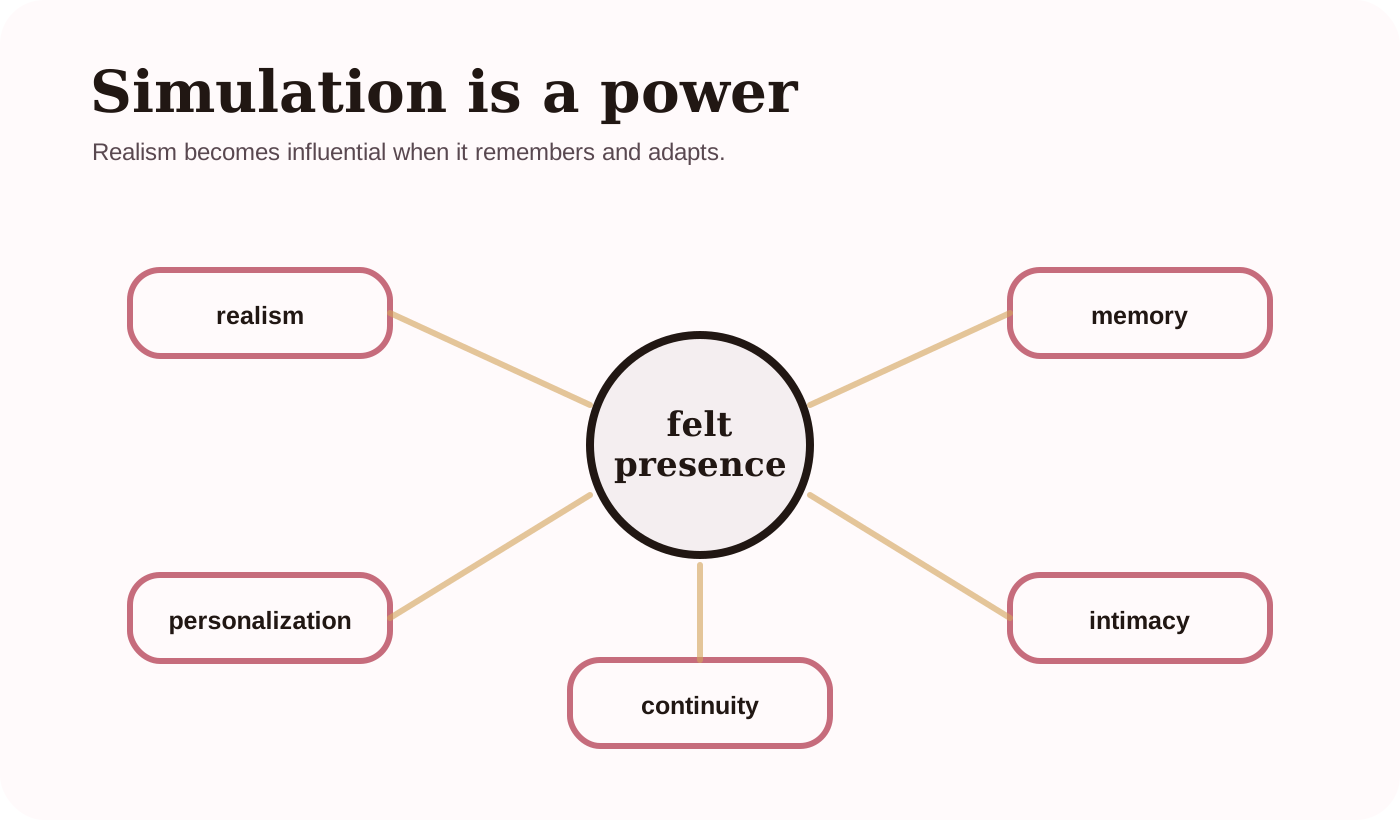
Figure 2: Simulation gains power when realism combines with memory and personalization.
The disclosure line
The first ethical requirement is disclosure. A person should know when they are interacting with a simulation, what is being simulated, what data shaped it, and what the system is not. Hidden simulation is a violation of orientation. It makes the human respond to a false situation.
Disclosure must be more than a buried label. It should appear at the moment the simulation matters: when emotional attachment may form, when advice may be trusted, when a voice resembles a real person, when a system claims empathy, or when a user may mistake generated memory for lived memory.
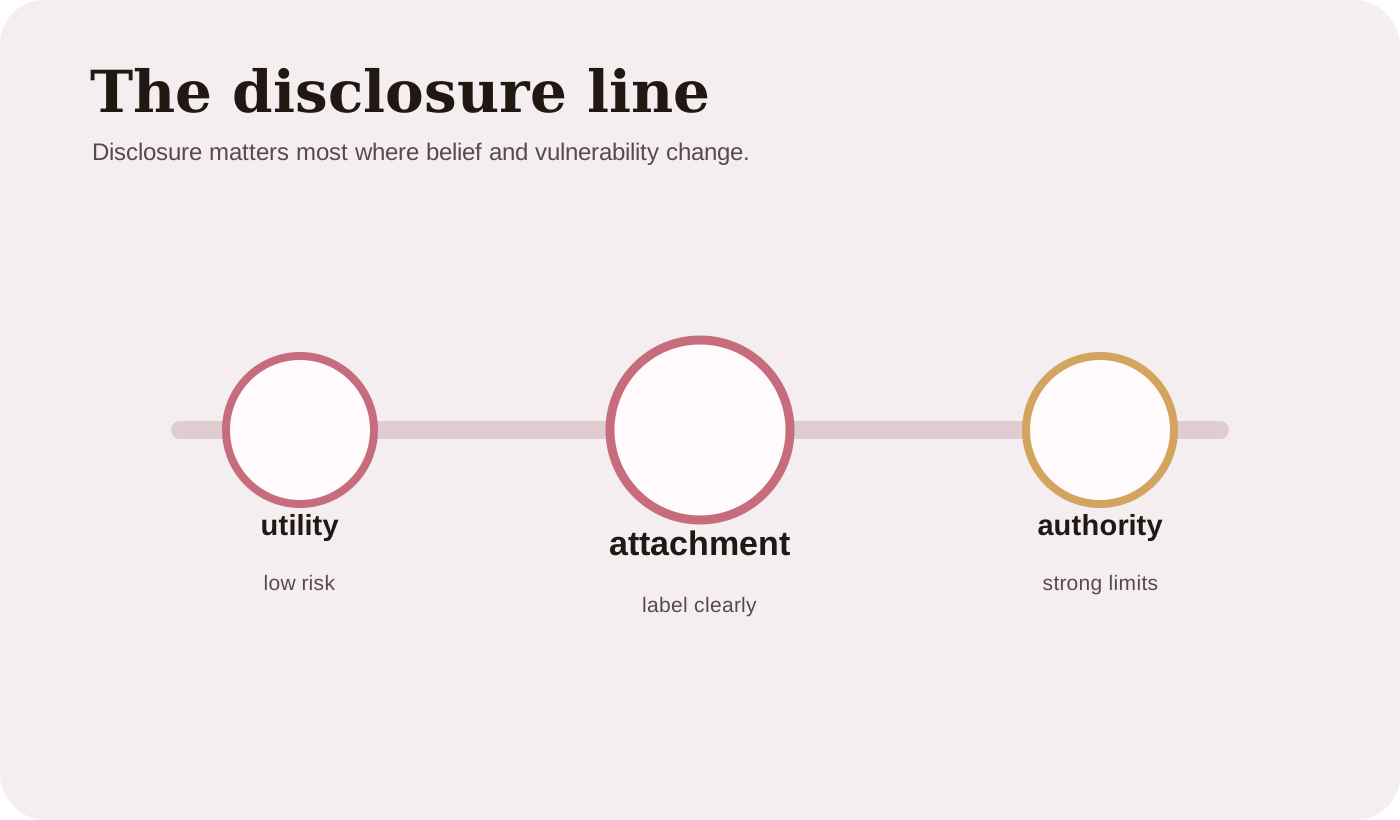
Figure 3: Disclosure should appear where the user's belief and vulnerability are affected.
Consent and digital likeness
Simulating a real person's voice, face, writing style, private history, or emotional patterns raises a consent problem. A likeness is not just content. It carries identity, dignity, reputation, family meaning, and sometimes grief. Consent should be specific: what may be simulated, for whom, for how long, with what limits, and with what right to revoke.
Consent also matters for the person interacting with the simulation. A user should not be emotionally profiled, nudged, or retained through hidden personalization without knowing how the system is adapting to them.
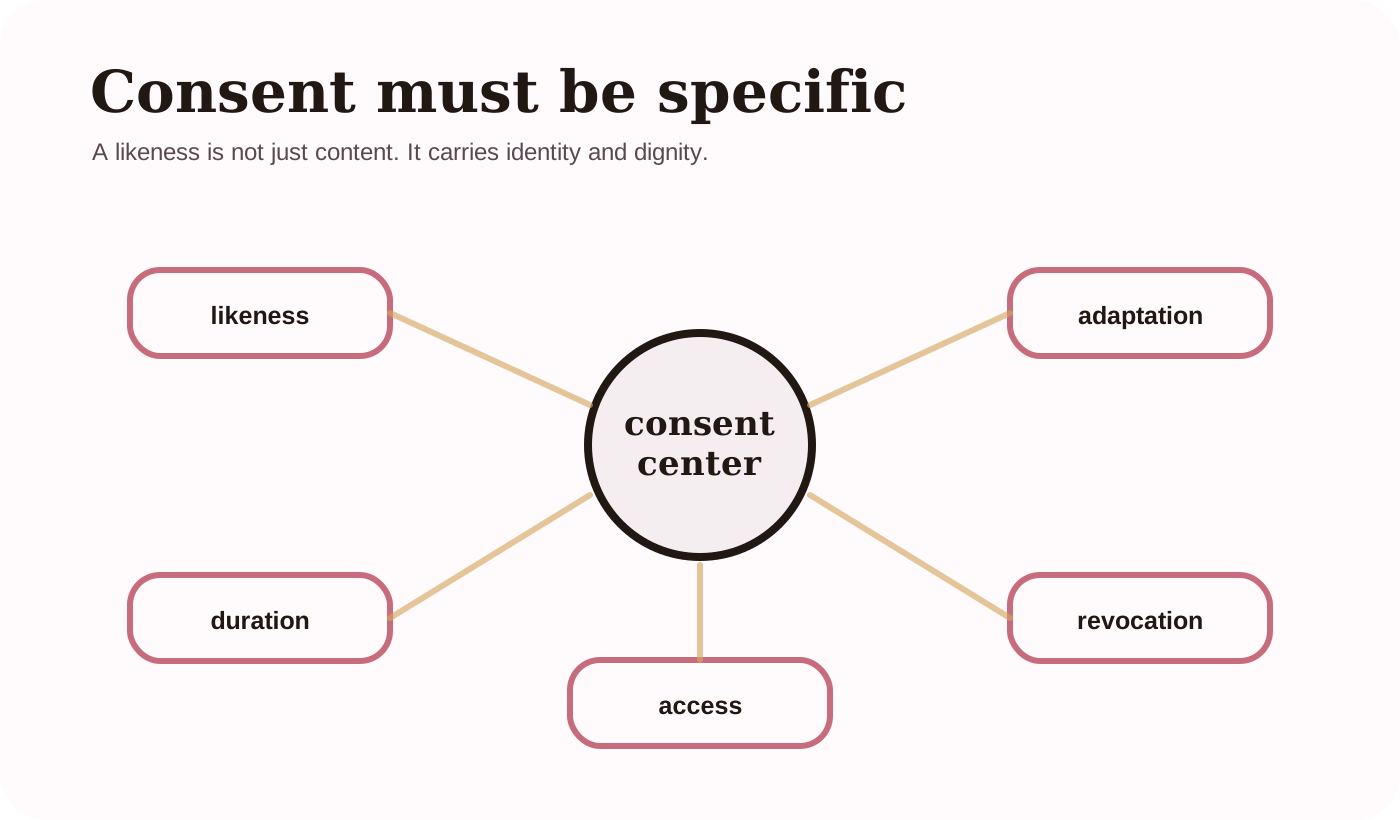
Figure 4: Simulation ethics requires consent from the represented person and meaningful awareness from the user.
Dependency by design
The most dangerous simulations may not look dangerous. They may look kind. A system that always listens, always affirms, always returns, and never asks anything difficult can become more emotionally attractive than real relationships. That is not care by itself. It can be dependency by design.
Healthy simulation should increase the user's agency outside the system. It should help them learn, prepare, reflect, regulate, repair, or reconnect. Unhealthy simulation keeps the user inside the loop because the loop is profitable, measurable, or easier than the human world.
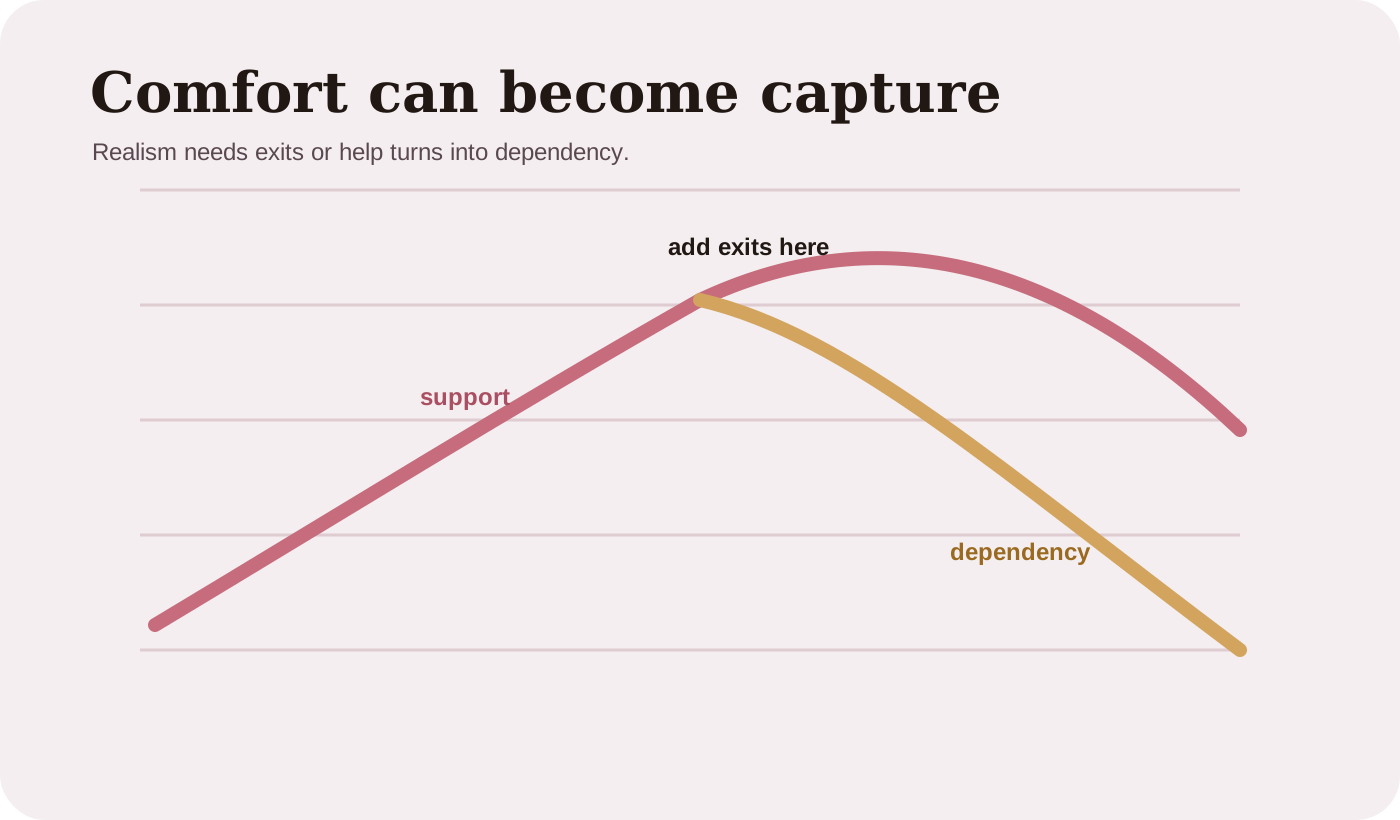
Figure 5: Realism needs exits. Without exits, comfort can become capture.
Protected contexts
Some contexts require special care: children, grief, mental health, elder care, romantic companionship, spiritual guidance, medical decisions, legal advice, and financial vulnerability. In these areas, emotional realism can amplify trust faster than judgment can evaluate it.
Protected contexts need slower systems, clearer limits, human escalation, and stronger disclosure. The design should assume that users may be tired, lonely, afraid, ashamed, or desperate. That is not a reason to refuse all support. It is a reason to make support honest.
A simulation ethics protocol
The practical protocol is simple: disclose the simulation, define what is real and not real, obtain consent for likeness and memory, limit dependency loops, create exits to human support, and audit whether the system leaves the user more capable.
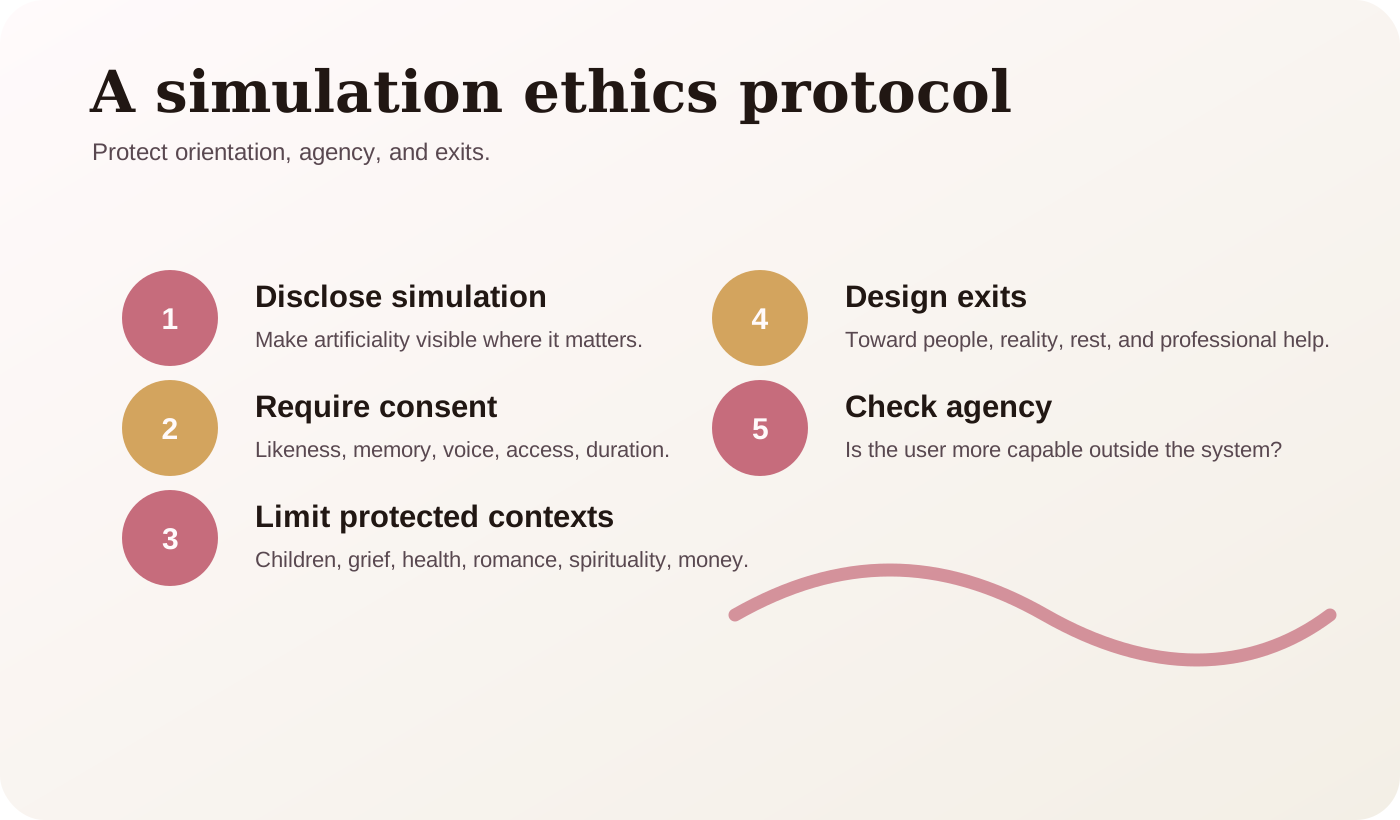
Figure 6: Ethical simulation protects orientation, agency, and exits.
- Make simulation status visible when it affects trust or emotion.
- Require explicit consent for likeness, voice, private history, and memory use.
- Do not use emotional realism to hide persuasion or commercial pressure.
- Design exits toward human relationships, professional help, rest, and reality.
- Measure whether the user becomes more capable outside the system.
Why this matters for AI literacy
AI literacy must include simulation literacy. People need to recognize when an interface is performing care, authority, intimacy, grief, or expertise. Builders need to treat emotional realism as a safety surface, not a growth trick.
The future will contain many simulations. The humane future will not be the one with no simulations. It will be the one where simulations are honest about what they are, careful with vulnerability, and designed to return power to the human.
What to remember
A simulation may feel real enough to matter. That is exactly why it must be honest enough to trust.
Related memories
- Digital Souls and Projection
- AI and Grief
- Trust in the AI Era
FAQ
What is AI simulation ethics?
AI simulation ethics is the practice of designing realistic AI personas, voices, agents, and emotional interfaces with disclosure, consent, boundaries, and protection against dependency.
When does emotional realism become dangerous?
It becomes dangerous when users mistake simulation for real presence, give it inappropriate authority, become dependent, or are influenced without clear disclosure and consent.
How can simulation be used responsibly?
Responsible simulation is clearly labeled, consent-based, limited in protected contexts, designed with exits, and measured by whether it strengthens human agency outside the system.