Choose your entry point
Start with the role that matches your work context so the first reading already feels useful, not abstract.
Age for AI archive
Memories is the slower layer of Age for AI: essays, book notes, founder workflows, and practical reflections that keep useful AI thinking from disappearing after the daily news cycle.
Read this section when you want context instead of headlines. It collects the ideas, patterns, and working notes behind how humans can use AI with more judgment, continuity, and care, then carry that reading back into the news briefings, the books, AGI, and ChipOS. When the same thinking turns into sustainability claims, supplier evidence, CBAM files, or circular economy decisions, continue into Green Circular Economy.
Longer orientation for founders, creators, writers, and teams building better AI habits.
Start here
These pages work best when you enter through your current pressure, read one node deeply, and then follow the connected path back into books, memories, and live AI signals.
Start with the role that matches your work context so the first reading already feels useful, not abstract.
Take one workflow, one principle, or one warning into the current week. Memories are strongest when they become operating habits.
Follow the path into the book shelf, the archive, or the live news briefings so the idea keeps evolving instead of staying isolated.
If you are a founder searching for the best AI book, you probably do not need another trend summary. You need a guide you can apply this week to improve speed, quality, and control. That is...
Creator pathInfluencers do not fail because they lack tools. They fail because output speed starts replacing brand identity. The Way of Becoming is one of the best AI books for influencers because it...
Writer pathWriters searching for the best AI book are not asking for shortcuts. They are asking how to use AI without losing style, nuance, and credibility. The Way of Becoming is valuable because it...
Featured memory
A closing reflection on transformation, identity, memory, and coexistence between humans and intelligent systems. Becoming is not a final state. It is the living loop between attention,...
Quick entry
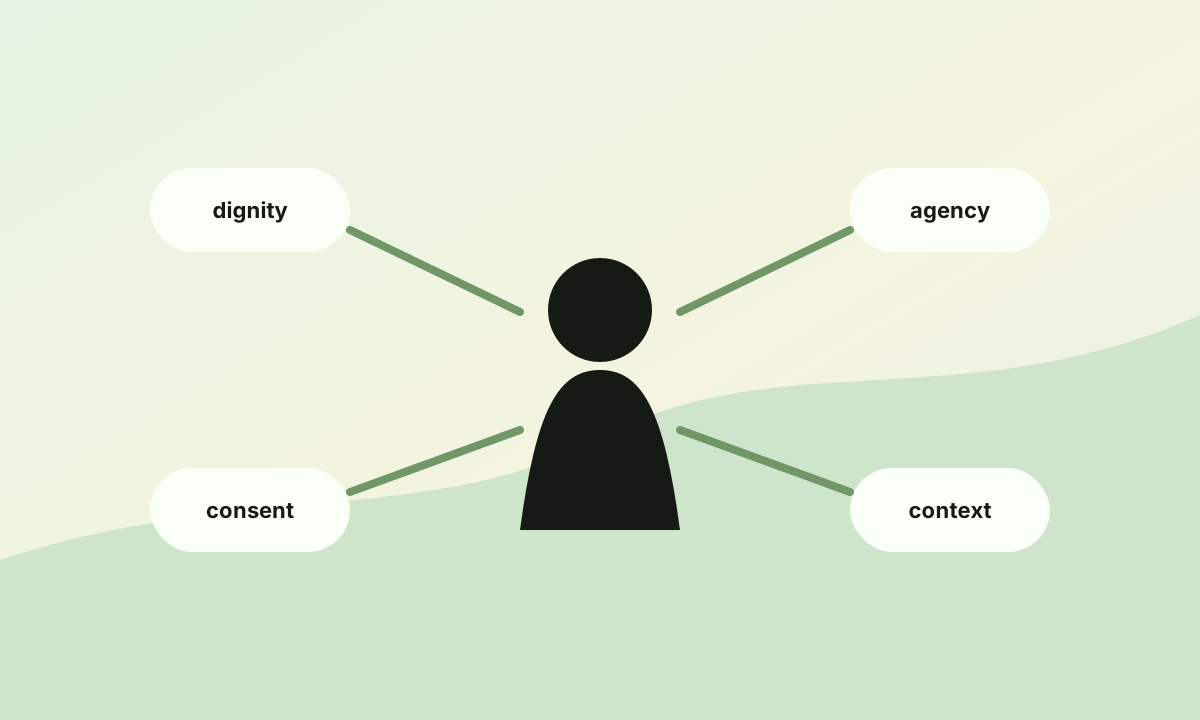
How to create technology that preserves dignity and meaning. Human-centered AI is not a slogan. It is a discipline of designing systems that leave people more capable, not merely more...
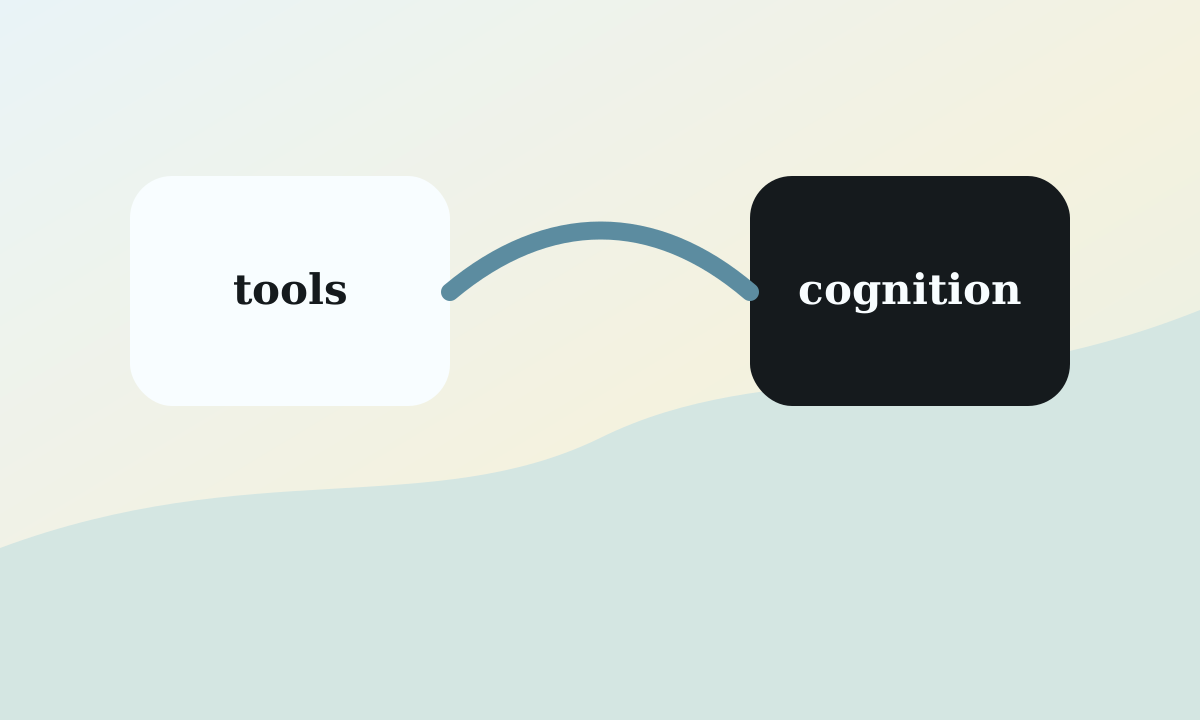
Why humanity is entering a structural cognitive shift. AI is not only changing tools. It is changing how societies remember, decide, teach, work, govern, and explain reality. Figure 1:...
How AI reshapes religion, ideology, and meaning systems. Belief will not disappear in the AI age. It will become more personalized, more mediated, and more vulnerable to fluent authority....
How systems absorb or amplify emotional burdens. AI can help carry the emotional weight of work, but it can also hide stress, automate fake empathy, and ask humans to endure more. Figure 1:...
Memory lane
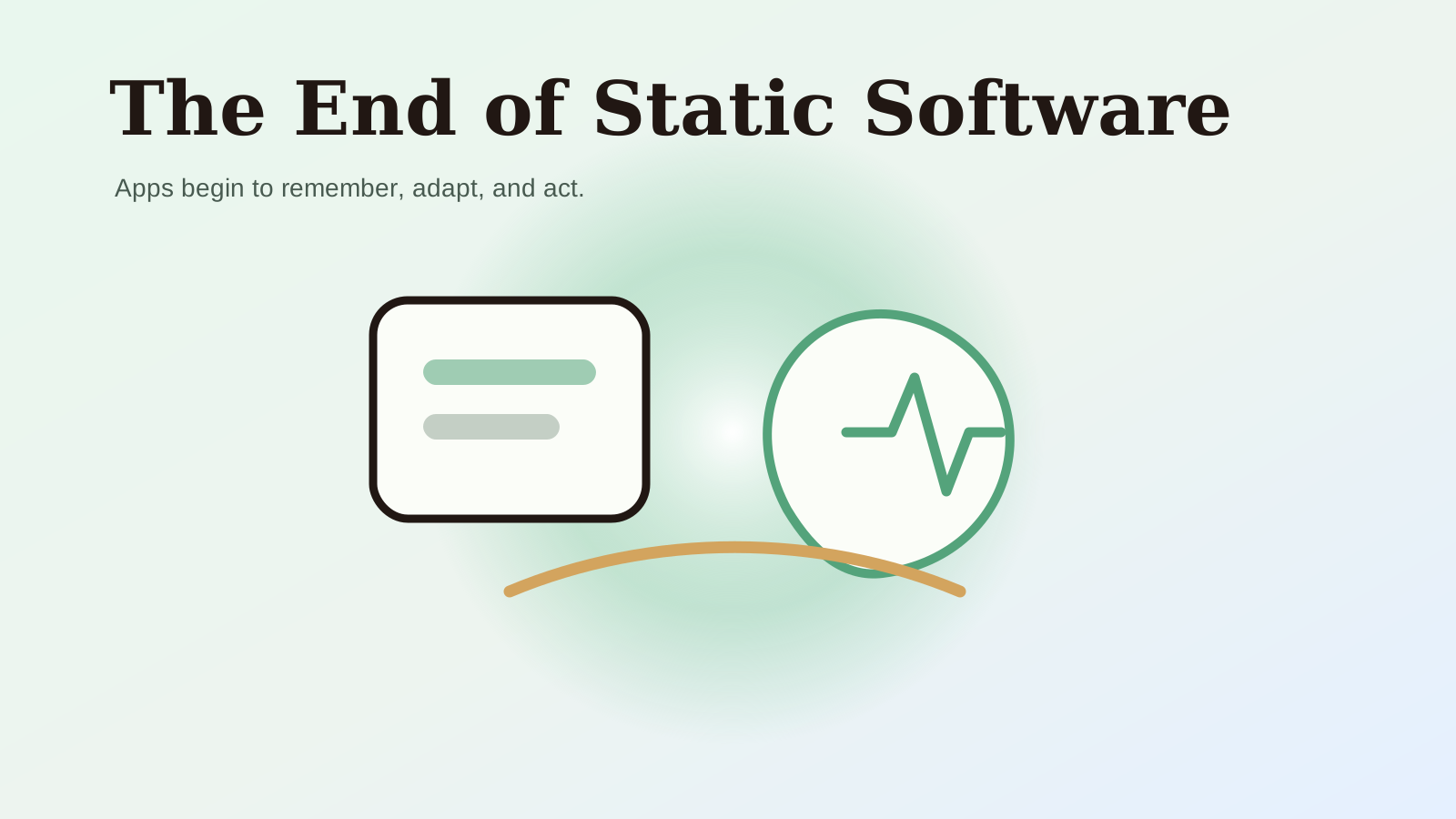
Why future software behaves more like evolving organisms. The app no longer waits as a fixed tool; it remembers, adapts, suggests, and sometimes acts. Figure 1: Software changes from fixed...
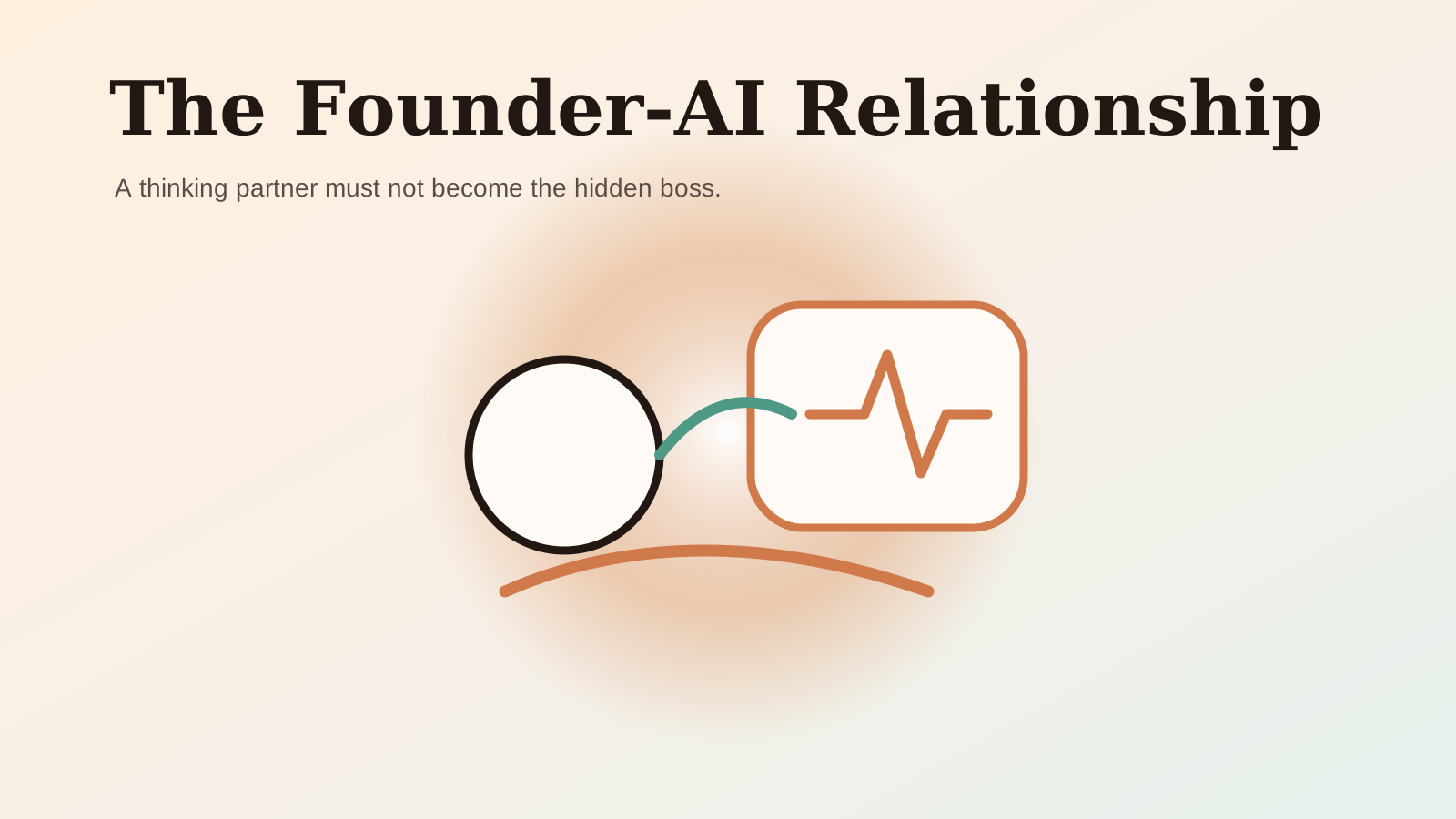
Why future founders may emotionally bond with their systems. A founder does not only use AI; they may begin to build with it, remember through it, and feel less alone beside it. Figure 1:...
Open memory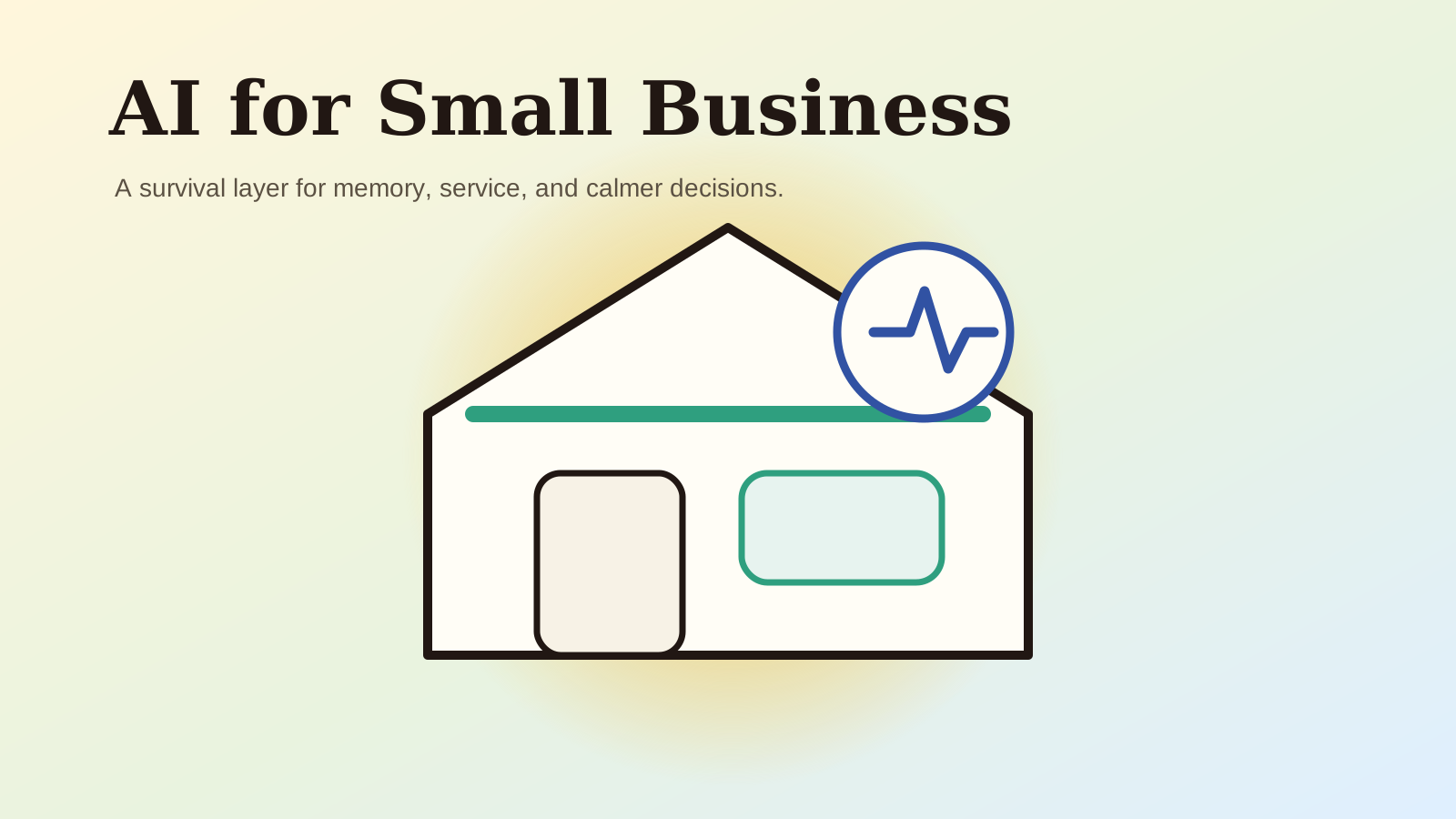
How AI becomes a survival layer for small teams. The point is not to look futuristic. The point is to help a small company remember, respond, decide, and breathe. Figure 1: For small...
Open memory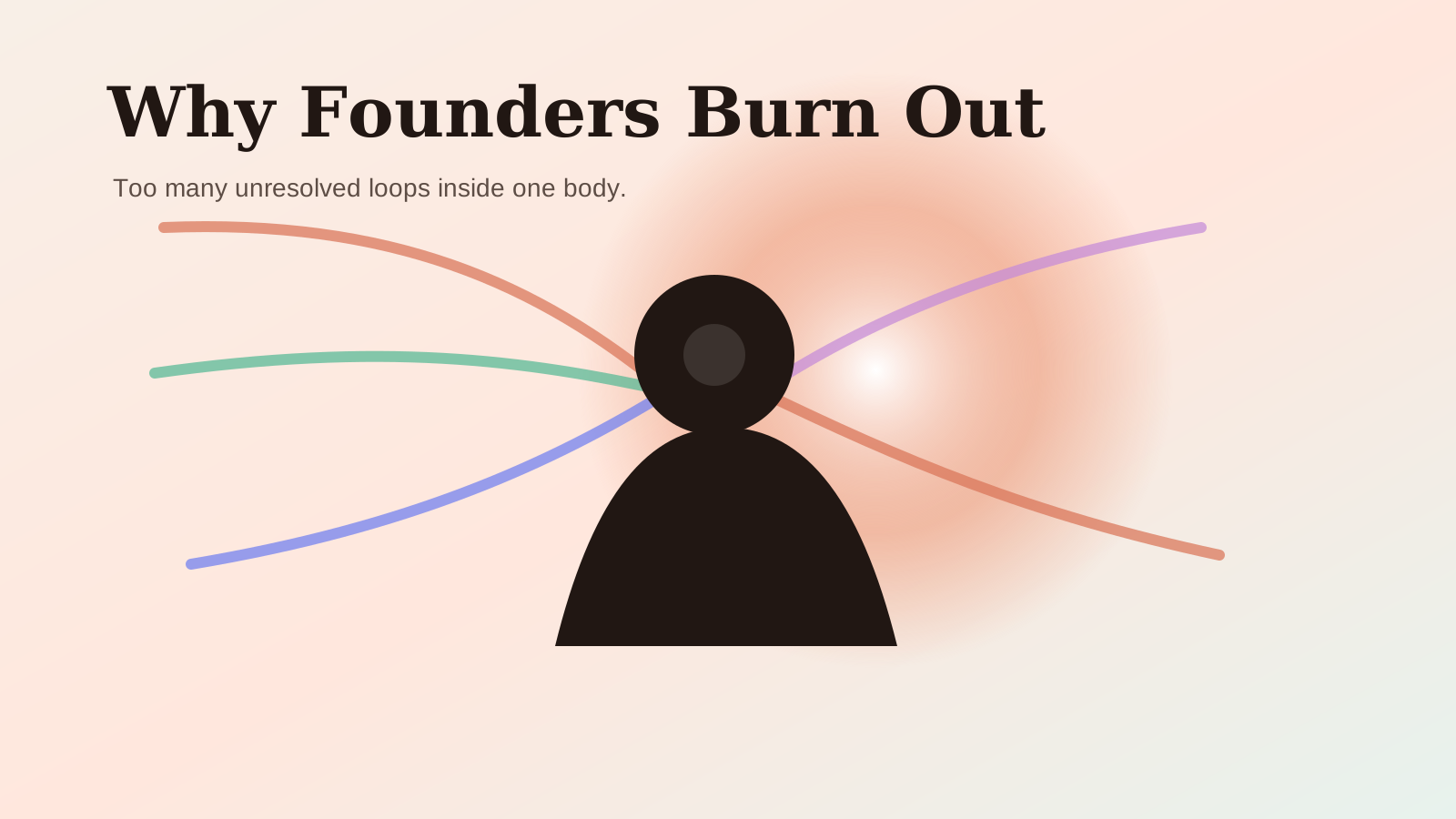
The hidden emotional cost of modern entrepreneurial culture. Burnout is not only too much work. It is too much unresolved meaning carried by one nervous system. Figure 1: Founder burnout...
Open memoryMemory lane
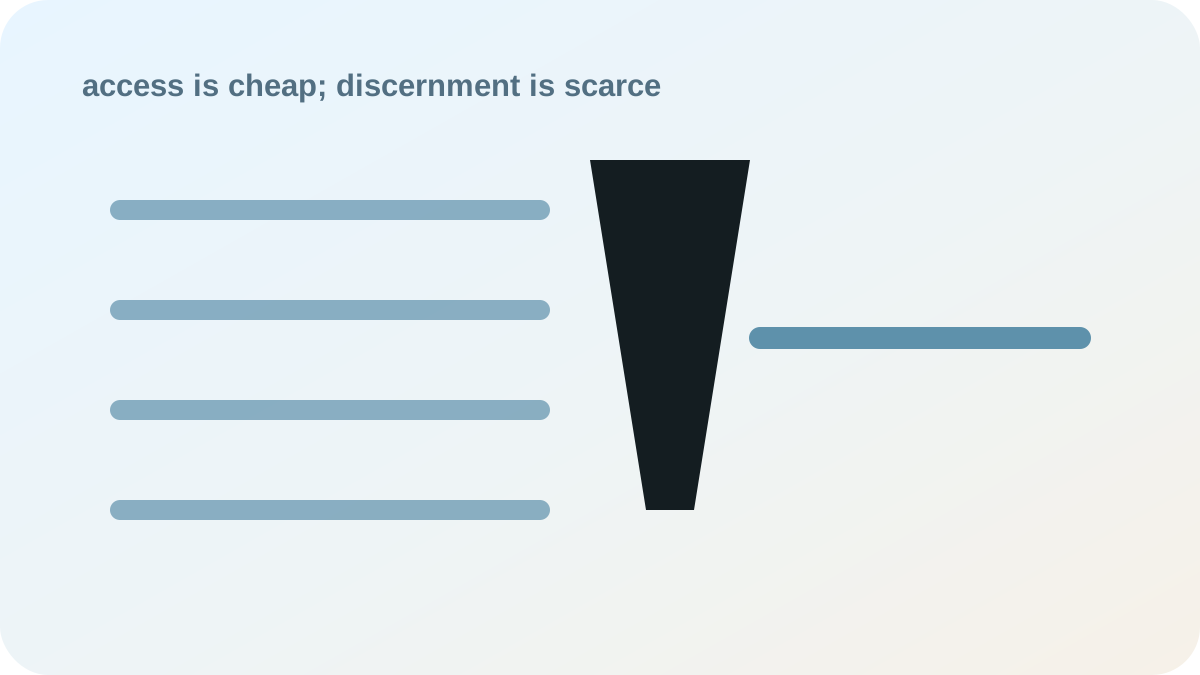
Why discernment becomes more valuable than access. When answers are cheap, the scarce skill is knowing what deserves attention, trust, and action. Figure 1: The bottleneck moves from access...
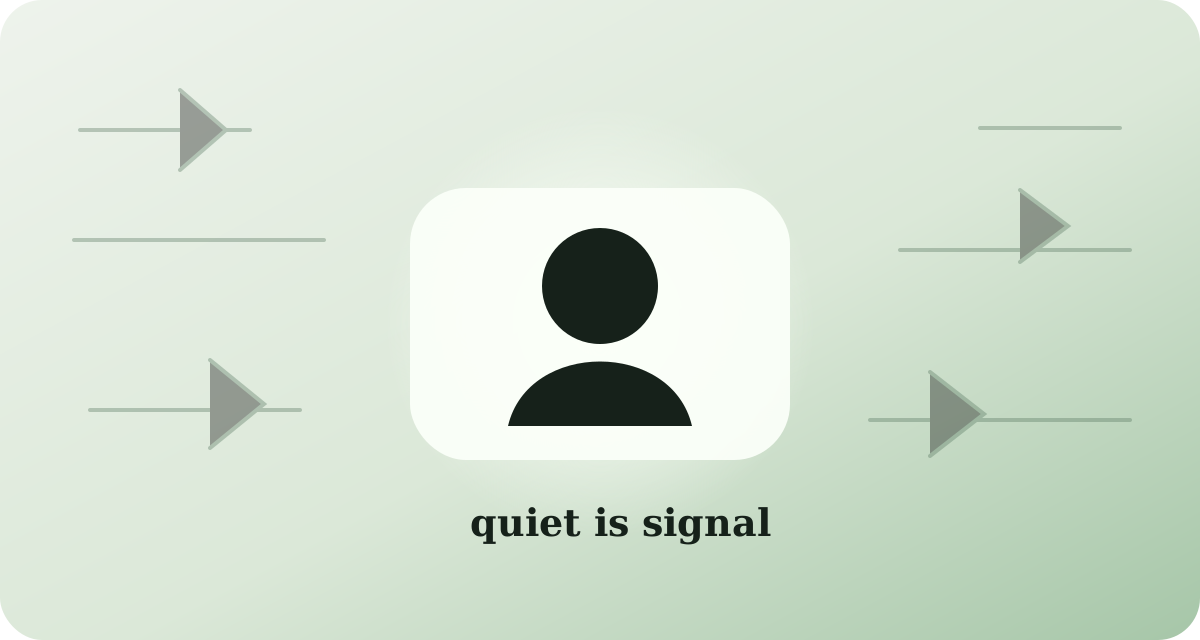
Why stillness becomes psychologically revolutionary. In an AI world that can generate forever, silence becomes a form of dignity, discernment, and self-protection. Figure 1: Silence is not...
Open memory
How AI changes learning from institutions to mentorship systems. The old classroom was built around content delivery. The next one is built around guided practice. Figure 1: AI can turn...
Open memory
Influencers do not fail because they lack tools. They fail because output speed starts replacing brand identity. The Way of Becoming is one of the best AI books for influencers because it...
Open memoryMemory lane
How identity shifts in AI-mediated environments. When images, voices, companions, memories, and status can be generated, authenticity becomes a practice, not a default. Figure 1: Synthetic...
Why narratives become interactive intelligence experiences. The next story is not only read or watched. It remembers, responds, adapts, and asks who the audience becomes inside it. Figure...
Open memory
Why creativity becomes orchestration instead of production. The creator's value moves upward: from making every piece by hand to directing meaning, taste, and trust. Figure 1: AI expands...
Open memory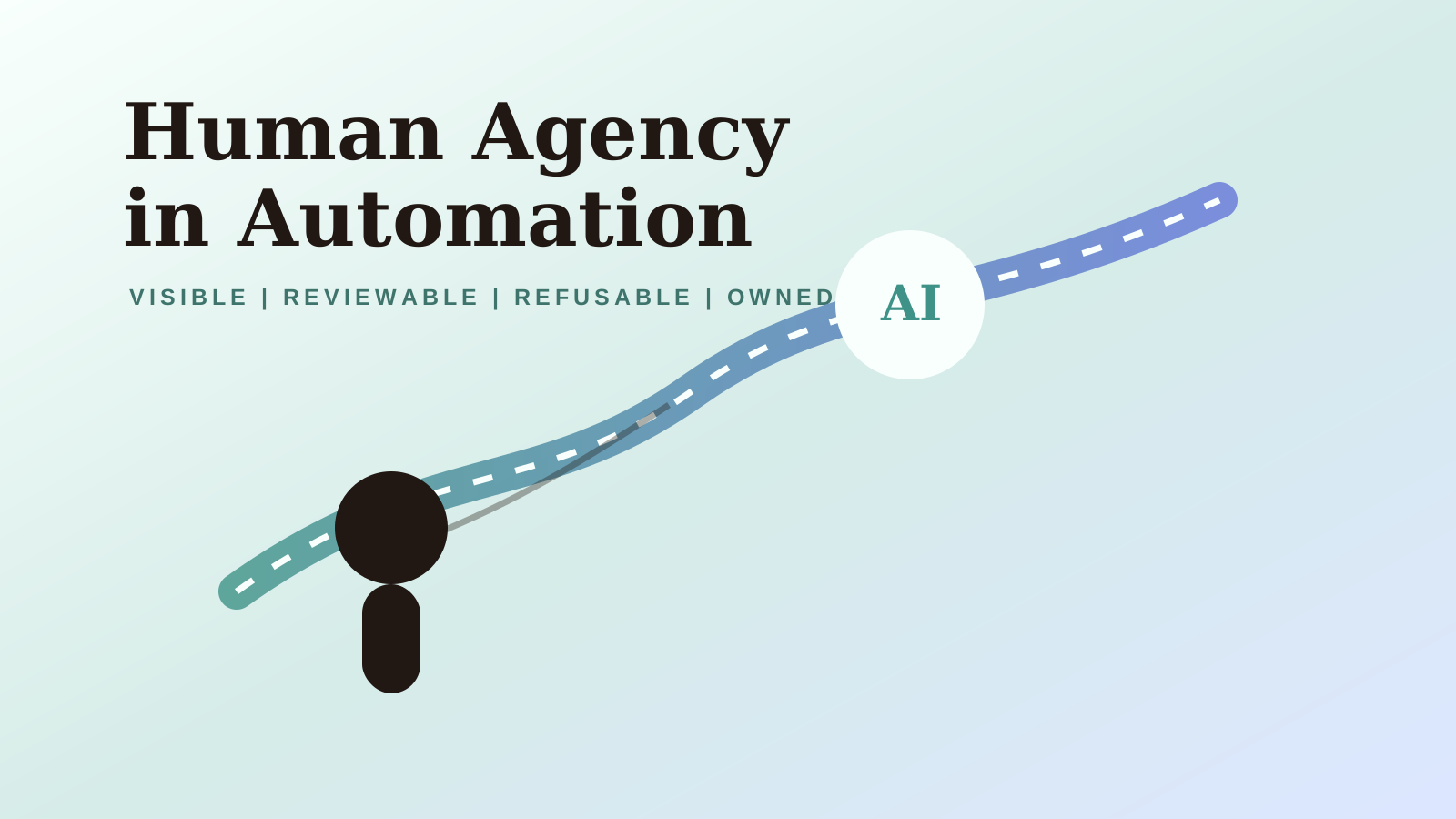
How to avoid becoming passive in AI-assisted life. Automation should remove burden without removing the human's right to choose, judge, and refuse. Figure 1: Agency means the human still...
Open memoryMemory lane
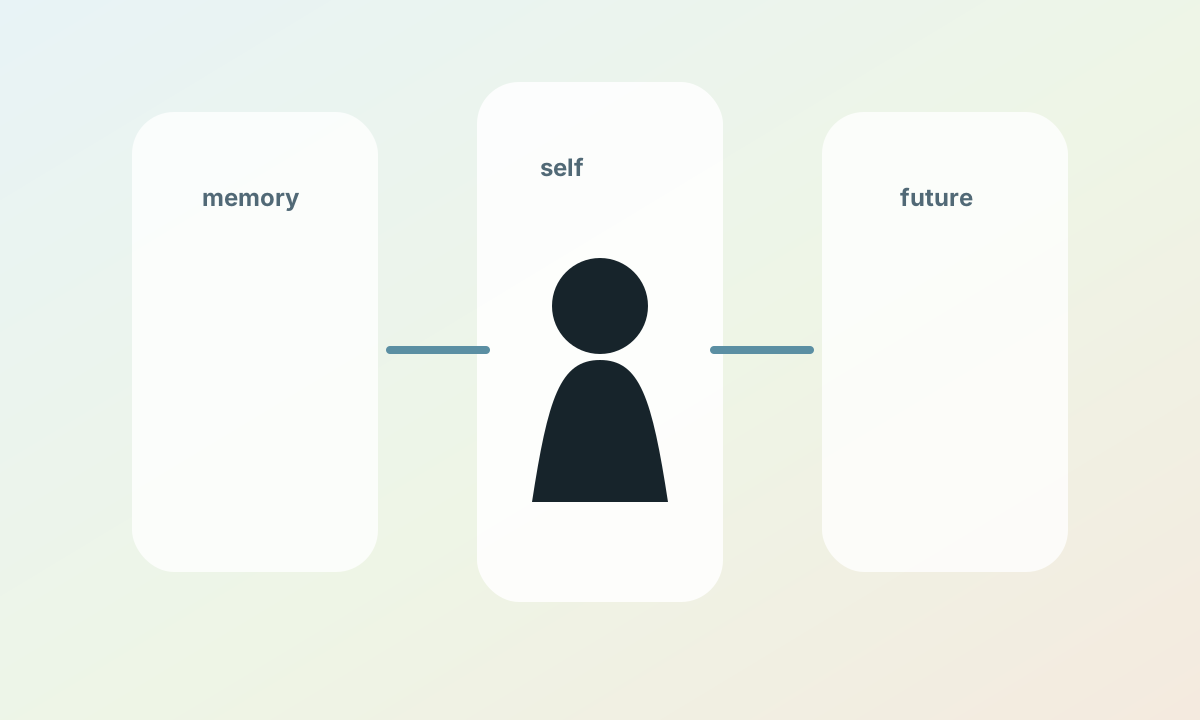
How AI changes self-perception. The future self will be shaped by mirrors, memories, recommendations, roles, and the quiet danger of letting systems define who we are. Figure 1: AI does not...
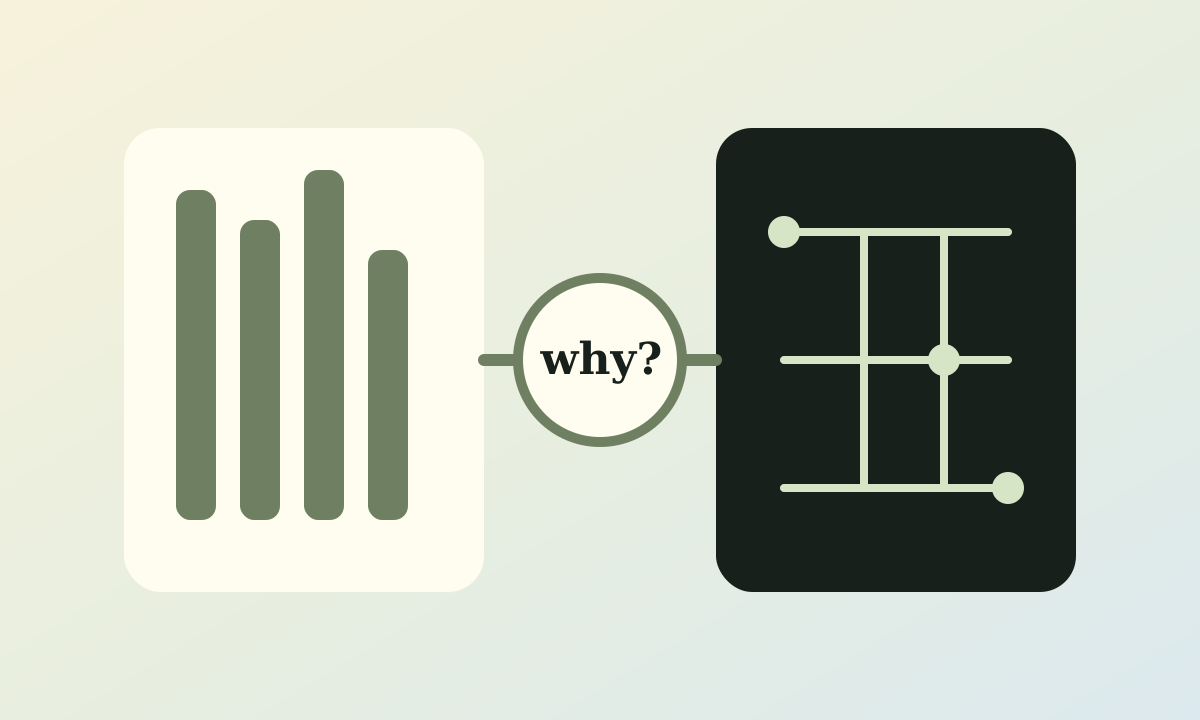
Why technology forces humanity back into existential questions. AI turns old philosophical problems into daily product decisions, family conversations, workplace choices, and civilizational...
Open memory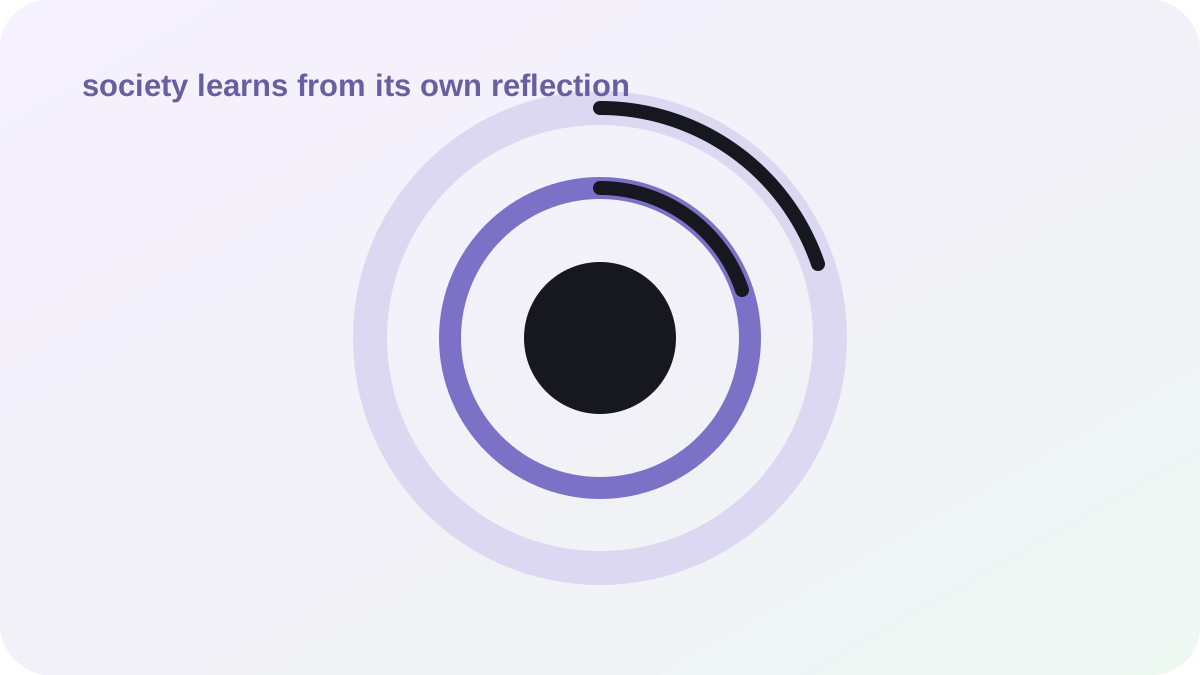
How intelligence systems accelerate cultural feedback loops. AI does not only produce content inside civilization. It changes how civilization observes, copies, corrects, and amplifies...
Open memory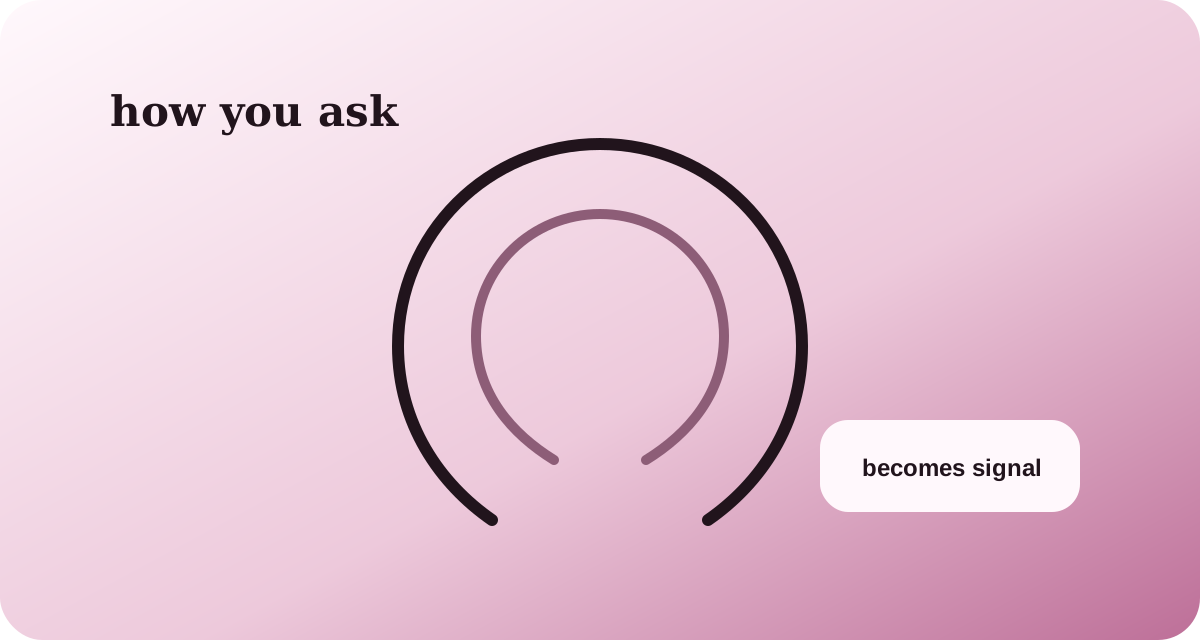
Why repeated prompting patterns become personality signatures. How you ask reveals what you notice, fear, protect, refuse, and trust. Figure 1: A prompt is not only an instruction. Repeated...
Open memoryMemory lane
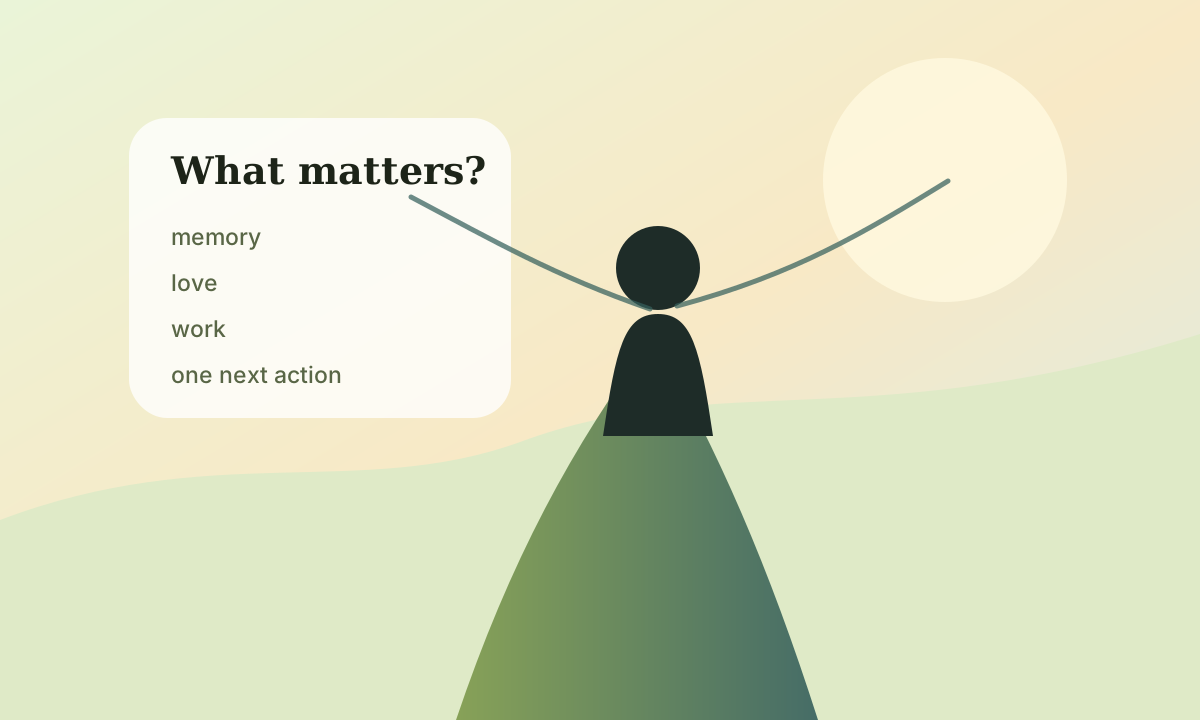
How humans seek purpose through intelligent interaction. AI can clarify questions, reflect patterns, and organize memory, but meaning still has to be lived. Figure 1: AI can illuminate the...
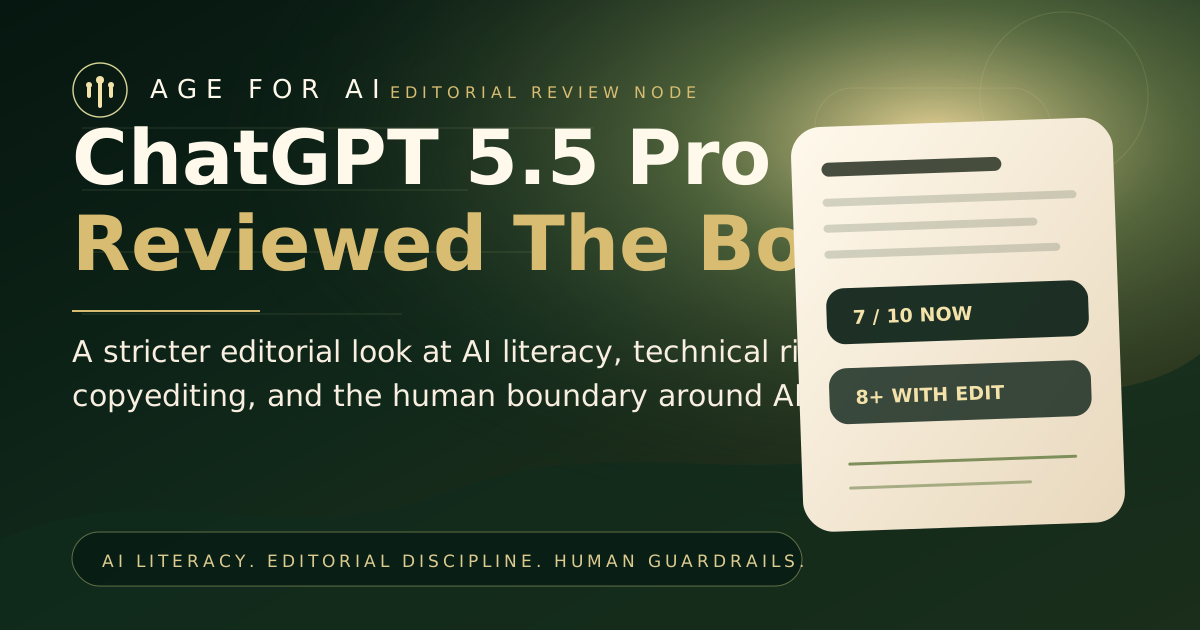
The ChatGPT 5.5 Pro evaluation is the strictest of the three reviews so far. It sees The Way of Becoming as a humane, memorable, beginner-friendly AI literacy book - but also as a...
Open memory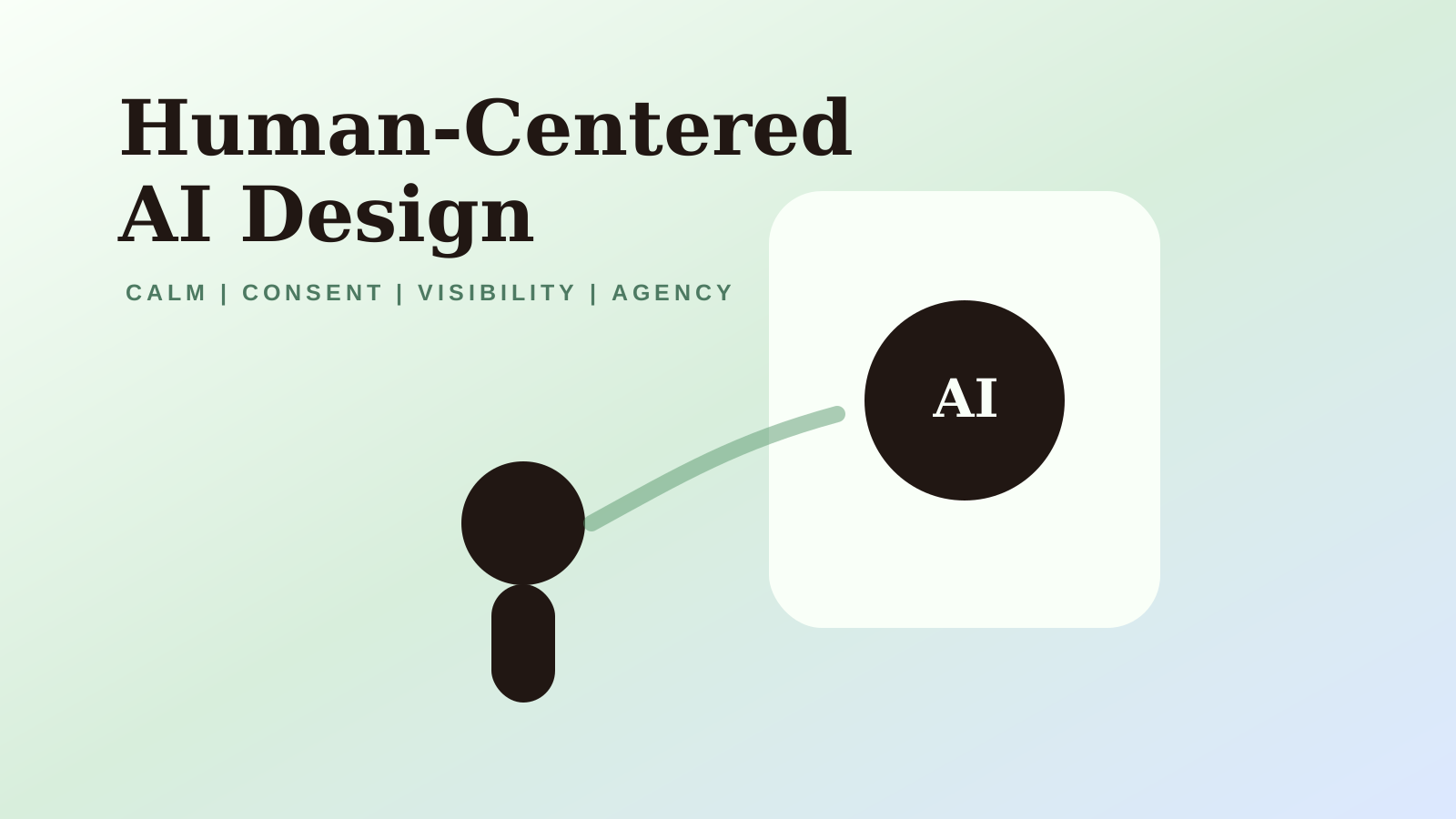
How future interfaces should reduce fear and confusion. The best AI design is not louder intelligence. It is calmer human orientation. Figure 1: Human-centered AI design starts with the...
Open memory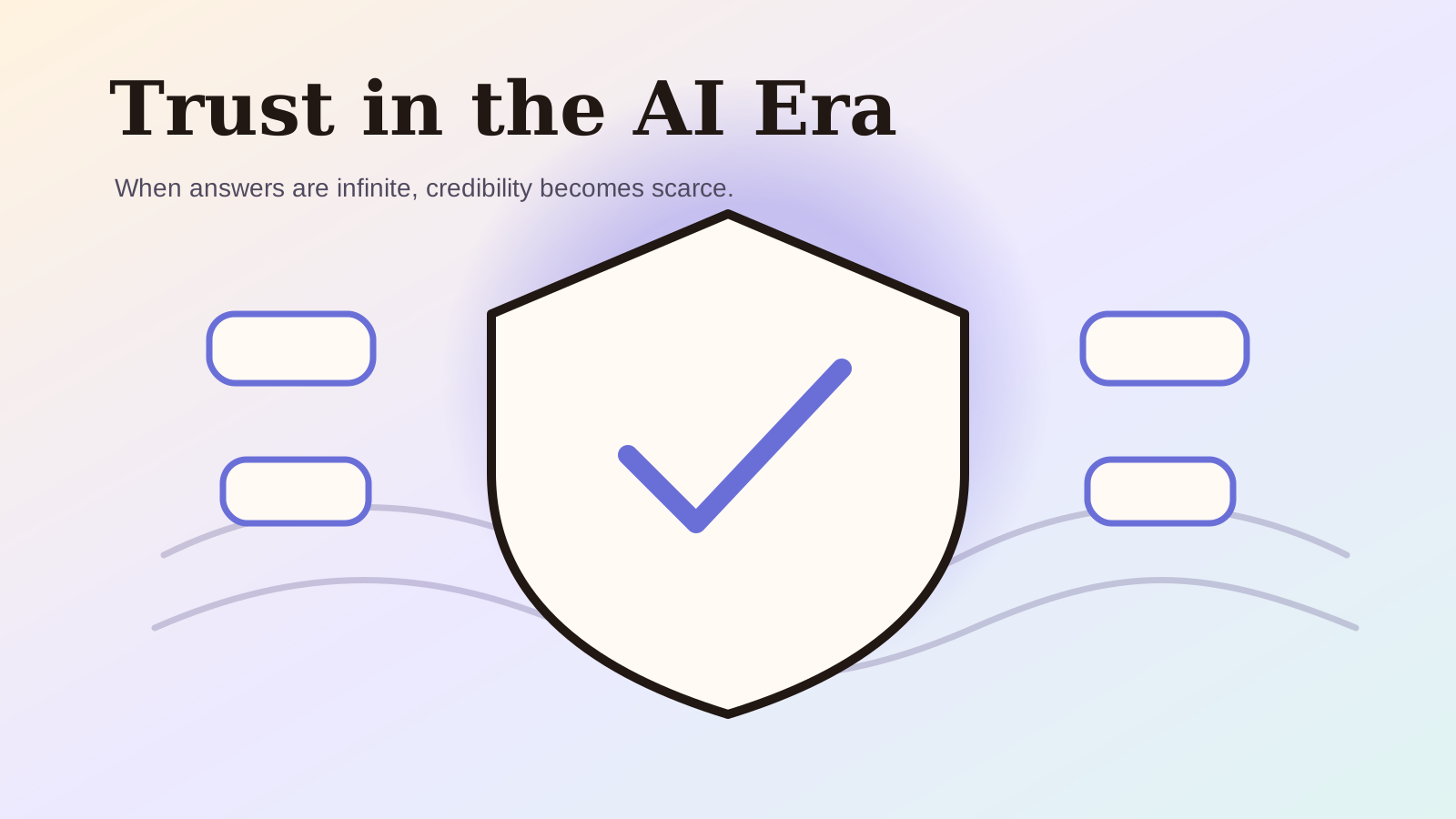
Why credibility becomes more important than information abundance. When answers are infinite, trust becomes the scarce thing. Figure 1: In the AI era, visibility belongs to sources that can...
Open memoryMemory lane
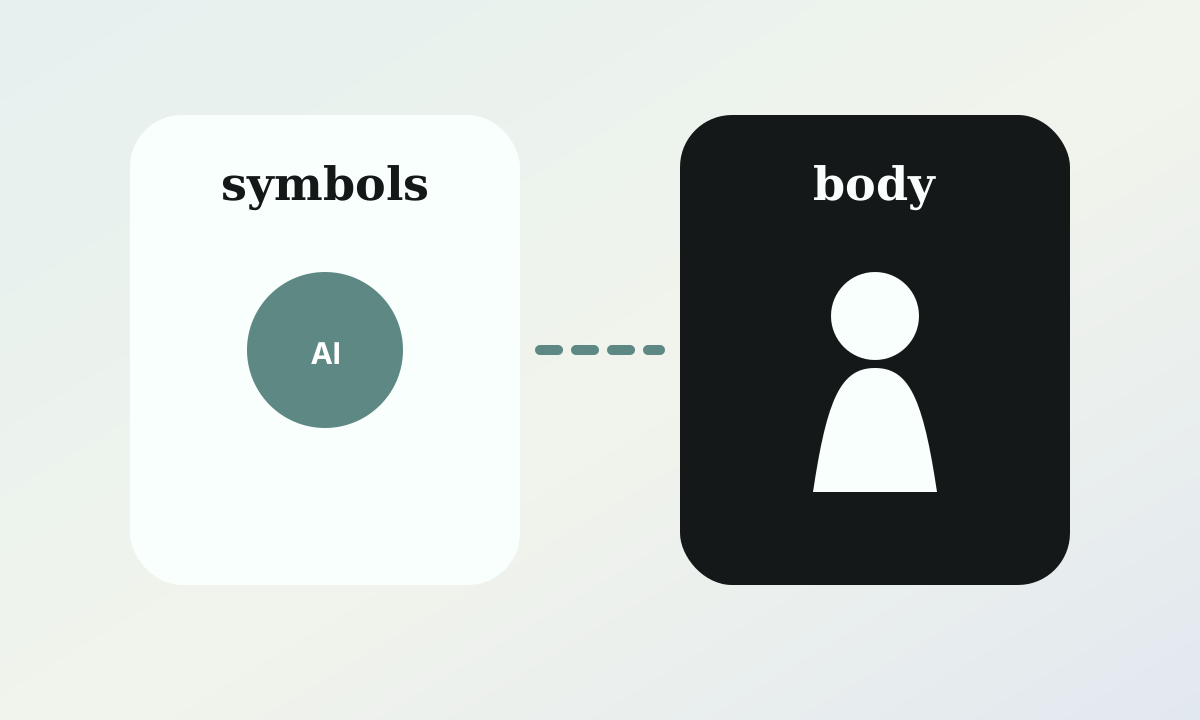
The limits of disembodied cognition. AI can manipulate symbols with extraordinary power, but it does not carry a body through weather, hunger, fear, touch, fatigue, or consequence. Figure...
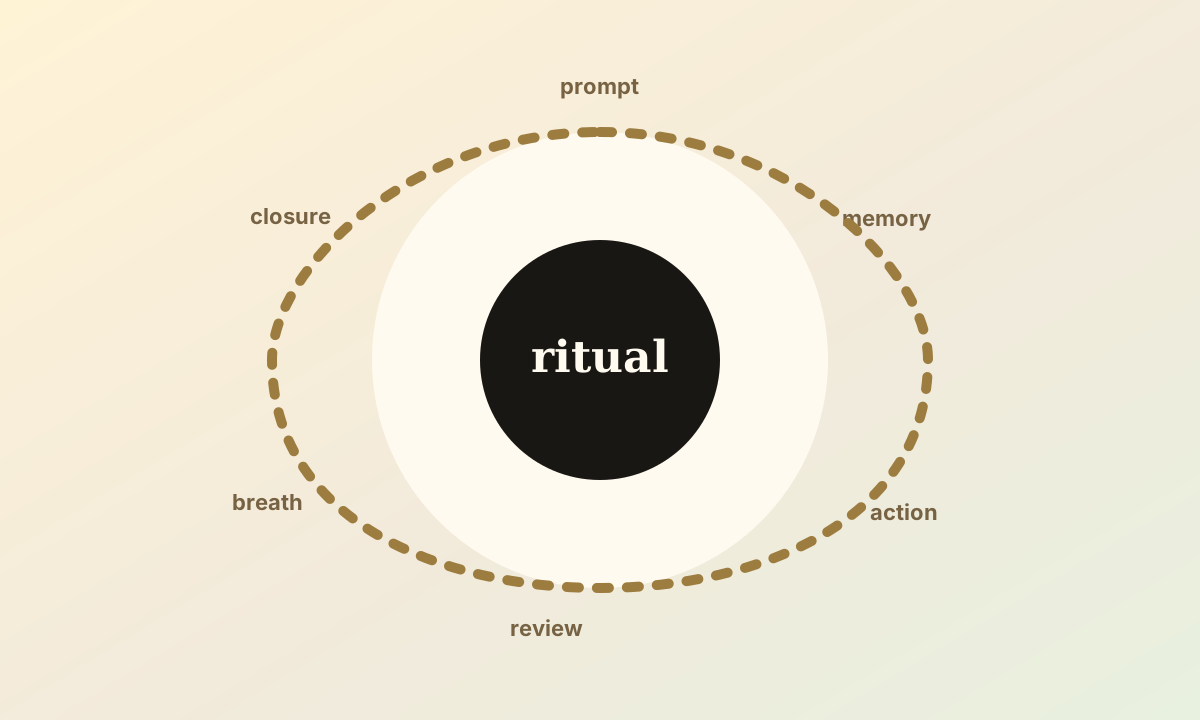
How humans create repeated symbolic interaction patterns. The daily prompt, the closing note, the morning check-in, and the weekly review will become new rituals of the AI age. Figure 1: AI...
Open memory
How memories become externalized into systems. AI can help families, teams, and cultures preserve continuity, but memory without consent becomes possession. Figure 1: Preserved memory...
Open memory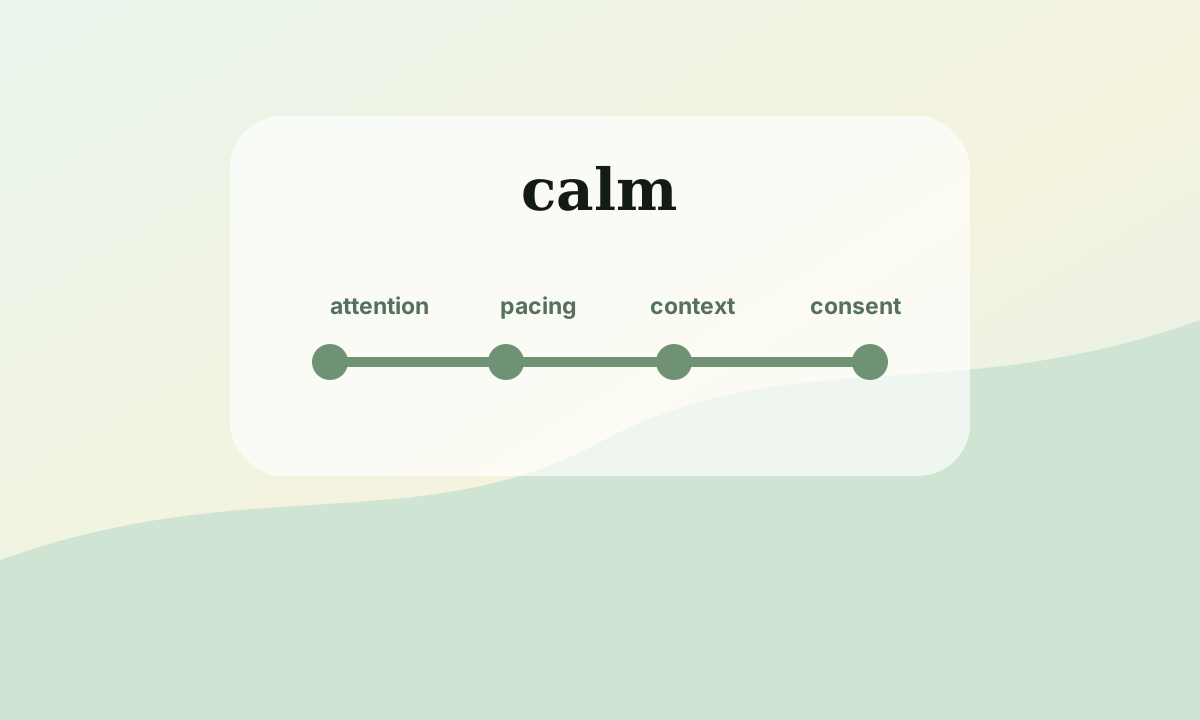
How future systems should reduce cognitive chaos. Calm is not a soft visual style. It is a design discipline that protects attention, agency, and nervous-system bandwidth. Figure 1: Calm...
Open memoryArchive
A closing reflection on transformation, identity, memory, and coexistence between humans and intelligent systems. Becoming is not a final state. It is the living loop between attention,...
How to create technology that preserves dignity and meaning. Human-centered AI is not a slogan. It is a discipline of designing systems that leave people more capable, not merely more...
Why humanity is entering a structural cognitive shift. AI is not only changing tools. It is changing how societies remember, decide, teach, work, govern, and explain reality. Figure 1:...
How AI reshapes religion, ideology, and meaning systems. Belief will not disappear in the AI age. It will become more personalized, more mediated, and more vulnerable to fluent authority....
How systems absorb or amplify emotional burdens. AI can help carry the emotional weight of work, but it can also hide stress, automate fake empathy, and ask humans to endure more. Figure 1:...
The limits of disembodied cognition. AI can manipulate symbols with extraordinary power, but it does not carry a body through weather, hunger, fear, touch, fatigue, or consequence. Figure...
How humans create repeated symbolic interaction patterns. The daily prompt, the closing note, the morning check-in, and the weekly review will become new rituals of the AI age. Figure 1: AI...
How memories become externalized into systems. AI can help families, teams, and cultures preserve continuity, but memory without consent becomes possession. Figure 1: Preserved memory...
How future systems should reduce cognitive chaos. Calm is not a soft visual style. It is a design discipline that protects attention, agency, and nervous-system bandwidth. Figure 1: Calm...
How AI changes self-perception. The future self will be shaped by mirrors, memories, recommendations, roles, and the quiet danger of letting systems define who we are. Figure 1: AI does not...
Why technology forces humanity back into existential questions. AI turns old philosophical problems into daily product decisions, family conversations, workplace choices, and civilizational...
Why openness becomes both power and risk. The more a system understands us, the more carefully it must handle what we reveal. Figure 1: Vulnerability is not weakness. It is the opening...
Why values are harder to encode than rules. Alignment is not only a technical puzzle. It is a human psychology problem with power, incentives, fear, trust, and context inside it. Figure 1:...
How humans seek purpose through intelligent interaction. AI can clarify questions, reflect patterns, and organize memory, but meaning still has to be lived. Figure 1: AI can illuminate the...
Complete index
This crawlable index keeps the full memory system connected: every essay, book note, founder workflow, and AI field note can be reached from one stable archive page.